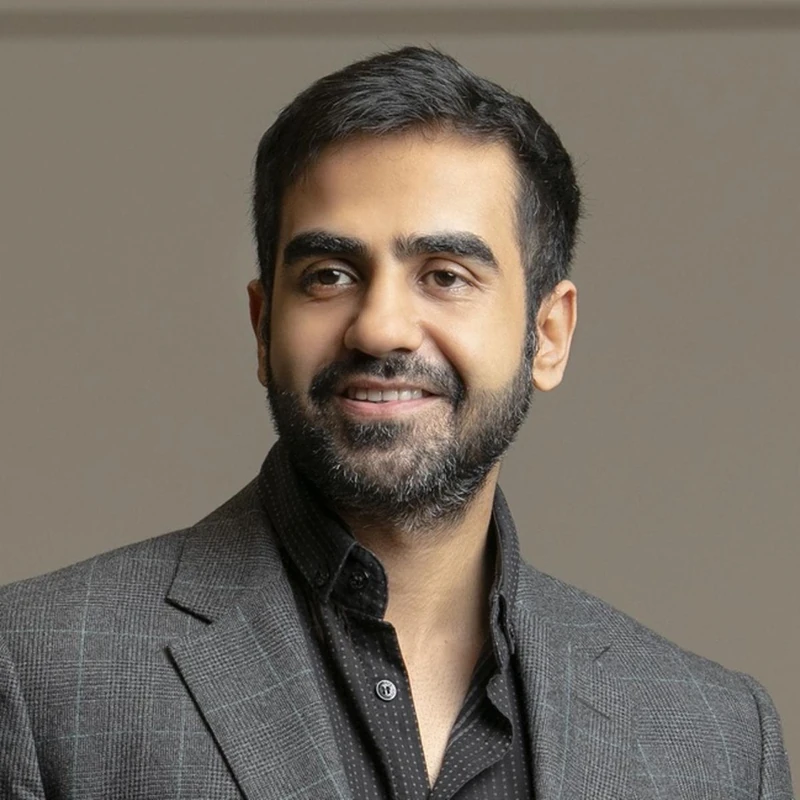
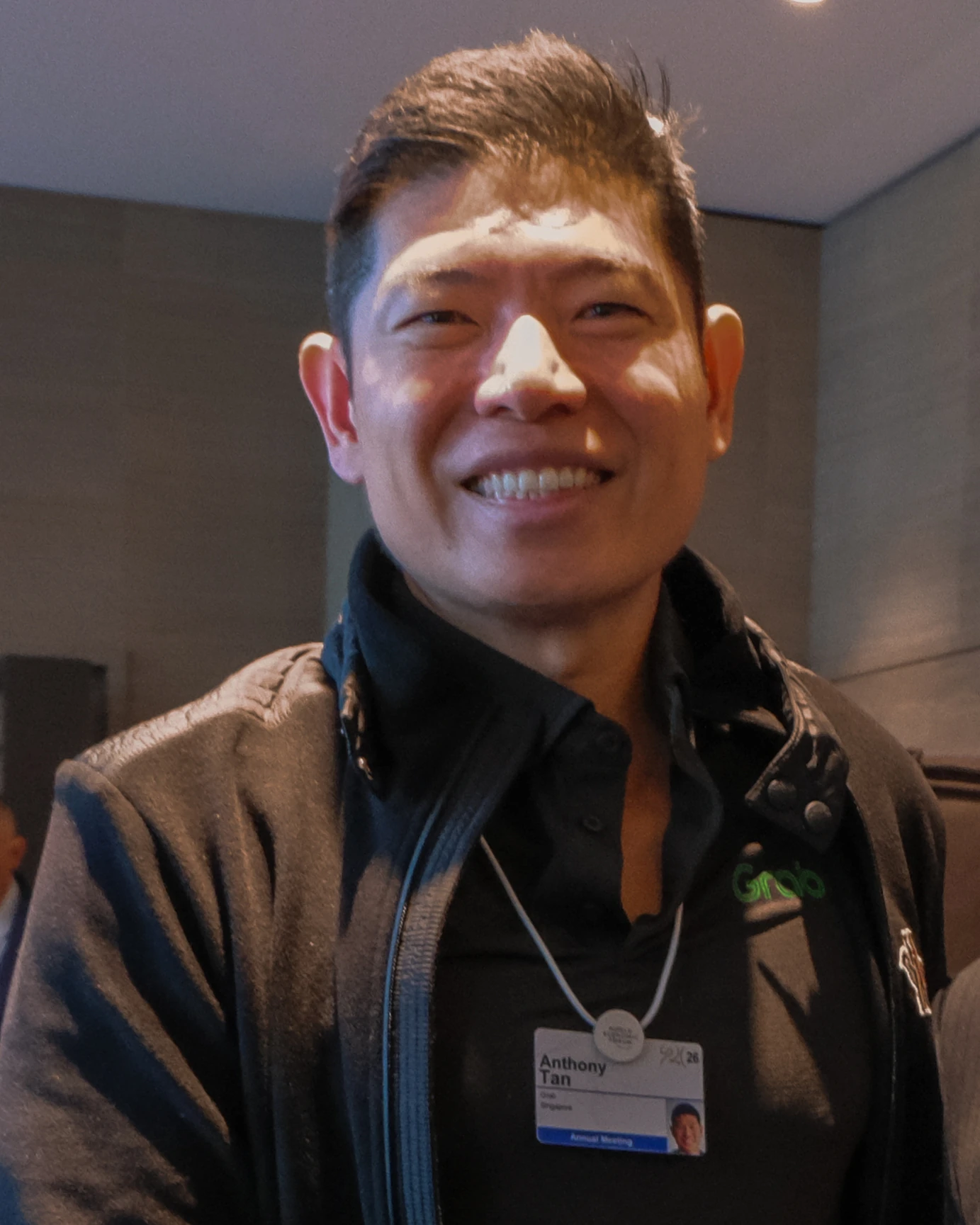
Anthony Tan has begun turning autonomous vehicles from a strategic investment into a public transport service. On April 1, 2026, Grab and WeRide launched autonomous shuttle rides in Singapore’s Punggol district. The initial service follows fixed routes, uses safety processes agreed with authorities and is intended to move toward commercial operations after a controlled introductory period.
Grab brings assets that vehicle developers often lack: millions of users, demand data, mapping, payments, support operations and relationships with drivers and regulators. WeRide brings the autonomous-driving system and operating experience. Together they can learn where automation improves transport rather than asking a robotaxi fleet to create an entire market from zero.
The experiment also touches Grab’s most sensitive constituency. Drivers built the network and depend on it for income. If autonomy is presented as a plan to replace them, resistance can slow adoption and damage political trust. Tan must show that autonomous vehicles can expand supply, serve difficult routes and create skilled work while people continue to handle the trips and situations machines cannot.
A controlled route is an operating laboratory
Punggol gives Grab a defined environment in which to test passenger behaviour, vehicle performance and remote support. The companies reported more than 1,000 early riders and tens of thousands of autonomous kilometres as the programme developed. Fixed stops and routes reduce some complexity compared with open-ended ride hailing.
That limitation is useful. The first objective should be dependable service, not geographic spectacle. Grab can measure interventions, delays, cancellations, passenger assistance and performance in rain, construction and heavy pedestrian traffic. It can compare autonomous operations with conventional shuttles on cost and reliability.
Commercial readiness requires more than a low collision rate. Vehicles need predictable uptime, cleaning, charging, maintenance and depot logistics. Passengers need help when they leave an item, board the wrong vehicle or feel unsafe. Remote operators must understand when to advise, intervene or dispatch a person.
Tan should publish a clear safety case with regulators, including the categories of incidents and how the system improves. Aggregate distance is a weak measure if difficult conditions are excluded. Transparent operational domains and intervention data will build more trust than a broad claim that autonomy is safer.
Grab’s network can solve the utilisation problem
Autonomous vehicles are expensive assets. Their economics depend on high utilisation without creating long passenger waits or empty driving. Grab’s demand platform can place capacity where it is needed and combine it with human-driven vehicles across time and geography.
A hybrid network is likely to be more resilient than a fully autonomous one. Robot vehicles can cover repeatable routes, late-night periods or areas with persistent driver shortages. Human drivers can handle complex destinations, special passenger needs and sudden changes. The dispatch system should choose the appropriate mode based on service quality and cost, not an internal mandate to maximise autonomous kilometres.
Grab can also connect autonomous shuttles with rail, buses and conventional rides. First- and last-mile services may offer better early economics than replacing point-to-point trips across a city. Integration with public transport requires schedule reliability and accessible vehicles, areas where a platform can coordinate demand.
The company should account for the full cost: vehicle depreciation, sensor replacement, remote operations, insurance, mapping, depot space and financing. Promotional free rides are useful for adoption but reveal little about willingness to pay. A commercial pilot needs transparent fares and service-level comparisons.
Drivers need a pathway into the new system
Grab has described roles for drivers and other workers in remote assistance, fleet operations and customer support. Those positions can be real opportunities if training, pay and progression are defined. They should not be used as a rhetorical answer while the bulk of affected workers face declining demand.
Tan can create funded training programmes with recognised credentials in vehicle operations, maintenance, mapping and safety. Experienced drivers understand passenger behaviour and local roads; that knowledge is valuable in testing and supervising autonomous services. Selection should be open and not limited to a small demonstration group.
The company should model income effects by district and time of day. If autonomous supply reduces earnings in a market, Grab can adjust fleet growth, incentives or access rules. A gradual transition allows labour demand to change through attrition and new services rather than abrupt displacement.
Driver representation belongs in governance. Advisory councils can review deployment plans, safety incidents and training. They will not eliminate conflict, but they can reveal problems earlier. Regulators are more likely to support expansion when the platform demonstrates that labour effects are measured and managed.
Regulation is a competitive advantage only if trust is shared
Singapore’s structured approach gives Grab a credible place to learn. The authorities can define testing stages, vehicle requirements and reporting. Success may help the company enter other Southeast Asian markets, but rules, road conditions and public expectations differ substantially.
Tan should resist treating one approval as a regional licence. Dense cities in Indonesia, Thailand or Vietnam have motorcycles, informal stops and complex interactions that challenge current systems. Infrastructure and emergency response vary. Local regulators need access to data and the ability to set narrower operating conditions.
Liability must be clear. When a vehicle, remote operator, fleet owner and platform are separate entities, passengers should not have to determine who is responsible. Grab can provide a single claims process and allocate responsibility among partners contractually. Insurance products should reflect autonomous operations without reducing protection.
Cybersecurity is part of road safety. Vehicles, maps, communications and remote-operation systems create attack surfaces. Grab and WeRide need separation between consumer accounts and vehicle control, rapid patching and independent testing. Incident plans should include degraded network connectivity and deliberate interference.
Financial strength creates room for patience
Grab’s first-quarter 2026 results showed revenue of $955 million, up 24 per cent, on-demand gross merchandise value of $6.1 billion and adjusted EBITDA of $154 million. The company reported profit of $120 million. Stronger cash generation makes it possible to test autonomy without requiring immediate scale.
That patience is important because premature expansion can consume capital and create safety events. Tan should set milestones around cost per service hour, intervention frequency, rider retention and fleet uptime. New vehicles and districts should be added only when performance meets published thresholds.
Partnerships can limit capital exposure. Grab does not need to manufacture vehicles or own every sensor. It does need control over customer experience and enough technical knowledge to evaluate suppliers. Dependence on one autonomy company could weaken bargaining power, while supporting too many systems could fragment operations.
Investors should be able to separate autonomous-mobility spending from the economics of the core network. The programme may create long-term value, but vague strategic investment can hide costs. Clear reporting will show whether the pilot is approaching commercial viability or remains research.
Passenger experience will decide adoption
Riders do not evaluate autonomy through engineering milestones. They care whether the vehicle arrives, stops in the right place, feels safe and provides help. Grab should design the service around those ordinary expectations. The booking interface must identify an autonomous ride clearly and offer an alternative where practical.
Inside the vehicle, instructions should be accessible in multiple languages and formats. Passengers need an obvious way to contact support, report unsafe behaviour or request emergency assistance. Cameras and sensors used for safety require visible privacy explanations and strict retention rules. Families and older riders may need extra time to board, which route schedules must accommodate.
Service recovery is critical. If a vehicle stops or cannot complete a route, Grab should dispatch another ride and resolve refunds automatically. A remote message is not enough when a passenger is stranded. Performance targets should include recovery time and satisfaction after an incident, not only successful autonomous kilometres.
Choice will build confidence. Some riders will prefer a human driver, particularly at night or for sensitive trips. The platform should not hide the vehicle type or use price penalties to force adoption during the learning phase. Trust grows when passengers understand what they are choosing and see that the company remains accountable.
The goal is better mobility, not fewer people
Autonomy should be judged by the transport problems it solves. Longer operating hours, safer repeatable routes and service in areas with thin supply are valuable. Replacing an available driver on a profitable route merely to demonstrate technology is less compelling.
Grab can use its platform data to identify unmet trips and coordinate mixed fleets. It can design accessibility features with older passengers and people with disabilities. It can work with transit agencies on routes that complement public systems instead of competing for the same riders.
Tan’s leadership will be visible in the order of operations. Safety evidence should precede scale, commercial pricing should precede economic claims and worker pathways should precede large labour effects. The company’s growth gives it time to follow that sequence.
Anthony Tan has often described Grab as infrastructure for Southeast Asia. Autonomous rides can strengthen that claim if they make mobility more reliable and broaden opportunity around the network. If the programme is managed mainly as a way to remove driver costs, it will sacrifice the relationships and local knowledge that give Grab an advantage over a vehicle company entering the region alone.