First Abu Dhabi Bank entered 2026 at a new scale. In the first quarter, operating income reached AED9.34 billion, up 6 per cent from a year earlier, and net profit was AED5.01 billion. Total assets rose to roughly $406 billion, an increase of more than 6 per cent from the end of the previous quarter. FAB is now not only the United Arab Emirates' largest bank but a financial institution whose balance sheet connects Gulf capital with clients across Asia, Africa and Europe.
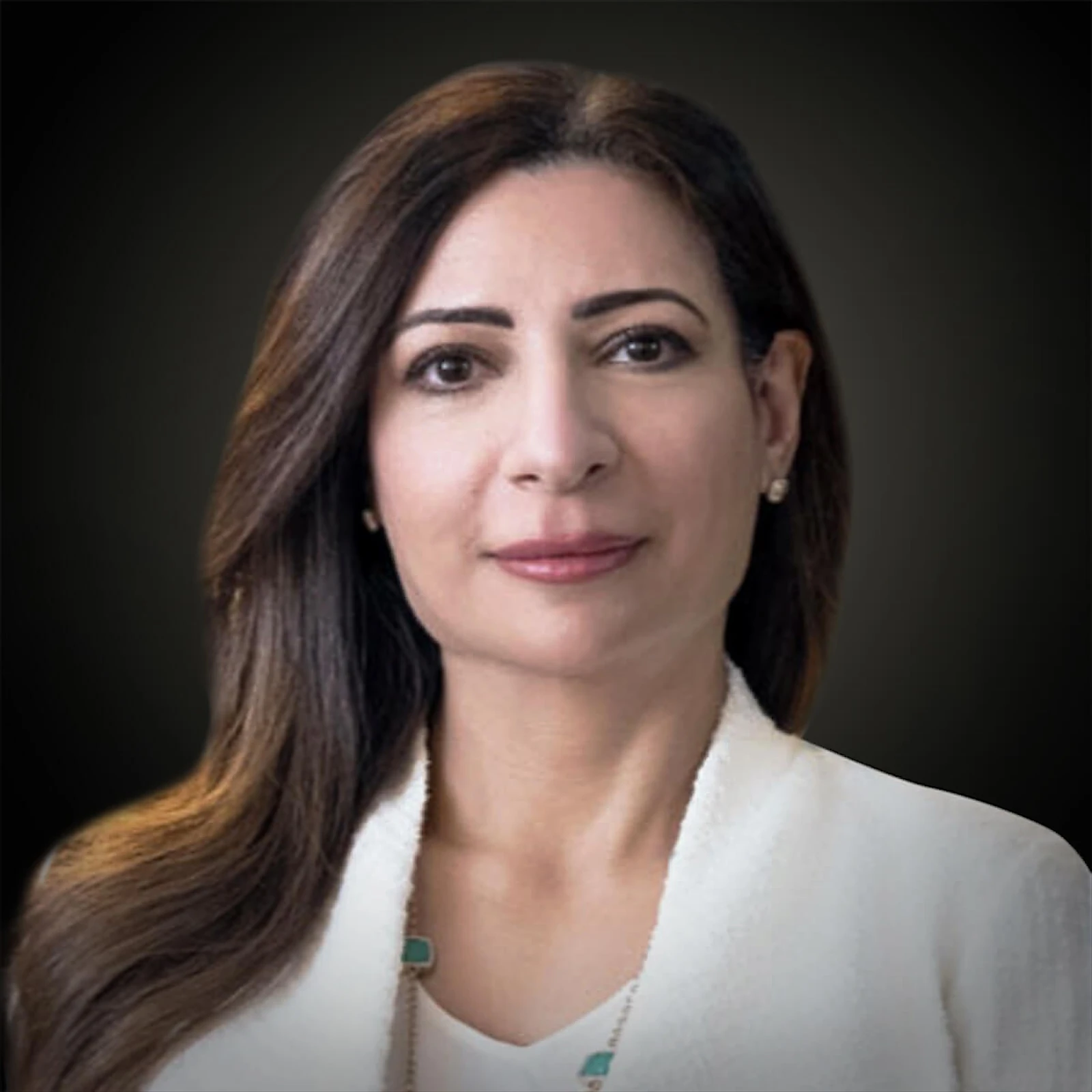
Hana Al Rostamani, group chief executive since 2021, has made international corridors and wealth central to the growth case. The UAE's role as a trade, investment and private-capital hub creates genuine opportunities. Sovereign investment, energy transition, infrastructure and the movement of entrepreneurs into the Gulf all generate banking demand. Yet asset growth by itself can make a bank larger without making it better.
Al Rostamani's next test is to turn scale into higher-quality revenue and durable return on capital. FAB needs cross-border fees, transaction flows and wealth relationships that deepen faster than the costs and risks of an international network. It must also protect asset quality through a period shaped by volatile oil markets, regional security concerns and changing global rates.
Scale is an advantage only when it connects clients
FAB was created from the merger of First Gulf Bank and National Bank of Abu Dhabi, combining a strong commercial franchise with close relationships across government, corporate and institutional clients. Its home market gives the bank access to liquidity, large projects and one of the world's most internationally connected business environments.
A balance sheet above $400 billion allows FAB to underwrite major financings, support acquisitions and provide liquidity across currencies. It can remain relevant to clients as their needs grow, rather than hand relationships to larger global banks. The institution can also invest in technology, compliance and specialist talent at a scale smaller regional competitors may find difficult.
The disadvantage is weight. Large assets consume capital and funding, and low-return loans can dilute group economics even when they add revenue. International branches require systems, licences and control functions before they reach useful scale. Al Rostamani has to evaluate the network by client flows and risk-adjusted returns, not prestige or geographic coverage.
The best use of FAB's scale is to link clients who already interact with the Gulf. A Chinese company building in the Middle East, a UAE investor allocating to Asia or an African business trading through Dubai creates natural demand for financing, cash management, foreign exchange and advice. Expansion disconnected from those corridors carries weaker strategic logic.
The China-Gulf corridor is a long-term wager
Trade and investment between China and the Gulf have widened beyond energy. Renewable power, electric vehicles, logistics, technology and consumer sectors are creating new relationships, while oil and gas remain important. The UAE's ports, free zones and financial centres make it a practical base for Chinese companies entering the region.
FAB can support these flows through trade finance, renminbi services, project lending and capital markets. Its local knowledge in the UAE and relationships with state-linked institutions provide an advantage that a purely international bank may not possess. Presence in Asia can improve origination and service across time zones.
The corridor also carries concentration and policy risk. Chinese growth, Gulf project cycles and geopolitical decisions can affect clients simultaneously. Sanctions, export controls and data rules require careful compliance. Al Rostamani must ensure that commercial enthusiasm does not outrun the bank's ability to understand ownership, counterparties and end use.
Diversification within the corridor matters. Fee-based advisory and transaction services use less capital than long-dated lending. Syndication can distribute risk. Partnerships with local institutions can extend reach without building a heavy standalone platform. FAB should aim to be indispensable to flows, not necessarily the sole funder of every project.
Wealth can improve the revenue mix
The Gulf is attracting family offices, entrepreneurs and investment professionals, while established regional fortunes are becoming more global and generationally complex. This creates demand for private banking, custody, investment management, succession planning and credit. Wealth can generate recurring fees and deepen relationships that began in corporate banking.
Al Rostamani has an opportunity to connect FAB's institutional access with personal wealth. A business owner may need advice on a company transaction, financing for investments and management of family assets. If the bank can serve those needs within a clear conduct framework, lifetime client value rises.
Competition is formidable. Swiss private banks, US institutions, Asian banks and local rivals are expanding in Dubai and Abu Dhabi. Hiring advisers can add assets quickly but does not guarantee durable relationships. FAB needs a proposition built on investment quality, regional access, digital service and trust rather than deposit pricing or individual rainmakers.
Suitability and product governance are critical. Wealth clients may be sophisticated, but complexity can still obscure risk and fees. Long-term franchise value depends on transparent advice and performance through market cycles. A conduct failure in private banking can damage the wider group.
Corporate lending must earn through the cycle
FAB's corporate franchise benefits from public investment and large companies across energy, real estate, aviation, utilities and infrastructure. These relationships create substantial financing and transaction revenue. They can also produce concentrations linked to the same macroeconomic drivers.
Oil remains relevant even as the UAE diversifies. Higher prices support government revenue, liquidity and project activity; lower prices can slow parts of the economy. The country has significant fiscal buffers, but banks should still stress portfolios against commodity and project delays. Collateral values can be correlated in a downturn.
Real estate requires similar discipline. Population growth and international demand support activity, while rapid construction and speculative investment can create pockets of excess. Underwriting should focus on borrower cash flow and realistic occupancy rather than extrapolating recent prices.
Al Rostamani must protect a culture in which client importance does not override risk limits. Large relationship returns should be assessed across lending, deposits, fees and capital use. A prestigious mandate that earns less than the cost of capital is not strategic.
Rates change both sides of the balance sheet
Gulf currencies' links to the US dollar transmit much of the Federal Reserve cycle into regional banking. Higher rates can lift asset yields but also raise deposit costs and stress leveraged borrowers. Falling rates can reduce margins while supporting credit demand and asset quality. FAB needs a business mix that performs in both directions.
Transaction banking and wealth fees can reduce dependence on net interest income. Stable current accounts provide valuable funding, particularly when rate-sensitive customers move money aggressively. Technology that makes FAB central to corporate cash flows can strengthen those deposits.
Liquidity must be managed across currencies and legal entities. International growth can create funding mismatches if local assets rely excessively on parent support or short-term wholesale markets. Internal transfer pricing should make the true cost visible when businesses originate assets.
Capital is equally important. Rapid quarterly asset growth should be accompanied by risk-weighted returns and sufficient buffers. Shareholder distributions can remain attractive only after the bank funds growth and credible stress scenarios. Al Rostamani should be explicit about the hierarchy.
Technology should make a large bank feel smaller
FAB's clients span retail consumers, small businesses, global corporations, governments and investors. A large institution can provide broad capability but frustrate customers with fragmented systems and slow decisions. Technology should reduce that organisational distance.
Common data and workflow can improve onboarding, credit assessment, transaction monitoring and service. Corporate clients increasingly expect real-time cash visibility and integration with their own systems. Wealth clients expect secure digital access alongside personal advice. Retail customers compare banking with the best consumer applications.
Automation also strengthens productivity, but financial crime and cyber risk require investment. The UAE's global connectivity creates complex payment flows that must be screened without delaying legitimate business. Models and alerts need expert oversight, current data and clear accountability.
Al Rostamani should connect technology spending to outcomes such as onboarding time, straight-through processing, fraud losses and client activity. Large programmes can otherwise become expensive infrastructure with little competitive effect.
The international network needs a return map
FAB's growth narrative is persuasive because the economic corridors are real. Gulf capital is moving outward, international companies are moving inward and the UAE is becoming a larger centre for trade and wealth. The bank is positioned close to these flows.
The next phase requires evidence at the level of each market and relationship. International units should show what business they originate for the group, what funding they provide and what risk-adjusted return they earn. Some locations will be valuable as client gateways even if their local income is modest, but that contribution should be measurable.
Hana Al Rostamani has led FAB beyond a symbolic asset threshold and strengthened its claim to be a bridge between regions. Her challenge is to keep the bridge commercially busy without making it structurally heavy. Fee income, stable deposits and repeat cross-border mandates should grow faster than capital consumption and fixed cost.
If FAB can achieve that balance, its scale will become a durable advantage in a more connected Gulf economy. If asset growth outruns relationship depth and control, size will magnify volatility. Al Rostamani's next achievement must therefore be qualitative: a larger bank that earns more from what it knows and connects, not simply from what it holds.