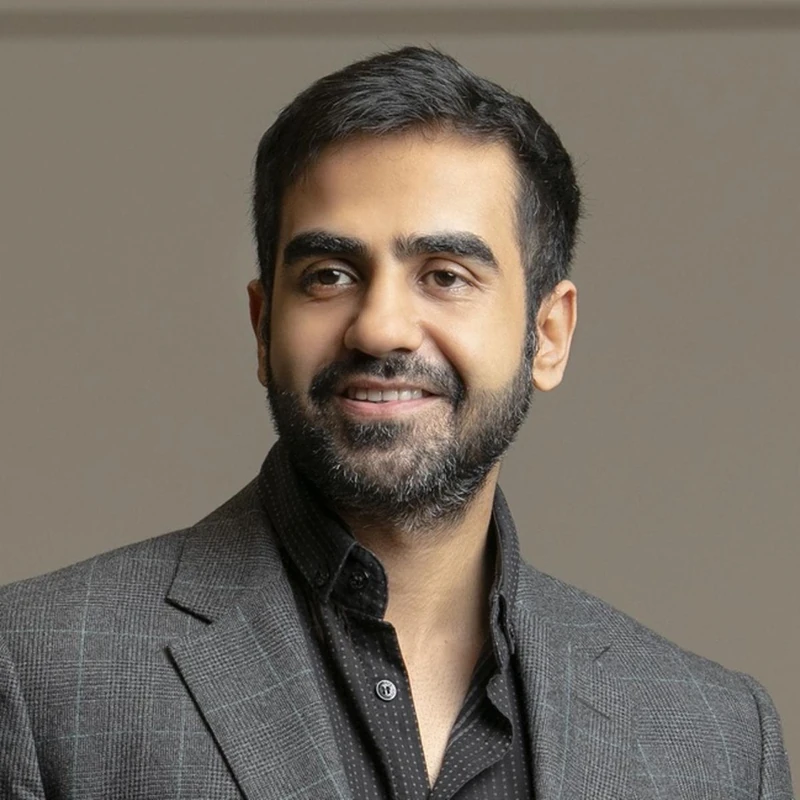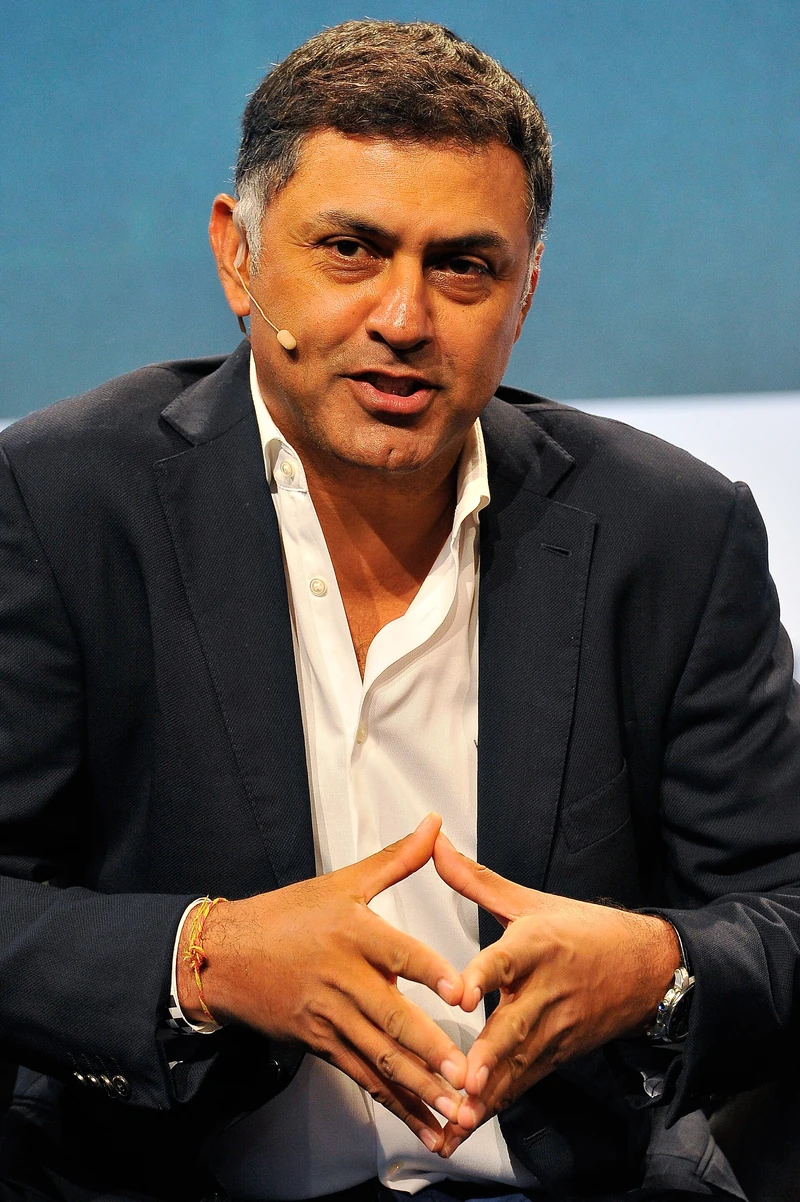

Nithin Kamath has built a capital-allocation system that depends on what Zerodha does not have: outside shareholders. The Indian brokerage has remained privately controlled and profitable, giving its founders freedom to invest through Rainmatter without a conventional venture fund’s fixed life or pressure to sell companies quickly.
Rainmatter began by supporting financial-technology businesses that could expand Indian capital markets and complement Zerodha. It has broadened into health, wellness, climate, livelihoods, storytelling and education. The related Rainmatter Foundation supports public-interest work, and Kamath has said the group increased its commitment to Indian founders while establishing a 100 crore rupee rewilding fund.
Patient capital can fund companies and projects that need time. It can also become difficult to evaluate because there is no external limited partner demanding a fund return or exit schedule. Kamath’s leadership challenge is to create accountability that fits a long horizon without turning Rainmatter into the short-term venture model it was designed to avoid.
Zerodha’s ownership creates strategic freedom
A traditional venture fund raises money for a limited period, invests it and seeks exits that return capital to investors. Rainmatter uses profits and founder capital, takes minority positions and generally avoids board seats. Returns can be recycled into new investments and foundation work.
The structure allows Kamath to support founders through market cycles. A company can focus on product and customers rather than raising a new round every 18 months. Climate and health businesses often need longer development, regulatory or distribution periods than software investors prefer.
Freedom is valuable only when investment size remains connected to Zerodha’s capacity. Brokerage profits are exposed to trading activity, market conditions and regulation. Rainmatter should maintain a multi-year budget that does not depend on unusually strong market revenue.
Kamath should explain the boundary between corporate cash, personal capital, investment entities and the foundation. Clear legal and financial separation protects Zerodha customers and makes the model understandable.
Fintech investments create both synergy and conflict
Rainmatter’s fintech portfolio includes businesses that can reach Zerodha users or fill product gaps. Smallcase, Sensibull, Ditto and other companies benefit from an ecosystem around investing, analytics and financial services. Zerodha can offer distribution without acquiring every product.
That relationship can accelerate innovation. It can also create questions about preferential access, data and competition. A startup backed by Rainmatter may receive visibility that another supplier cannot obtain. Users need to know when a recommended service is an investment relationship.
Kamath should publish conflict principles. Commercial integrations should pass product, security and customer-value reviews independent of the investment decision. Portfolio companies should not receive Zerodha customer data without explicit permission. Competitors should have a fair route to integrations where the platform is open.
Avoiding board seats reduces operational control but does not remove influence. Distribution, capital and the Zerodha brand can shape a startup’s decisions. Rainmatter should use that influence transparently and avoid making founders dependent on one channel.
Patient capital still needs milestones
Long-term support is not unconditional support. Companies need evidence that a problem is real, customers value the solution and the team can use capital responsibly. Milestones can be adapted to the sector without imposing a fixed exit date.
For software, measures may include active use, retention and unit economics. A climate hardware company may track technical performance, manufacturing yield and paid pilots. A health business may need clinical, regulatory and distribution milestones. Rainmatter can agree on these with founders while leaving operating authority with them.
Follow-on capital should reflect learning. A patient investor can give a team time to solve a problem, but repeated funding without evidence can consume resources that another founder could use. Kamath should distinguish patience from avoidance of difficult decisions.
Portfolio reviews can be internal without becoming quarterly theatre. Annual public reporting on broad outcomes, failures and capital recycled would improve accountability while protecting confidential company data.
Climate investing requires a different scorecard
Rainmatter has said it backs dozens of climate startups and organisations. These range from clean energy and materials to agriculture, livelihoods and conservation. Financial returns alone do not capture their purpose, but vague impact claims are not enough.
Each investment should define a physical outcome: emissions avoided, water saved, waste displaced, hectares restored or income improved. Methods and uncertainty need to be explained. A startup’s projected impact should not be counted as achieved impact.
Additionality matters. Rainmatter should ask whether its patient capital enables work that conventional investors would not fund or simply joins popular rounds. Early technical risk, small markets and public goods are areas where its structure can be distinctive.
Climate outcomes can conflict. A product may reduce emissions while increasing water use or affecting livelihoods. Portfolio evaluation should include these trade-offs and community feedback, not a single carbon figure.
The rewilding fund will test institutional patience
A 100 crore rupee rewilding fund moves Rainmatter Foundation into long-duration ecological work. Restoration can take decades and depends on land rights, local communities, water and changing climate. Early tree counts do not prove a functioning ecosystem.
The fund should define governance for land selection, scientific monitoring and community participation. Local livelihoods cannot be treated as an obstacle to conservation. Benefits and restrictions need agreement before projects begin.
Independent ecologists can establish baselines and track biodiversity, soil and water over time. Results should include failures and unintended effects. Rewilding may involve natural regeneration rather than visible planting, which makes patient funding particularly suitable.
Kamath should protect the programme from becoming brand content for Zerodha. Public communication can attract support, but ecological decisions belong with qualified teams and affected communities. The foundation needs authority separate from marketing.
Founder-friendly governance still requires voice
Rainmatter often avoids board seats because it wants founders to retain control. That can reduce interference and conflict. It can also limit formal oversight when a company faces governance, safety or financial problems.
Observer rights, regular information and reserved matters can provide proportionate protection without operating the business. Founders should know what conduct would cause Rainmatter to pause funding or speak publicly. Whistleblower and grievance routes matter in companies that invoke a mission.
Minority shareholders, employees and customers may not share the founder’s power. A founder-friendly investor should not equate founder control with good governance. Kamath can encourage independent directors as companies grow, even if Rainmatter does not take the seat.
Succession matters too. Patient capital cannot depend entirely on the personal preferences of Nithin and Nikhil Kamath. Investment committees, documented theses and delegated authority can make the institution durable.
Returns should recycle visibly
Rainmatter has described itself as a giving-forward initiative in which investment returns support more entrepreneurs and foundation work. The model becomes more credible when the flow is reported. Realisations, dividends and write-offs can be summarised without disclosing sensitive terms.
A portfolio may create strategic value for Zerodha as well as financial return. Those benefits should be separated. Distribution partnerships can improve the brokerage even when an equity investment has not exited. Mixing the two can make performance impossible to assess.
Long holding periods do not eliminate valuation. Internal marks influence follow-on decisions and perceptions of success. Conservative methods and independent review can prevent paper gains from becoming a justification for more spending.
Recycling also has a timing problem. Climate and health investments may take years to return cash. Zerodha’s annual allocation should be able to sustain new commitments without relying on exits.
India-first capital can remain globally rigorous
Kamath has emphasised backing founders building for India, a priority that gained importance amid geopolitical and supply-chain concerns. Local focus can address specific needs in finance, health, climate and livelihoods that imported products miss.
India-first should not mean lower evidence standards. Portfolio companies can compete globally on safety, reliability and economics. Rainmatter can connect them with research, manufacturing and export partners while keeping domestic usefulness central.
Regional diversity within India matters. Solutions designed for affluent urban users may not address rural or low-income communities. Investments should include language, distribution and affordability from the start.
Patient capital can support infrastructure around companies: open education, research, standards and policy. These public goods expand the market without belonging to one portfolio company. The foundation and investment arm can coordinate carefully while maintaining separate mandates.
The model should publish its failures
An evergreen investor can quietly hold unsuccessful investments for years, avoiding the moment when a traditional fund records a loss. That weakens learning. Rainmatter should define when a thesis failed even if the company continues.
Anonymous or aggregated post-mortems can describe mistakes in market timing, team, technology and governance. Founders should have a chance to respond, and confidential information should remain protected. The purpose is institutional improvement, not public blame.
Failure reporting is especially important because Kamath’s public voice influences other investors and entrepreneurs. Honest evidence can prevent mission-driven language from becoming a shield against scrutiny.
Nithin Kamath has created an unusual bridge from a profitable brokerage to long-term investment and public-interest work. Rainmatter’s independence is its advantage, but independence from external investors should not mean independence from measurement. The institution will endure if it can show where capital went, what changed, which conflicts were controlled and how lessons and returns funded the next generation.