PETRONAS ended 2025 with revenue of RM266.1 billion and profit after tax of RM45.4 billion, an 18 per cent decline as prices and volumes weakened. Capital expenditure was RM41.6 billion, about 60 per cent of it in Malaysia. The group delivered 563 liquefied natural gas cargoes while securing long-term supply and customer arrangements, including a 20-year agreement linked to QatarEnergy and an extension with Japan's JERA into the 2040s.
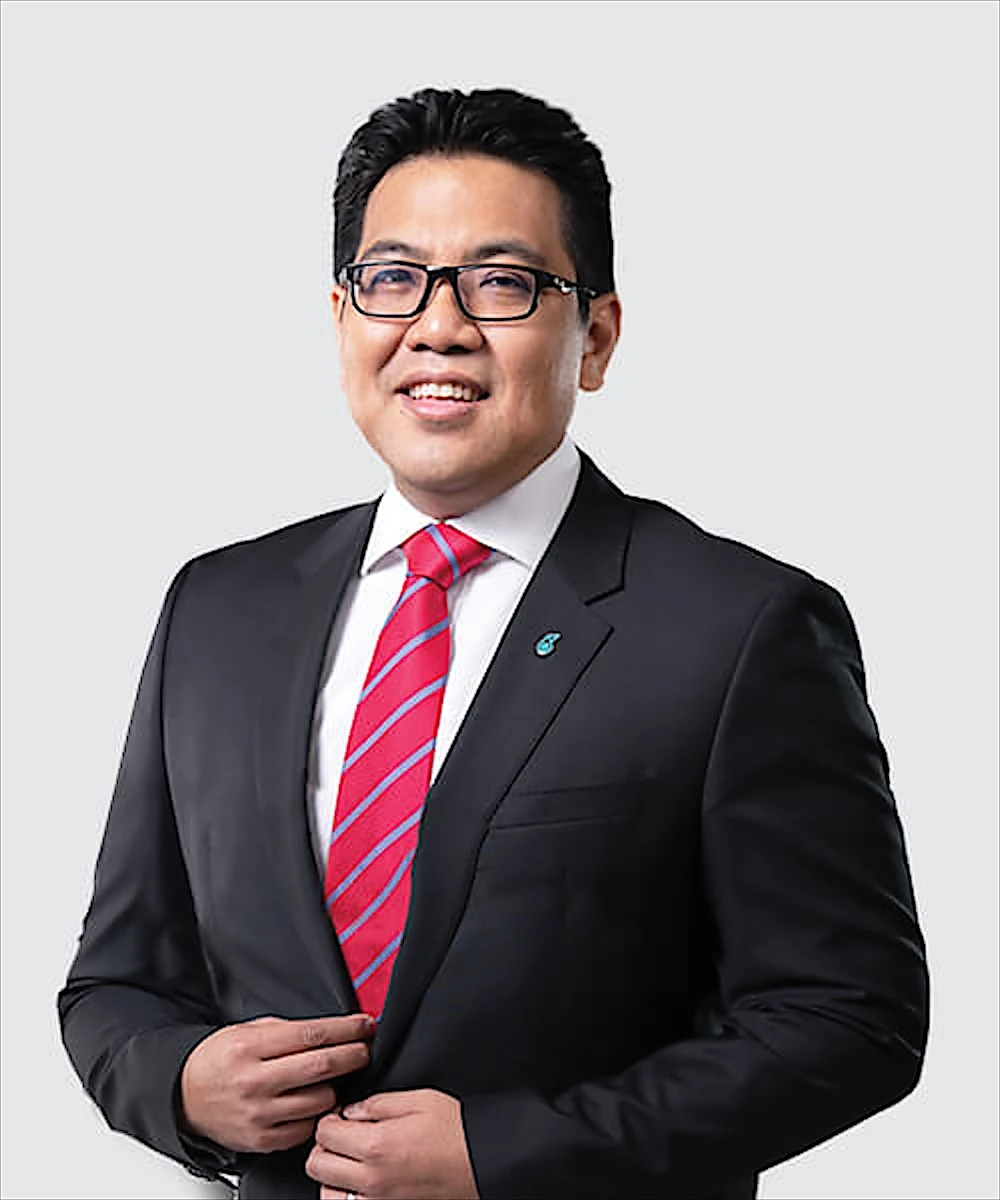
The figures capture the capital problem facing Tengku Muhammad Taufik. PETRONAS must maintain production, fund major LNG commitments, support Malaysia's energy system and build credible lower-carbon businesses. It has to do this as the cash generated by hydrocarbons becomes less predictable and as its shareholder, the Malaysian state, relies on dividends. Commodity volatility makes the order and timing of those commitments as important as their headline size.
Tengku Taufik has argued for a pragmatic transition in which gas remains important to Asian energy security while emissions are reduced and new businesses are developed. The strategic logic is defensible. His next test is financial: every long-duration commitment must earn through commodity cycles, and transition projects must move from demonstration to economic value without being protected indefinitely by the legacy portfolio.
LNG is the centre of the Asian proposition
Natural gas occupies a complicated position in the energy transition. It produces carbon emissions, but efficient gas generation can displace more carbon-intensive coal, balance variable renewable power and support industrial demand. LNG allows gas to move between regions where pipelines do not connect.
PETRONAS has decades of LNG experience, shipping infrastructure and customer relationships across Asia. Delivering 563 cargoes in a year demonstrates operating scale. Long-term agreements can secure supply and demand, support project financing and reduce exposure to spot-market volatility.
The JERA extension into the 2040s shows that major Asian buyers continue to value contracted LNG as part of energy security. The Qatar-linked supply agreement broadens PETRONAS's portfolio beyond its own production. A portfolio trader can match sources and customers more flexibly, using shipping and market knowledge to optimise flows.
Long contracts also create risk. Demand forecasts, carbon policy and competing supply can change over two decades. Pricing formulas may become favourable to one side. Shipping routes can be disrupted. Tengku Taufik must preserve destination and volume flexibility where possible and avoid commitments that depend on a single view of future gas prices.
Lower profit sharpens capital discipline
An 18 per cent fall in profit does not imply financial weakness, but it reduces the room between operating cash, capital expenditure and distributions. Energy companies often make their largest investment decisions when current prices are strong, only to bring projects on stream into a different market. PETRONAS needs return thresholds that hold across conservative price scenarios.
Capital expenditure of RM41.6 billion spans exploration, production, LNG, downstream facilities and new energy. The 60 per cent share invested in Malaysia supports national resources, jobs and energy security. Domestic importance should not remove project discipline. Assets have to be technically sound, competitively costed and capable of generating value for the country over their life.
Tengku Taufik must also balance the state's current dividend needs with reinvestment. Excessive distributions can weaken future production and resilience; excessive capital spending can destroy value and reduce funds available for public priorities. Transparent communication about cash allocation helps keep the trade-off visible.
Debt and liquidity should allow PETRONAS to invest through low-price periods rather than cut the best projects at the worst moment. That resilience is one of the advantages of an integrated portfolio. It should be used to protect high-return long-term assets, not to sustain projects that fail updated economic tests.
Resource replacement remains fundamental
Oil and gas fields decline as they produce. An energy company has to invest continuously in exploration, development and improved recovery to maintain volumes. PETRONAS operates in Malaysia and internationally, giving it a wider opportunity set and exposure to different fiscal and geological conditions.
International production can diversify resource risk and provide access to larger basins. It can also introduce political, security and contract risk. The group should pursue projects where technical capability, partnership and terms create an advantage. Scale alone is not a reason to enter a frontier market.
Malaysia's own fields are mature in parts, increasing the value of technology that extends life and reduces unit emissions. Small-field development and infrastructure sharing can make resources economic, but complexity can raise cost. PETRONAS must work with contractors and regulators to align incentives around production and decommissioning.
Methane control is particularly important for the gas strategy. Methane has a powerful near-term climate effect, and leakage can weaken the case for gas as a transition fuel. Measurement, maintenance and transparent reduction targets should be treated as operating performance, not public relations.
The transition portfolio needs commercial milestones
PETRONAS is investing in renewable energy, hydrogen, carbon management and cleaner mobility through group businesses and partnerships. It has also pursued projects such as green ammonia linked to India. These areas could become important as customers seek lower-carbon power and industrial feedstocks.
New energy projects face different economics from upstream oil and gas. Renewable returns may be lower but steadier. Hydrogen and green ammonia depend on electricity cost, infrastructure, certification and customers willing to sign contracts. Carbon capture requires suitable geology, regulation and a revenue mechanism.
Tengku Taufik should set stage gates based on technology readiness, contracted demand and cost competitiveness. Pilot projects can build knowledge, but they should not become permanent demonstrations without a path to scale. Partnerships are useful when they bring customers, technology or risk sharing rather than merely distribute announcements.
The group also has to decide where it possesses a genuine advantage. PETRONAS understands large projects, molecules, shipping and industrial customers. Those capabilities can support LNG, hydrogen derivatives and carbon management. It may have less advantage in undifferentiated renewable development where low cost of capital and local permitting dominate.
Asia's energy security has changed
Asian economies are expanding electricity demand while attempting to reduce emissions and dependence on imported fuels. The region is not one market: Japan and South Korea have mature demand and limited domestic resources, China has vast scale and diversified supply, India is growing rapidly, and Southeast Asia contains both exporters and importers.
PETRONAS can serve this complexity through a portfolio of supply, trading, shipping and infrastructure. Malaysia's location is favourable for major Asian routes. Long-standing relationships offer credibility when buyers prioritise reliability after periods of price and geopolitical volatility.
Affordability remains central. LNG can support cleaner power, but high prices can push emerging economies back towards coal or constrain demand. PETRONAS needs a cost position that works for customers as well as shareholders. Portfolio optimisation and efficient operations are therefore part of transition strategy.
Competition is increasing as Qatar, the United States and other suppliers add capacity. An expected wave of new LNG may pressure margins and contract terms. PETRONAS should differentiate through reliability, flexibility and integrated services rather than assume every new supply source will earn historical returns.
Execution has a national dimension
PETRONAS is a commercial company and a central Malaysian institution. Its investments support national revenue, industrial capability and skilled employment. That role increases the number of stakeholders in each decision. Tengku Taufik must maintain commercial accountability while engaging government, communities and contractors.
Domestic gas pricing, supply obligations and infrastructure policy affect returns and energy affordability. Clear frameworks are better than hidden cross-subsidies, which obscure the true cost and discourage investment. PETRONAS can contribute technical advice while the government makes social and fiscal choices.
Talent is another long-term asset. The transition requires engineers and commercial leaders who understand hydrocarbons and newer technologies. PETRONAS should redeploy expertise without assuming skills transfer automatically. Safety and operating discipline must remain constant across every business.
Governance determines whether national purpose and corporate performance reinforce each other. Project selection, procurement and partnerships need transparent standards. A large capital programme can create economic spillovers only when it also creates value at the company level.
The next decade is already under contract
The contracts extending into the 2040s make PETRONAS's strategic time horizon visible. LNG buyers and suppliers are planning beyond current price weakness and policy cycles. Those commitments can support resilient cash flows, but they also narrow future choices.
Investors and Malaysia should judge Tengku Taufik on portfolio returns, production reliability, methane performance, contracted LNG economics and the commercial maturation of new energy. Revenue and profit will continue to move with commodities; capital quality is the measure management controls more directly.
Tengku Muhammad Taufik has positioned PETRONAS as both a supplier of present energy and a participant in the transition. The company's scale, technical capability and Asian relationships give that strategy credibility. Lower profit now makes selectivity more important, not less.
If PETRONAS protects returns on LNG, replenishes resources responsibly and advances only transition projects with real customers and cost pathways, it can remain strategically important through the 2040s. If capital is spread across too many obligations, long contracts will become constraints. Tengku Taufik's defining choice is not between gas and transition. It is between disciplined commitments and expensive ones.