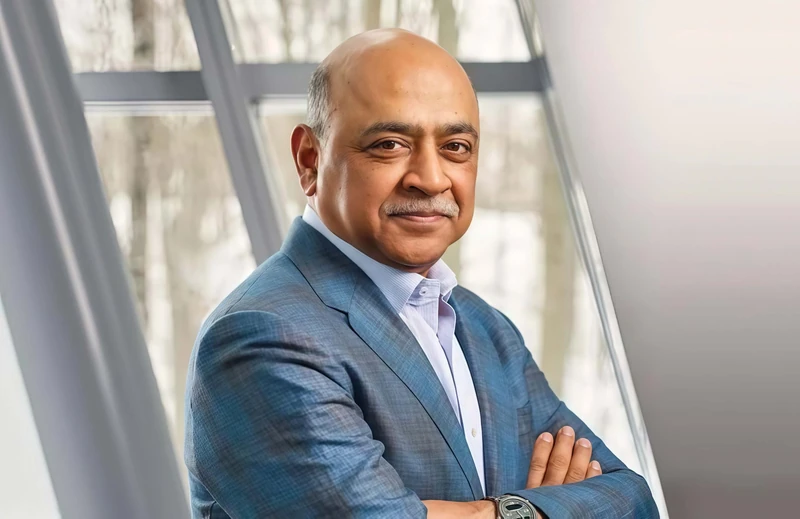
At Metalloinvest and diversified holdings, Alisher Usmanov has reached the point where size changes the job. The founder’s instinct, family mandate or investor’s conviction that created the fortune must now work through systems, boards and executives able to challenge it. The title of this story captures the strategic hinge: Alisher Usmanov’s Holdings Trace the Fault Lines of Eurasian Capital. What happens next will matter beyond one balance sheet because suppliers, competitors and policymakers increasingly move in response.
The company history gives the headline its context. Alisher Usmanov made his first fortune producing plastic bags, a commodity so scarce in the former Soviet Union that people washed and reused them Uzbekistan-born Usmanov, who has family ties with President of Uzbekistan Shavkat Mirziyoyev, moved to Tashkent in 2022.
The wealth associated with Alisher Usmanov is rooted in steel, telecom, investments, but that label is too narrow for the leadership story. Metalloinvest and diversified holdings sits within metals & mining, a field where strategic control is created through a series of linked choices rather than one transaction. The advantage has to be renewed in operations: who gets capital, which customers shape the roadmap, what remains proprietary and where the organization accepts dependence on a partner. For Alisher Usmanov, those choices now carry more weight than the origin story because the business has become part of the market infrastructure around it.
Where scale becomes strategy
The most consequential leadership decision may be how much of Alisher Usmanov the organization still requires. A company that depends on constant personal intervention can be formidable and fragile at once. At Metalloinvest and diversified holdings, the next phase should make judgment more distributed without making accountability vague. That means clearer ownership of outcomes, deeper operating talent and a succession process measured through actual decisions rather than titles announced at the end.
Mining and metals convert long investment horizons into products priced every day. The mismatch makes capital allocation the defining leadership skill. A new mine, smelter or low-carbon production line can require years of approvals and billions in spending before the market reveals whether the timing was right. Scale offers protection, but it also magnifies environmental, community and geopolitical exposure. The strongest operators treat license to operate as an asset, not a communications exercise.
For investors, the central question is how Alisher Usmanov prices time. Some projects at Metalloinvest and diversified holdings need years before they become defensible, while public markets compare results every quarter. That gap can support bold leadership or shelter poor discipline. The strongest signal will be a capital plan that explains not only where money is going but what advantage it is supposed to earn, how failure will be recognized and which commitments can be slowed without damaging the core.
His largest holding is his stake in iron ore and steel giant Metalloinvest. He also owns stakes in Xiaomi and other telecom, mining and media companies. An early Facebook investor and metals magnate, Alisher Usmanov was hit with U.S., U.K. and EU sanctions in the wake of Russia's invasion of Ukraine. Usmanov headed Gazprom Investholding, a subsidiary of state-run conglomerate Gazprom, from 2000 to 2014.
What the market may be missing
The institution also needs a sharper definition of success. Revenue, market value and expansion all matter, but each can rise while strategic control weakens. At Metalloinvest and diversified holdings, Alisher Usmanov should be asking whether the company is learning faster, reducing avoidable dependence and earning trust in the markets it wants to enter. Those measures force the organization to connect ambition with capability. They also make it harder for prestige projects to compete with investments that improve the core business every day.
The pressure comes from the same force that created the fortune: scale. A larger system has more purchasing power and political relevance, but it also has more points of failure and more stakeholders able to demand an answer. The next phase will be judged less by expansion announcements than by returns, governance and the ability to absorb a bad year without abandoning the long view.
The better scorecard for Metalloinvest and diversified holdings starts with resilience. Can the business protect service and investment during a downturn? Can it raise standards without losing speed? Can it explain a difficult choice before the market forces disclosure? Alisher Usmanov has the advantage of time and capital, but those resources only create value when the organization uses them to learn faster. The next cycle will show whether the company has accumulated capability or only scale.
Building authority beyond the home market
Central Asia’s commercial geography is being redrawn by trade routes, resources and the search for new capital partners. For Alisher Usmanov, Metalloinvest and diversified holdings sits inside that shift. The opportunity is significant, but so is the exposure to policy, currency and concentrated counterparties. Durable leadership requires transparent structures and investments that make economic sense without depending on a single geopolitical alignment. The diaspora dimension matters as well. With ties to Uzbekistan and citizenship in Russia, Alisher Usmanov reflects how Asian commercial networks move knowledge and capital across jurisdictions without becoming detached from their origins.
That is the next act for Alisher Usmanov. The fortune may continue to be measured through the market value attached to Metalloinvest and diversified holdings, but leadership will be measured through the quality of the institution left behind: whether it can absorb challenge, allocate capital without nostalgia and stay useful as its industry changes. The point of Alisher Usmanov’s Holdings Trace the Fault Lines of Eurasian Capital is not that the outcome is settled. It is that the strategic question is now visible, and the answer will be written by operating decisions rather than mythology.
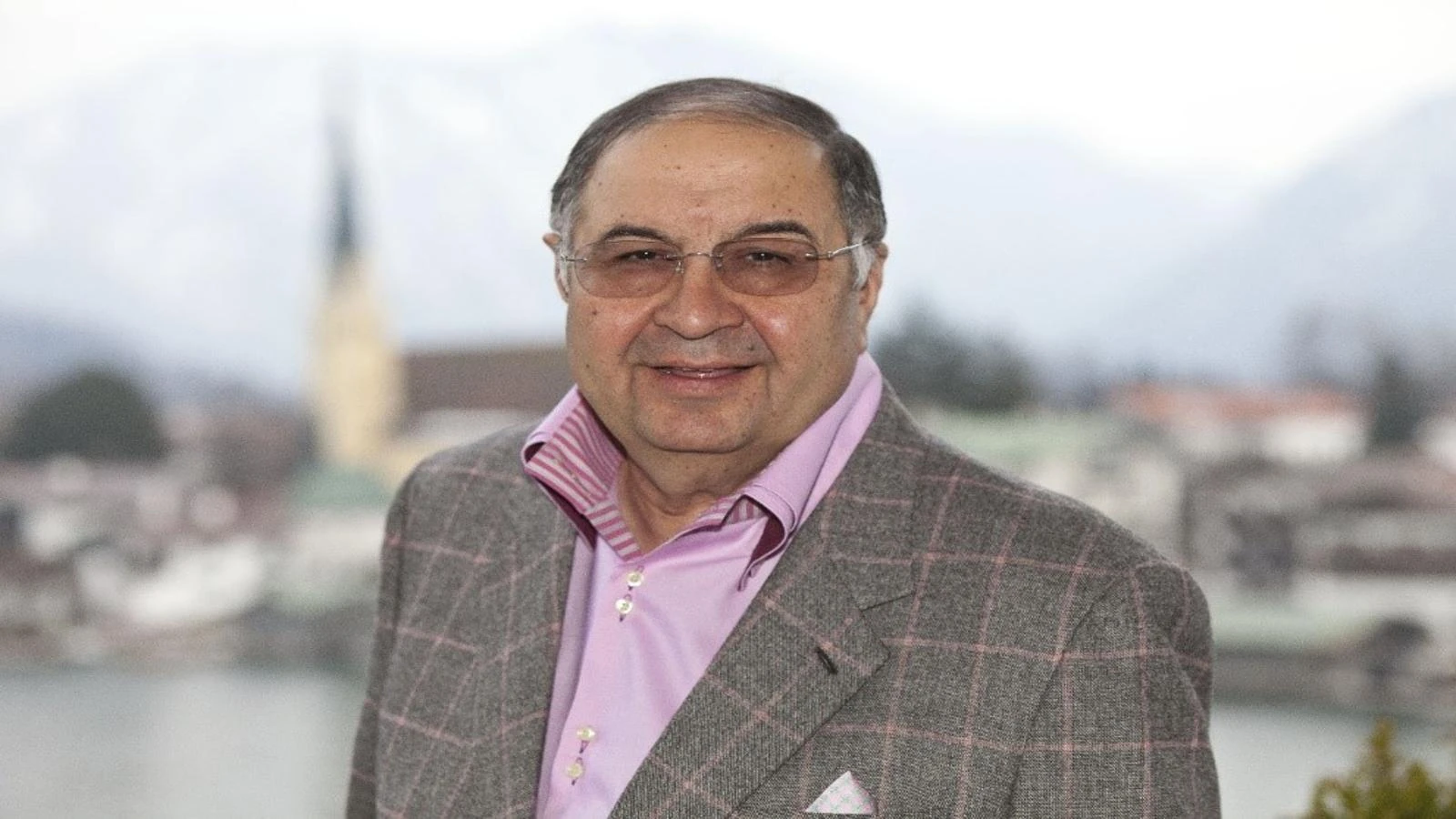
Banner photograph: Forbes profile image.