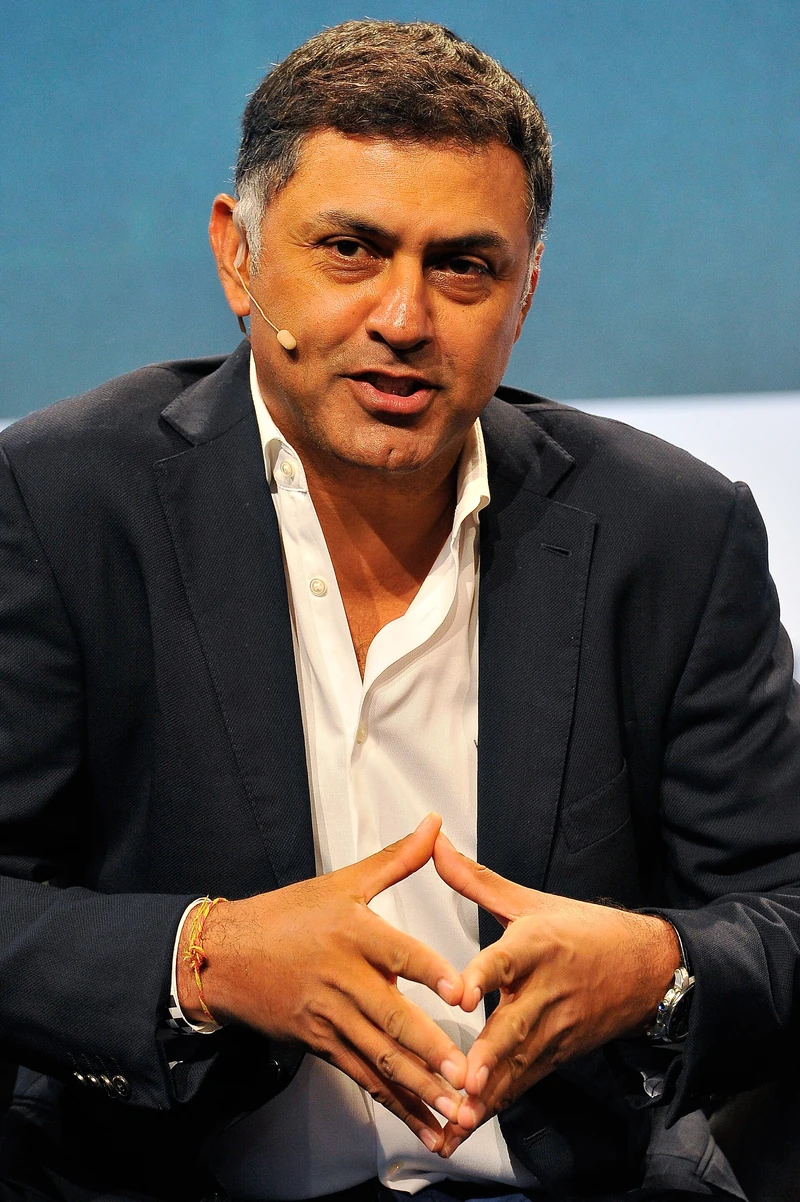
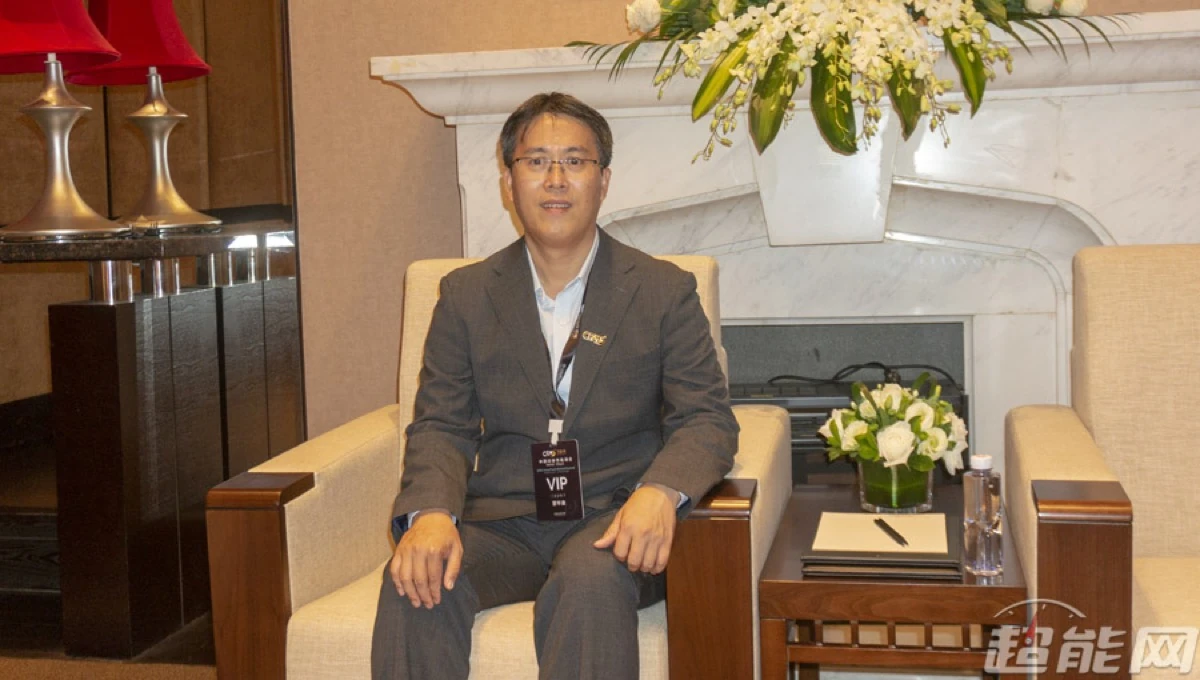
At Longsys Electronics, Cai Huabo has reached the point where size changes the job. The founder’s instinct, family mandate or investor’s conviction that created the fortune must now work through systems, boards and executives able to challenge it. The title of this story captures the strategic hinge: Cai Huabo Wants Longsys to Own More of the Memory Stack. What happens next will matter beyond one balance sheet because suppliers, competitors and policymakers increasingly move in response.
The company history gives the headline its context. Cai Huabo chairs Shenzhen Longsys Electronics, a supplier of memory chips. Cai became a billionaire following the company's IPO on the Shenzhen Stock Exchange in August 2022.
The wealth associated with Cai Huabo is rooted in electronics, but that label is too narrow for the leadership story. Longsys Electronics sits within technology, a field where strategic control is created through a series of linked choices rather than one transaction. The advantage has to be renewed in operations: who gets capital, which customers shape the roadmap, what remains proprietary and where the organization accepts dependence on a partner. For Cai Huabo, those choices now carry more weight than the origin story because the business has become part of the market infrastructure around it.
What Longsys Electronics must prove now
This is also a governance story. Founder-led and family-controlled companies can move with unusual clarity because authority is visible. The weakness appears when disagreement becomes too expensive or succession is treated as a ceremony rather than an operating redesign. Cai Huabo does not need to surrender conviction at Longsys Electronics; the organization does need executives with enough information and independence to prevent conviction from hardening into inertia. A credible bench is insurance against both crisis and charisma.
Technology fortunes can look weightless, yet their staying power depends on very physical constraints: compute, power, components, manufacturing yield, distribution and access to scarce talent. The leaders who endure are rarely selling a single product. They are deciding which layer of a technical system becomes indispensable, then spending ahead of demand to protect that position. The danger is that a platform advantage can be erased by a standards shift, an export rule or a rival willing to price at the edge of profitability.
The balance sheet gives Cai Huabo options that most competitors do not have, but optionality is not the same as strategy. Cash can buy speed, talent and access; it can also postpone hard decisions about a weak business. The next measure of Longsys Electronics will be whether investment creates a more coherent system. Markets may celebrate a dramatic transaction, yet the better evidence is operating leverage, resilience and the freedom to keep investing when the cycle turns.
Longsys acquired the Lexar brand from U.S. chipmaker Micron in 2017.
When scale stops being protection
Talent is the other scarce resource. A company associated closely with Cai Huabo can attract ambitious executives, but it must also offer them decisions worth owning. Longsys Electronics will need specialists who understand the current business and outsiders prepared to question its assumptions. The useful culture is neither reverence nor rebellion. It is a system in which evidence can change a plan, accountability follows authority and the strongest people see a future for themselves beyond proximity to the controlling figure.
The immediate pressure comes from technical cycles shortening while the cost of staying at the frontier rises. Customers want lower prices and more capability; governments want security and domestic capacity. That leaves little room for a comfortable middle. The company must keep investing before returns are visible, while proving that today’s advantage is more than a temporary shortage or a fashionable product category.
Wealth rankings capture consequence, which is why Cai Huabo belongs in the Asia Wealth 100. They do not settle the question of quality. That must be read through Longsys Electronics itself: the durability of margins, the concentration of risk, the credibility of governance and the relevance of the next investment cycle. A leader can influence all four, but not by treating market value as confirmation that the operating model no longer needs to be challenged.
Global ambition needs local depth
East Asia adds a particular strategic pressure. Dense supply chains and demanding domestic customers can accelerate learning, while trade controls and political friction can narrow the room to maneuver. Cai Huabo has to build relationships that survive policy cycles and localize enough capability to remain trusted without fragmenting Longsys Electronics into inefficient national versions. The region rewards speed, but the global opportunity belongs to companies that can translate speed into standards others choose to adopt. From China, Cai Huabo also has to decide how much of the operating model should travel and how much must remain shaped by the home market.
That is the next act for Cai Huabo. The fortune may continue to be measured through the market value attached to Longsys Electronics, but leadership will be measured through the quality of the institution left behind: whether it can absorb challenge, allocate capital without nostalgia and stay useful as its industry changes. The point of Cai Huabo Wants Longsys to Own More of the Memory Stack is not that the outcome is settled. It is that the strategic question is now visible, and the answer will be written by operating decisions rather than mythology.
Banner photograph: Phoenix New Media / Expreview.