At Binance, Changpeng Zhao has reached the point where size changes the job. The founder’s instinct, family mandate or investor’s conviction that created the fortune must now work through systems, boards and executives able to challenge it. The title of this story captures the strategic hinge: What Comes After Binance for Changpeng Zhao. What happens next will matter beyond one balance sheet because suppliers, competitors and policymakers increasingly move in response.
The company history gives the headline its context. Changpeng Zhao, who goes by CZ, is the founder and former CEO of Binance, the largest cryptocurrency exchange in the world. The Chinese-Canadian coder cut his teeth building high-frequency trading systems for Wall Street's flash boys.
The wealth associated with Changpeng Zhao is rooted in cryptocurrency exchange, but that label is too narrow for the leadership story. Binance sits within finance & investments, a field where strategic control is created through a series of linked choices rather than one transaction. The advantage has to be renewed in operations: who gets capital, which customers shape the roadmap, what remains proprietary and where the organization accepts dependence on a partner. For Changpeng Zhao, those choices now carry more weight than the origin story because the business has become part of the market infrastructure around it.
What Binance must prove now
This is also a governance story. Founder-led and family-controlled companies can move with unusual clarity because authority is visible. The weakness appears when disagreement becomes too expensive or succession is treated as a ceremony rather than an operating redesign. Changpeng Zhao does not need to surrender conviction at Binance; the organization does need executives with enough information and independence to prevent conviction from hardening into inertia. A credible bench is insurance against both crisis and charisma.
Finance rewards judgment only after it has first rewarded distribution, trust and control of funding. In this part of the market, the crucial question is not simply what an investor owns, but how quickly capital can be redeployed when conditions change. A celebrated bet can make a reputation; a durable institution needs risk limits, succession depth and clients who stay through a down cycle. That is where personal instinct has to become a repeatable operating system.
The balance sheet gives Changpeng Zhao options that most competitors do not have, but optionality is not the same as strategy. Cash can buy speed, talent and access; it can also postpone hard decisions about a weak business. The next measure of Binance will be whether investment creates a more coherent system. Markets may celebrate a dramatic transaction, yet the better evidence is operating leverage, resilience and the freedom to keep investing when the cycle turns.
Zhao founded Binance in 2017 and still owns an estimated 90% of the exchange plus a stash of its BNB tokens. In November 2023, Zhao stepped down as Binance's CEO as part of a sweeping settlement with U.S. authorities. Zhao pleaded guilty to failing to maintain an effective anti-money laundering program, paid a $50 million fine and served four months in prison.
When scale stops being protection
Talent is the other scarce resource. A company associated closely with Changpeng Zhao can attract ambitious executives, but it must also offer them decisions worth owning. Binance will need specialists who understand the current business and outsiders prepared to question its assumptions. The useful culture is neither reverence nor rebellion. It is a system in which evidence can change a plan, accountability follows authority and the strongest people see a future for themselves beyond proximity to the controlling figure.
The pressure point is credibility under reversal. Liquidity can make an aggressive strategy look effortless, then disappear just as obligations become fixed. Investors should watch concentration, governance and the distance between the founder’s judgment and the institution’s controls. A firm that depends on one person to see every risk has not yet converted talent into durable value.
Wealth rankings capture consequence, which is why Changpeng Zhao belongs in the Asia Wealth 100. They do not settle the question of quality. That must be read through Binance itself: the durability of margins, the concentration of risk, the credibility of governance and the relevance of the next investment cycle. A leader can influence all four, but not by treating market value as confirmation that the operating model no longer needs to be challenged.
Global ambition needs local depth
East Asia adds a particular strategic pressure. Dense supply chains and demanding domestic customers can accelerate learning, while trade controls and political friction can narrow the room to maneuver. Changpeng Zhao has to build relationships that survive policy cycles and localize enough capability to remain trusted without fragmenting Binance into inefficient national versions. The region rewards speed, but the global opportunity belongs to companies that can translate speed into standards others choose to adopt. The diaspora dimension matters as well. With ties to China and citizenship in Canada, Changpeng Zhao reflects how Asian commercial networks move knowledge and capital across jurisdictions without becoming detached from their origins.
That is the next act for Changpeng Zhao. The fortune may continue to be measured through the market value attached to Binance, but leadership will be measured through the quality of the institution left behind: whether it can absorb challenge, allocate capital without nostalgia and stay useful as its industry changes. The point of What Comes After Binance for Changpeng Zhao is not that the outcome is settled. It is that the strategic question is now visible, and the answer will be written by operating decisions rather than mythology.
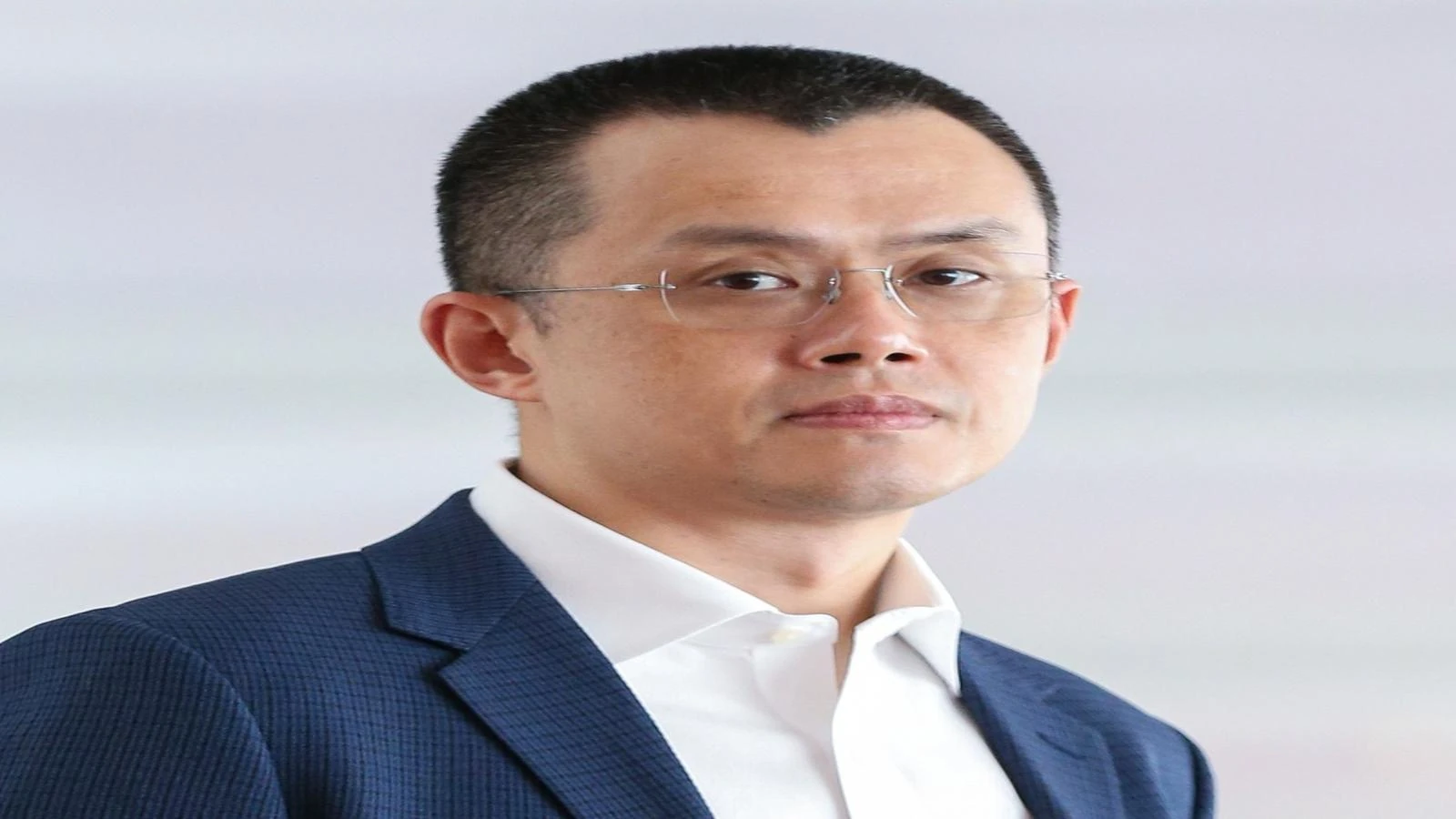
Banner photograph: Forbes profile image.