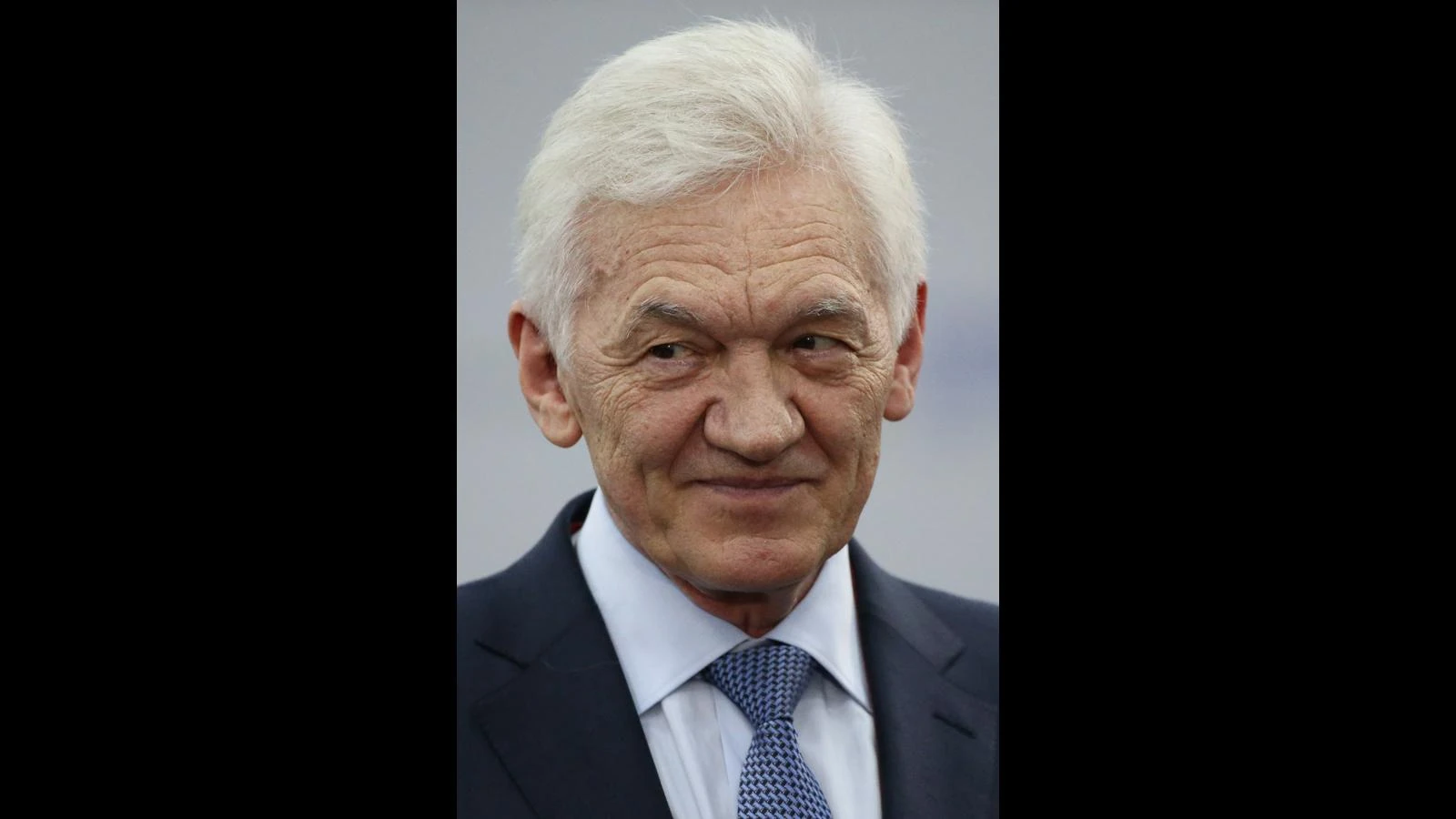
Gennady Timchenko built influence through Novatek and Sibur, but the most interesting part of the story begins after the breakthrough. Leadership at this scale is no longer about spotting a single opening. It is about deciding which advantage can travel, which risk must remain local and which old habit has become a liability. That is why Gennady Timchenko’s Portfolio Is a Map of Russian Power has become a business question rather than a biographical observation.
Several decisions explain how the position was built. Gennady Timchenko has stakes in various Russian businesses, including gas company Novatek and petrochemical producer Sibur Holding. Timchenko ran a state-owned oil exporting company and became one of its largest shareholders when it was later privatized.
The wealth associated with Gennady Timchenko is rooted in oil, gas, but that label is too narrow for the leadership story. Novatek and Sibur sits within energy, a field where strategic control is created through a series of linked choices rather than one transaction. The advantage has to be renewed in operations: who gets capital, which customers shape the roadmap, what remains proprietary and where the organization accepts dependence on a partner. For Gennady Timchenko, those choices now carry more weight than the origin story because the business has become part of the market infrastructure around it.
The next operating question
Energy wealth sits inside a transition that is neither orderly nor cheap. Demand for conventional fuels remains large even as policy, capital and technology push toward cleaner systems. The winners will not be those who merely own resources, but those who can finance long-duration projects, navigate regulation and place infrastructure where demand will exist years from now. Every expansion decision is also a view on geopolitics, commodity cycles and the speed at which customers can afford to change.
Leadership becomes more institutional as an enterprise grows, whether the controlling shareholder welcomes the change or not. Customers and regulators need continuity; senior talent needs real authority; minority investors need to know how capital decisions are tested. At Novatek and Sibur, Gennady Timchenko will be judged by the quality of the people who can make consequential decisions without waiting for the founder’s approval. Delegation is not distance. Done well, it is how standards survive scale.
Capital allocation is the hidden biography of any large fortune. The headline number rises and falls with markets, but the durable record is written in factories opened, acquisitions rejected, research funded and debt kept available for the wrong year. At Novatek and Sibur, the important choices are no longer small enough to reverse quietly. Gennady Timchenko must distinguish between investment that deepens the moat and expansion that merely enlarges the organization. The former compounds capability; the latter often compounds complexity.
One of Russia's most powerful people, he befriended Putin in the 1990s in Saint Petersburg when he and the Rotenberg brothers started a judo club called Yavara- Neva. Timchenko was sanctioned by the U.S. in 2014 and by the EU and U.K. in 2022. He remains chairman of the Russian national hockey league KHL and is president of the SKA Saint-Petersburg Hockey Club.
The fault line investors should watch
The central risk is timing. Invest too slowly and the asset base loses relevance; move too early and the balance sheet carries infrastructure customers are not ready to use. Policy can accelerate either outcome. The defensible position is optionality backed by cash flow, not a slogan about transition. That is a harder discipline than choosing one side of the energy debate.
Execution will be visible in the unglamorous details. Novatek and Sibur has to recruit people who can improve the system rather than simply inherit it, give local managers enough authority to respond and keep information moving across the organization without being polished on the way up. Gennady Timchenko can set the appetite for risk, but repeatable performance comes from incentives and routines. That is where a leadership thesis becomes an operating result, one decision and one review cycle at a time.
The valuation lens can obscure that distinction. Markets often price Novatek and Sibur as a shorthand for a broad theme, then punish the company when the theme cools. A more durable assessment separates the cyclical tailwind from the capabilities Gennady Timchenko can control: cost, customer concentration, research productivity, execution and balance-sheet room. Those measures are less dramatic than a wealth ranking, but they reveal whether the company is building bargaining power or simply benefiting from a favorable moment.
A wider map for the next chapter
The Middle East is deploying capital to build new commercial centers while remaining deeply connected to energy, trade and family ownership. That combination creates speed and scrutiny. Gennady Timchenko must position Novatek and Sibur for a region that wants global relevance and domestic capability at the same time. The winning institution will not merely import expertise or export capital; it will create operating depth, credible governance and a reason for talent to stay. The diaspora dimension matters as well. With ties to Armenia and citizenship in Russia, Gennady Timchenko reflects how Asian commercial networks move knowledge and capital across jurisdictions without becoming detached from their origins.
That is the next act for Gennady Timchenko. The fortune may continue to be measured through the market value attached to Novatek and Sibur, but leadership will be measured through the quality of the institution left behind: whether it can absorb challenge, allocate capital without nostalgia and stay useful as its industry changes. The point of Gennady Timchenko’s Portfolio Is a Map of Russian Power is not that the outcome is settled. It is that the strategic question is now visible, and the answer will be written by operating decisions rather than mythology.
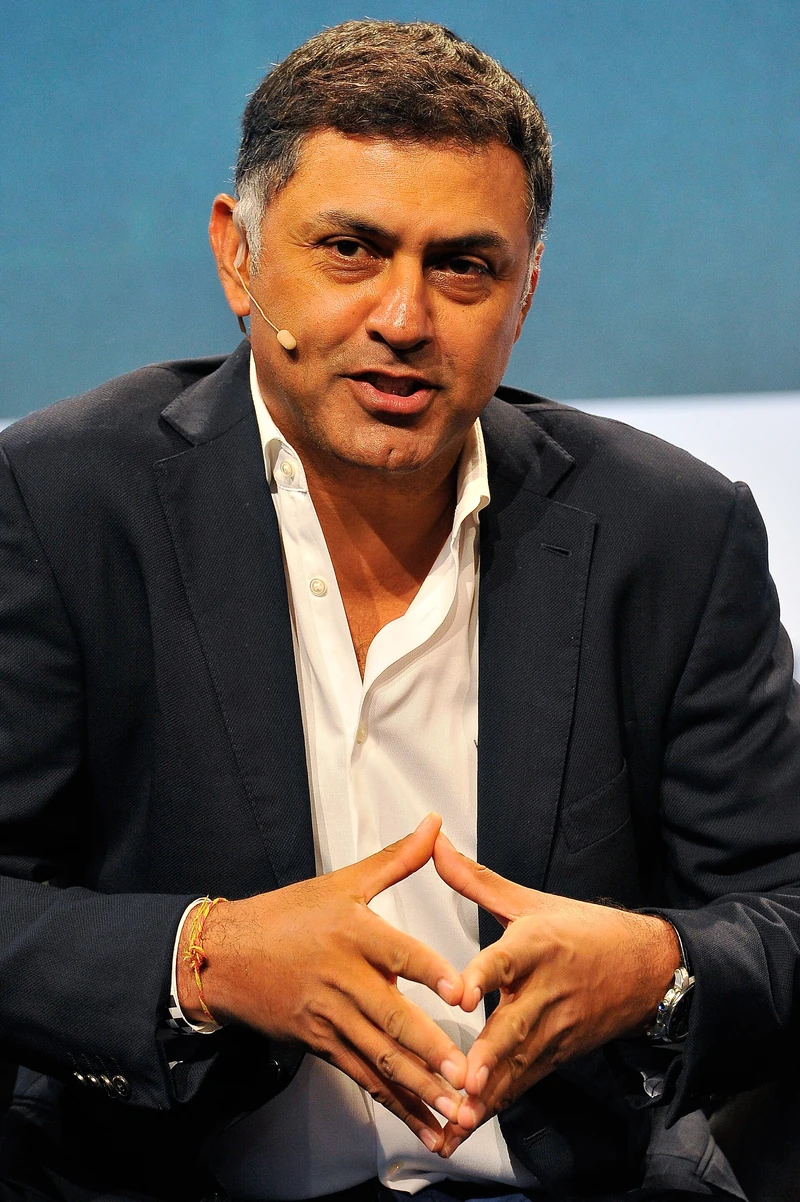
Banner photograph: Forbes profile image.