Long before a fortune appears in a ranking, a leader chooses where to concentrate attention. Hussain Sajwani made that choice around Damac Properties. The result now carries an obligation that early-stage entrepreneurship does not: the business must perform while it renews itself. Hussain Sajwani Read Dubai’s Property Rulebook Before Everyone Else is a way of asking whether the organization can keep its edge once scale, public expectations and legacy all arrive at the same time.
The record behind the public profile is unusually instructive. Hussain Sajwani is the chairman of Dubai-based luxury real estate developer Damac Properties, which he founded in 2002. He started out in the food services business, catering to the U.S. military and construction giant Bechtel.
The wealth associated with Hussain Sajwani is rooted in real estate, but that label is too narrow for the leadership story. Damac Properties sits within real estate, a field where strategic control is created through a series of linked choices rather than one transaction. The advantage has to be renewed in operations: who gets capital, which customers shape the roadmap, what remains proprietary and where the organization accepts dependence on a partner. For Hussain Sajwani, those choices now carry more weight than the origin story because the business has become part of the market infrastructure around it.
Where scale becomes strategy
Property creates the illusion of permanence, but its economics move with interest rates, planning rules and the confidence of buyers. Great developers do more than acquire land; they read where a city is going and build the infrastructure of daily life around that view. The danger is leverage combined with optimism. Leadership is visible in what does not get built, in the pace of sales and in whether a family estate can professionalize before the cycle turns.
For investors, the central question is how Hussain Sajwani prices time. Some projects at Damac Properties need years before they become defensible, while public markets compare results every quarter. That gap can support bold leadership or shelter poor discipline. The strongest signal will be a capital plan that explains not only where money is going but what advantage it is supposed to earn, how failure will be recognized and which commitments can be slowed without damaging the core.
The most consequential leadership decision may be how much of Hussain Sajwani the organization still requires. A company that depends on constant personal intervention can be formidable and fragile at once. At Damac Properties, the next phase should make judgment more distributed without making accountability vague. That means clearer ownership of outcomes, deeper operating talent and a succession process measured through actual decisions rather than titles announced at the end.
In 2001, after Dubai allowed foreigners to own property, he shifted to real estate and sold units in a residential building in less than six months. Damac teamed up with Donald Trump in 2013 to develop two Trump-branded golf courses in Dubai developments. Sajwani is known for extravagant marketing, sometimes offering free Lamborghinis to apartment buyers. He has co-branding deals with Versace and Bugatti.
What the market may be missing
The stress test is the cost of money. Higher financing costs expose optimistic land values, slow sales and projects that need perpetual refinancing. For a controlled property group, transparency and pacing become strategic advantages. The market will reward a smaller pipeline that can be completed over a grander one dependent on perfect conditions.
The better scorecard for Damac Properties starts with resilience. Can the business protect service and investment during a downturn? Can it raise standards without losing speed? Can it explain a difficult choice before the market forces disclosure? Hussain Sajwani has the advantage of time and capital, but those resources only create value when the organization uses them to learn faster. The next cycle will show whether the company has accumulated capability or only scale.
The institution also needs a sharper definition of success. Revenue, market value and expansion all matter, but each can rise while strategic control weakens. At Damac Properties, Hussain Sajwani should be asking whether the company is learning faster, reducing avoidable dependence and earning trust in the markets it wants to enter. Those measures force the organization to connect ambition with capability. They also make it harder for prestige projects to compete with investments that improve the core business every day.
Building authority beyond the home market
The Middle East is deploying capital to build new commercial centers while remaining deeply connected to energy, trade and family ownership. That combination creates speed and scrutiny. Hussain Sajwani must position Damac Properties for a region that wants global relevance and domestic capability at the same time. The winning institution will not merely import expertise or export capital; it will create operating depth, credible governance and a reason for talent to stay. From United Arab Emirates, Hussain Sajwani also has to decide how much of the operating model should travel and how much must remain shaped by the home market.
That is the next act for Hussain Sajwani. The fortune may continue to be measured through the market value attached to Damac Properties, but leadership will be measured through the quality of the institution left behind: whether it can absorb challenge, allocate capital without nostalgia and stay useful as its industry changes. The point of Hussain Sajwani Read Dubai’s Property Rulebook Before Everyone Else is not that the outcome is settled. It is that the strategic question is now visible, and the answer will be written by operating decisions rather than mythology.
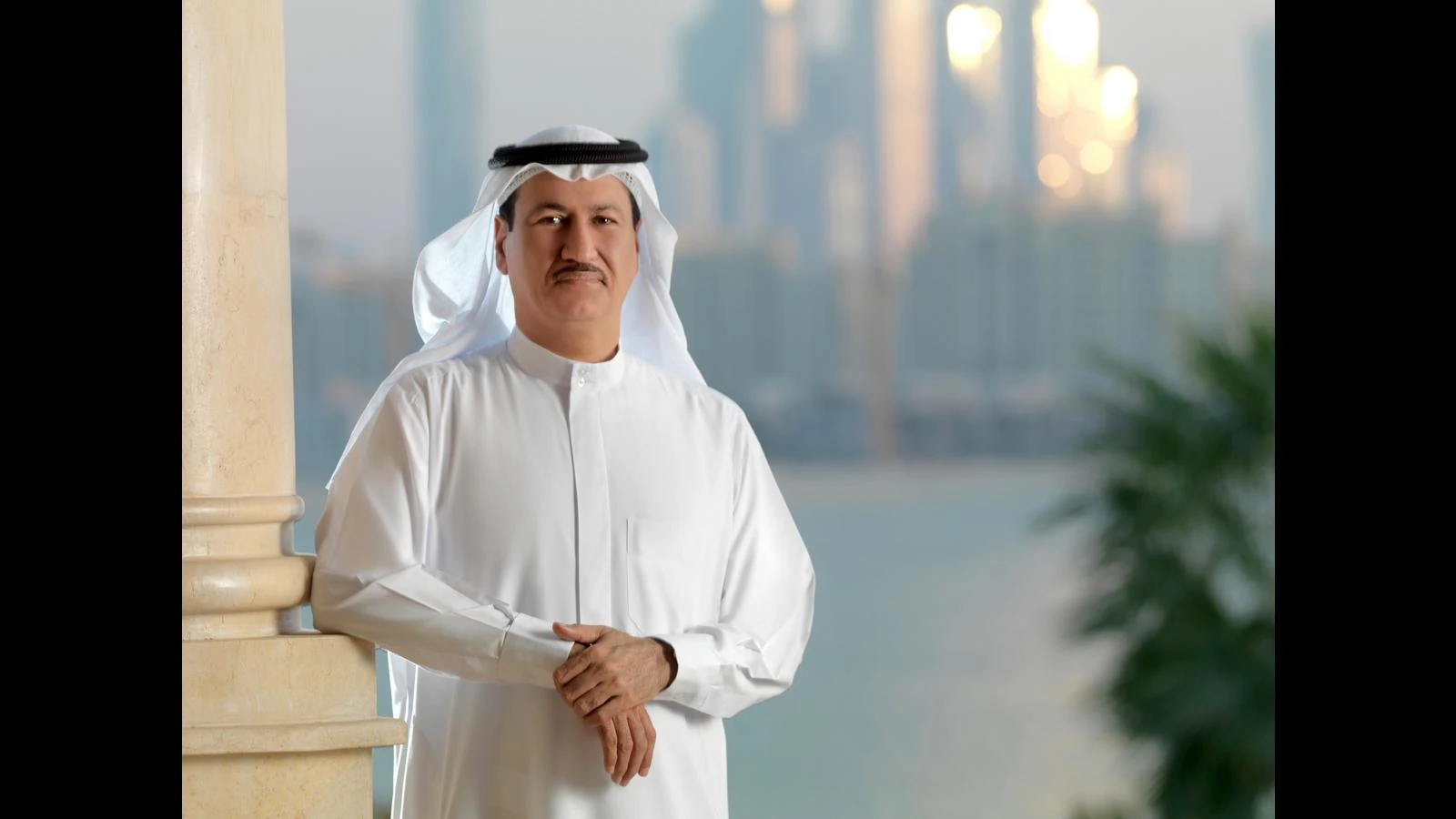
Banner photograph: Forbes profile image.