Joseph Tsai is easiest to misunderstand when the conversation begins with wealth. The more revealing story sits inside Alibaba and BSE Global, where control of an asset has become a test of judgment, timing and institutional endurance. Joseph Tsai Is Recasting Alibaba’s Deal Maker as Its Chairman is not a victory lap. It is the question now hanging over the next phase of the business, as scale brings opportunity and removes the margin for improvisation.
The operating record is more revealing than the ranking. Joseph Tsai is a cofounder of Alibaba Group and ranks as its second-largest individual shareholder after Jack Ma. He rose from vice chairman to chairman in 2023 amid rising competition for the e-commerce giant.
The wealth associated with Joseph Tsai is rooted in e-commerce, but that label is too narrow for the leadership story. Alibaba and BSE Global sits within technology, a field where strategic control is created through a series of linked choices rather than one transaction. The advantage has to be renewed in operations: who gets capital, which customers shape the roadmap, what remains proprietary and where the organization accepts dependence on a partner. For Joseph Tsai, those choices now carry more weight than the origin story because the business has become part of the market infrastructure around it.
The decision that matters next
For investors, the central question is how Joseph Tsai prices time. Some projects at Alibaba and BSE Global need years before they become defensible, while public markets compare results every quarter. That gap can support bold leadership or shelter poor discipline. The strongest signal will be a capital plan that explains not only where money is going but what advantage it is supposed to earn, how failure will be recognized and which commitments can be slowed without damaging the core.
The most consequential leadership decision may be how much of Joseph Tsai the organization still requires. A company that depends on constant personal intervention can be formidable and fragile at once. At Alibaba and BSE Global, the next phase should make judgment more distributed without making accountability vague. That means clearer ownership of outcomes, deeper operating talent and a succession process measured through actual decisions rather than titles announced at the end.
Technology fortunes can look weightless, yet their staying power depends on very physical constraints: compute, power, components, manufacturing yield, distribution and access to scarce talent. The leaders who endure are rarely selling a single product. They are deciding which layer of a technical system becomes indispensable, then spending ahead of demand to protect that position. The danger is that a platform advantage can be erased by a standards shift, an export rule or a rival willing to price at the edge of profitability.
In 2024, five years after becoming the owner of NBA team Brooklyn Nets, Tsai sold 15% of its parent company BSE Global to American billionaire Julia Koch and her family for nearly $700 million. He holds two degrees from Yale University--an undergraduate degree in economics and East Asian studies and a law degree. Taiwan-born Tsai carries a Canadian passport.
The next cycle will be less forgiving
The better scorecard for Alibaba and BSE Global starts with resilience. Can the business protect service and investment during a downturn? Can it raise standards without losing speed? Can it explain a difficult choice before the market forces disclosure? Joseph Tsai has the advantage of time and capital, but those resources only create value when the organization uses them to learn faster. The next cycle will show whether the company has accumulated capability or only scale.
The institution also needs a sharper definition of success. Revenue, market value and expansion all matter, but each can rise while strategic control weakens. At Alibaba and BSE Global, Joseph Tsai should be asking whether the company is learning faster, reducing avoidable dependence and earning trust in the markets it wants to enter. Those measures force the organization to connect ambition with capability. They also make it harder for prestige projects to compete with investments that improve the core business every day.
The immediate pressure comes from technical cycles shortening while the cost of staying at the frontier rises. Customers want lower prices and more capability; governments want security and domestic capacity. That leaves little room for a comfortable middle. The company must keep investing before returns are visible, while proving that today’s advantage is more than a temporary shortage or a fashionable product category.
The cross-border test
East Asia adds a particular strategic pressure. Dense supply chains and demanding domestic customers can accelerate learning, while trade controls and political friction can narrow the room to maneuver. Joseph Tsai has to build relationships that survive policy cycles and localize enough capability to remain trusted without fragmenting Alibaba and BSE Global into inefficient national versions. The region rewards speed, but the global opportunity belongs to companies that can translate speed into standards others choose to adopt. The diaspora dimension matters as well. With ties to Taiwan, China and citizenship in Canada, Joseph Tsai reflects how Asian commercial networks move knowledge and capital across jurisdictions without becoming detached from their origins.
That is the next act for Joseph Tsai. The fortune may continue to be measured through the market value attached to Alibaba and BSE Global, but leadership will be measured through the quality of the institution left behind: whether it can absorb challenge, allocate capital without nostalgia and stay useful as its industry changes. The point of Joseph Tsai Is Recasting Alibaba’s Deal Maker as Its Chairman is not that the outcome is settled. It is that the strategic question is now visible, and the answer will be written by operating decisions rather than mythology.
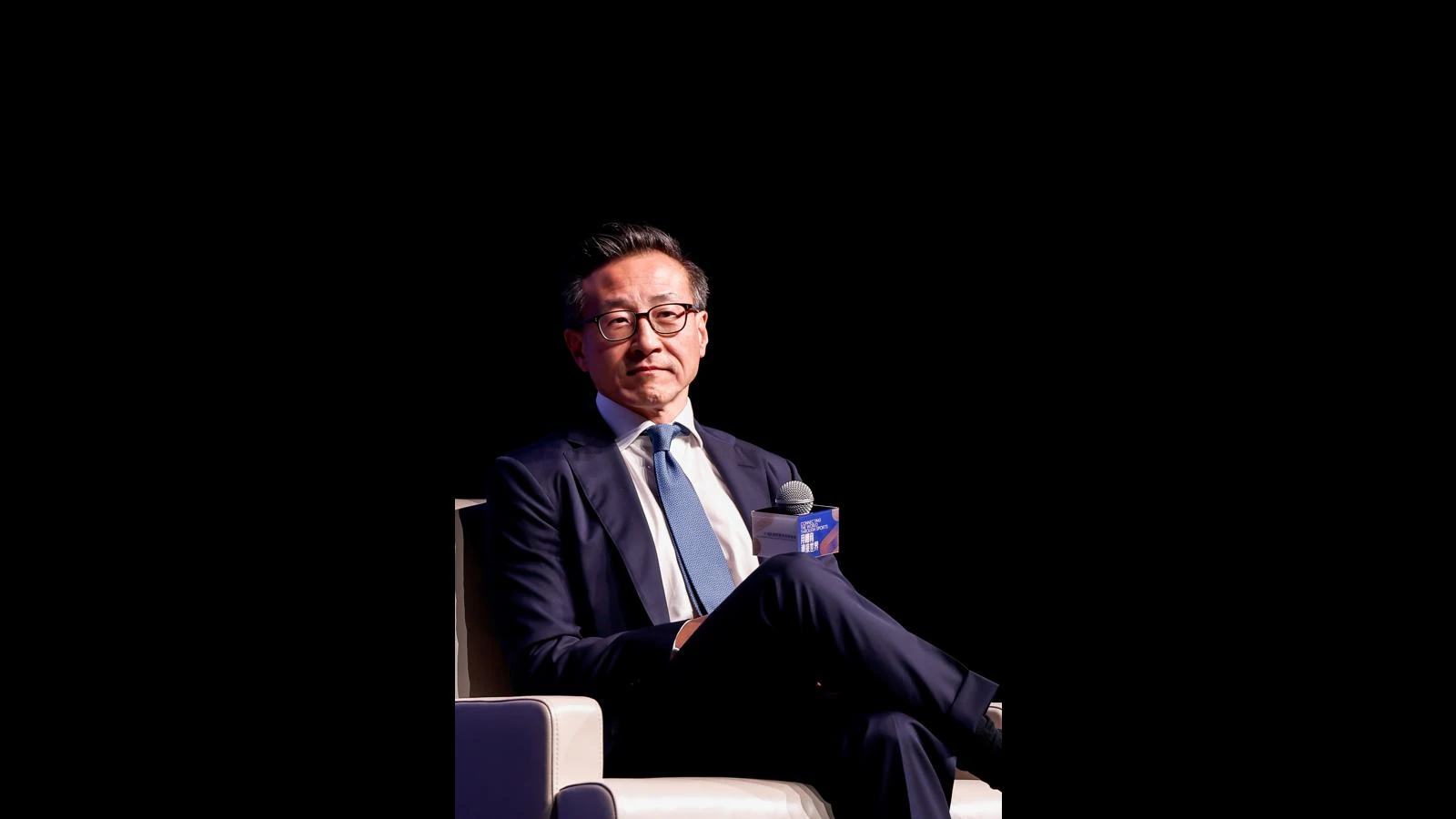
Banner photograph: Forbes profile image.