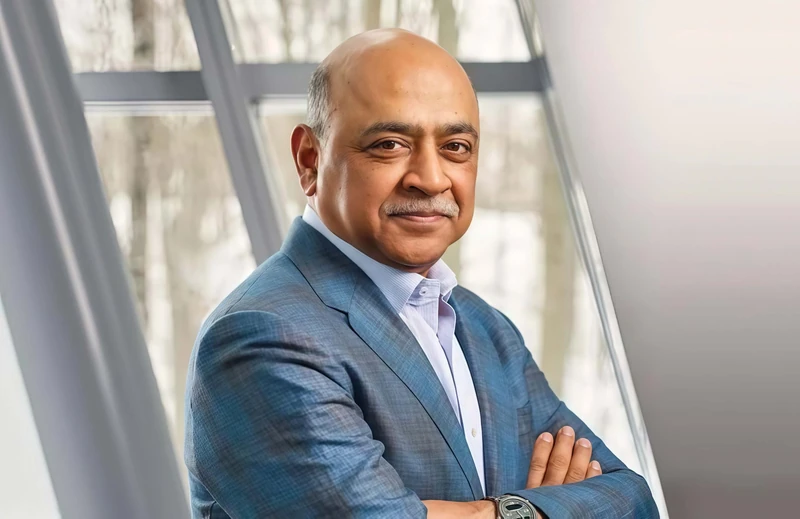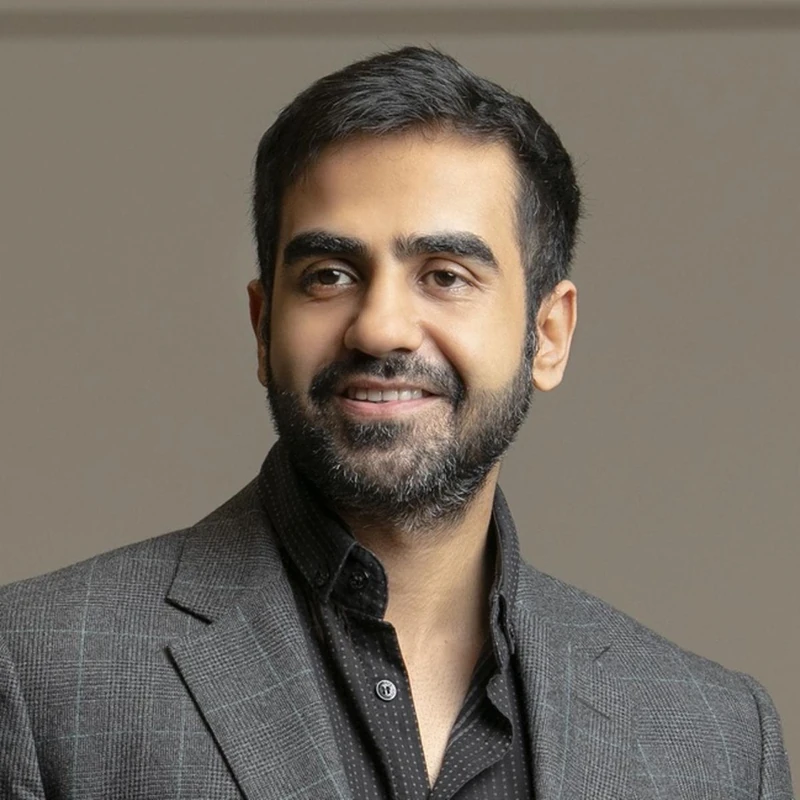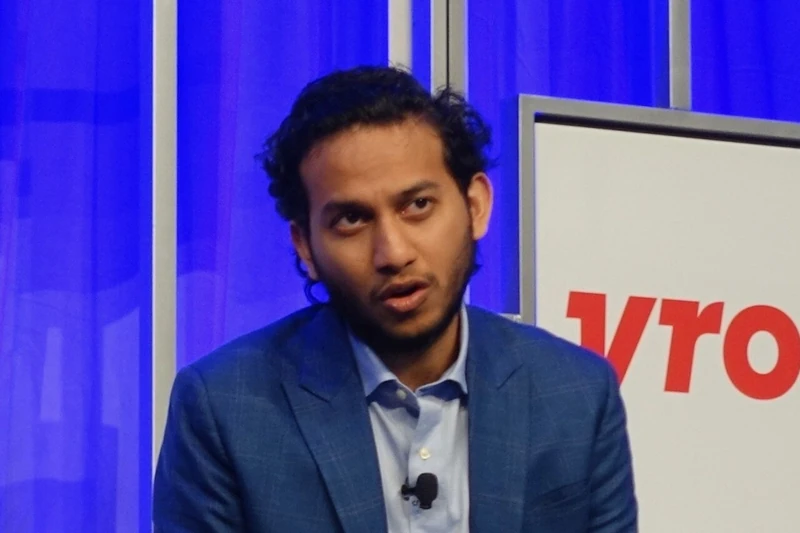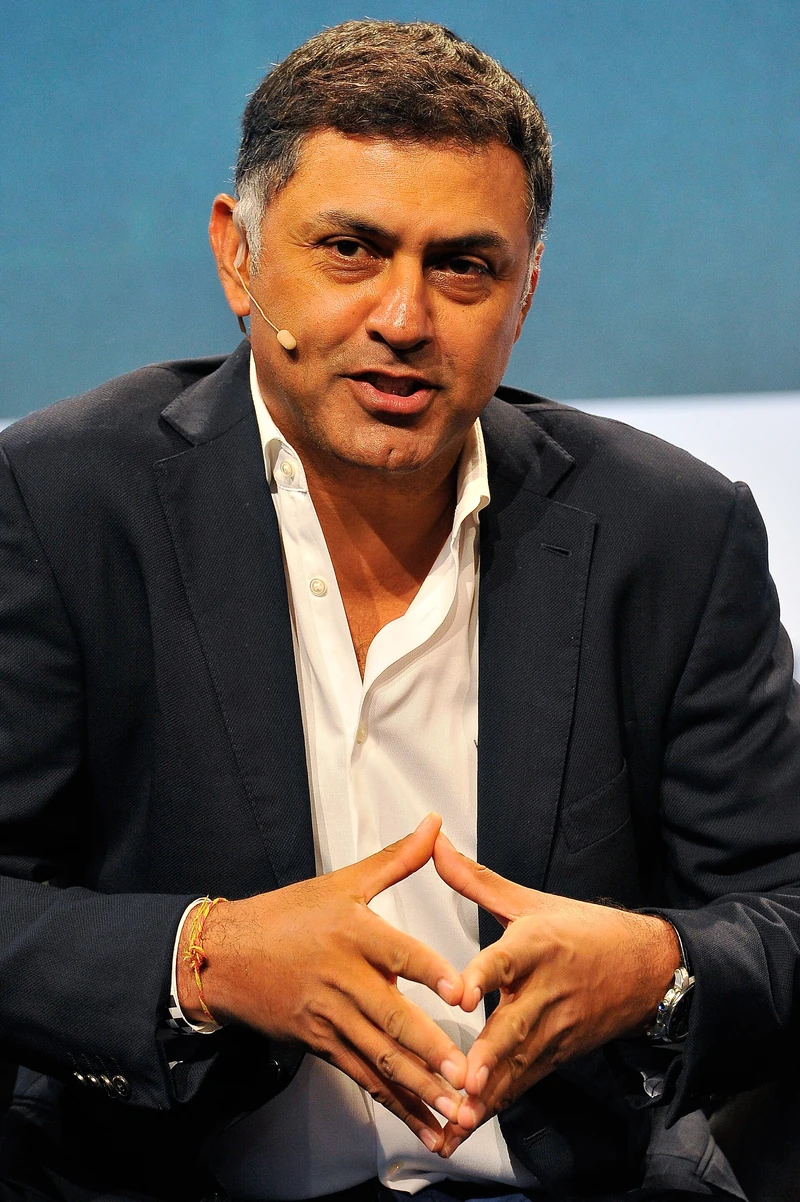
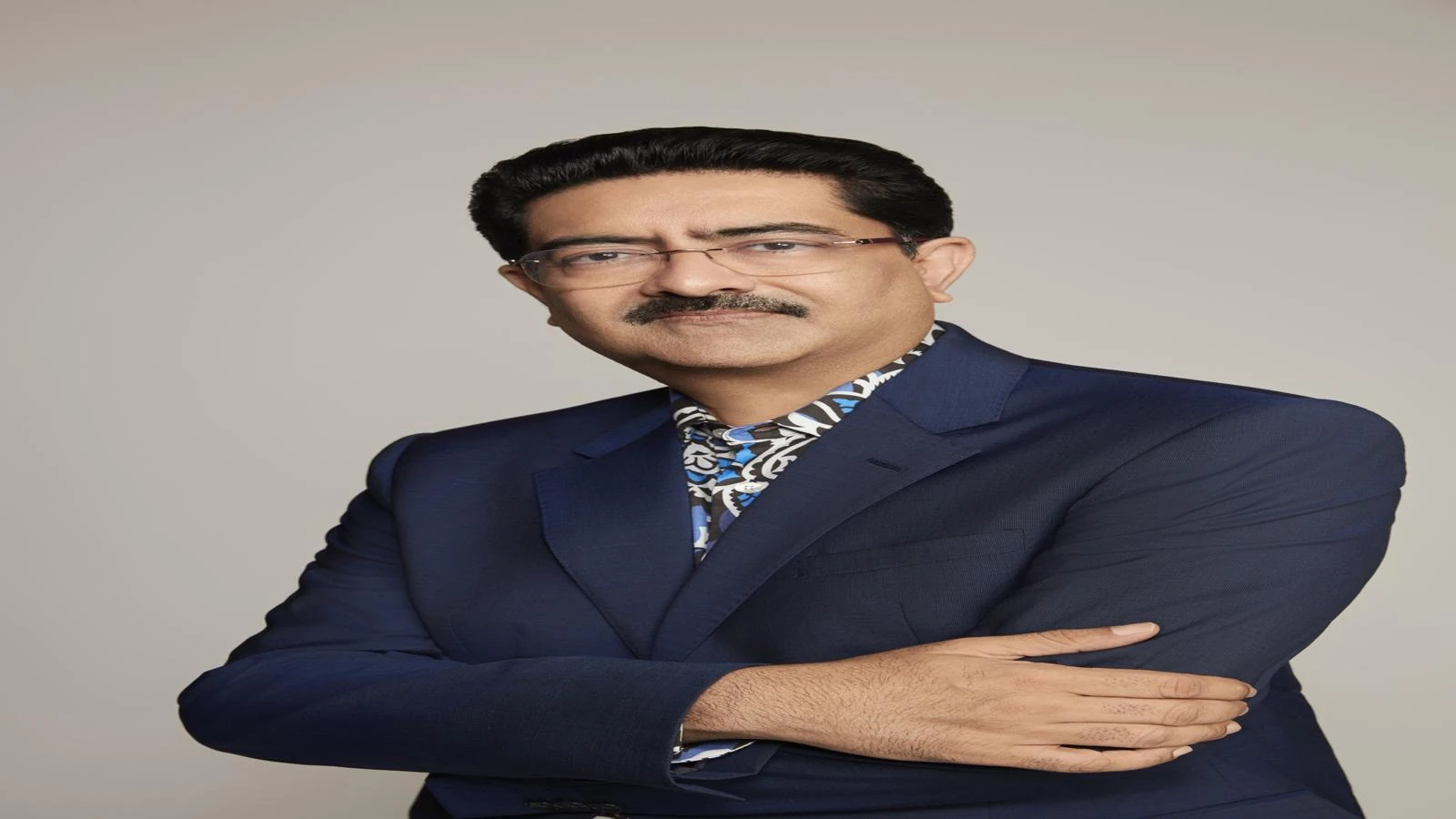
Kumar Birla built influence through Aditya Birla Group, but the most interesting part of the story begins after the breakthrough. Leadership at this scale is no longer about spotting a single opening. It is about deciding which advantage can travel, which risk must remain local and which old habit has become a liability. That is why Kumar Birla Is Pushing a Century-Old Group Into Unfamiliar Markets has become a business question rather than a biographical observation.
Several decisions explain how the position was built. Commodities king Kumar Birla is the fourth generation head of the storied, $67 billion (revenue) Aditya Birla Group. Nearly half is generated outside India, where it has a presence in 40 countries. The group's interests span cement, textiles and aluminium to telecom, financial services and paints. It has recently entered new sectors such as branded jewellery and hospitality.
The wealth associated with Kumar Birla is rooted in diversified, but that label is too narrow for the leadership story. Aditya Birla Group sits within diversified, a field where strategic control is created through a series of linked choices rather than one transaction. The advantage has to be renewed in operations: who gets capital, which customers shape the roadmap, what remains proprietary and where the organization accepts dependence on a partner. For Kumar Birla, those choices now carry more weight than the origin story because the business has become part of the market infrastructure around it.
The business behind the fortune
Conglomerates are often dismissed as collections of unrelated assets. In Asia, the best of them work more like private capital markets, moving cash, managerial attention and political patience between businesses whose cycles do not line up. The model creates resilience, but it can also conceal weak returns and blur accountability. Leadership is therefore an exercise in deciding what still belongs together, which businesses deserve another decade of capital and where family control must yield to professional management.
The succession question is broader than naming a successor. It is about what must remain stable when leadership changes and what should finally be allowed to change. Aditya Birla Group needs a clear account of decision rights, incentives and the role of family or founder capital. Kumar Birla can shape that architecture while authority is strong. Waiting until transition is unavoidable would turn a strategic choice into a market event, with employees and partners forced to interpret every signal.
The story of Aditya Birla Group can be read through a sequence of concentrated bets. That history encourages confidence, but it can also make caution look like timidity. Kumar Birla faces a more demanding test now: to fund reinvention without forcing every part of the organization to move at the same speed. Capital should follow learning, not reputation. The businesses that can prove customer pull deserve acceleration; the rest should not be protected by the prestige of the group.
Birla, who is a chartered accountant and graduated from London Business School, inherited the family empire at age 28 when his father Aditya Birla died in 1995. In 2021, he stepped down as chairman of debt-strapped telecom firm Vodafone Idea, formed by the 2018 merger between his Idea Cellular and Vodafone India. In 2023, his daughter Ananya and son Aryaman joined the boards of Grasim and Aditya Birla Fashion and Retail.
The discipline behind the next bet
The pressure comes from the same force that created the fortune: scale. A larger system has more purchasing power and political relevance, but it also has more points of failure and more stakeholders able to demand an answer. The next phase will be judged less by expansion announcements than by returns, governance and the ability to absorb a bad year without abandoning the long view.
Operational discipline becomes most valuable when conditions are favorable, because that is when weak commitments are easiest to hide. Kumar Birla can use the current position of Aditya Birla Group to simplify reporting lines, retire marginal projects and strengthen the parts of the network customers cannot see. None of that will produce the loudest announcement. It will, however, determine how quickly the organization can respond when supply, regulation or demand moves in a direction the annual plan did not anticipate.
Investors should resist turning Kumar Birla into a symbol. Symbols are easy to admire or attack; businesses require comparison. The relevant questions for Aditya Birla Group are concrete. Is return on new capital holding up? Is growth creating cash or consuming it? Are adjacent businesses strengthening the core or borrowing its reputation? The answers will matter more than a single market move because they show whether leadership is converting influence into an operating advantage competitors cannot purchase quickly.
The home-market advantage has limits
South Asia offers scale before it offers simplicity. Demand is expanding, infrastructure is uneven and price sensitivity forces companies to innovate around cost as carefully as product. Kumar Birla can use the home market as a proving ground for Aditya Birla Group, but international authority will depend on governance, quality and a willingness to compete without relying on domestic familiarity. The strongest regional champions become global when their operating discipline travels as well as their ambition. From India, Kumar Birla also has to decide how much of the operating model should travel and how much must remain shaped by the home market.
That is the next act for Kumar Birla. The fortune may continue to be measured through the market value attached to Aditya Birla Group, but leadership will be measured through the quality of the institution left behind: whether it can absorb challenge, allocate capital without nostalgia and stay useful as its industry changes. The point of Kumar Birla Is Pushing a Century-Old Group Into Unfamiliar Markets is not that the outcome is settled. It is that the strategic question is now visible, and the answer will be written by operating decisions rather than mythology.
Banner photograph: Forbes profile image.