Biokin Pharmaceutical has made Zhu Yi one of the defining business figures in the Asia Wealth 100. The ranking captures financial consequence; it does not explain what keeps the machine running. For that, the sharper lens is Zhu Yi Turned a Chinese Drug Pipeline Into a Global Licensing Story. The story is about a leader whose decisions now affect an ecosystem and whose greatest competitive advantage may be the discipline to protect it.
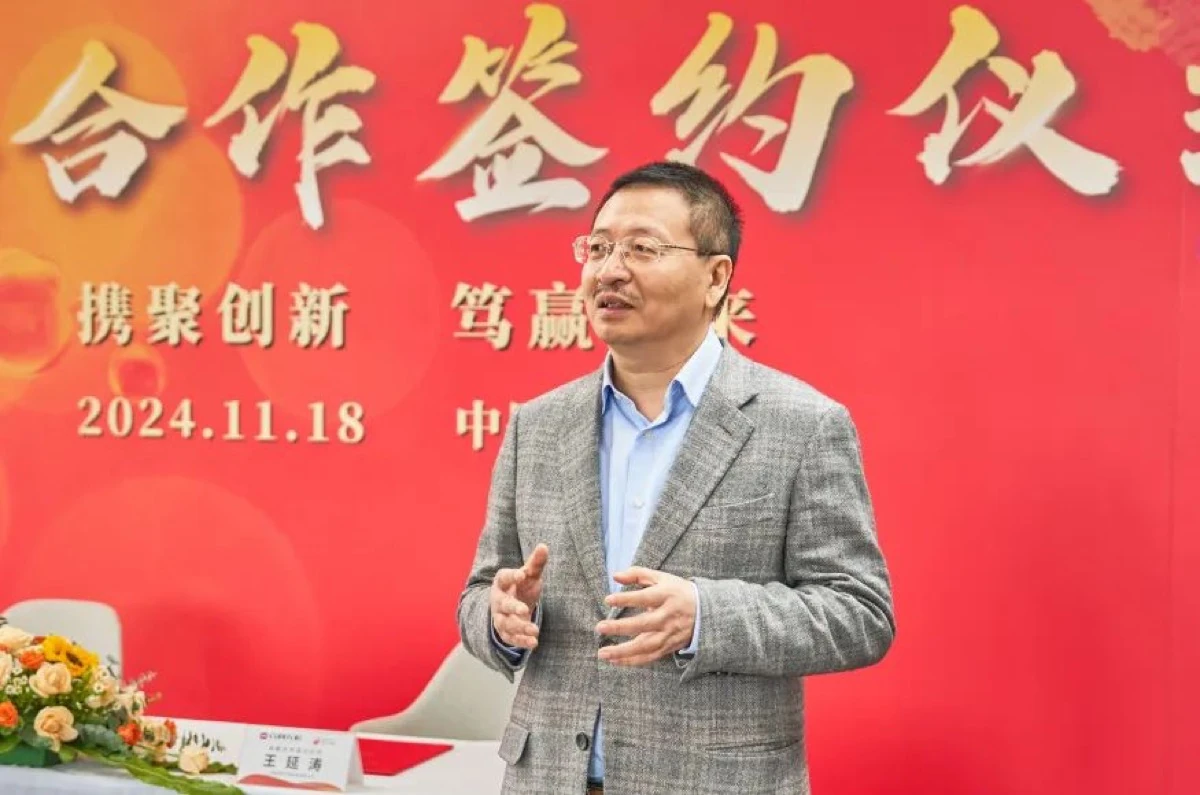
The turning points are concrete rather than mythic. Zhu Yi is the chairman of Biokin Pharmaceutical, a developer of drugs including anesthesia injections, cancer drugs as well as traditional Chinese medicine treatments. The company went public in Shanghai in 2023, raising $136 million; it has been seeking a Hong Kong IPO since 2024.
The wealth associated with Zhu Yi is rooted in pharmaceuticals, but that label is too narrow for the leadership story. Biokin Pharmaceutical sits within healthcare, a field where strategic control is created through a series of linked choices rather than one transaction. The advantage has to be renewed in operations: who gets capital, which customers shape the roadmap, what remains proprietary and where the organization accepts dependence on a partner. For Zhu Yi, those choices now carry more weight than the origin story because the business has become part of the market infrastructure around it.
The decision that matters next
Healthcare rewards scientific patience and punishes shortcuts. A successful product can fund years of research, but pricing, regulation and clinical evidence determine whether innovation becomes a durable franchise. Leaders must allocate capital across uncertain pipelines while protecting manufacturing quality and public trust. International expansion adds another layer: the product may travel, yet approval pathways and reimbursement systems do not. The institution must be credible long before the next breakthrough arrives.
The most consequential leadership decision may be how much of Zhu Yi the organization still requires. A company that depends on constant personal intervention can be formidable and fragile at once. At Biokin Pharmaceutical, the next phase should make judgment more distributed without making accountability vague. That means clearer ownership of outcomes, deeper operating talent and a succession process measured through actual decisions rather than titles announced at the end.
For investors, the central question is how Zhu Yi prices time. Some projects at Biokin Pharmaceutical need years before they become defensible, while public markets compare results every quarter. That gap can support bold leadership or shelter poor discipline. The strongest signal will be a capital plan that explains not only where money is going but what advantage it is supposed to earn, how failure will be recognized and which commitments can be slowed without damaging the core.
Biokin's U.S. subsidiary SystImmune signed in 2023 an $8.4 billion deal with Bristol Myers Squibb to jointly develop and commercialize a potential cancer treatment worldwide. Zhu taught immunology and microbiology at West China University of Medical Sciences before striking out on his own.
The next cycle will be less forgiving
The risk lies in the gap between promise and proof. Pipelines fail, approvals take longer than expected and a manufacturing problem can damage years of trust. Leadership must be willing to stop weak programs, fund evidence and build quality systems that operate independently of commercial enthusiasm. That discipline is what turns a portfolio of products into a healthcare institution.
The institution also needs a sharper definition of success. Revenue, market value and expansion all matter, but each can rise while strategic control weakens. At Biokin Pharmaceutical, Zhu Yi should be asking whether the company is learning faster, reducing avoidable dependence and earning trust in the markets it wants to enter. Those measures force the organization to connect ambition with capability. They also make it harder for prestige projects to compete with investments that improve the core business every day.
The better scorecard for Biokin Pharmaceutical starts with resilience. Can the business protect service and investment during a downturn? Can it raise standards without losing speed? Can it explain a difficult choice before the market forces disclosure? Zhu Yi has the advantage of time and capital, but those resources only create value when the organization uses them to learn faster. The next cycle will show whether the company has accumulated capability or only scale.
The cross-border test
East Asia adds a particular strategic pressure. Dense supply chains and demanding domestic customers can accelerate learning, while trade controls and political friction can narrow the room to maneuver. Zhu Yi has to build relationships that survive policy cycles and localize enough capability to remain trusted without fragmenting Biokin Pharmaceutical into inefficient national versions. The region rewards speed, but the global opportunity belongs to companies that can translate speed into standards others choose to adopt. From China, Zhu Yi also has to decide how much of the operating model should travel and how much must remain shaped by the home market.
That is the next act for Zhu Yi. The fortune may continue to be measured through the market value attached to Biokin Pharmaceutical, but leadership will be measured through the quality of the institution left behind: whether it can absorb challenge, allocate capital without nostalgia and stay useful as its industry changes. The point of Zhu Yi Turned a Chinese Drug Pipeline Into a Global Licensing Story is not that the outcome is settled. It is that the strategic question is now visible, and the answer will be written by operating decisions rather than mythology.
Banner photograph: MediumBank.