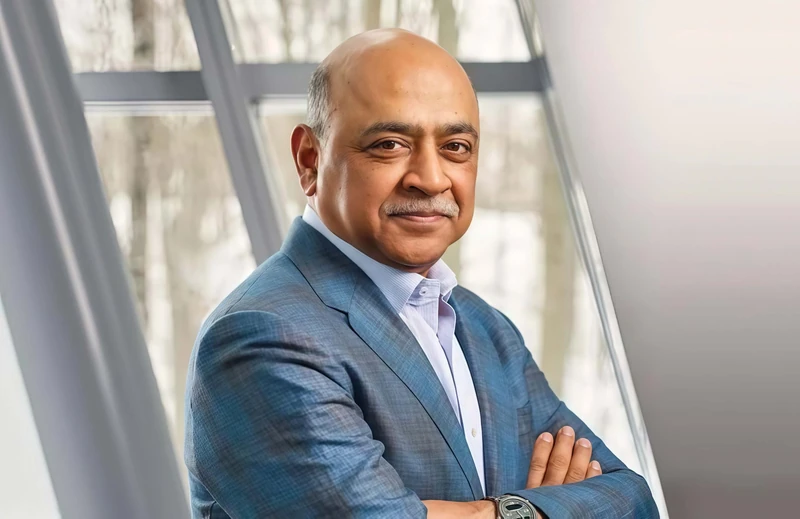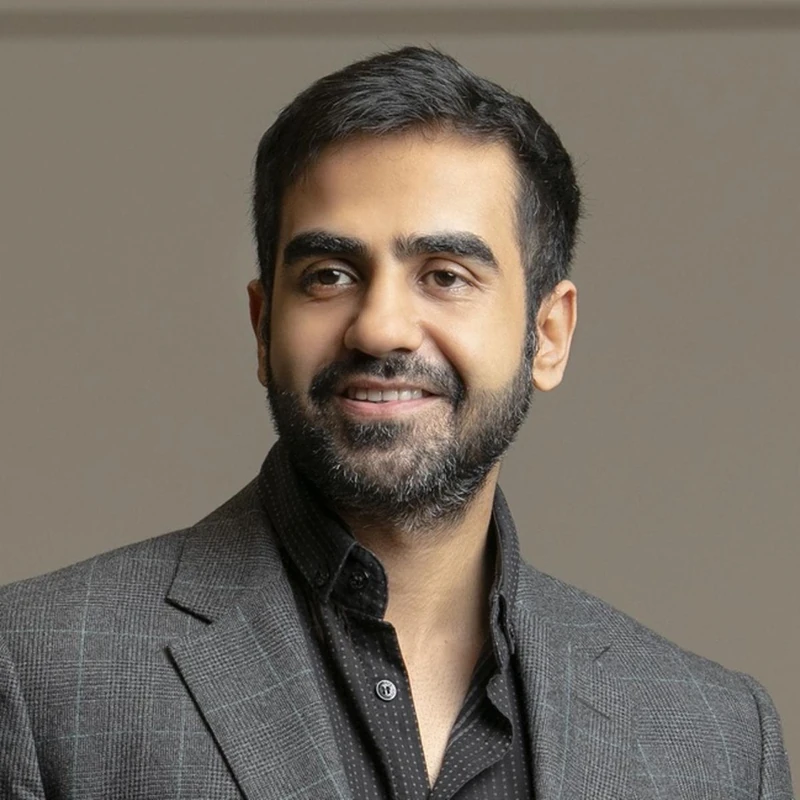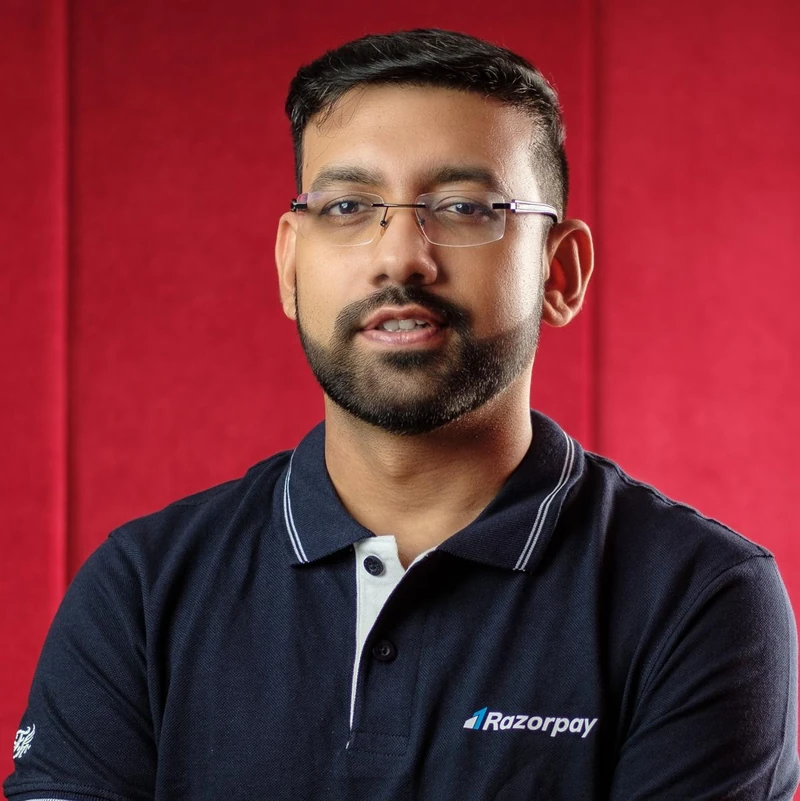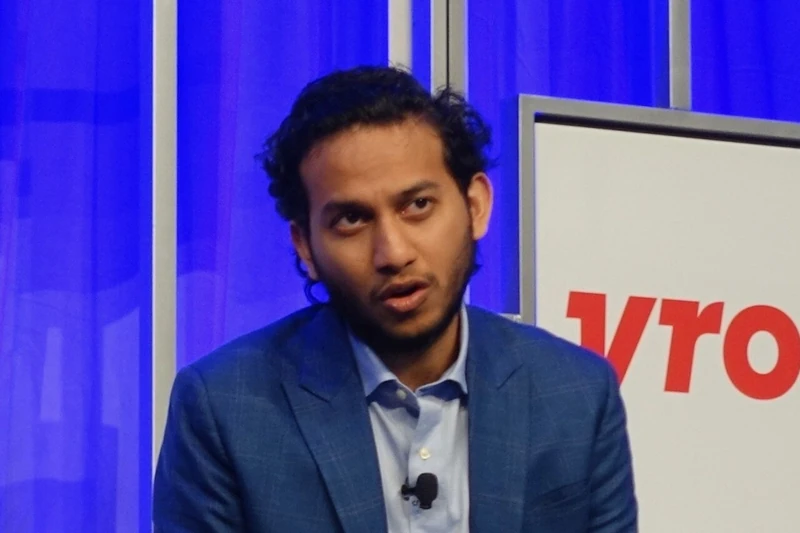
The most consequential decision at Kotak Mahindra Bank is unlikely to arrive with the drama of a takeover or a product launch. It will appear in the allocation of money, engineering attention and management time between a business that already works and one that must work next. That is the terrain Ashok Vaswani occupies. In banking, incumbency offers scale, but it also makes every change expensive. The 2025 record matters because Kotak Mahindra Bank has to grow deposits, credit and fee businesses without weakening underwriting or customer confidence without losing the operating advantage that made the company important in the first place.
A dashboard can make a business look controlled while the decisive relationship remains unmeasured. At Kotak Mahindra Bank, volume can rise while customer quality deteriorates; margin can improve while investment needed for the next cycle is deferred. Ashok Vaswani needs a small set of measures that connect customer behavior, operating quality and capital return without pretending that one number can settle the argument. Those measures should be stable enough to reveal a trend and specific enough to trigger action. They should also make gaming visible. The objective is not to remove judgment. It is to give judgment a common evidentiary base, so that a strong narrative cannot outrun what the institution is actually learning.
What put Ashok Vaswani in FigureAsia's 2025 leadership portfolio was consequence rather than visibility. At Kotak Mahindra Bank, the year was defined by leadership renewal, retail banking, wealth management, credit discipline, and digital financial services. Those priorities connect growth to institutional capacity: the company had to make several systems work at once, not win one isolated contest. They also show how a managing director and chief executive officer can use an established position to alter the choices available to customers, competitors and the wider India economy. The scale of the platform raises the standard. When Kotak Mahindra Bank moves, suppliers invest, rivals answer and policymakers pay attention.
Beyond the biography
Technical ambition is useful; technical absorption is decisive. Kotak Mahindra Bank already possesses people, systems and customers; the challenge is to connect a new capability to those assets without adding another layer of complexity. For Ashok Vaswani, the future-facing objective is to become more useful in a customer's financial life without turning data access into an excuse for careless lending. That requires technical talent, but also product managers, procurement teams and financial controls able to distinguish a platform from a demonstration. The 2025 technology cycle rewarded announcements. Durable leadership will be judged later, when the organization has to show that a new tool improved cost, speed, quality or customer value enough to survive the end of the fashion cycle.
Contingency plans matter, but recovery depends on decisions made before the contingency is named. For Kotak Mahindra Bank, a company that protects every existing priority during a shock has not prioritized at all. Ashok Vaswani's job is to define which services, customers and controls cannot be compromised, then give teams room to redesign everything else around them. That principle turns resilience from a warehouse of emergency procedures into a way of allocating attention under pressure. The evidence arrives after the event: not only in how quickly operations resume, but in whether the company learns enough to avoid rebuilding the exact vulnerability that failed.
Every strategic option competes for the same scarce managerial and financial capacity. At Kotak Mahindra Bank, the central exposure is a leveraged balance sheet where small errors in judgment can compound faster than revenue. Ashok Vaswani must decide how much uncertainty the existing cash engine can responsibly carry and how quickly a new business should be asked to prove itself. Too little investment can surrender a market; too much can lock the company into assumptions that were only briefly true. The strongest capital discipline is not a refusal to take risk. It is a clear account of what must happen for the risk to earn another round of money—and a willingness to stop when the evidence no longer supports the original case.
The formal description understates the job. As Managing Director and Chief Executive Officer of Kotak Mahindra Bank Limited, Ashok Vaswani sits above a business whose advantage comes from a low-cost funding base, regulatory credibility, transaction data and relationships built over economic cycles. At Kotak Mahindra Bank, that asset has to be renewed through ordinary operations; it cannot be protected by reputation alone. A missed delivery, a weak control or a poorly timed investment can travel through the system before senior management sees it in a consolidated number. The real work of leadership is therefore architectural. Ashok Vaswani must set incentives and thresholds that allow thousands of decisions to point in roughly the same direction without waiting for the center to approve each one.
The economics underneath the strategy
One year cannot settle a long-term case, but it can expose its quality. The decisions visible in 2025, and their consequences in 2026, placed Ashok Vaswani at the intersection of leadership renewal, retail banking, wealth management, credit discipline, and digital financial services. Some of those forces are cyclical; others change the structure of Kotak Mahindra Bank's market. The leadership task is to distinguish them. Cutting investment in a temporary downturn can damage the next upturn, while defending a structurally weakened business can consume years of attention. FigureAsia reads the period as evidence of judgment under mixed signals. The point is not to declare every decision correct before its outcome is known, but to ask whether the company has defined the assumptions and milestones clearly enough to learn before capital and credibility are exhausted.
New products create attention; coherent products create an institution. At Kotak Mahindra Bank, it is whether the customer understands why the new offer belongs beside the old one. Ashok Vaswani has to protect teams from two opposite mistakes: extending a successful franchise until it loses meaning, and abandoning a useful core because a newer category appears more exciting. The answer is a portfolio with explicit jobs. Some products earn cash, some win entry to a customer, some create technical learning and some should disappear. Clarity about those jobs makes innovation more credible, because the organization can evaluate a launch by the purpose it was funded to serve rather than by publicity alone.
A supplier network records years of choices that a balance sheet cannot fully describe. Kotak Mahindra Bank depends on partners whose decisions shape cost, quality and speed before Ashok Vaswani's own teams can act. A contract secures volume; it does not create the candor required when a launch date or specification is in danger. The leadership choice is therefore about visibility as much as bargaining power. Ashok Vaswani needs operating teams that can distinguish a temporary delay from evidence that the network itself must be redesigned. This is how scale becomes useful rather than brittle: information travels before the shortage does.
Strategy travels through people before it travels through markets. At Kotak Mahindra Bank, specialists must make decisions with consequences too technical and too immediate to be escalated every time. Ashok Vaswani therefore has to build a common language for risk, customer value and capital—not a culture of identical opinions. The strongest teams can challenge a cherished project while remaining committed to the enterprise. They also develop successors whose credibility comes from operating results rather than proximity to power. For a company of this scale, that depth is not a human-resources virtue. It is continuity insurance, and it determines whether the organization can pursue a long strategy without becoming dependent on one personality.
Where the model can break
The formal controls tell only part of the governance story. At Kotak Mahindra Bank, the goal is not consensus; it is a decision process in which dissent is heard before accountability is assigned. That is particularly important around capital commitments, succession and any transaction that changes the institution faster than its controls can adapt. Ashok Vaswani benefits from a board that can separate a temporary setback from a damaged thesis, and from directors willing to say which evidence would change their support. The public tends to encounter governance after something has failed. Its real value is preventive: it improves the probability that ambition is examined by people who share responsibility for the outcome but not the same incentives.
International expansion tests whether an advantage is truly portable. For Kotak Mahindra Bank, currency, regulation and political scrutiny can change the return even when the operating business performs well. Ashok Vaswani is carrying a company shaped in South Asia into markets with different customers, regulators and expectations about corporate conduct. The useful question is not whether the brand can appear in more places. It is whether the operating model can absorb local knowledge without losing the discipline that created the original advantage. Successful expansion makes the whole organization more intelligent. Unsuccessful expansion merely makes the reporting structure wider.
By 2026, the strategic question becomes operational. Can Kotak Mahindra Bank become more useful in a customer's financial life without turning data access into an excuse for careless lending while improving pricing risk, managing liquidity, resolving service failures and integrating digital speed with institutional controls? That pairing matters. A future business that weakens today's service, margin or balance sheet will eventually lose the internal support required to scale. Ashok Vaswani needs proof at several levels: a customer willing to pay, an operating team able to repeat the result and a capital plan that does not depend on permanently generous markets. If those pieces align, the company will have turned transition into capability. If they do not, the strategy may remain impressive in presentation form while the institution quietly returns to what it already knows.
What durable leadership would look like
Strategic partners are most valuable where control would be expensive and isolation would be slow. For Kotak Mahindra Bank, the apparent fit can unravel when the partners disagree about customer ownership or the next round of capital. Ashok Vaswani has to decide which advantage should remain proprietary and where openness expands the market more than exclusivity protects it. That calculation changes across borders and technologies, but the governance principle is stable: responsibilities must be clear at the moment incentives diverge. A successful partnership leaves Kotak Mahindra Bank better able to serve the customer after the agreement ends. A weak one creates growth that cannot be explained without the partner continuing to absorb the difficult part.
There is no final form for a company operating at Kotak Mahindra Bank's scale. Markets change, technologies mature and advantages that once looked structural become merely expensive. Ashok Vaswani's task is to preserve the institution's capacity to choose again. That means protecting cash and trust, but also refusing to let either become an excuse for inertia. The strongest reading of the 2025–2026 period is therefore provisional and practical: leadership is visible in the quality of the options Kotak Mahindra Bank is creating before circumstances remove the option to wait.