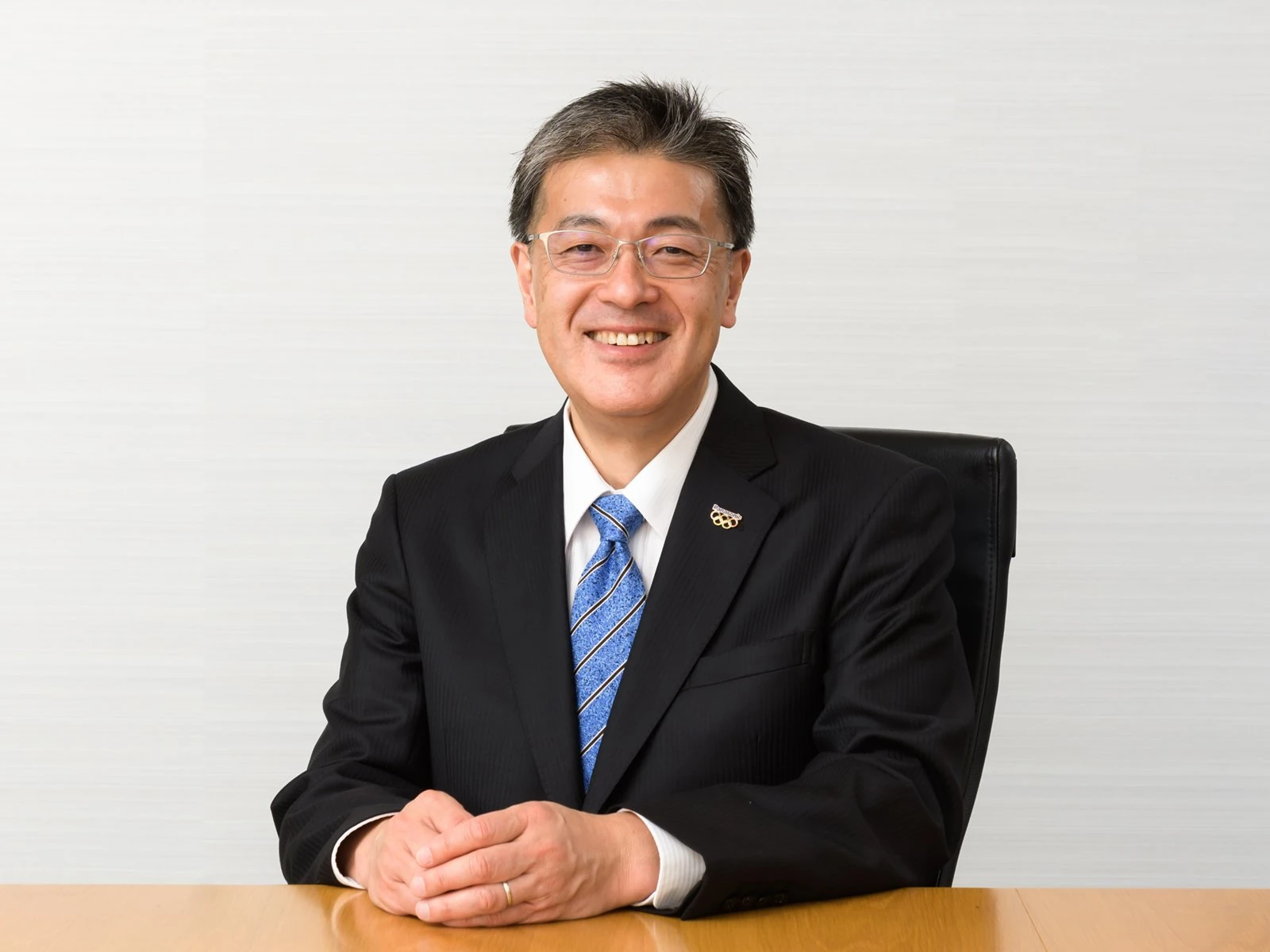
At Panasonic, strategy becomes real long before it becomes visible. It sits in a capacity plan, a hiring decision, a product that is cancelled, or a customer problem that the organization decides to solve permanently. Yuki Kusumi leads at that less theatrical level. The company entered 2025 with assets competitors could not quickly reproduce, but also with expectations that left little room for a merely respectable year. The central question was whether those advantages could become a faster, clearer operating system.
Market leadership can hide the segment where the next fight begins. A specialist may target the most profitable product, a digital entrant may remove one source of friction, or a lower-cost producer may reset the acceptable price. Panasonic's defense is the combined value of plants, engineering capability, procurement networks and knowledge of how equipment behaves under real load, but that combination works only when the parts cooperate. Yuki Kusumi cannot assume that leadership in Japan will transfer automatically to the next category or geography. The company has to earn adjacency one customer at a time. That makes competitive intelligence an operating practice: observing where customers tolerate inconvenience today, because that is where a focused rival will begin tomorrow.
The ranking case is specific. At Panasonic, the year was defined by battery exposure, industrial systems, consumer electronics, housing technology, and portfolio discipline. Those priorities connect growth to institutional capacity: the company had to make several systems work at once, not win one isolated contest. They also show how a group chief executive officer can use an established position to alter the choices available to customers, competitors and the wider Japan economy. The scale of the platform raises the standard. When Panasonic moves, suppliers invest, rivals answer and policymakers pay attention.
Beyond the biography
Governance matters most before anyone calls the decision a crisis. At Panasonic, a committee can approve risk limits, but culture decides whether managers disclose the exposure that sits just outside them. That is particularly important around capital commitments, succession and any transaction that changes the institution faster than its controls can adapt. Yuki Kusumi benefits from a board that can separate a temporary setback from a damaged thesis, and from directors willing to say which evidence would change their support. The public tends to encounter governance after something has failed. Its real value is preventive: it improves the probability that ambition is examined by people who share responsibility for the outcome but not the same incentives.
Partnership is often the fastest way to admit that no company owns the whole solution. For Panasonic, speed at signing means little if teams cannot exchange data, resolve defects and make decisions after the executives leave the room. Yuki Kusumi has to decide which advantage should remain proprietary and where openness expands the market more than exclusivity protects it. That calculation changes across borders and technologies, but the governance principle is stable: responsibilities must be clear at the moment incentives diverge. A successful partnership leaves Panasonic better able to serve the customer after the agreement ends. A weak one creates growth that cannot be explained without the partner continuing to absorb the difficult part.
Strategy travels through people before it travels through markets. At Panasonic, specialists must make decisions with consequences too technical and too immediate to be escalated every time. Yuki Kusumi therefore has to build a common language for risk, customer value and capital—not a culture of identical opinions. The strongest teams can challenge a cherished project while remaining committed to the enterprise. They also develop successors whose credibility comes from operating results rather than proximity to power. For a company of this scale, that depth is not a human-resources virtue. It is continuity insurance, and it determines whether the organization can pursue a long strategy without becoming dependent on one personality.
Growth is easy to endorse until the organization must choose which version to fund. At Panasonic, the central exposure is long-lived assets that look least attractive near the bottom of a cycle, when the best projects are often conceived. Yuki Kusumi must decide how much uncertainty the existing cash engine can responsibly carry and how quickly a new business should be asked to prove itself. Too little investment can surrender a market; too much can lock the company into assumptions that were only briefly true. The strongest capital discipline is not a refusal to take risk. It is a clear account of what must happen for the risk to earn another round of money—and a willingness to stop when the evidence no longer supports the original case.
The economics underneath the strategy
A supplier network records years of choices that a balance sheet cannot fully describe. Panasonic depends on partners whose decisions shape cost, quality and speed before Yuki Kusumi's own teams can act. A contract secures volume; it does not create the candor required when a launch date or specification is in danger. The leadership choice is therefore about visibility as much as bargaining power. Yuki Kusumi needs operating teams that can distinguish a temporary delay from evidence that the network itself must be redesigned. This is how scale becomes useful rather than brittle: information travels before the shortage does.
Annual performance can flatter or punish choices made much earlier. The decisions visible in 2025, and their consequences in 2026, placed Yuki Kusumi at the intersection of battery exposure, industrial systems, consumer electronics, housing technology, and portfolio discipline. Some of those forces are cyclical; others change the structure of Panasonic's market. The leadership task is to distinguish them. Cutting investment in a temporary downturn can damage the next upturn, while defending a structurally weakened business can consume years of attention. FigureAsia reads the period as evidence of judgment under mixed signals. The point is not to declare every decision correct before its outcome is known, but to ask whether the company has defined the assumptions and milestones clearly enough to learn before capital and credibility are exhausted.
Corporate organization charts conceal more than they reveal. As Group Chief Executive Officer of Panasonic Holdings Corporation, Yuki Kusumi sits above a business whose advantage comes from plants, engineering capability, procurement networks and knowledge of how equipment behaves under real load. At Panasonic, that asset has to be renewed through ordinary operations; it cannot be protected by reputation alone. A missed delivery, a weak control or a poorly timed investment can travel through the system before senior management sees it in a consolidated number. The real work of leadership is therefore architectural. Yuki Kusumi must set incentives and thresholds that allow thousands of decisions to point in roughly the same direction without waiting for the center to approve each one.
The next technology matters only when it changes an operating equation. Panasonic already possesses people, systems and customers; the challenge is to connect a new capability to those assets without adding another layer of complexity. For Yuki Kusumi, the future-facing objective is to modernize a heavy industrial base without losing the operating rigor that made it competitive. That requires technical talent, but also product managers, procurement teams and financial controls able to distinguish a platform from a demonstration. The 2025 technology cycle rewarded announcements. Durable leadership will be judged later, when the organization has to show that a new tool improved cost, speed, quality or customer value enough to survive the end of the fashion cycle.
Where the model can break
A professional chief executive inherits commitments made by predecessors and is judged on the ability to change them without damaging continuity. Yuki Kusumi's influence at Panasonic has to be read through that tension. The best evidence is not deference to the leader; it is an organization capable of surfacing bad news early. In a year of rapid shifts, consistency did not mean refusing to change. It meant making changes that the operating organization could absorb, measure and, when necessary, reverse before a strategic error became part of the culture.
A robust institution keeps functioning while it revises its explanation of what went wrong. For Panasonic, speed matters, yet improvisation without controls can create a second failure after the first one is contained. Yuki Kusumi's job is to define which services, customers and controls cannot be compromised, then give teams room to redesign everything else around them. That principle turns resilience from a warehouse of emergency procedures into a way of allocating attention under pressure. The evidence arrives after the event: not only in how quickly operations resume, but in whether the company learns enough to avoid rebuilding the exact vulnerability that failed.
The second act will be judged by conversion, not intention. Can Panasonic modernize a heavy industrial base without losing the operating rigor that made it competitive while improving capacity utilization, maintenance, energy cost and delivery against contracts that punish delay? That pairing matters. A future business that weakens today's service, margin or balance sheet will eventually lose the internal support required to scale. Yuki Kusumi needs proof at several levels: a customer willing to pay, an operating team able to repeat the result and a capital plan that does not depend on permanently generous markets. If those pieces align, the company will have turned transition into capability. If they do not, the strategy may remain impressive in presentation form while the institution quietly returns to what it already knows.
What durable leadership would look like
The portfolio tells customers which problems the company has chosen to own. At Panasonic, it is whether the company can maintain the promise at the volume its brand is capable of attracting. Yuki Kusumi has to protect teams from two opposite mistakes: extending a successful franchise until it loses meaning, and abandoning a useful core because a newer category appears more exciting. The answer is a portfolio with explicit jobs. Some products earn cash, some win entry to a customer, some create technical learning and some should disappear. Clarity about those jobs makes innovation more credible, because the organization can evaluate a launch by the purpose it was funded to serve rather than by publicity alone.
The durable case for Yuki Kusumi will not rest on a single ranking year. It will rest on whether Panasonic emerges from this period with better choices, stronger managers and a clearer reason for customers to depend on it. That is a demanding definition of leadership because it treats scale as a responsibility rather than an achievement. The 2025–2026 record is still being written, but the stakes are already visible: Yuki Kusumi is deciding whether an established Asian institution can use its weight to move early without becoming too heavy to move at all.