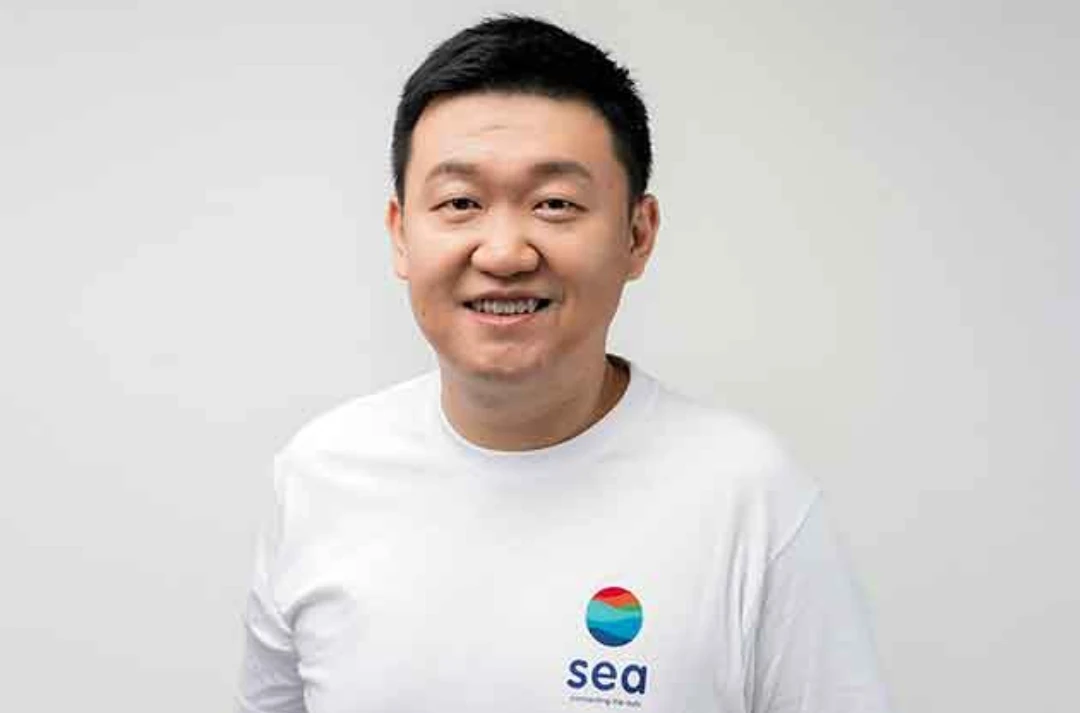
Forrest Li has brought Sea back to the strategic position it occupied before the technology correction: a company able to invest from strength rather than defend itself from scepticism. First-quarter 2026 revenue reached $7.1 billion, 46.6% above the prior year, while adjusted EBITDA exceeded $1.0 billion. Net income was $438.2 million. Shopee, the ecommerce division, was expected to increase gross merchandise value by roughly 25% for the year while producing at least as much adjusted EBITDA as in 2025. The recovery is impressive. It also recreates the leadership problem that rapid growth once concealed: Sea operates three very different businesses, and each can destabilise the others if capital, risk and attention are poorly allocated.
Li’s most important decision during the 2022 reset was to accept that unlimited expansion was not a strategy. Sea cut costs, reduced incentives and withdrew from markets where it lacked a credible route to leadership. That period was painful for employees and investors, but it imposed economic discipline on Shopee and forced the group to rely less on capital markets. The rebound suggests the core franchise was stronger than its losses implied. Yet management should not conclude that the earlier excesses have become safe simply because cash generation has improved. The conditions that rewarded discipline remain: consumers are price sensitive, logistics are expensive and competitors can still subsidise selected markets.
Shopee is now the centre of gravity. Its marketplace has extraordinary reach across Southeast Asia and Taiwan, supported by payments, logistics, content and advertising. Scale increases selection and gives sellers access to a regional customer base, but ecommerce density is not self-executing. Packages must move through congested cities and remote islands; fraud and counterfeit goods must be controlled; returns must be processed without destroying margin. Li’s task is to turn volume growth into a better operating system for merchants rather than another cycle of vouchers that produces temporary demand.
Shopee must grow through capability, not only incentives
The company’s annual GMV target is ambitious enough to test this distinction. Promotions may accelerate transactions, but their quality depends on whether buyers remain active when discounts decline and sellers earn an acceptable return. Advertising and transaction fees can raise revenue faster than GMV, yet monetisation has limits. Merchants will diversify to TikTok Shop, Lazada, brand websites or offline channels if the cost of reaching customers becomes unpredictable. Shopee needs to demonstrate that its tools improve conversion, inventory planning and cross-border access sufficiently to justify the fees.
Artificial intelligence offers practical gains. Better search can understand regional languages and informal product descriptions. Forecasting can position inventory nearer demand. Automated support can resolve routine disputes, while computer vision can identify prohibited listings. But generative systems may also produce misleading listings or amplify low-quality content. Sea’s advantage will come from deploying AI inside operational workflows, not merely adding a shopping assistant. The measure should be fewer failed deliveries, better seller productivity and higher confidence in what customers receive.
Logistics remains the cost and service frontier. Sea can coordinate partners and its own delivery capabilities, but it must avoid treating couriers as an infinitely flexible variable. Labour rules, fuel prices and urban restrictions are changing across the region. Reliability requires investment in sorting, route planning and worker safety. A marketplace that presses delivery costs too far down may report stronger short-term margins while creating higher turnover and political opposition. Li needs an efficiency model in which technology reduces wasted kilometres rather than simply transferring pressure to the weakest participant.
Monee brings compounding potential and balance-sheet exposure
Sea’s financial-services division, rebranded as Monee, may ultimately be the most powerful connector across the group. Wallets and payments lower friction for Shopee. Lending helps consumers and small sellers transact when conventional credit is limited. Digital banking can turn a marketplace relationship into deposits, insurance and long-term financial engagement. The opportunity is enormous in markets where many people remain underbanked. So is the obligation. Credit growth can flatter commerce metrics before losses emerge, especially when platform incentives encourage borrowing.
Li must ensure that Monee is run as a financial institution, not an ecommerce feature. Transaction data can sharpen underwriting, but it cannot eliminate economic cycles. Borrowers may appear diversified across millions of small loans while remaining exposed to the same food prices, interest rates or employment shocks. Collections practices must be transparent, and models must be tested for discrimination. Capital and liquidity should be calibrated to severe scenarios rather than the recent period of growth. The group’s profitable commerce business should support confidence in the financial arm, not become an excuse for risk.
The relationship also creates governance questions. A seller may use Shopee for demand, logistics, advertising, payments and working capital. Integration is convenient, but dependence can weaken bargaining power and make account suspension devastating. Regulators will examine consent and the movement of data between businesses. Sea should provide understandable explanations for credit decisions and meaningful avenues for appeal. The companies that build inclusive finance will be judged not only by the number of accounts they open, but by whether users can improve their position without becoming locked into one ecosystem.
Garena still matters to Sea’s strategic identity
Li should also make succession less abstract. Sea’s businesses are now large enough to need leaders with independent credibility, documented decision rights and experience through a downturn. Founder vision is valuable; organisational resilience comes when the portfolio can operate without every trade-off returning to one desk.
Garena is smaller than Shopee by transaction volume but remains critical to Sea’s cash generation, technical culture and international reach. Free Fire demonstrated that a game designed for modest smartphones could become a global franchise. The challenge is longevity. Live-service games require continuous content, disciplined community management and sensitivity to regulation. A single successful title can generate excellent economics, but dependence on it leaves the group vulnerable to changing tastes and platform policies.
Li must balance investment in Free Fire with the need for new intellectual property. Acquiring licences can diversify releases but leaves value with external owners. Building original games takes time and accepts failure. Sea’s financial strength should allow patient development, yet the group must avoid using Shopee’s scale to obscure weak creative returns. Games succeed through focused teams and distinct artistic judgement, not through the centralisation that benefits logistics or credit. The best corporate contribution may be capital, data infrastructure and distribution while preserving creative autonomy.
The three businesses can reinforce one another, but claims of synergy deserve scrutiny. Gamers are not automatically valuable borrowers, and ecommerce users do not necessarily want entertainment integrated into shopping. Sea should connect services where the customer benefit is clear and keep them separate where it is not. Shared identity, payments, cloud infrastructure and fraud prevention can create efficiency. Forcing cross-promotion may create clutter and privacy concerns. Li’s role is to distinguish operational leverage from a corporate desire to make every asset appear related.
Geography compounds the challenge. Indonesia is central to Shopee and Monee, yet local regulation and competition are intense. Brazil offers growth with different logistics and payment structures. Taiwan and the rest of Southeast Asia require market-specific decisions. Currency volatility can distort reported progress, while geopolitical tension can affect data, ownership and cross-border trade. Sea needs local leaders with authority and a group capital process that compares risks consistently. A single growth target cannot capture the quality of expansion across such varied markets.
Li’s leadership style has often appeared understated beside Sea’s extraordinary swings. That can be an asset in a period when the company needs institutional memory more than promotional confidence. He experienced the reward of abundant capital, the shock of its withdrawal and the discipline of rebuilding. The next step is to embed those lessons before optimism erodes them. Incentives should reward cash returns, customer retention and credit quality alongside volume. Management should disclose enough segment detail for investors to see where economics are improving and where the group is funding optionality.
Environmental constraints will increasingly affect that balance. Ecommerce growth adds packaging and delivery journeys, while data centres and gaming consume power. Sea operates in markets exposed to heat, flooding and uneven energy infrastructure. It should measure emissions and climate risk in operational terms rather than treating them as a separate report. Better route density, right-sized packaging and resilient fulfilment sites can lower cost as well as impact. Monee can also help merchants finance adaptation, but only with underwriting that recognises physical risk. The company’s regional scale gives it the ability to establish practical standards across suppliers and logistics partners.
Sea has recovered the right to pursue growth, but not the right to treat growth as self-validating. Shopee can compound through merchant capability and logistics productivity. Monee can broaden access if it respects the realities of banking. Garena can remain a source of cash and creativity if Sea invests beyond one enduring franchise. Over the next twelve to twenty-four months, Li’s success will be measured by whether the three engines accelerate without pulling the group in incompatible directions. The rebound has restored ambition. Durable leadership now requires balance.