Singapore Airlines ended its latest financial year with an operating result that looked stronger than the headline profit. Revenue for the year to March 2026 rose 5 per cent to S$20.5 billion and operating profit increased 39 per cent to S$2.38 billion. Net profit, however, fell 57 per cent to S$1.18 billion, largely because the previous year included a one-off accounting gain and the current period absorbed losses associated with Air India.
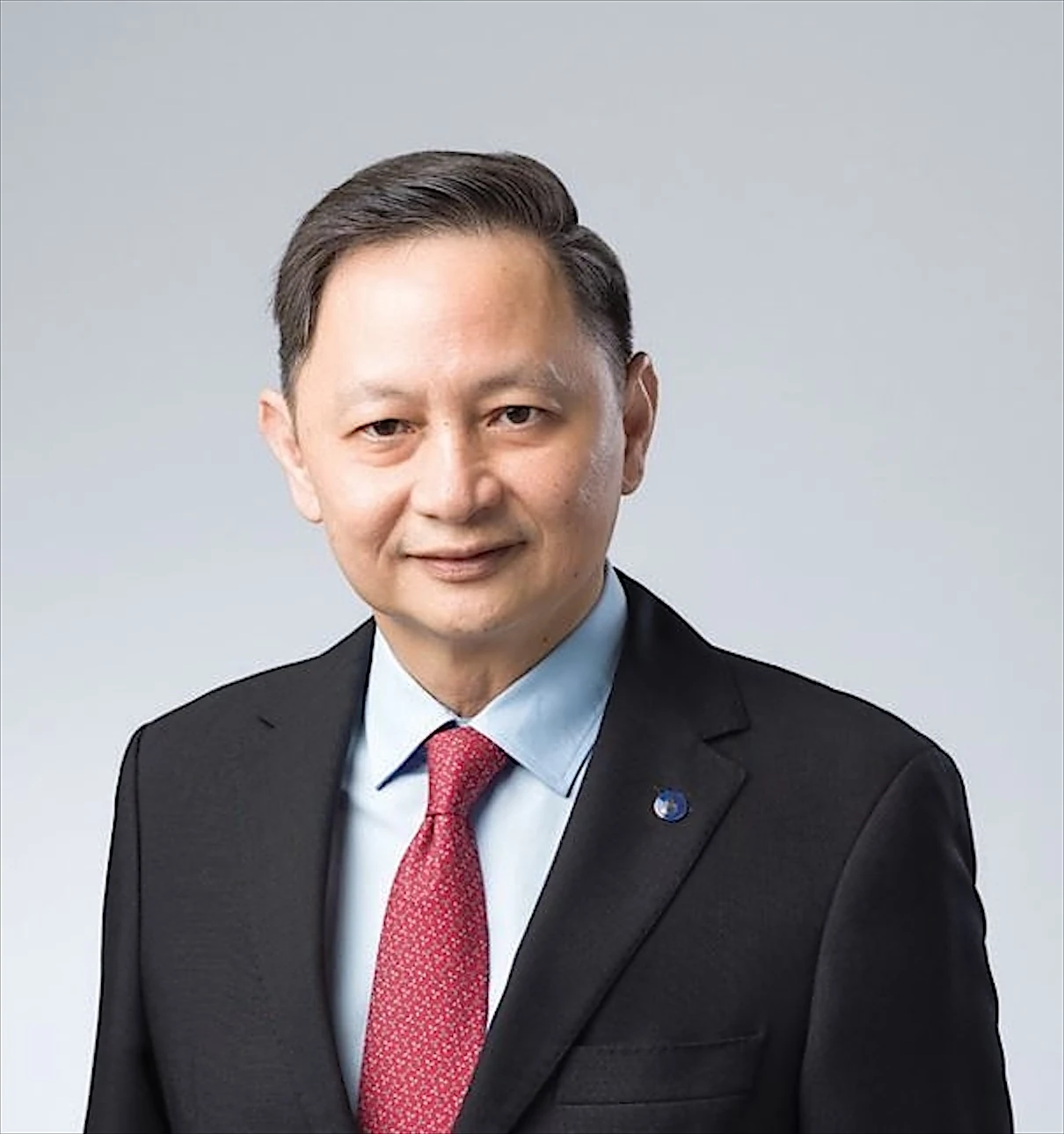
The contrast defines the next phase of Goh Choon Phong's tenure. The core airline has recovered its operating momentum, supported by sustained passenger demand and lower fuel costs. Yet Singapore Airlines' strategic value will increasingly depend on decisions whose returns lie outside a single reporting year: its aircraft programme, the evolution of its premium network, and the investment in a much larger but more difficult Indian aviation market.
Goh has led the group since 2011, through a period that included aggressive Gulf competition, low-cost disruption, a global pandemic and the redesign of alliances across Asia. His record is built on disciplined capacity management and a belief that service, schedule quality and network connectivity can sustain a premium. The next test is more capital-intensive. Singapore Airlines must renew and grow its fleet while protecting returns, and it must help Air India become a credible partner rather than a recurring drag on group earnings.
The operating recovery is real
Passenger revenue rose 5.2 per cent to S$16.7 billion in the latest year. The group benefited from healthy travel demand across its network, even as competition increased and yields normalised from the exceptional post-pandemic period. Net fuel cost declined 6.7 per cent, providing a meaningful tailwind, while non-fuel expenditure rose 5.4 per cent as operations expanded.
Those movements produced a stronger operating margin and demonstrated the value of the group's two-brand structure. Singapore Airlines serves premium and long-haul demand, while Scoot gives the group exposure to more price-sensitive travel and thinner routes. The combination allows management to allocate aircraft and capacity across distinct market segments without forcing one brand to cover every need.
Changi Airport remains a powerful hub, connecting Southeast Asia with Europe, Australia, India and North Asia. Singapore's lack of a large domestic market has always required the airline to win connecting passengers on service and schedule. That constraint sharpened its international culture, but it also leaves the business exposed to geopolitical disruptions, airspace closures and competitive capacity flowing through alternative hubs.
The latest operating profit is therefore best read as evidence of execution, not immunity. Fuel prices can reverse, labour and maintenance costs are rising, and new aircraft deliveries remain vulnerable to manufacturer delays. Goh must preserve the airline's resilience while committing capital years before demand is known.
Air India changes the strategic map
Singapore Airlines became a significant shareholder in the enlarged Air India after the Indian carrier merged with Vistara, the joint venture previously owned by the Tata group and Singapore Airlines. The transaction gave the Singapore group exposure to one of the world's largest and fastest-growing aviation markets. It also replaced a focused premium carrier with a stake in a much more complex transformation.
India offers obvious strategic benefits. International travel is growing alongside income, urbanisation and corporate activity. A stronger Air India can provide feed from a vast domestic network and improve connections between India, Singapore and the wider world. It can also deepen commercial ties with a partner whose long-term ambition extends well beyond the routes Vistara served.
But the scale of the task is equally clear. Air India is renewing aircraft, systems, cabins and operating processes while integrating airlines with different fleets and workforces. Service consistency cannot be improved overnight, and the competitive field includes strong domestic groups and well-capitalised international carriers. Losses recorded through Singapore Airlines' stake show that the transformation has a direct cost.
Goh must decide how actively Singapore Airlines should contribute expertise without allowing the investment to distract its own management. The value of the partnership will come from network design, commercial co-operation, procurement knowledge and operating standards, not from imposing the Singapore model on a much larger and different market. Air India needs its own scalable system.
Fleet renewal is a balance-sheet decision
Airlines compete with networks and service, but both depend on aircraft. Newer jets can reduce fuel burn, extend route options and improve the passenger experience. They also require large commitments, training, maintenance planning and confidence that delivery schedules will hold. For Singapore Airlines, the fleet plan covers widebody aircraft for long-haul travel and efficient equipment for regional markets across both brands.
Goh's challenge is to avoid two costly extremes. Under-investment can leave the airline with less efficient aircraft and an inferior product as rivals renew. Over-investment can produce too much capacity, depress yields and strain free cash flow. The problem is intensified by delivery delays, which can force airlines to retain older aircraft and disrupt planned growth.
Capital discipline is particularly important after the pandemic reminded the industry that liquidity is strategic. Singapore Airlines entered that crisis with a strong reputation and still required substantial shareholder support. The lesson was not to avoid investment, but to maintain enough financial flexibility to survive shocks that no traffic forecast captures.
The airline's premium position also demands product investment beyond the airframe. Seats, lounges, digital service, catering and ground operations shape willingness to pay. These expenses can be difficult to defend when demand is strong regardless of product, yet neglect becomes visible when capacity catches up. Goh must invest through the cycle rather than react to it.
Premium leadership faces a different competitor set
Singapore Airlines is no longer competing only with other full-service Asian flag carriers. Gulf airlines offer extensive one-stop networks and large premium cabins. Low-cost operators have improved their reach and product. Chinese carriers can redirect capacity rapidly as international markets reopen. Corporate travel has recovered unevenly, while affluent leisure demand has become a larger source of premium revenue.
This changes the meaning of service leadership. Polished cabin delivery remains important, but schedule reliability, digital recovery during disruption and consistent ground handling can matter just as much. Customers paying high fares expect the airline to resolve problems across the journey, not merely provide a refined experience in the air.
Goh has to translate Singapore Airlines' reputation into measurable commercial strength. Premium cabins need to earn returns after the cost of product and lounge investment. Loyalty partnerships should generate useful data and higher customer value without diluting the brand. Network additions must strengthen the hub rather than chase prestige.
Scoot is also part of that defence. A group that serves only the top of the market risks surrendering growth across Southeast Asia, where young populations and rising incomes are expanding the traveller base. The low-cost unit allows Singapore Airlines to build future flows and defend connectivity, but the brands must remain distinct enough that customers understand the trade-off.
India should be judged over a longer horizon
The fall in net profit will attract attention, but comparisons are distorted by the exceptional gain recorded a year earlier. A better assessment separates the operating performance of the core group from the deliberate cost of building a strategic position in India. That does not mean investors should accept losses indefinitely. It means the milestones must match the nature of the project.
Air India's progress should be visible in aircraft availability, punctuality, product consistency, unit costs, customer retention and the quality of connecting traffic. Commercial benefits to Singapore Airlines should appear in joint itineraries, network breadth and more efficient access to Indian cities. Over time, the investment should contribute earnings and cash, not simply strategic narrative.
Goh also needs to manage concentration. India is a compelling opportunity, but Singapore Airlines' advantage comes from a diversified global network. Capacity should follow sustainable demand across regions, and the group must retain the ability to respond if trade flows, tourism or geopolitical conditions change.
The partnership can become a model for how a smaller, high-performing carrier participates in a vast neighbouring market. It can also become a warning about the difficulty of transforming aviation assets at scale. Governance and clarity about each shareholder's role will decide which outcome is more likely.
The next cycle will reward restraint as well as ambition
Air travel continues to grow, but the industry has a long history of turning demand into excess capacity. Aircraft ordered in optimistic years arrive into different economic conditions. Competitors match successful routes. Fuel and currency movements can overwhelm small changes in yield. The strongest airline managers are therefore not those who predict every turn, but those who retain options.
Singapore Airlines' latest operating result gives Goh room to act. The group can fund product upgrades, plan fleet renewal and support strategic partnerships from a position of strength. That room should not be confused with permission to relax return thresholds. Every new route and aircraft must contribute to a network that earns more than its cost of capital across the cycle.
Goh's leadership has been defined by continuity without complacency. He has maintained the premium franchise while building a low-cost arm, deepening alliances and navigating the industry's most severe crisis. The Air India stake now raises the scale of his strategic responsibility. It connects Singapore Airlines to a market that could reshape Asian aviation, but it also exposes shareholders to an integration beyond their direct control.
The next verdict will not rest on passenger records alone. It will depend on whether Singapore Airlines converts fleet investment into efficient capacity, whether Air India becomes a source of network value and whether the group preserves its operating quality as it grows. Goh has restored momentum at the core. His harder task is to make long-cycle ambition produce durable returns.