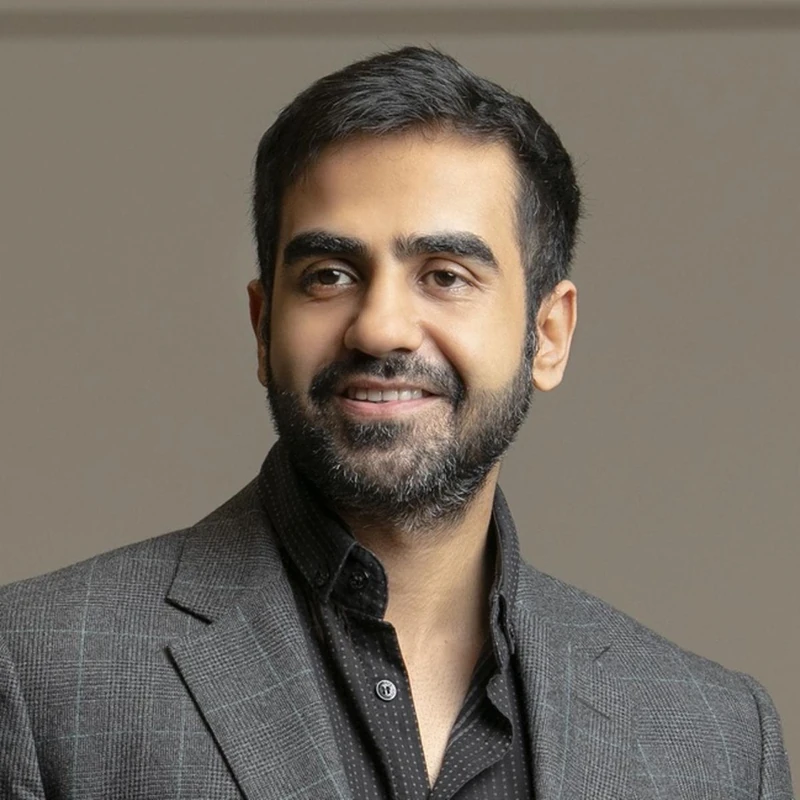
YouTube disclosed a number in May that changes the way its podcast business should be valued. Premium users watched more than 800 million hours of podcasts during April 2026. The total included subscribers on trials, but it still amounted to more than 26 million hours a day inside a paid product. For Neal Mohan, the chief executive of YouTube, podcasting is no longer only a source of advertising inventory or cultural relevance. It has become a test of whether long-form viewing can make a broad video subscription more valuable and less vulnerable to cancellation.
The audience is already enormous. YouTube says podcast content reaches more than one billion monthly active viewers, a milestone first measured in January 2025 and repeated in its latest product announcement. Its advantage over specialist audio services is discovery: a full conversation can surface in search, a recommendation or a short clip, then follow the user into a long listening session. Video gives hosts an additional screen without forcing the audience to abandon audio-style behaviour. The same episode can be watched closely, left playing in the background or downloaded for a journey.
Yet 800 million hours is not a subscription result. YouTube has not said how many Premium members watched podcasts in April, how much of their total use those shows represented, whether listeners joined because of them or whether their cancellation rate is lower. Heavy engagement by people who already pay can improve retention and creator revenue, but it does not establish incremental demand. Mohan's task is to convert a remarkable consumption figure into a visible economic advantage without damaging the free service that supplied the audience in the first place.
Convenience becomes the paid product
YouTube's May update was built around small frictions that matter over a two-hour programme. Premium members on Android gained an on-the-go mode with easier controls for skipping forward and back while a video plays in the background. An automatic speed setting adjusts playback during slower or denser passages. Ask Music, already used for music discovery in selected countries, is being extended so subscribers can request podcast recommendations by genre, mood or an existing favourite. The company plans to bring the first two features to iOS after their Android release.
These are not spectacular additions, and that is their commercial logic. A subscription habit is often defended by conveniences that become irritating to lose. Background play lets a video podcast behave like radio when the screen is locked. Downloads protect a long episode from weak connectivity. Faster playback, jump-ahead controls and a listening-oriented interface reduce the cost of the audience's time. YouTube is packaging those functions around a catalogue that remains available without charge, rather than buying an exclusive library and placing it behind a wall.
The strategy creates a wide conversion funnel. Free viewers discover hosts through search, recommendations and clips, while advertising monetises those who stay outside Premium. A portion can then pay for fewer interruptions and better control across YouTube, YouTube Music and YouTube Kids. The product is broader than podcasting, so one show does not have to justify the full monthly price. Podcasts can instead provide the recurring hours that make the bundle feel indispensable.
Mohan has already argued that a Premium user has a meaningfully better gross-profit profile for YouTube than an advertising-only user and contributes more to creators and partners. That proposition is especially relevant to podcasts because sessions are long and often habitual. Alphabet also recognises an important accounting trade-off: when a viewer moves from the advertising service into Music and Premium, YouTube loses some advertising revenue but can improve the economics of the relationship overall. The business should therefore be judged across both streams, even though the company discloses them unevenly.
Long listening changes creator yield
For podcasters, YouTube offers several layers of revenue without requiring a separate paid feed. Creators in the partner programme can receive 55 per cent of net watch-page advertising revenue under the standard module. When Premium members watch, a portion of membership fees is distributed according to watch time, with the majority of that revenue going to partners. Background and downloaded listening count towards that watch time once the member reconnects. Channel memberships, fan payments, merchandise and sponsorships can sit around those two platform-funded streams.
This can make video production rational for a programme that began as audio. Cameras, lighting, editing and clipping add cost, but the resulting episode has more surfaces on which to earn. A strong moment can become a short video that finds a new audience. The full programme can carry advertising for free viewers and collect Premium revenue from members. Hosts can sell their own sponsorships, while the visible relationship between participants often increases the programme's appeal.
YouTube benefits when that production remains on its service, but it does not capture all the value. Sponsorship agreements are frequently negotiated by creators or their representatives. Popular shows can distribute audio through Spotify and Apple while publishing video on YouTube, preserving several routes to their audience. Switching costs are low because few podcasts are exclusive. YouTube must keep its search, recommendations, measurement and payments attractive enough that hosts treat it as the primary version, not a promotional copy.
The platform also has to resist rewarding length for its own sake. Subscription revenue linked to watch time can encourage longer episodes, while video recommendations favour content that holds attention. That alignment is useful until conversations become padded, repetitive or expensive to produce. YouTube's own guidance tells creators that enjoyable content matters more than artificially extending a video. Mohan needs discovery systems that reward satisfaction and return visits, otherwise the abundance of low-cost talk formats will make valuable shows harder to find.
The financial disclosure still lags the strategy
Alphabet's latest results show why subscriptions command management attention. In the first quarter of 2026, YouTube advertising revenue rose 11 per cent to $9.88 billion. The broader Google subscriptions, platforms and devices category increased 19 per cent to $12.38 billion, although that line also includes Google One, Google Play and hardware. Alphabet reported 350 million paid subscriptions across its consumer services, identifying YouTube and Google One as the principal drivers. It did not disclose YouTube Premium revenue, subscriber additions or operating margin separately.
That aggregation makes the podcast claim difficult for investors to test. The 800 million hours included trials, which can be an effective acquisition channel but do not all become paying accounts. The one-billion-viewer figure counts people exposed to podcast content, not a distinct base of regular listeners. Neither number reveals average revenue per member, regional price mix, creator payouts, delivery costs or the proportion of hours that would have occurred even without the new features.
Premium also contains a potential cannibalisation problem. Its most visible promise is an advertising-free experience, so higher conversion can slow the growth of YouTube's reported advertising line even when total economics improve. That is manageable if subscription revenue and margin more than compensate, but outside shareholders cannot calculate the exchange. Premium Lite adds another variable by offering a lower-priced, mostly advertising-free experience for non-music videos in selected markets. It may reach price-sensitive viewers, though it can also encourage some users to choose a cheaper tier.
Podcast features therefore need to create more than usage. They should reduce churn, support pricing, attract members who would not otherwise subscribe and strengthen creator supply. If on-the-go controls merely make existing super-users listen for longer, the engagement is real but the commercial increment may be modest. If the features make YouTube the default place for both watching and listening, they can turn an audience acquired through free video into predictable monthly revenue.
Asia tests the price ladder
The global nature of podcasting gives Mohan a distribution advantage, but it complicates monetisation. India, Indonesia, Japan and South Korea contain very different mixes of mobile use, local-language programming, payment habits and household spending power. A single full-price proposition cannot extract the same value everywhere. Background playback and downloads may be particularly useful where listening happens during commutes or connectivity varies, yet the willingness to pay can be lower than in mature subscription markets.
This is where YouTube's bundle and tier design matter. Music, general video and podcasts can share one membership, giving the service more ways to justify a local price. Lite plans can widen the entry point. Family arrangements can spread cost across a household, although Alphabet counts the registered family member rather than every additional user in its subscriber definitions. Local recommendations, accurate captions and a strong supply of regional shows are as important as global celebrities. A podcast habit is difficult to import if the catalogue does not reflect the audience's language and interests.
Asia also makes the creator proposition more demanding. Advertising rates, sponsorship markets and production budgets vary widely. Premium watch-time revenue can diversify a host's income, but YouTube has not published the regional payout economics. If video requirements raise costs faster than platform earnings, independent podcasters may remain audio-first or rely on external sponsorships. Mohan must demonstrate that the platform can support professional production outside the largest English-language markets, not simply aggregate viewing from them.
Competition will keep that pressure high. Spotify is adding video and has a subscription relationship built around audio. Apple controls a large listening application and payment ecosystem. Social platforms can distribute clips that help hosts build audiences without giving YouTube the full episode. The advantage YouTube holds is the ability to connect discovery, long viewing, creator tools and two forms of platform revenue in one place. Its weakness is that none of those elements guarantees loyalty when the same conversation is available elsewhere.
Mohan has made podcasts useful to Premium before proving that they are decisive to it. The next useful disclosure would connect audience scale with subscriber behaviour: conversion after podcast viewing, retention among regular listeners, paid hours excluding trials and creator earnings per hour across advertising and membership revenue. Those measures would show whether the product changes are building a healthier market or simply recording more time.
The April total gives YouTube a strong claim on the future of podcast consumption. It does not yet give investors a clean claim on the returns. Mohan will have established a new subscription engine when video podcasts increase durable membership and creator income after the costs of revenue sharing, product development and delivery. Until then, 800 million hours describes an impressive habit; the business result remains a number Alphabet has chosen not to separate.