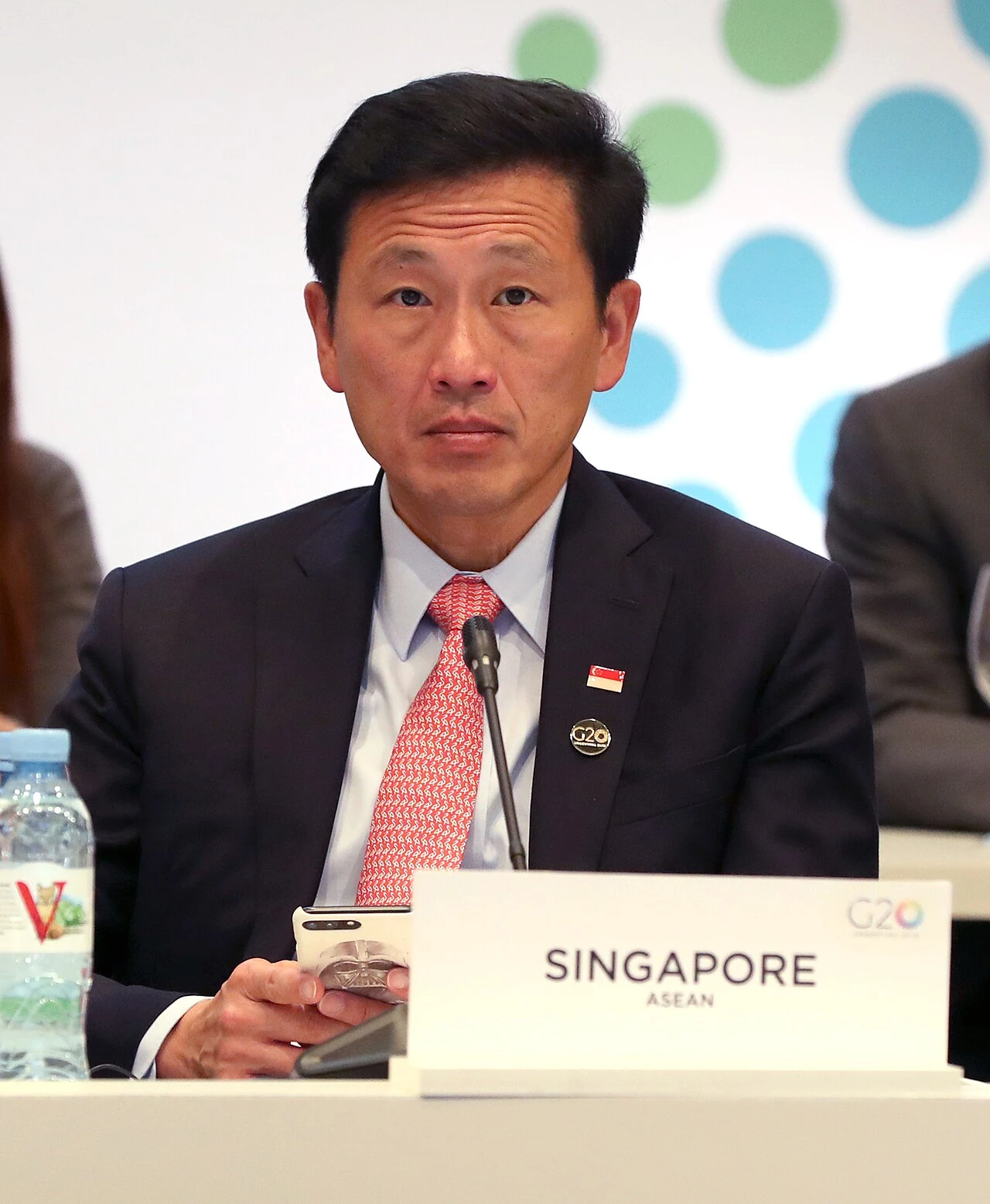
Ong Ye Kung is placing a large research wager inside a health system already under pressure from ageing. On 22 May 2026, Singapore’s health minister announced S$2.5 billion over five years for translational and clinical research under the Research, Innovation and Enterprise 2030 plan. The programme includes a third phase of national precision medicine, locally trained clinical artificial intelligence and a S$350 million Longevity Grand Challenge.
The investment arrives as Healthier SG moves from enrolment to behaviour change. By May, about 1.4 million people, or 59 per cent of those eligible, had enrolled with a family doctor. More than 1,100 general practices and polyclinics participated. Eighty-three per cent of enrollees had completed a first Health Plan, but only 66 per cent of those due for a 2025 check-in had completed it.
These two agendas should be treated as one economic system. Research can identify risk and design better interventions; primary care can deliver them at population scale; hospital data can measure whether they work. If they remain separate, Singapore may create excellent science while continuing to build expensive downstream capacity at the same pace.
Ong ranks tenth because he is attempting to connect innovation policy, social policy and health-service purchasing. As coordinating minister for social policies as well as health minister, he can align ageing, prevention and research more directly than most counterparts. The test is whether that institutional reach produces measurable avoided disease and cost.
S$2.5 billion needs an operating thesis
The research allocation is broad but not directionless. Singapore plans to expand precision medicine, develop AI models using local clinical data and fund translational work that can move discoveries into care. Initial AI priorities include cardiometabolic and eye disease, both relevant to an ageing Asian population and both rich in measurable images, laboratory values and outcomes.
Public research funding can correct a market failure. Companies often underinvest in long-term cohorts, national datasets and early validation because returns are uncertain or difficult to capture. Government can build shared infrastructure and reduce the cost of testing. Private capital can then develop products where intellectual property and demand are clearer.
The allocation still requires portfolio discipline. Translational programmes can remain between academic publication and commercial development for years. Each major grant should state the intended user, evidence threshold and route into clinical workflow. A project without a credible implementation partner should not continue solely because its science remains interesting.
Ong should also distinguish research outputs from health outcomes. Patents, publications and start-ups show activity. Adoption, diagnostic accuracy, reduced admissions and productivity gains show system value. The S$2.5 billion should be tracked against both sets of measures.
Precision medicine is becoming national infrastructure
The third phase of Singapore’s precision-medicine programme aims to sequence 400,000 to 450,000 residents, bringing the dataset to roughly 10 per cent of the population. That scale can improve representation of Asian genetic variation, support risk prediction and attract pharmaceutical research that has historically relied heavily on European-origin datasets.
A cohort of this size is valuable only when genomic information can be linked responsibly to clinical records and outcomes. The system needs clear consent, secure computing, data standards and rules for industry access. Participants should understand whether commercial companies can use derived insights and how benefits return to the health system.
There is also a sequencing-to-care gap. Identifying a genetic risk does not automatically improve health. Clinicians need guidance, patients need counselling and an intervention must exist. Broad testing can create anxiety and follow-up cost if findings are poorly understood. Implementation should begin where evidence supports a change in prevention, diagnosis or treatment.
Commercially, Singapore can use the dataset to negotiate from strength. Research access can be tied to local trials, capability building or affordable access to resulting products. Terms should remain predictable enough to attract companies. A national data asset earns return through better care and productive partnerships, not through restrictive control that leaves it underused.
Clinical AI must save time, not add another screen
Training AI on local data can reduce performance gaps that occur when imported models meet different populations and clinical practice. Cardiometabolic risk and ophthalmic imaging offer useful starting points because Singapore has structured data and established care pathways.
The economic case depends on workflow. A model that produces more alerts can increase testing and clinician burden. A model that identifies high-risk patients earlier, prioritises appointments or supports consistent decisions may reduce cost. Trials should compare total episodes of care, including false positives and staff time, rather than report algorithm accuracy alone.
Healthier SG provides a real-world delivery network. From 27 July 2026, the government plans a six-month beta test of an AI-supported Health Plan feature for enrolled residents aged 40 to 64 without chronic conditions. The test can show whether personalised recommendations improve participation and whether family doctors find them useful.
Governance has to be visible. Patients need to know when AI influences a recommendation, clinicians need authority to disagree and providers need protection from unclear liability. Models should be monitored for drift and unequal performance. Procurement contracts should secure audit rights and continuity if a vendor changes.
Healthier SG is the distribution channel
Healthier SG enrols residents with a regular family doctor and creates a personal prevention plan. The model is designed to shift activity from hospitals towards long-term primary-care relationships. Singapore is encouraging check-ins with a one-time S$10 Healthpoints benefit from July 2026.
The incentive is small, which is appropriate for a nudge rather than payment for care. Its value should be measured through incremental attendance among people who would otherwise miss follow-up. If most points go to residents who would have attended anyway, the programme adds cost without changing behaviour.
The 66 per cent completion rate among those due for a 2025 check-in reveals the implementation gap. Enrolment and a first plan are easier than sustained engagement. Clinics need systems to identify missed appointments, communicate in several languages and coordinate screening. Payment should reward continuity and risk control, not only completed forms.
More than 1,100 participating clinics provide wide reach but also create variation. Smaller practices may lack data teams or care coordinators. Common digital tools and shared services can reduce the burden. The ministry should publish performance ranges and support improvement without pushing providers to avoid complex patients.
The counterfactual is expensive ageing capacity
Prevention does not remove the need for hospitals and long-term care. Singapore plans about 2,800 additional hospital beds, an increase of roughly 25 per cent, and 10,000 more nursing-home beds by 2030. The healthcare workforce is expected to grow by about 20 per cent. These commitments illustrate the cost pressure that research and primary care are intended to moderate.
Age Well SG is expanding neighbourhood-based support. Four designated neighbourhoods are expected to benefit more than 110,000 seniors, combining housing, transport, active ageing and care access. Community design can delay frailty and institutionalisation, but outcomes take time and span several ministries.
Ong’s coordinating portfolio is an advantage here. Housing changes, social connection and mobility may produce greater health return than another clinical test for some older residents. Budgets should allow cross-agency investments when the savings appear in healthcare later. That requires shared outcome measures and agreement about who captures the benefit.
The financial objective should not be to make total health spending fall as the population ages. It should be to slow avoidable cost growth while improving healthy life expectancy. Claims of savings need a credible counterfactual: what hospital, nursing and workforce use would have occurred without the intervention.
The Longevity Grand Challenge needs commercial boundaries
Singapore has allocated S$350 million to a Longevity Grand Challenge inviting public-private proposals. The field attracts serious work on ageing biology, diagnostics and care models, but also speculative claims and consumer products with weak evidence. Public funding should raise the standard, not subsidise hype.
Projects need endpoints relevant to healthspan, such as preserved function, lower frailty or delayed disease, rather than vague claims about biological age. Trials must be long enough to support conclusions and include diverse older adults. Commercial partners should disclose conflicts and commit to publishing unfavourable results.
The strongest proposals may combine biology with delivery: a validated intervention, a target population and a route through primary or community care. Singapore’s compact system can run pragmatic trials and link outcomes across settings. That capability can attract global companies if approvals and data rights are clear.
What Ong must prove
The first measure is sustained Healthier SG participation: annual check-ins, screening completion and control of major risk factors. The second is the conversion rate from funded research to validated clinical use or investable companies. The third is whether high-risk populations are reached without widening health differences.
Financial evaluation should follow cohorts over time and compare hospital admissions, emergency visits, medication adherence and total care cost. Research programmes should report private co-investment and procurement or licensing outcomes. The precision-medicine platform should disclose access agreements and public benefit without exposing participant data.
Ong is investing before the ageing burden becomes even larger. The logic is sound: use local data to discover, family doctors to deliver and integrated records to measure. The danger is that each component reports success in its own language while the system’s cost curve barely changes. His leadership will be demonstrated when S$2.5 billion of research is visible in healthier cohorts, more productive clinics and hospital capacity that grows more slowly than it otherwise would.