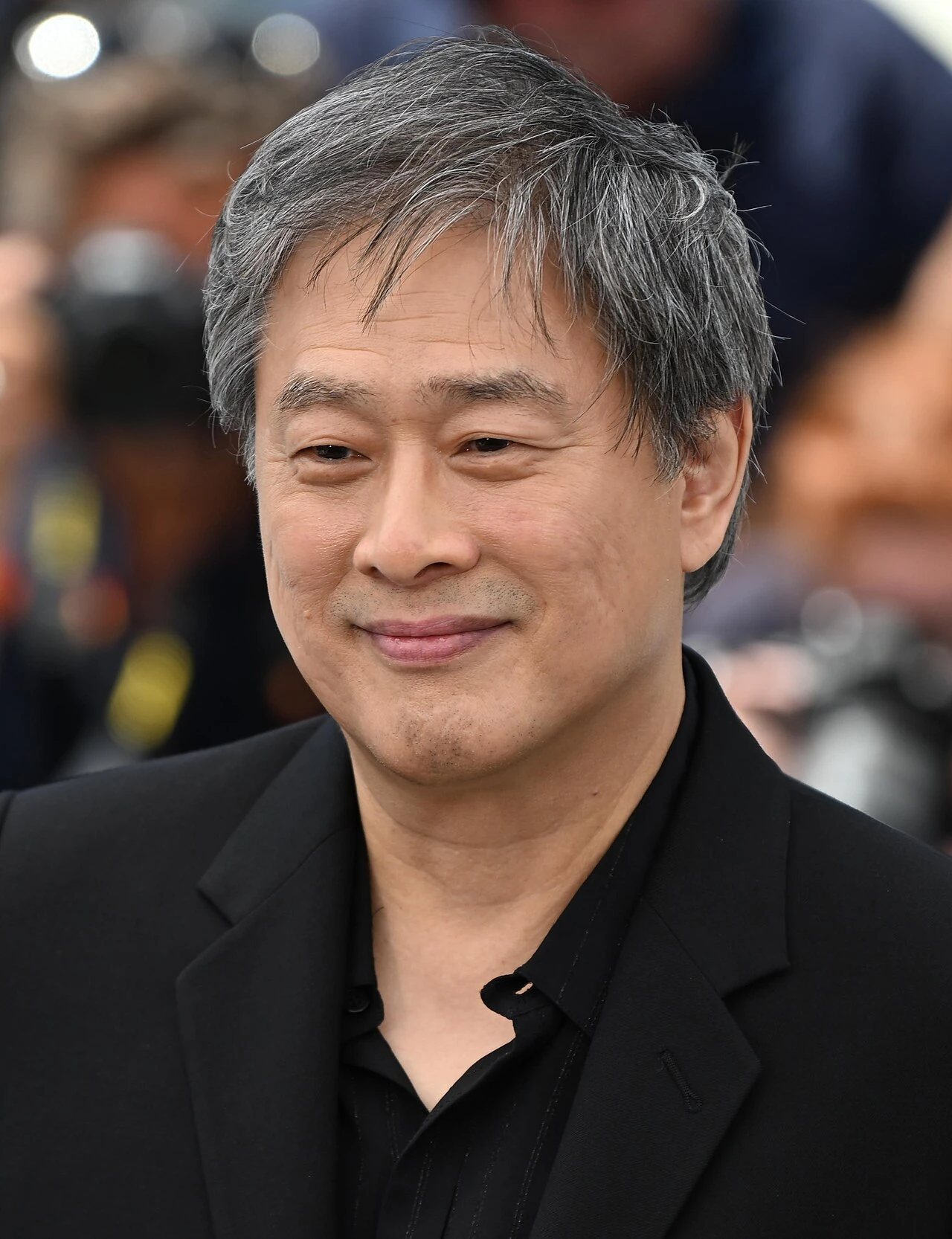
When Park Chan-wook presided over the feature-film jury at the 2026 Cannes Film Festival, the appointment represented more than personal recognition. A Korean director who had spent two decades competing for the festival’s approval was now helping determine which films would receive its most valuable signals. The move from contender to gatekeeper altered the meaning of his influence. Park’s international standing no longer rested only on the films he could finance and direct. It included the authority to shape how the global cinema business allocates attention.
The timing mattered. No Other Choice, his dark account of work, status and desperation, had renewed his claim on the centre of international art cinema while demonstrating that a mature auteur could still make a Korean-language film with export value. At the same time, South Korea’s screen industry was confronting a more difficult market: weaker theatrical attendance, pressure on production budgets, changing platform strategies and an audience increasingly divided between large event pictures and streaming series. Park’s prestige rose as the system that produced him became less certain.
Cannes described his presidency as a first for Korean cinema. The phrase captures both achievement and scarcity. Korean films have won the Palme d’Or, Academy Awards and global streaming audiences, yet the institutions that define international prestige still elevate Asian decision-makers selectively. Park’s chair gave symbolic weight to the industry. The commercial question is whether such authority can circulate beyond one filmmaker and support a deeper pipeline of producers, technicians and directors.
From authorship to stewardship
A jury president does not run a studio or investment fund. The role lasts less than two weeks and its decisions concern a small number of films. Even so, Cannes prizes can change distribution advances, theatrical bookings and future financing. The jury’s judgement becomes an economic event. Park’s leadership therefore placed his taste inside a market mechanism whose consequences extend far beyond the ceremony.
That position carries a different responsibility from directing. An auteur protects the coherence of one work; a jury president must assess competing intentions across languages, budgets and traditions. Park’s films are associated with baroque control, moral unease and exact visual design. The presidency required him to recognise value that did not resemble his own. For an artist whose brand is built on a distinctive signature, demonstrating range of judgement can enlarge professional authority.
The benefit to Park is not a conventional fee or immediate box-office increase. It is network power. Festivals assemble producers, financiers, distributors, agents and cultural officials in one concentrated market. Chairing the jury places a filmmaker at the highest level of that network and deepens relationships that can support future co-productions. It also raises expectations that his choices, public comments and later projects will reflect a broader conception of cinema.
The Korean production bargain
Park’s career has depended on a Korean industry capable of financing ambitious genre films while connecting them to international sales. That system combines large domestic companies, experienced crews, public support, global platforms and a strong theatrical tradition. It allowed him to move between violent thrillers, romantic mysteries, television and English-language work without surrendering his identity as a Korean filmmaker.
The bargain is under strain. Higher production costs make mid-budget adult films harder to justify, while streaming commissions can provide scale without the same theatrical afterlife or rights structure. Domestic distributors must compete for attention against franchises, online video and imported entertainment. A director with Park’s name can still assemble resources, but the path is narrower for the filmmakers who should follow him.
No Other Choice illustrates why the middle matters. It is recognisably authored but also accessible through genre, stars and social satire. Such films develop crews, sustain cinemas and create exportable intellectual property without requiring superhero economics. If the market abandons this tier, Korean cinema risks becoming polarised between low-budget independent work and a small number of expensive spectacles or platform series.
Park’s influence can help defend the tier indirectly. His participation attracts international partners, his production relationships create work for established teams and his visibility reassures distributors that a Korean film can command premium positioning. Yet a healthy industry cannot rely on a handful of directors to carry risk. The deeper task is to make financing and distribution confident enough to back distinctive work before a global name is attached.
Prestige and commercial discipline
Park has always operated inside the tension between artistic excess and production control. Elaborate images cost money; long development periods carry opportunity costs; international casts and locations add complexity. His commercial durability comes from turning those expenses into visible value. Audiences can see what the budget purchased, while distributors can market tone, stars and craft.
The market around prestige cinema has become less forgiving. Critical acclaim does not guarantee long theatrical runs, and awards campaigns add costs after production. Global platforms may pay attractive upfront fees but often keep data and downstream participation. International co-production spreads risk while dividing rights. For a filmmaker, the choice of finance now shapes not only how a film is made but how much of its future value remains with the creative team.
Park’s next agreements will be watched because he can demand options unavailable to most directors. He may pursue another Korean feature, an international production or serial work. Each path offers scale and imposes a different governance structure. The central issue is whether he can preserve approval over script, casting and final form while giving financiers a credible route to return.
Cultural power without a franchise
Unlike many globally recognised directors, Park does not depend on a single recurring property. His brand is a way of organising desire, violence, humour and moral compromise rather than a stable cast of characters. That gives him freedom and creates commercial uncertainty. Every film must teach the market how to sell it again.
This form of authorship can still function as intellectual property. The director’s name reduces discovery costs, supports catalogue sales and gives festivals and distributors a reliable audience segment. Restorations, retrospectives, physical editions and streaming collections monetise the body of work. A new film increases the value of older titles because viewers move backwards through the catalogue.
The jury presidency strengthens that brand by associating Park with cinema as an institution, not only with his own productions. It can widen the audience for his earlier work and make his involvement valuable to projects he produces without directing. The risk is overextension. If his name appears across too many projects, it loses its signalling power; if it remains attached only to rare personal films, the wider industry receives less benefit.
What a global gatekeeper can change
The most direct legacy of Park’s Cannes role will be the films his jury rewarded and the distribution consequences that followed. The broader legacy depends on what he does with the relationships and authority after the festival. Mentoring, producing, supporting restoration and advocating for fairer production terms can turn symbolic leadership into industrial value. None requires him to become an executive, but each requires choices about where to spend scarce time and reputation.
There is also a question of geographic balance. Asian cinema is not one market, and Korean success can obscure the financing difficulties faced elsewhere in the region. A filmmaker with Park’s access can connect producers across borders and support co-productions that are not organised entirely through Europe or the United States. That would give Asian creative companies more leverage over rights and distribution.
Such leadership must avoid becoming ceremonial. Festival panels and endorsements create visibility, but projects require development money, legal support and sales capacity. Park’s most useful intervention may be to attach himself early enough that an unusual film becomes financeable, then leave enough room for the new director’s voice to remain visible.
The authority to choose
Park’s career has been built on refusing the idea that commercial films must be simple or that art cinema must be austere. His 2026 jury presidency confirmed that the international establishment now treats that position as a form of authority. It also placed him inside an institution whose prestige depends on renewing itself through unfamiliar work.
The next stage will reveal whether his power remains individual or becomes structural. Another major film would reinforce the value of the Park Chan-wook brand. A stronger production network, wider opportunities for Korean filmmakers and more balanced cross-border partnerships would demonstrate something larger: that an auteur can use recognition to improve the conditions under which other authors work.
Cannes gave Park the authority to choose among the world’s most ambitious films. Korean cinema’s harder test begins after the jury room. It needs capital willing to tolerate difference, distributors willing to build audiences and senior artists willing to share access without imposing their style. Park cannot solve those problems alone. His new status matters because he is now in a position to decide how much of his authority he will convert into the capacity of others.
That conversion will be visible in practical details: whose scripts receive early support, which producers gain introductions, whether crews are retained between projects and whether rights remain with Asian partners long enough to build enterprise value. Prestige is often measured in invitations and prizes, but an industry experiences it through contracts, employment and repeat financing. Park’s influence becomes durable only when it changes those ordinary transactions.