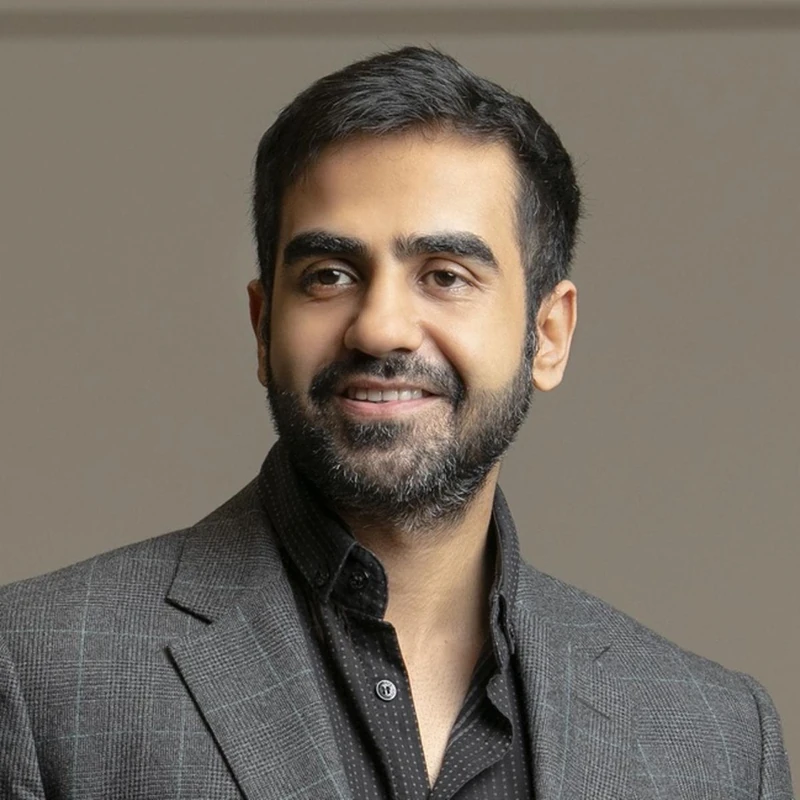
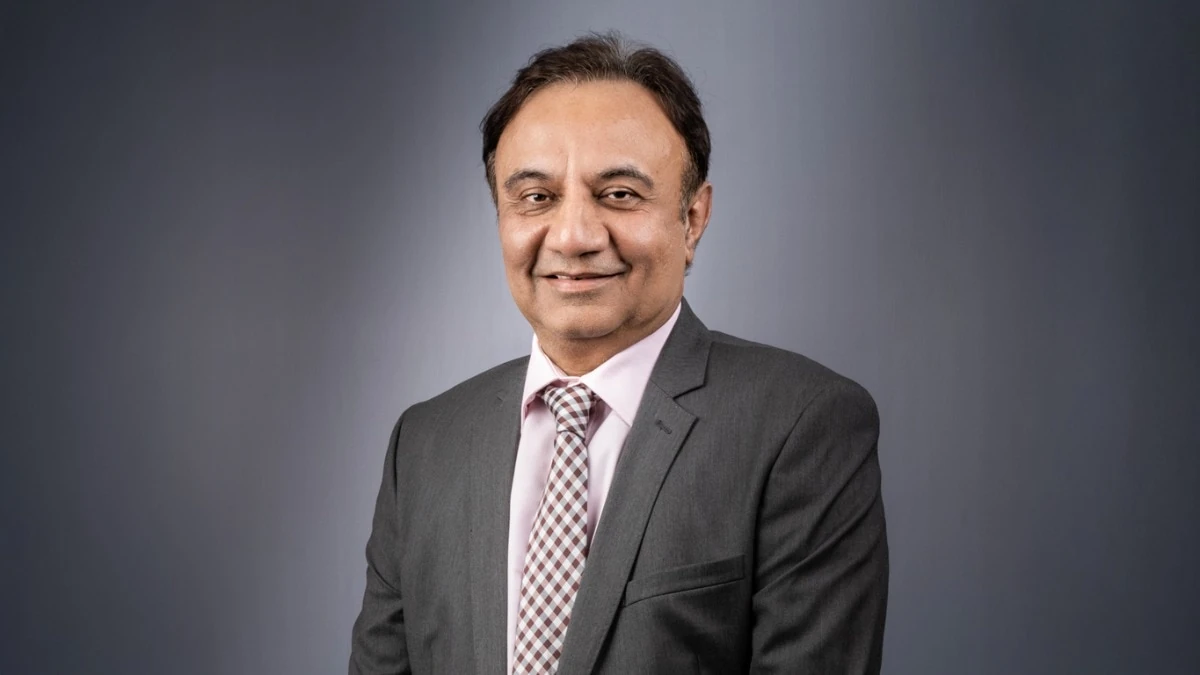
Sandeep Bakhshi’s leadership of ICICI Bank has been defined less by a dramatic strategic invention than by the consistent application of restraint. He took charge after a governance crisis, strengthened risk culture and allowed the bank’s digital reach and Indian economic growth to compound. For the quarter ended March 2026, profit after tax rose 8.5% to roughly ₹137 billion, net advances increased 15.8% and net interest income grew 8.4%. The common equity tier-one ratio remained above 16%. These figures describe a strong institution. They also create the conditions in which discipline is easiest to lose.
India’s credit opportunity is substantial. Formalisation, digital payments, infrastructure spending and rising household incomes are expanding demand across mortgages, vehicles, businesses and unsecured consumption. Banks with deposits, data and national distribution can grow quickly. Competition from HDFC Bank, State Bank of India, Axis Bank, non-bank lenders and fintech platforms intensifies the pressure to approve faster and price lower. Bakhshi must make sure ICICI does not mistake a favourable environment for permanent improvement in borrower quality.
The bank’s recent success comes from treating risk and growth as one process. Underwriting, pricing, collections and capital allocation need shared data and incentives. Managers should be rewarded for the performance of a loan over time, not its origination. This sounds conventional, but competitive cycles weaken memory. Bakhshi’s most important cultural contribution is to keep earlier problems present without making the organisation afraid to lend.
Retail growth needs granular scepticism
ICICI’s retail portfolio benefits from salary accounts, transaction data and extensive digital channels. Mortgages and secured lending can deepen relationships, while cards and personal loans generate higher yields. Aggregated numbers may appear diversified across millions of customers, yet borrowers can share exposure to the same employment sectors, property markets or inflation. The bank should stress portfolios by correlated shocks rather than relying only on individual credit scores.
Unsecured credit deserves particular caution. Digital distribution lowers acquisition cost and allows instant decisions, but speed can encourage borrowers to accumulate loans across platforms. Credit bureaus may lag recent obligations, and fraud networks adapt quickly. ICICI should use cash-flow information responsibly, verify affordability and intervene before delinquency. Growth that depends on refinancing household stress is neither inclusive nor durable.
Collections practices are part of governance. Automated reminders can improve efficiency, but vulnerable customers need fair restructuring and human review. Third-party agents should be monitored closely. A bank with ICICI’s scale can set industry standards for transparent communication and complaints. Conduct failures in a small portfolio can damage the whole institution.
Corporate India requires patient balance-sheet support
Interest-rate risk also deserves attention. Deposits can reprice faster than long-dated loans, narrowing margins even when credit quality remains good. ICICI should manage duration, hedging and product pricing without surprising customers. Earnings resilience will depend on the structure of the balance sheet, not only loan volumes.
Subsidiaries in insurance, securities and asset management broaden the relationship and introduce distinct regulators and risks. Bakhshi should ensure cross-selling remains suitable and that group data use is transparent. Capital should be allocated to subsidiaries based on their own returns rather than an assumption that every financial service completes the ecosystem.
Infrastructure, manufacturing and supply-chain investment create opportunity in corporate banking. India wants to expand electronics, renewable energy, transport and domestic production. These projects can support long-term growth but carry construction, policy and commodity risk. Bakhshi should avoid the concentration and optimistic assumptions that damaged Indian bank balance sheets in earlier cycles.
Consortium lending and market finance can distribute risk, while transaction banking and foreign exchange produce fee income without the same capital intensity. ICICI’s best corporate relationships should be broad and information-rich. Lending used only to win ancillary business can still create poor returns if pricing does not cover risk. Independent credit authority must remain strong when a client is strategically prominent.
Small and medium-sized enterprises offer wider economic impact. Digital invoices, tax records and payments can improve underwriting, but data should not make relationship knowledge obsolete. Smaller firms face working-capital shocks and may lack negotiating power. Products with flexible repayment tied to cash flow can expand access if terms are clear. ICICI should measure whether credit helps firms grow, not only whether it is repaid.
Technology must reinforce the bank rather than fragment it
Payments economics will evolve as India’s instant-payment system grows and pricing remains constrained. ICICI should view payments as relationship infrastructure, using them to improve service and risk insight rather than forcing direct fees that customers resist. The bank must still account for security, uptime and fraud costs when judging the value of digital scale.
ICICI was an early digital banking leader, and its mobile platforms now shape most customer interactions. Reliability and security are therefore core banking functions. Outages can interrupt salaries, merchant payments and urgent transfers. The bank needs resilient architecture, disciplined releases and transparent incident communication. Rapid feature growth is not valuable if systems become harder to recover.
Artificial intelligence can detect fraud, assist service and improve underwriting. It can also produce biased decisions or expose personal information. Bakhshi should require explainability appropriate to the impact of each use. A chatbot can tolerate limited error; a credit denial cannot. Models need validation across languages and regions, with accountable employees able to override and appeal outcomes.
Fintech partnerships can accelerate innovation, but vendor concentration and data access must be governed. Contracts should include security, audit and exit provisions. ICICI should avoid becoming dependent on a partner whose economics or ownership can change quickly. Open systems are valuable when the bank retains control of critical decisions and customer responsibility.
Deposits and capital determine the quality of growth
Regulation is changing alongside technology. The Reserve Bank of India is strengthening expectations around digital lending, operational resilience and customer protection. ICICI should engage early and treat compliance as a design input. Products built around clear consent and auditable decisions will adapt more easily than those optimised for short-term conversion. The bank’s scale gives it influence, but also a higher standard of care.
Rural and semi-urban expansion requires a different service model from metropolitan digital banking. Connectivity, documentation and cash usage vary. Business correspondents and branches still matter, especially when customers need help with fraud or inheritance. ICICI should combine low-cost technology with accountable local support. Closing physical access before alternatives work can turn efficiency into exclusion.
Climate risk is moving into ordinary credit. Heat, flooding and water stress affect farms, factories, property and household income across India. Models based only on historical loss may understate future exposure. The bank can finance solar power, efficient equipment and adaptation, but green labels should be supported by measurable use of proceeds. Transition opportunity does not remove underwriting risk.
Data governance underpins every digital advantage. Customers may consent to a payment service without expecting their behaviour to shape credit or marketing. ICICI should state purposes clearly, limit retention and give people practical control. Cybersecurity requires continuous investment in identity, monitoring and vendor oversight. One large breach could erase years of trust built through convenience.
Bakhshi should also maintain high-quality disclosure. Rapid portfolio growth needs vintage analysis, concentration data and transparent movement in stressed accounts. Investors should be able to distinguish genuine asset-quality improvement from restructuring or write-offs. Candour when indicators first weaken gives management room to act and reduces pressure for defensive explanations later.
Loan expansion is sustainable only with stable funding. Competition for deposits is increasing as customers compare rates and move money digitally. ICICI should deepen primary relationships through service and payments rather than relying on expensive wholesale funds. Transparent pricing and easy access build trust that promotional offers cannot replace.
The bank’s strong CET1 ratio provides a buffer and strategic flexibility. Capital should support organic growth, technology and dividends in a sequence that reflects risk. Acquisitions may be unnecessary when the franchise can compound internally. Bakhshi’s record suggests patience, and he should preserve it as valuations and competitive pressure fluctuate.
Succession is becoming part of institutional strength after his long tenure. The board has supported continuity, but senior leaders should gain clear authority and varied experience. Risk culture must be embedded in systems and incentives, not depend on the chief executive’s personal caution. Investors should understand the leadership pipeline and decision process without expecting a crisis to force disclosure.
Financial inclusion provides a broader measure. India’s digital public infrastructure has reduced transaction costs, but access to an account is not the same as useful finance. ICICI can design savings, insurance and credit for customers with irregular incomes while explaining terms in local languages. Inclusion that produces over-indebtedness would weaken public trust and invite regulation.
The next twelve to twenty-four months will likely continue rewarding growth. That is precisely why Bakhshi’s discipline matters. ICICI must expand in retail and corporate banking without relaxing underwriting, use AI without surrendering accountability and return capital without weakening resilience. The turnaround phase is over; the bank is now judged as a leading compounder. Its reputation will be secured not by avoiding every loss, which is impossible, but by demonstrating that risk was understood, priced and managed before the cycle changed. Restraint is most valuable when confidence is highest.