
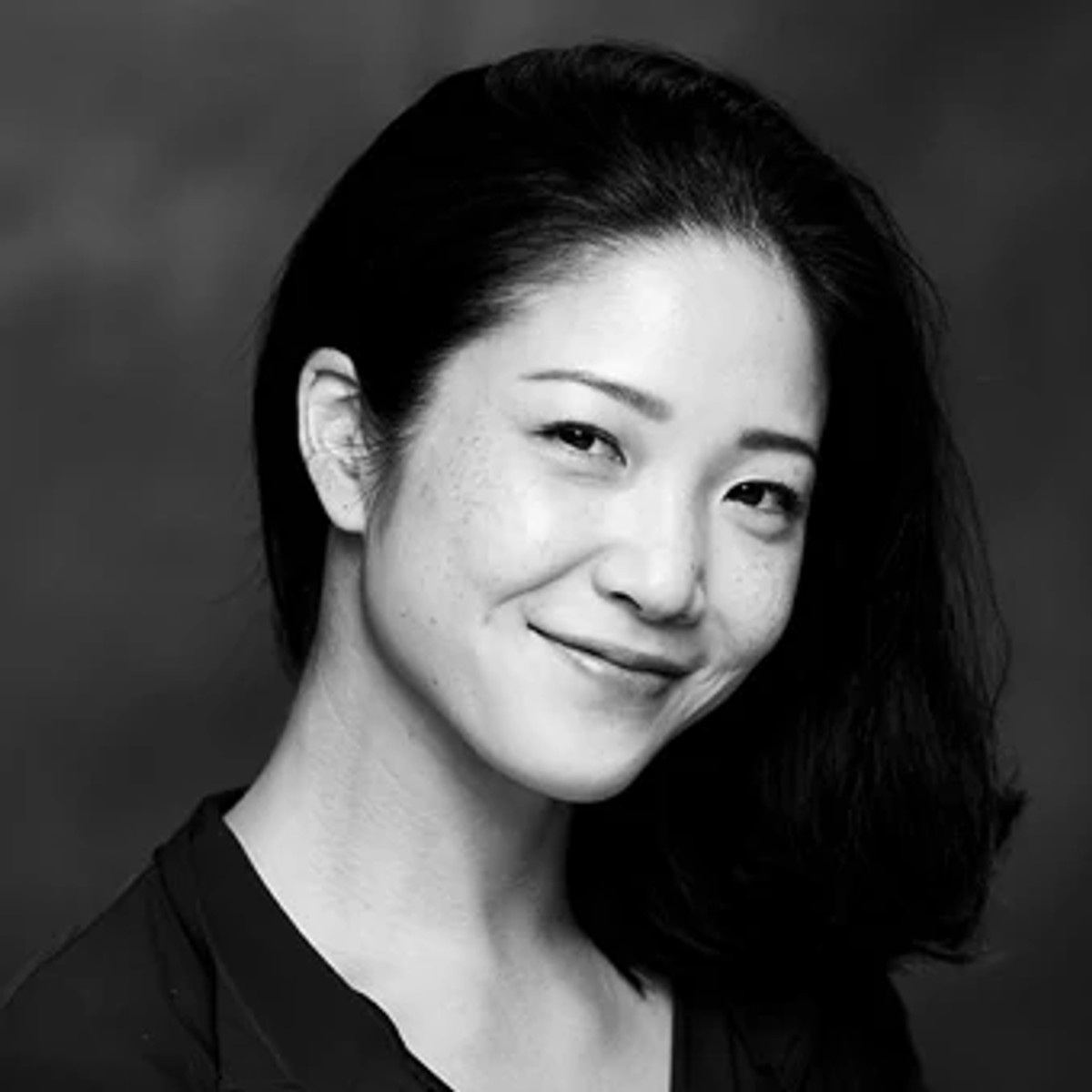
FigureAsia 35 Under 35 · Entertainment
Madoka Sugai
Age 31 · Classical and contemporary ballet · Japan
Japanese principal dancer transferring repertory authority from Hamburg to Boston
- Age at 31 December 2025
- 31
- Field
- Live dance performance
- Country or region
- Japan
- FigureAsia U35 Assessment
- 83.9 / 100
Profile
Career and documented record
Madoka Sugai is a Japanese ballet dancer who won the Prix de Lausanne in 2012, joined Hamburg Ballet in 2014 and became a principal there in 2019. That record established classical and contemporary range across work by John Neumeier and other choreographers. In 2025 she moved to Boston Ballet at principal rank, but the appointment alone does not qualify her.
Her completed first Boston season supplied the necessary performance record. In the 2025 production of George Balanchine's Jewels, Sugai and Yue Shi carried the muscular, syncopated demands of Rubies. In The Nutcracker she appeared as Dew Drop, with independent criticism identifying the performance rather than simply recording a cast list.
During the 2026 Spring Experience she opened William Forsythe's Herman Schmerman pas de deux with Tyson Ali Clark and performed in Jerome Robbins's Dances at a Gathering. Reviews described a combination of exact geometry, quick directional change, humour and apparent lightness. Those qualities matter because they show a principal adapting to a new company's repertory through completed work, not through the promise implied by recruitment.
On 4 June 2026, Sugai completed full-length title responsibility as Princess Aurora in Boston Ballet’s The Sleeping Beauty. The casting record extends the evidence beyond a principal appointment and mixed-repertory appearances: within the assessment window she had been entrusted with, and performed, one of classical ballet’s most exposed narrative leads in the company’s 2-hour-45-minute production.
FigureAsia selection
Why Madoka Sugai is on the list
FigureAsia selected Sugai because her cross-company move was followed by completed performances that made adaptation visible. Rubies, The Nutcracker, Forsythe and Robbins require different relationships to attack, line, wit and ensemble timing; the record is broader than one appointment.
The work carries a material Asian and global connection: a Japanese-trained dancer moved from a leading German company into an American principal roster and was assessed in performance on both classical and contemporary terms. Geography explains the cross-market achievement; it does not replace the craft evidence.
Her score is constrained by the specialist scale of ballet audiences and by shared duet and ensemble responsibility. Within those limits, the documented 2025–26 execution supports a place in the final cohort.
The June 2026 Aurora adds a decisive proof of responsibility. Rather than treating Sugai’s principal appointment as an achievement by itself, FigureAsia can point to a completed full-length title performance after her rapid integration into Jewels, The Nutcracker and spring repertory. That progression—from new principal to executed classical lead—makes the institutional transition materially attributable.
Verified work
The 2025–26 record
Boston Ballet repertory entry
Joined Boston Ballet as a principal and then completed featured work in Balanchine's Jewels rather than qualifying on appointment alone.
The Nutcracker
Performed Dew Drop in the completed Boston production, with independent criticism identifying her acting and execution.
Herman Schmerman
Opened Forsythe's pas de deux in Spring Experience with quick geometry, rhythmic contrast and understated humour.
Dances at a Gathering
Completed featured work in Robbins's ensemble ballet, demonstrating musical and dramatic adjustment inside her new company.
Full-length title responsibility
Performed Princess Aurora in Boston Ballet’s 2-hour-45-minute The Sleeping Beauty on 4 June 2026, completing one of the classical repertory’s most exposed title roles.
Field context
The work in its field
A principal transfer can be overvalued as an institutional announcement. FigureAsia therefore separated the move from the evidence that followed it: named casting, finished performances and independent description of Sugai's execution. Ballet remains jointly made by choreographers, partners, coaches, musicians and ensembles. Her case is the speed with which her own attack, balance and musical response became consequential inside a different company system.
Sugai’s principal appointment becomes meaningful only because completed casting followed it. Her featured work in Jewels, The Nutcracker and the 2026 repertory shows how quickly attack, balance and musical responsiveness translated into a new company system; the edition therefore assesses performed responsibility, not the announcement of institutional rank. Her completed Princess Aurora on 4 June 2026 adds full-length narrative responsibility to that cross-company evidence.
FigureAsia U35 Assessment
Assessment breakdown
83.9out of 100
Substantive 2025–2026 contribution
16.5 / 20
Completed 2025–26 featured performances converted an international appointment into a substantive record.
Verified impact
11.5 / 15
Named casting and specialist criticism verify consequence, though ballet's public audience measures remain limited.
Originality and distinction
8.5 / 10
Sugai adjusted attack, humour and musicality across Balanchine, Forsythe, Robbins and a classical holiday repertory.
Industry influence
8 / 10
A principal transfer between major companies is influential only because the subsequent performance sustained it.
Individual agency
8.5 / 10
Her technique and interpretation remain identifiable after partners, ensemble and coaching receive full credit.
Durability and demonstrated trajectory
5 / 5
The Boston season continues a completed principal trajectory from Hamburg rather than forecasting future work.
Asian significance and global relevance
4.5 / 5
A Japanese dancer carried an established Asian training record through German and American ballet systems.
Craft or creative execution
7.5 / 8
Speed, balance, geometric clarity and changes of tone were independently observed across contrasting works.
Performance, narrative or production responsibility
5 / 6
Featured duet and ensemble responsibilities were substantial but explicitly shared.
Audience and critical consequence
3.9 / 5
Reviews document field-specific consequence without translating specialist reception into mass reach.
Cross-market and format achievement
2.5 / 3
The work crosses German and American company systems and classical/contemporary repertory.
Professional practice and representation
2.5 / 3
The career broadens visible Japanese participation in international ballet while identity itself earns no score.