
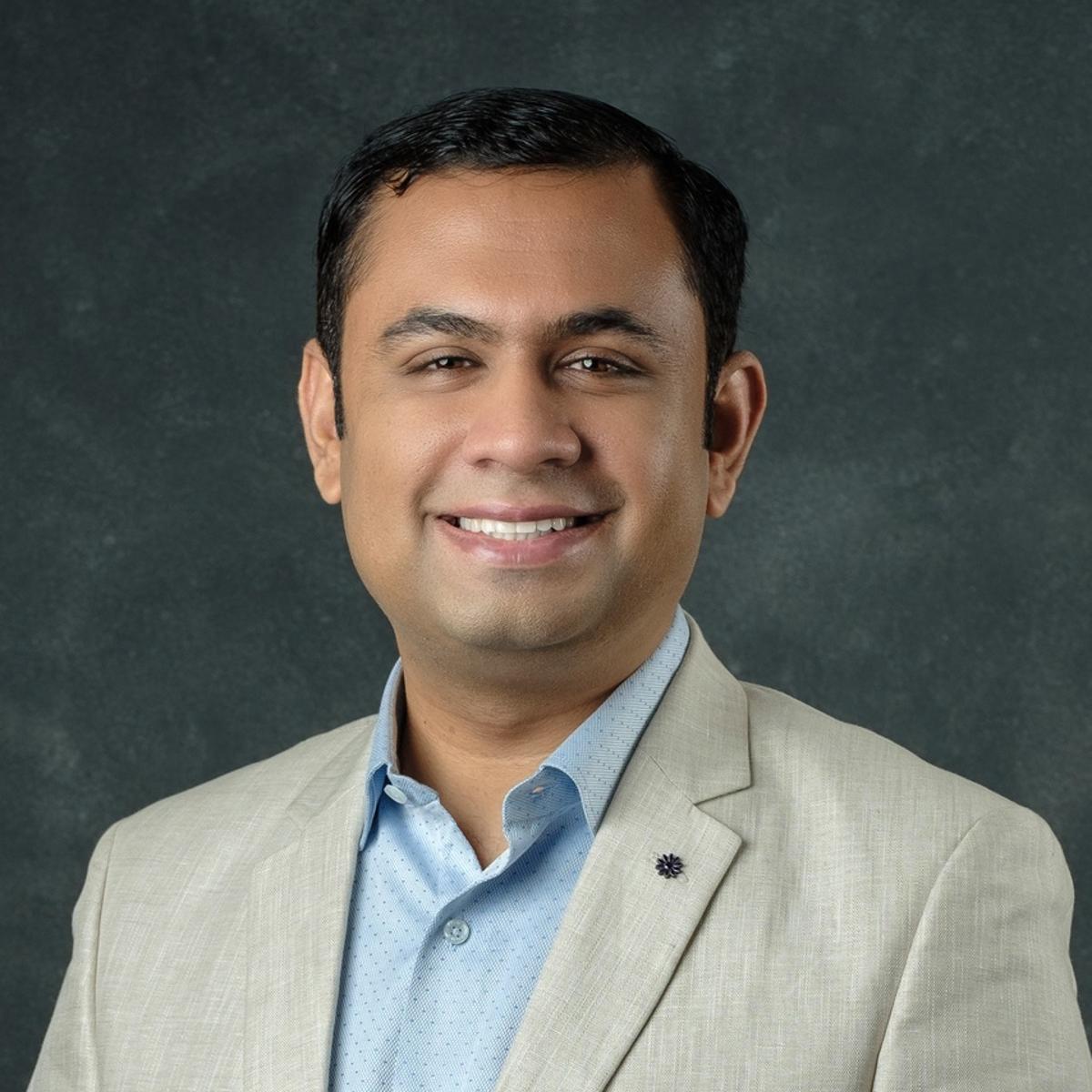
FigureAsia 35 Under 35 · Finance
Harshil Mathur
Age 34 · Payments infrastructure · India
A payments founder who combined rapid operating growth with the difficult return of a global corporate structure to India.
- Age at the edition eligibility date
- 34
- Field
- Finance
- Country or region
- India
- FigureAsia U35 Assessment
- 94.0 / 100
Profile
Career and documented record
Harshil Mathur has spent more than a decade building the software and regulated infrastructure that allows Indian businesses to accept payments, move money and use financial services. His role is operational rather than ceremonial: as co-founder and chief executive, he has overseen Razorpay's business and management since its inception. By FY25, the company reported ₹3,783 crore in revenue, 65% growth from the prior year, while gross profit rose 41%. Its online-payments operation was EBITDA-positive and cash-generative.
The more consequential 2025 event was structural. Razorpay completed the transfer of its corporate domicile from the United States to India on 29 May, bringing ownership of a large, internationally organised fintech group under an Indian parent. Such moves require tax, legal, regulatory and shareholder coordination and are materially different from announcing an intention to list. The year also carried a substantial accounting loss linked in part to employee-share costs, a reminder that scale and revenue growth do not remove the need to test durable group profitability.
FigureAsia selection
Why Harshil Mathur is on the list
FigureAsia selected Mathur for a completed combination of operational and institutional work. Razorpay did not simply raise capital or publicise a future transaction: it sustained a high-volume payments business, reported strong revenue growth and finished a complex domicile return. The chain of personal agency is clear because Mathur founded the company, remains chief executive and is formally responsible for business and management operations.
The recognition does not treat a prospective public offering as an achievement, nor does it assume that company-wide results belong to one person. Payments infrastructure depends on engineers, risk teams, banking partners and regulators. Mathur is recognised for accountable founder leadership through a completed structural transition and a measured operating record, with profitability, regulatory resilience and service quality left as continuing tests.
Verified work
The 2025–26 record
Closed FY25 with substantial operating growth
Razorpay reported ₹3,783 crore in revenue, up 65%, and 41% growth in gross profit; its online-payments business was EBITDA-positive and cash-generative.
Completed the corporate return to India
The group finished its US-to-India domicile transfer, placing the international fintech business under an Indian parent after a multi-stage legal and regulatory process.
Field context
The work in its field
India's payment economy is no longer defined only by transaction growth. Infrastructure providers must handle fraud, settlement, merchant onboarding, credit risk, data governance and a dense network of bank and regulatory relationships while keeping services reliable at very high volumes.
Corporate structure has also become part of the sector's institutional maturity. Returning an overseas parent to India can align regulation, ownership and a possible domestic listing, but it carries real costs and execution risk. The relevant measure is completion and subsequent operating discipline, not an announced intention to move.
FigureAsia U35 Assessment
Assessment breakdown
94.0out of 100
Completed financial consequence
29 / 30
Closed FY25 with substantial operating growth is treated as a delivered financial outcome. The score is confined to the completed result described in the record and excludes projections or paper valuation.
Individual agency and execution
24 / 25
The documented role—Co-founder and Chief Executive Officer—and the attributed actions in the profile establish accountable execution. Institution-wide results are not assigned to the person alone.
Verified reach and significance
19 / 20
India's payment economy is no longer defined only by transaction growth. Infrastructure providers must handle fraud, settlement, merchant onboarding, credit risk, data governance and a dense network of bank and regulatory relationships while keeping services reliable at very high volumes.
Innovation and field influence
14 / 15
The record combines payments infrastructure with the completed work described in Completed the corporate return to India. Credit reflects demonstrated practice, not a claim of novelty by itself.
Stewardship, access and Asian relevance
8 / 10
The Asian connection is explicit: An Indian founder who built a Bengaluru-based payments and banking-software company serving businesses in India and operating through subsidiaries across Asia and other markets. Stewardship credit is limited to the regulatory, governance, access or stakeholder evidence described in the profile.