
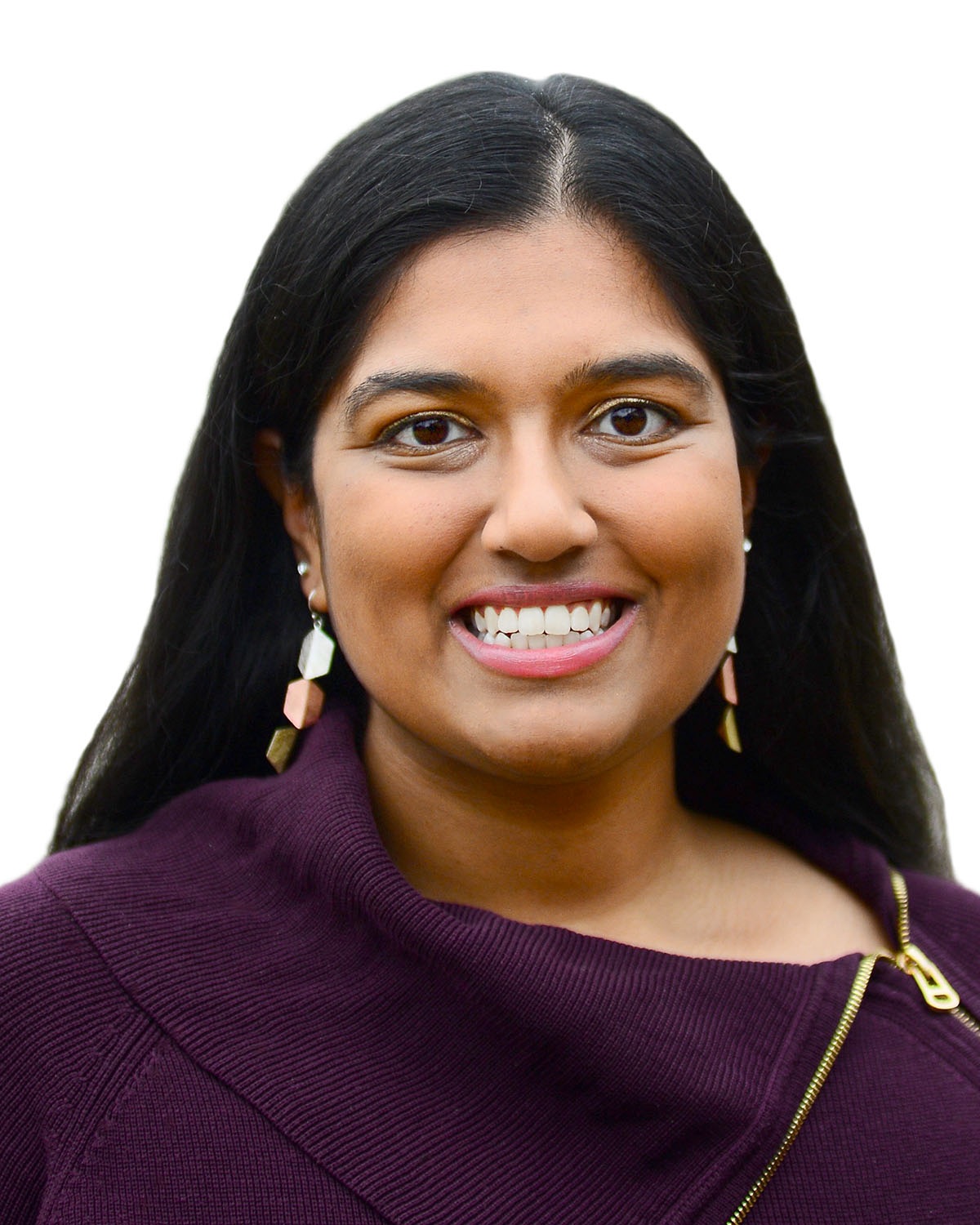
FigureAsia 35 Under 35 · Healthcare
Akshaya V. Annapragada
Age 30 · Cancer detection and cell-free DNA fragmentomics · Baltimore, United States
An equal-first author on a 591-woman ovarian-cancer study and first author of a 2026 fragmentome-based disease-classification paper.
- Approximate age at 31 December 2025
- 30
- Field
- Healthcare
- Country or region
- Baltimore, United States
- FigureAsia U35 Assessment
- 90.1 / 100
Profile
Career and documented record
Akshaya Annapragada studies a signal that standard mutation searches can miss: the way cell-free DNA breaks apart in the bloodstream. In a 2025 ovarian-cancer study of 591 women, she was an equal first author on a machine-learning fragmentomics approach that reported greater than 99% specificity. Sensitivity was stage-dependent — 72% for stage I, 69% for stage II, 87% for stage III and 100% for stage IV in the reported dataset — a profile that makes both the promise and the remaining gap visible.
Her research record inside the window did not stop with one cancer type. She contributed to 2025 work on cell-free DNA in brain cancer and became first author of a 2026 translational paper examining fragmentome patterns for disease classification. Across these studies, the recurring contribution is methodological: extracting a richer biological signature from DNA fragments and testing how well it separates clinically relevant groups.
The work is retrospective and case-control rather than a prospective screening programme. High specificity in a study cohort does not establish population-level performance, and no test described here is an approved screening product. Annapragada's standing rests on the quality and continuity of the translational research, her visible authorship and the importance of solving the false-positive problem in early detection.
FigureAsia selection
Why Akshaya V. Annapragada is on the list
FigureAsia selected Annapragada because her 2025–2026 record combines unusually clear personal agency with clinically legible metrics. The ovarian study's stage-level performance invites scrutiny instead of hiding behind a single headline number, and her subsequent first-author work shows a sustained research programme. She represents the strongest kind of emerging physician-scientist: technically original, close to a consequential clinical question and precise about what current evidence cannot yet prove.
Verified work
The 2025–26 record
Principal milestone
591 women in the ovarian-cancer study
Evidence record
Greater than 99% reported specificity
Scale or implementation
Stage-specific sensitivity ranged from 69% to 100% in the study cohort
Field context
The work in its field
Within cancer detection and cell-free dna fragmentomics, the relevant test is whether a result can survive scrutiny of maturity, attribution, validity and practical fit. That distinction matters: completed evidence is not projected benefit, and individual responsibility is not interchangeable with the wider team’s achievement.
FigureAsia U35 Assessment
Assessment breakdown
90.1out of 100
Substantive 2025–2026 contribution
20 / 20
The score reflects completed 2025–26 work in cancer detection and cell-free dna fragmentomics, assessed at the documented maturity of retrospective translational validation.
Verified impact
13.5 / 15
Impact credit is limited to the measured study, regulatory, implementation or operating record stated in the profile; unsupported patient benefit is excluded.
Originality and distinction
9 / 10
The work creates or materially advances a distinctive capability within cancer detection and cell-free dna fragmentomics rather than relying on title or institutional association.
Field and industry influence
8 / 10
The assessment recognises demonstrated effects on research, product development, care delivery or professional practice, with publicity alone carrying no weight.
Individual agency
9 / 10
Named authorship and the documented role of MD–PhD Candidate and Liquid-Biopsy Researcher establish individual responsibility while preserving credit for collaborators.
Durability and trajectory
4.5 / 5
The cited work forms part of a continuing programme, platform or research trajectory rather than a single uncompleted announcement.
Asian significance and global relevance
4 / 5
The Asian connection is material to the person's identity, operating base or populations served: Indian-American; born in California to parents who immigrated from India.
Clinical and scientific validity
7 / 7
Clinical and scientific validity is calibrated to retrospective translational validation, with the profile retaining the evidence boundary attached to the result.
Safety, quality and responsible governance
6.3 / 7
Safety and governance credit reflects accurate regulatory language, study limitations, data stewardship and the refusal to turn early evidence into clinical certainty.
Translation and care-pathway fit
4.8 / 6
The work is scored for its demonstrated fit with a laboratory, regulatory, clinical, operational or public-health pathway, not for projected future adoption.
Access, equity and resource stewardship
4 / 5
Access credit reflects documented reach, capacity, affordability or inclusion while distinguishing service volume from proven clinical outcome.