
Healthcare
Thirty-five Asian and Asian-diaspora clinicians, scientists, bioengineers and builders whose completed 2025–26 work is already changing the terms of care.
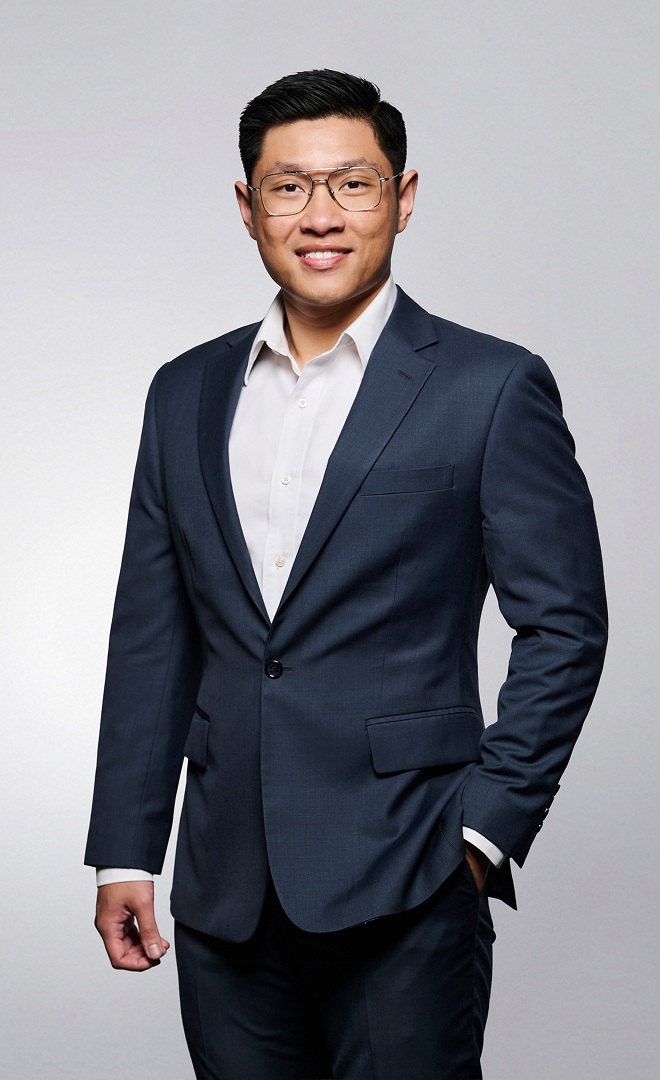 Featured honouree
Aengus Tran
Healthcare · Sydney, Australia
Aengus Tran
Clinical artificial intelligence and radiology · Sydney, Australia
A physician-founder whose radiology systems moved through large-scale deployment, international expansion and a 2026 US clearance for acute-infarct triage.
View profile
Featured honouree
Aengus Tran
Healthcare · Sydney, Australia
Aengus Tran
Clinical artificial intelligence and radiology · Sydney, Australia
A physician-founder whose radiology systems moved through large-scale deployment, international expansion and a 2026 US clearance for acute-infarct triage.
View profile
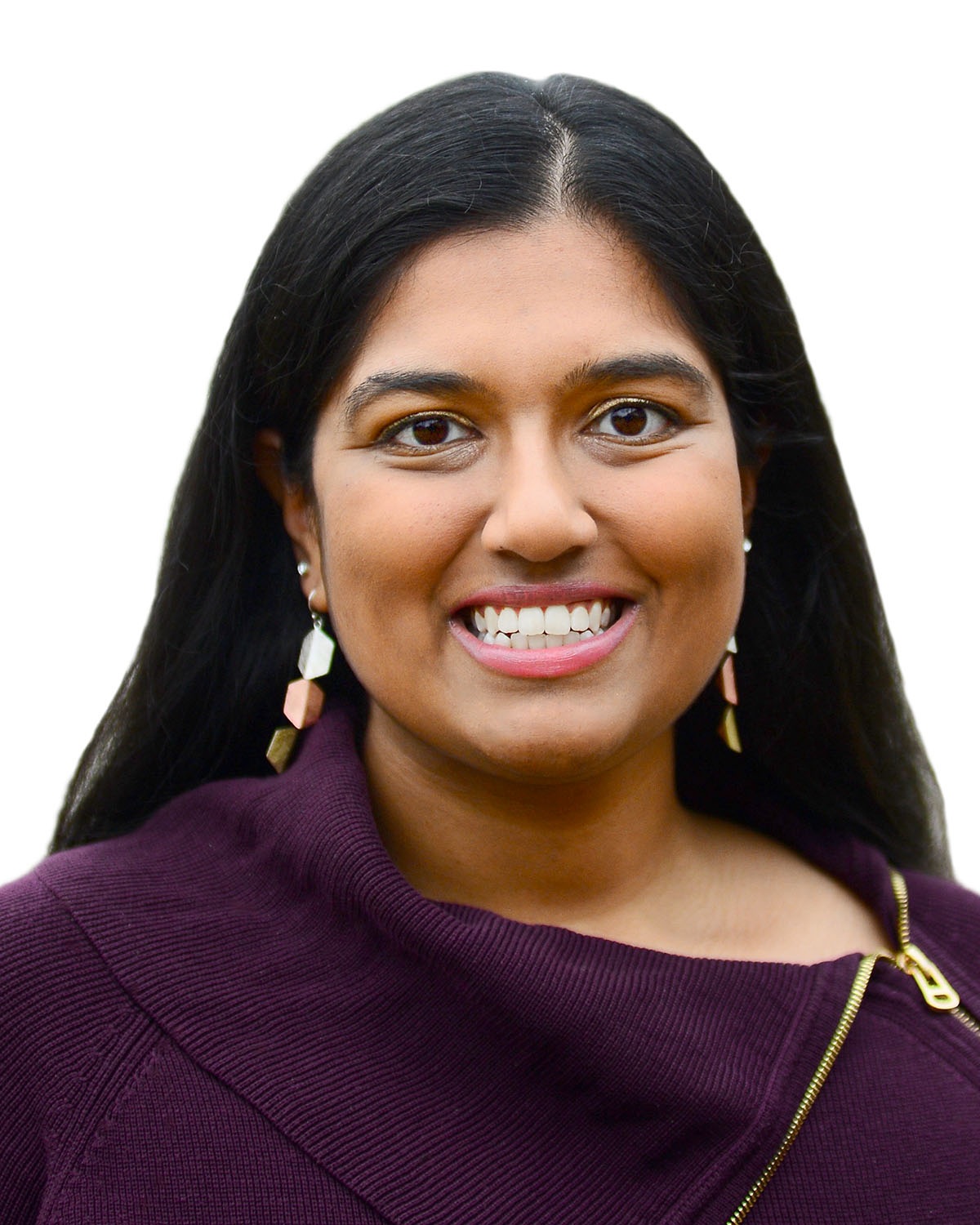 Akshaya V. Annapragada
Cancer detection and cell-free DNA fragmentomics · Baltimore, United States
An equal-first author on a 591-woman ovarian-cancer study and first author of a 2026 fragmentome-based disease-classification paper.
View profile
Akshaya V. Annapragada
Cancer detection and cell-free DNA fragmentomics · Baltimore, United States
An equal-first author on a 591-woman ovarian-cancer study and first author of a 2026 fragmentome-based disease-classification paper.
View profile
 Levana Sani
Pharmacogenomics and precision medicine · Singapore and Jakarta
Founder behind a pharmacogenomics programme spanning real-world outpatient feasibility and a 1,500-patient precision-prescribing initiative.
View profile
Levana Sani
Pharmacogenomics and precision medicine · Singapore and Jakarta
Founder behind a pharmacogenomics programme spanning real-world outpatient feasibility and a 1,500-patient precision-prescribing initiative.
View profile
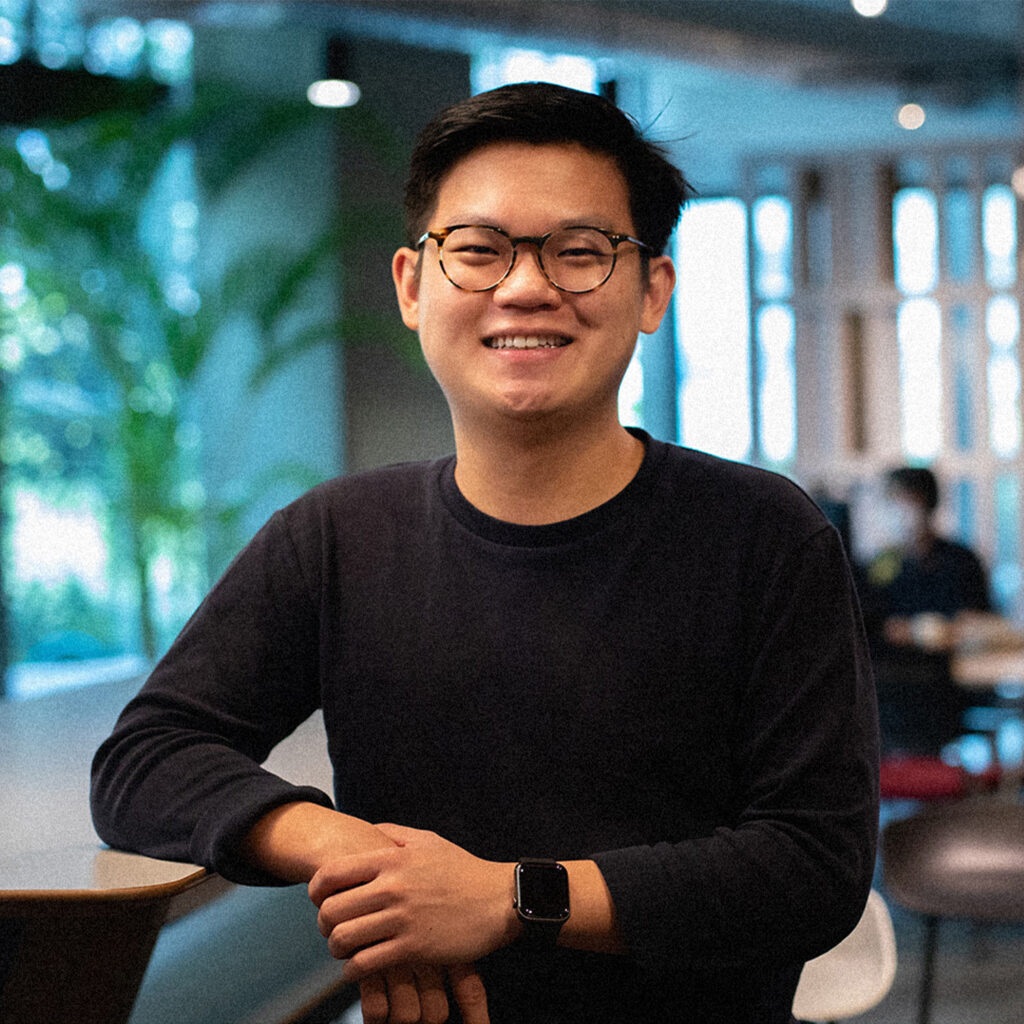 Theodoric Chew
Mental-health services and digital care delivery · Singapore
A Singaporean founder whose platform reports service availability in more than 150 countries and over 40 languages, backed by a growing clinical workforce.
View profile
Theodoric Chew
Mental-health services and digital care delivery · Singapore
A Singaporean founder whose platform reports service availability in more than 150 countries and over 40 languages, backed by a growing clinical workforce.
View profile
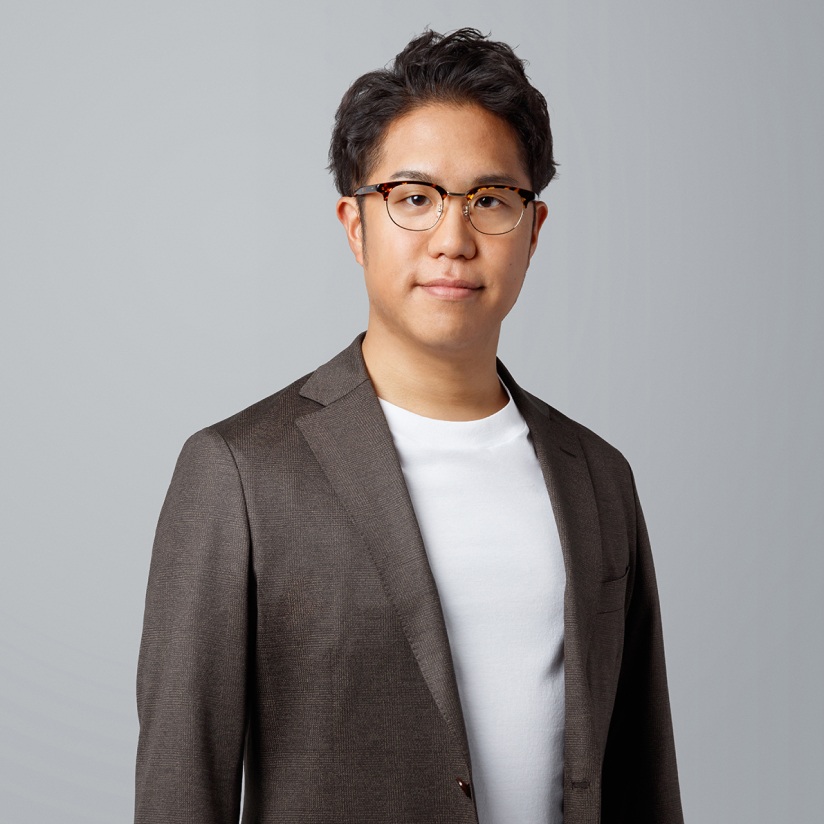 Ryuichi Onose
Urinary microRNA and cancer-risk assessment · Tokyo and Nagoya, Japan
Founder of a Japanese molecular-diagnostics company that expanded urinary microRNA testing, accumulated more than 30,000 clinical samples and raised US$22 million in 2025.
View profile
Ryuichi Onose
Urinary microRNA and cancer-risk assessment · Tokyo and Nagoya, Japan
Founder of a Japanese molecular-diagnostics company that expanded urinary microRNA testing, accumulated more than 30,000 clinical samples and raised US$22 million in 2025.
View profile
 Khet Singh Rajpurohit
Health-insurance claims and patient financing · Bengaluru, India
Founder whose claims platform grew from more than 250 hospitals in May 2025 to about 450 by January 2026, while processing 8,000–9,000 monthly claims.
View profile
Khet Singh Rajpurohit
Health-insurance claims and patient financing · Bengaluru, India
Founder whose claims platform grew from more than 250 hospitals in May 2025 to about 450 by January 2026, while processing 8,000–9,000 monthly claims.
View profile
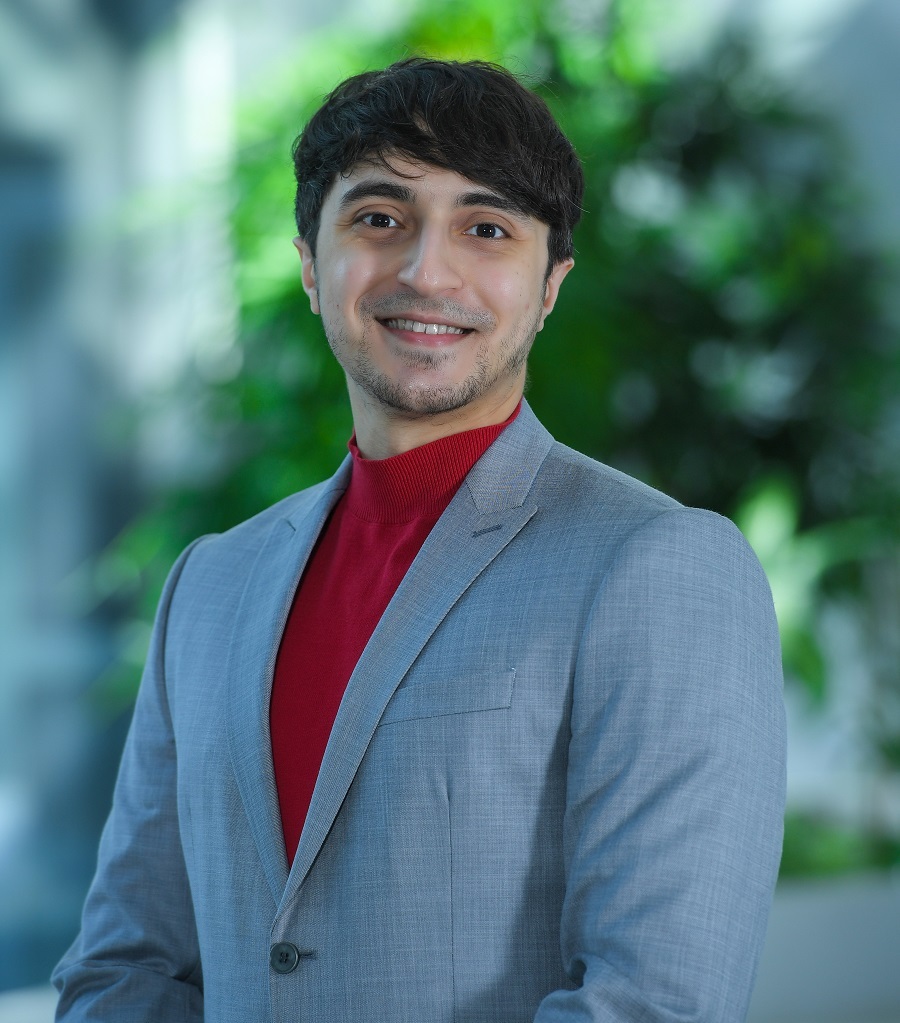 Mohanad Alkhodari
Hypertension, physiological signals and cardiovascular AI · Oxford, United Kingdom
Lead researcher on HyperScore, a 2026 method that derived six hypertension trajectories from large population datasets and added risk information beyond a single blood-pressure reading.
View profile
Mohanad Alkhodari
Hypertension, physiological signals and cardiovascular AI · Oxford, United Kingdom
Lead researcher on HyperScore, a 2026 method that derived six hypertension trajectories from large population datasets and added risk information beyond a single blood-pressure reading.
View profile
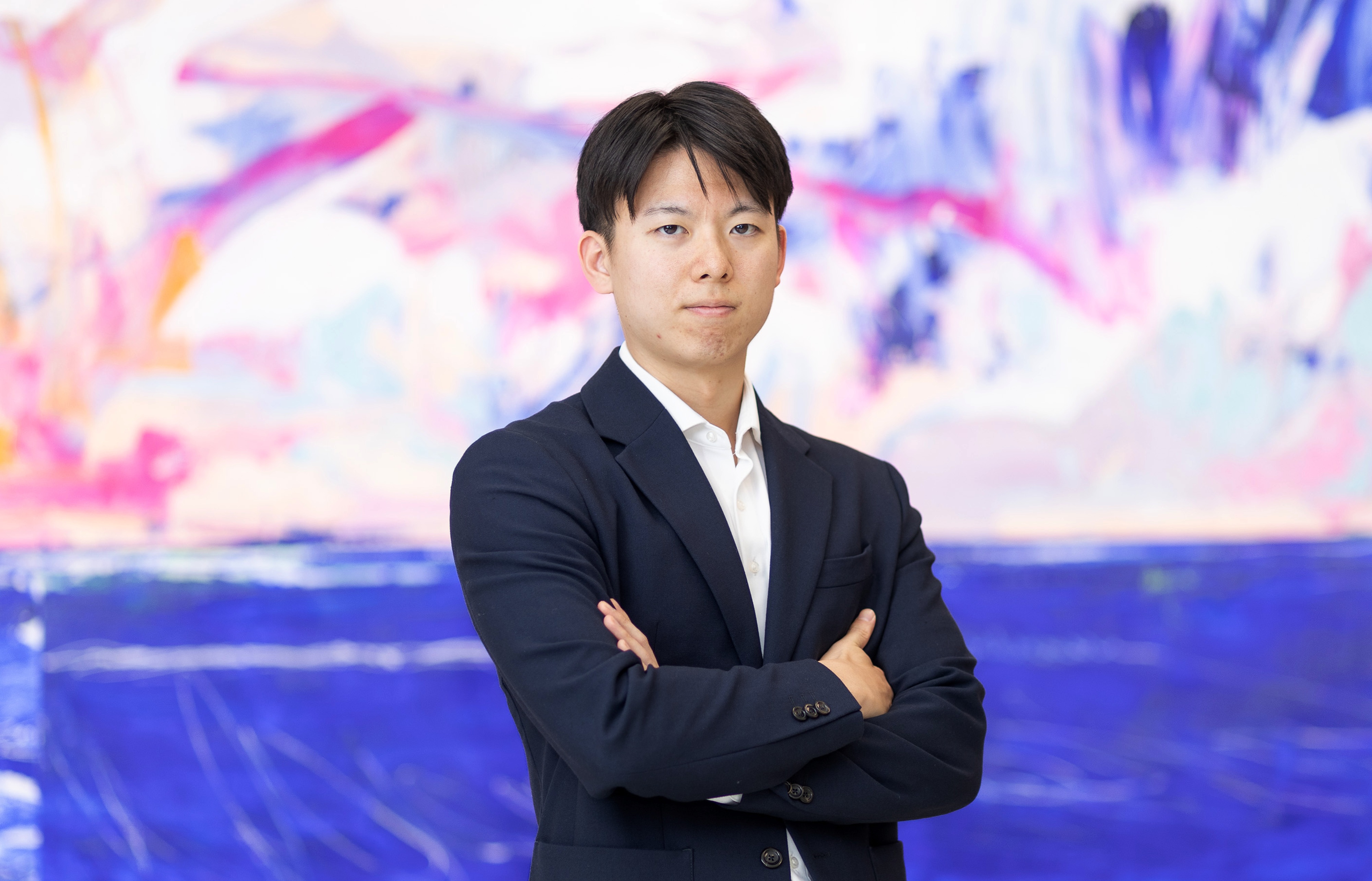 Yo Nakahara
Ambient clinical documentation · Tokyo, Japan
Physician-founder whose service reports use by more than 1,000 institutions and about 50,000 documents a week, with a 2025 hospital validation reporting roughly 2,000 hours saved over three months.
View profile
Yo Nakahara
Ambient clinical documentation · Tokyo, Japan
Physician-founder whose service reports use by more than 1,000 institutions and about 50,000 documents a week, with a 2025 hospital validation reporting roughly 2,000 hours saved over three months.
View profile
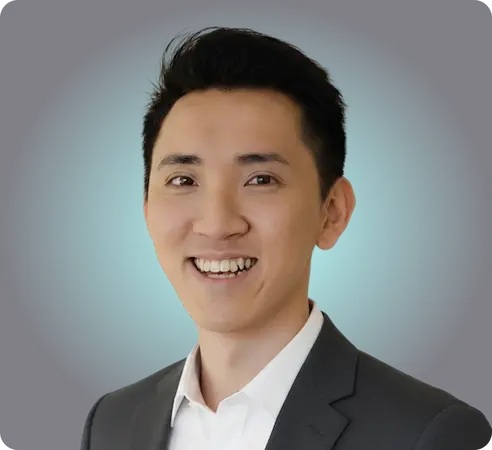 Teric Tsz Tai Chan
Camera-based physiological measurement · Hong Kong
Scientific cofounder behind a second US 510(k) clearance, adding respiratory-rate measurement to camera-derived pulse and oxygen-saturation functions.
View profile
Teric Tsz Tai Chan
Camera-based physiological measurement · Hong Kong
Scientific cofounder behind a second US 510(k) clearance, adding respiratory-rate measurement to camera-derived pulse and oxygen-saturation functions.
View profile
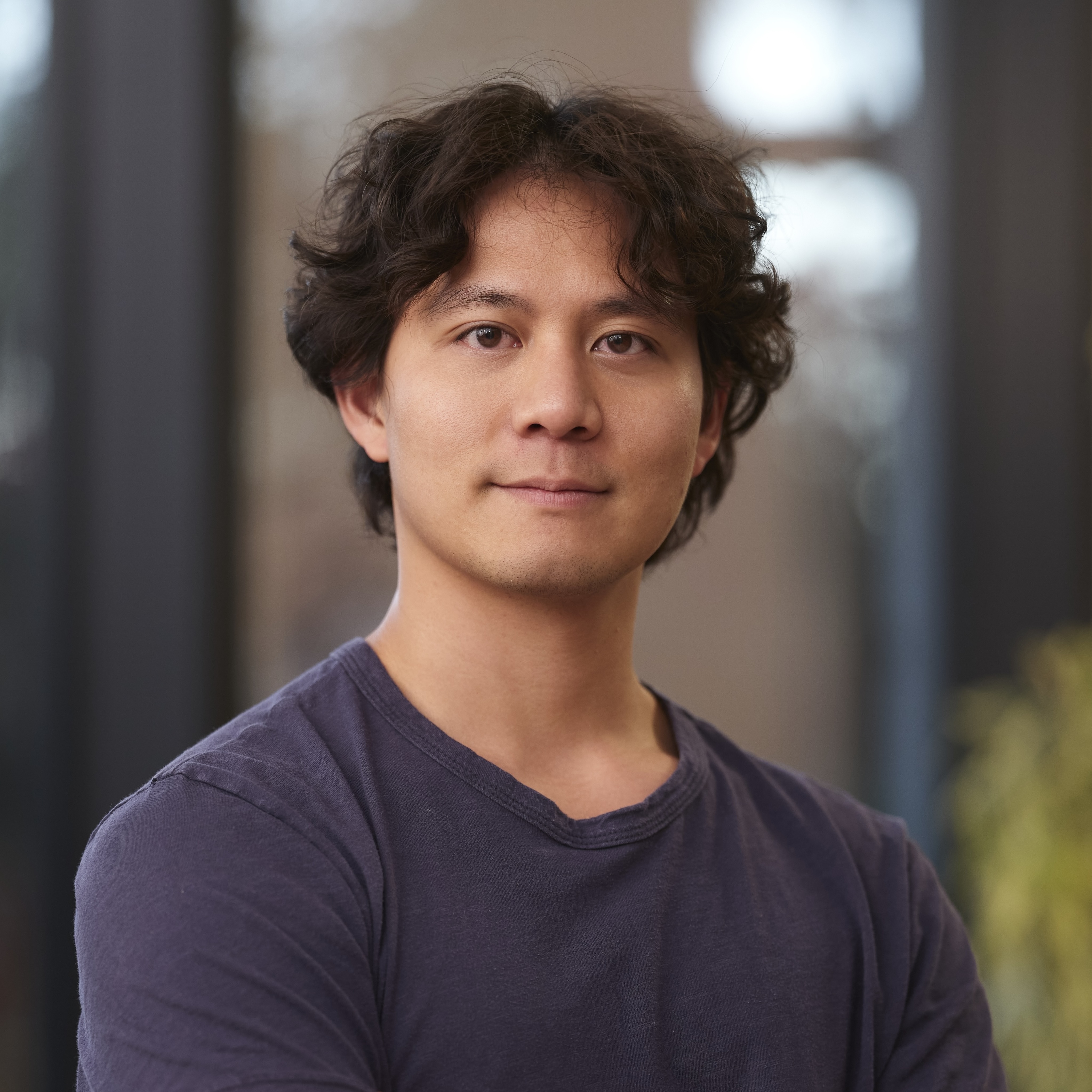 Patrick D. Hsu
Genome engineering and generative biology · Berkeley and Palo Alto, United States
A co-senior author behind Evo 2 and the senior investigator on programmable human-genome rearrangements approaching one million base pairs.
View profile
Patrick D. Hsu
Genome engineering and generative biology · Berkeley and Palo Alto, United States
A co-senior author behind Evo 2 and the senior investigator on programmable human-genome rearrangements approaching one million base pairs.
View profile
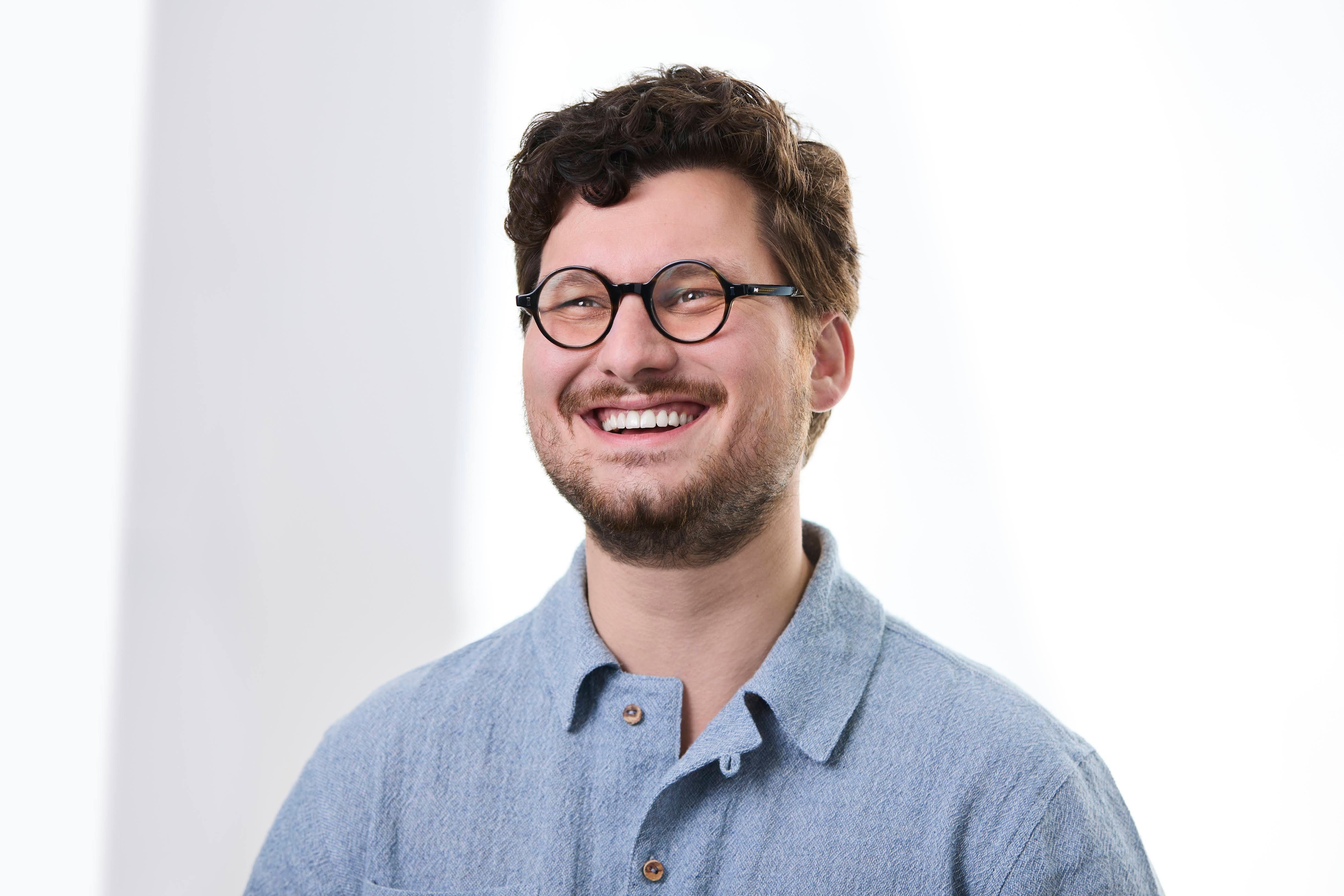 Deniz Kent
Biomanufacturing and cell-process control · California, United States
Founder whose company entered an FDA emerging-technology pathway, received a 2025 global-health grant and reported a 21 g/L antibody titre in 2026.
View profile
Deniz Kent
Biomanufacturing and cell-process control · California, United States
Founder whose company entered an FDA emerging-technology pathway, received a 2025 global-health grant and reported a 21 g/L antibody titre in 2026.
View profile
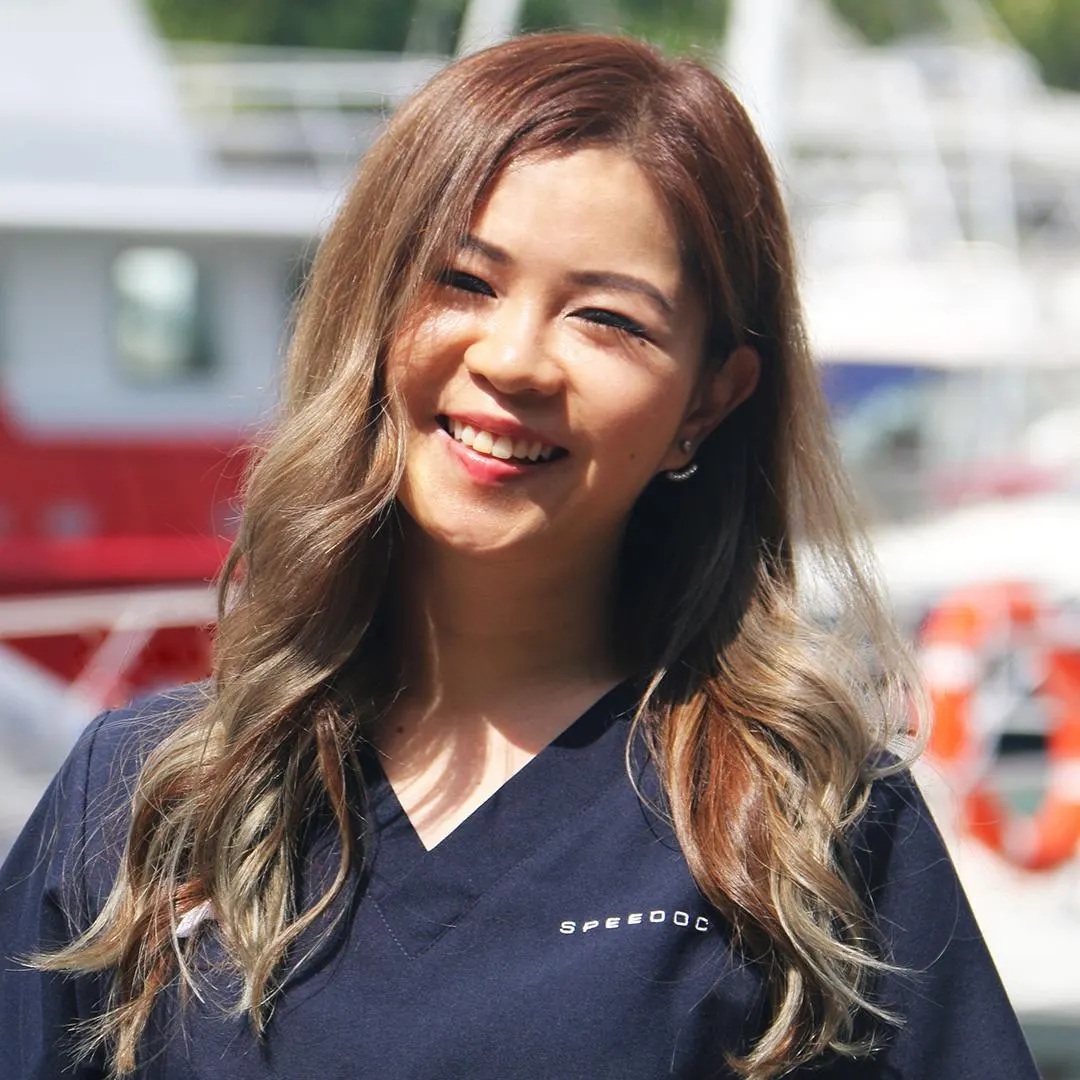 Serene Cai Huiting
Home-based care and telehealth · Singapore
Physician-founder whose platform reports more than 300,000 home visits, over 500 licensed clinicians and partnerships with more than 20 hospitals across two countries.
View profile
Serene Cai Huiting
Home-based care and telehealth · Singapore
Physician-founder whose platform reports more than 300,000 home visits, over 500 licensed clinicians and partnerships with more than 20 hospitals across two countries.
View profile
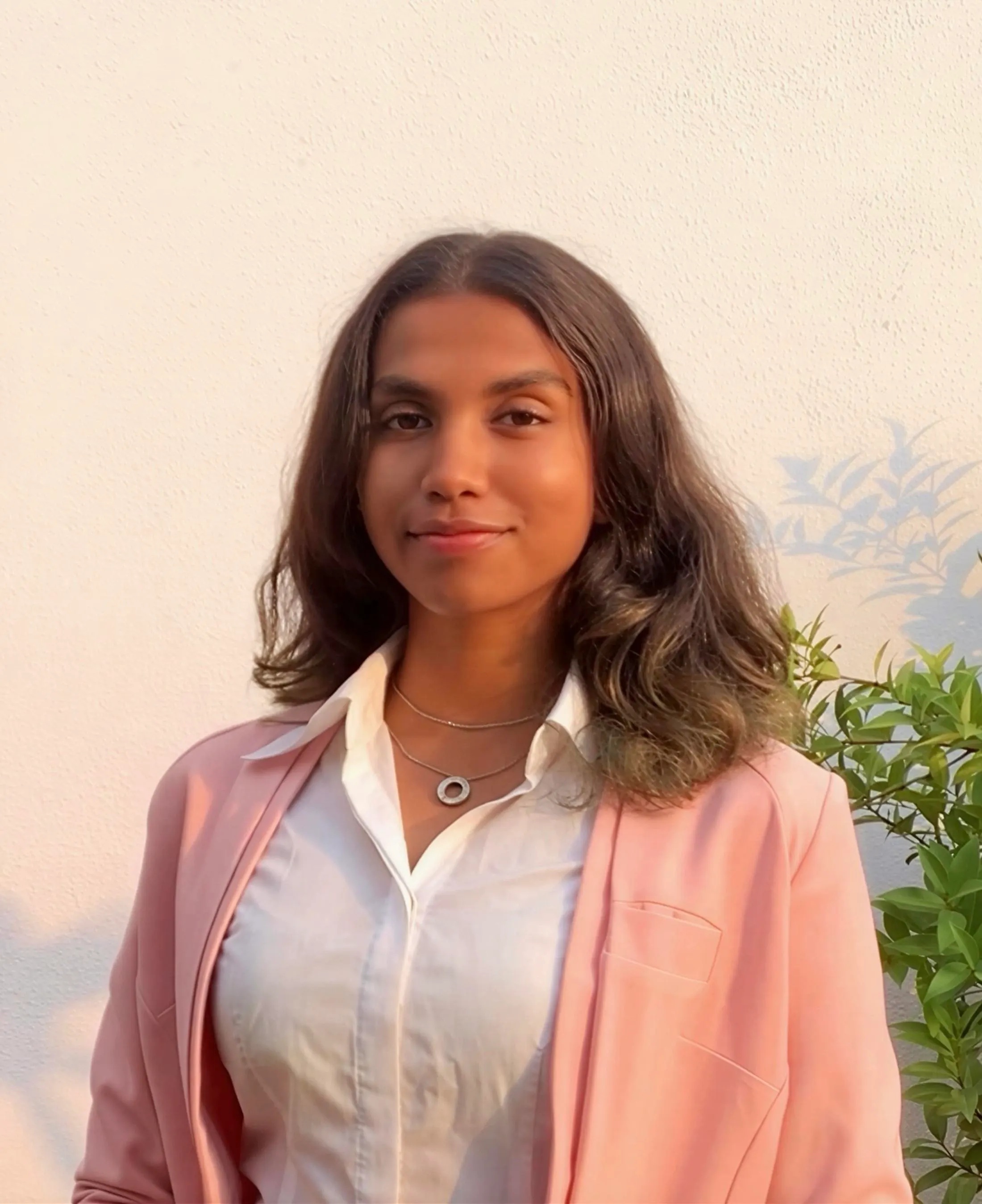 Divaa Uthkarsha
Type 1 diabetes access and community health · Bengaluru, India
Teen founder whose programme reports support for 3,190 children with Type 1 diabetes and whose first-author study documented a major knowledge gap among rural health workers.
View profile
Divaa Uthkarsha
Type 1 diabetes access and community health · Bengaluru, India
Teen founder whose programme reports support for 3,190 children with Type 1 diabetes and whose first-author study documented a major knowledge gap among rural health workers.
View profile
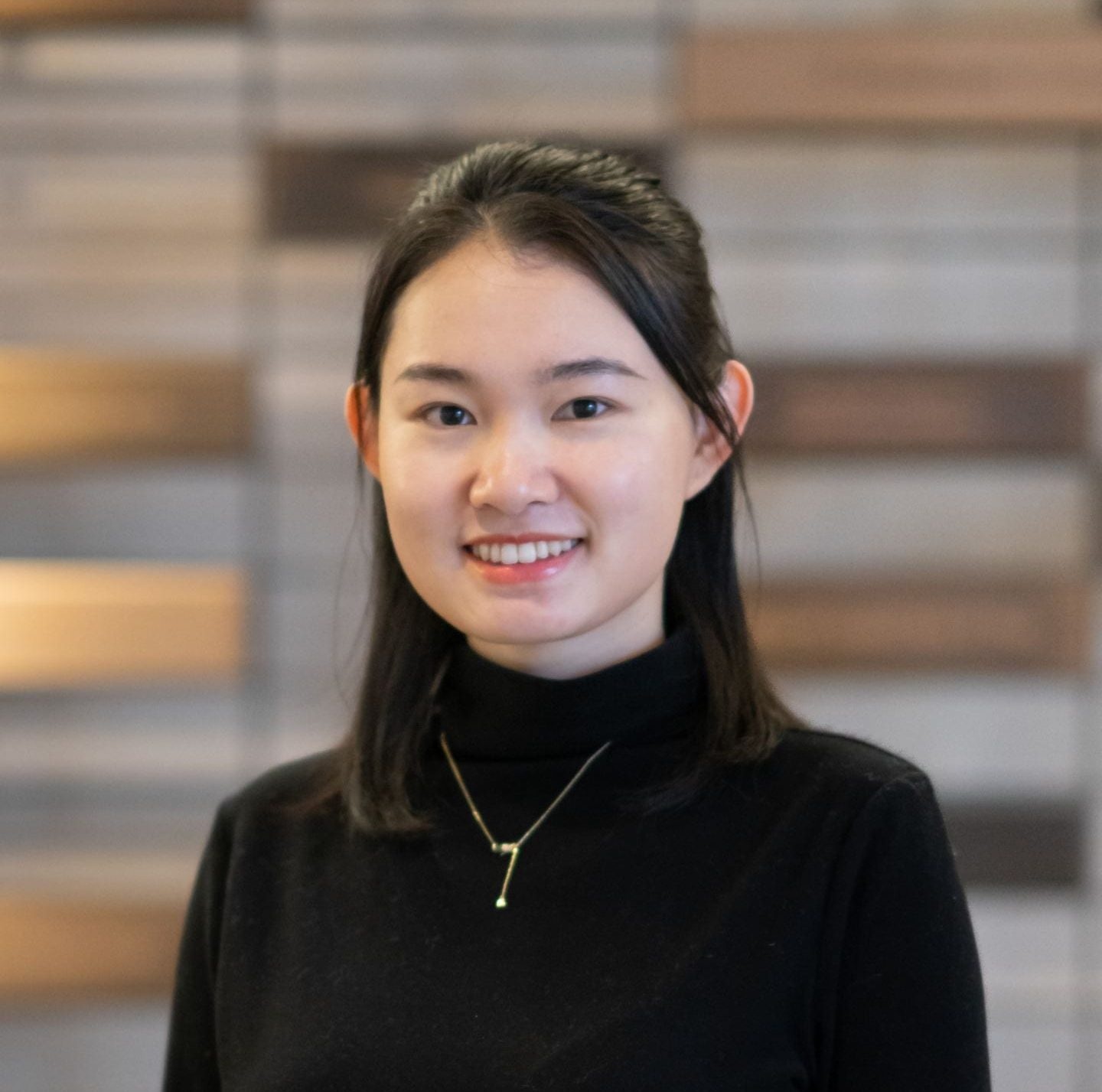 Yamin Zhang
Bioresorbable bioelectronics and cardiac devices · Singapore
First and co-corresponding author of a millimetre-scale, self-powered bioresorbable pacemaker tested across animal and ex vivo human cardiac models.
View profile
Yamin Zhang
Bioresorbable bioelectronics and cardiac devices · Singapore
First and co-corresponding author of a millimetre-scale, self-powered bioresorbable pacemaker tested across animal and ex vivo human cardiac models.
View profile
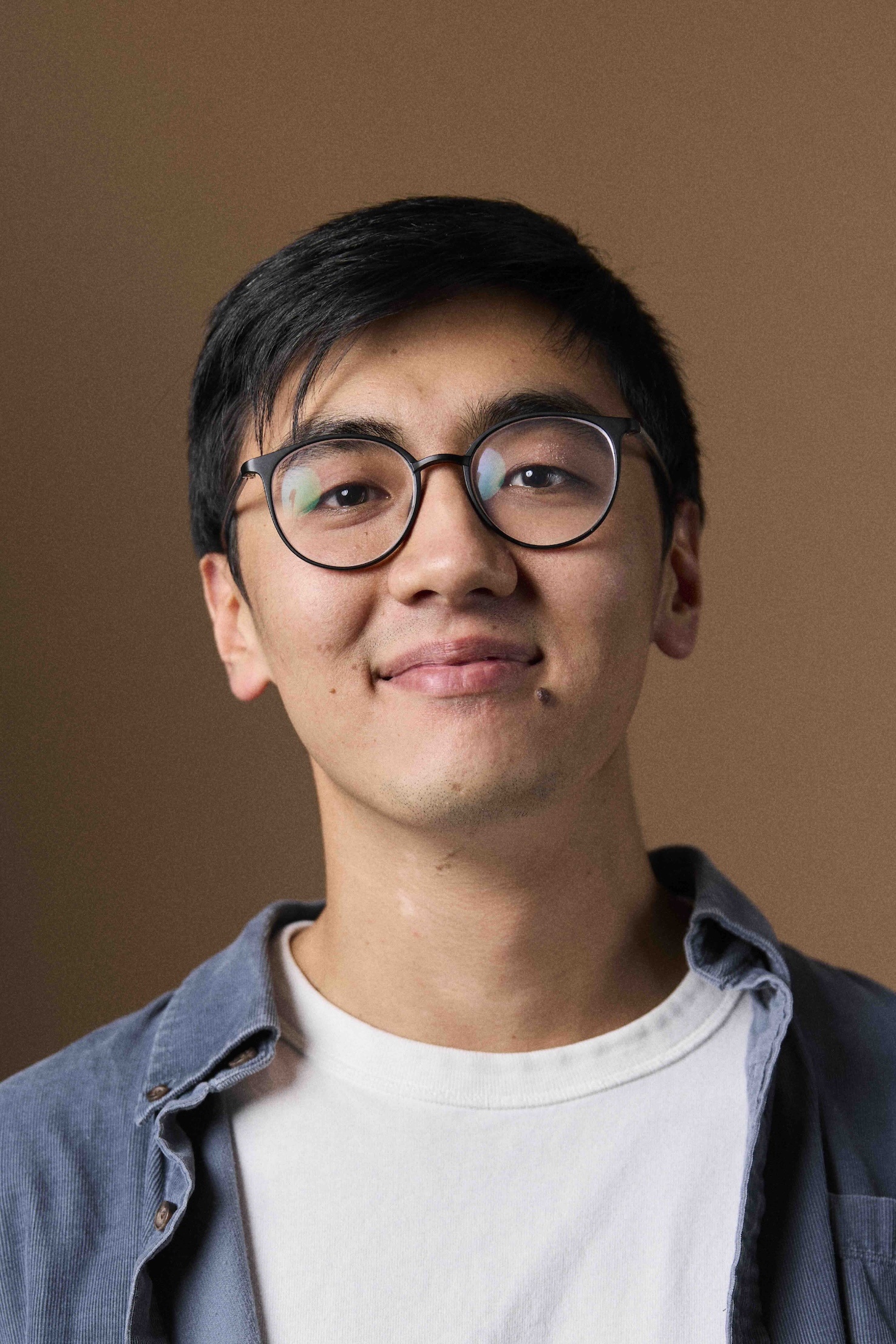 Temurkhan Ayupov
Mitochondrial delivery, ophthalmology and neurodegeneration · Basel, Switzerland
A Kazakh scientist who co-led MitoCatch and then took charge of a dedicated group translating targeted mitochondrial delivery toward optic-nerve disease.
View profile
Temurkhan Ayupov
Mitochondrial delivery, ophthalmology and neurodegeneration · Basel, Switzerland
A Kazakh scientist who co-led MitoCatch and then took charge of a dedicated group translating targeted mitochondrial delivery toward optic-nerve disease.
View profile
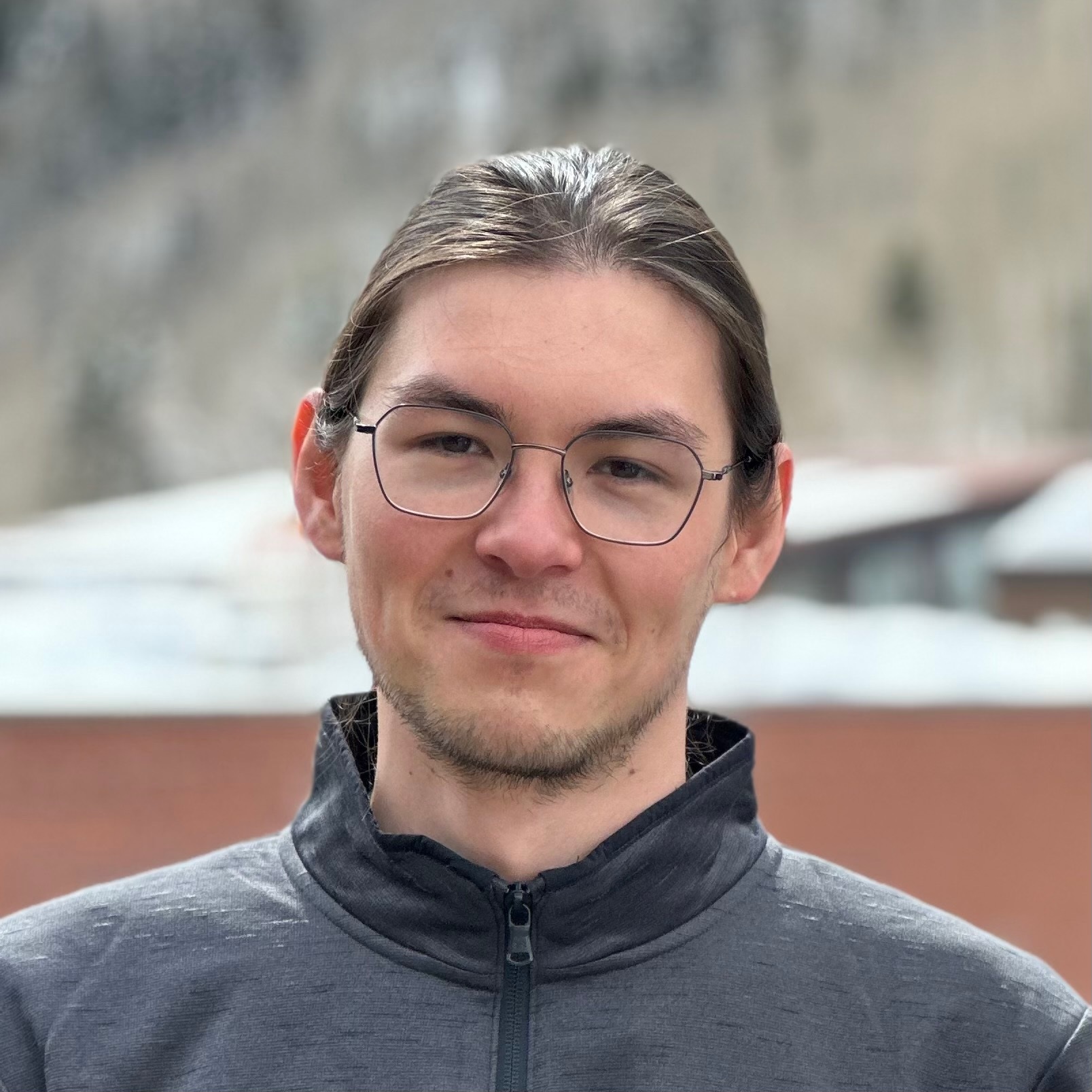 Adil Kabylda
AI-enabled molecular simulation · Luxembourg
First and corresponding author of SO3LR, a model trained on four million molecular complexes and demonstrated at approximately 200,000 atoms on one GPU.
View profile
Adil Kabylda
AI-enabled molecular simulation · Luxembourg
First and corresponding author of SO3LR, a model trained on four million molecular complexes and demonstrated at approximately 200,000 atoms on one GPU.
View profile
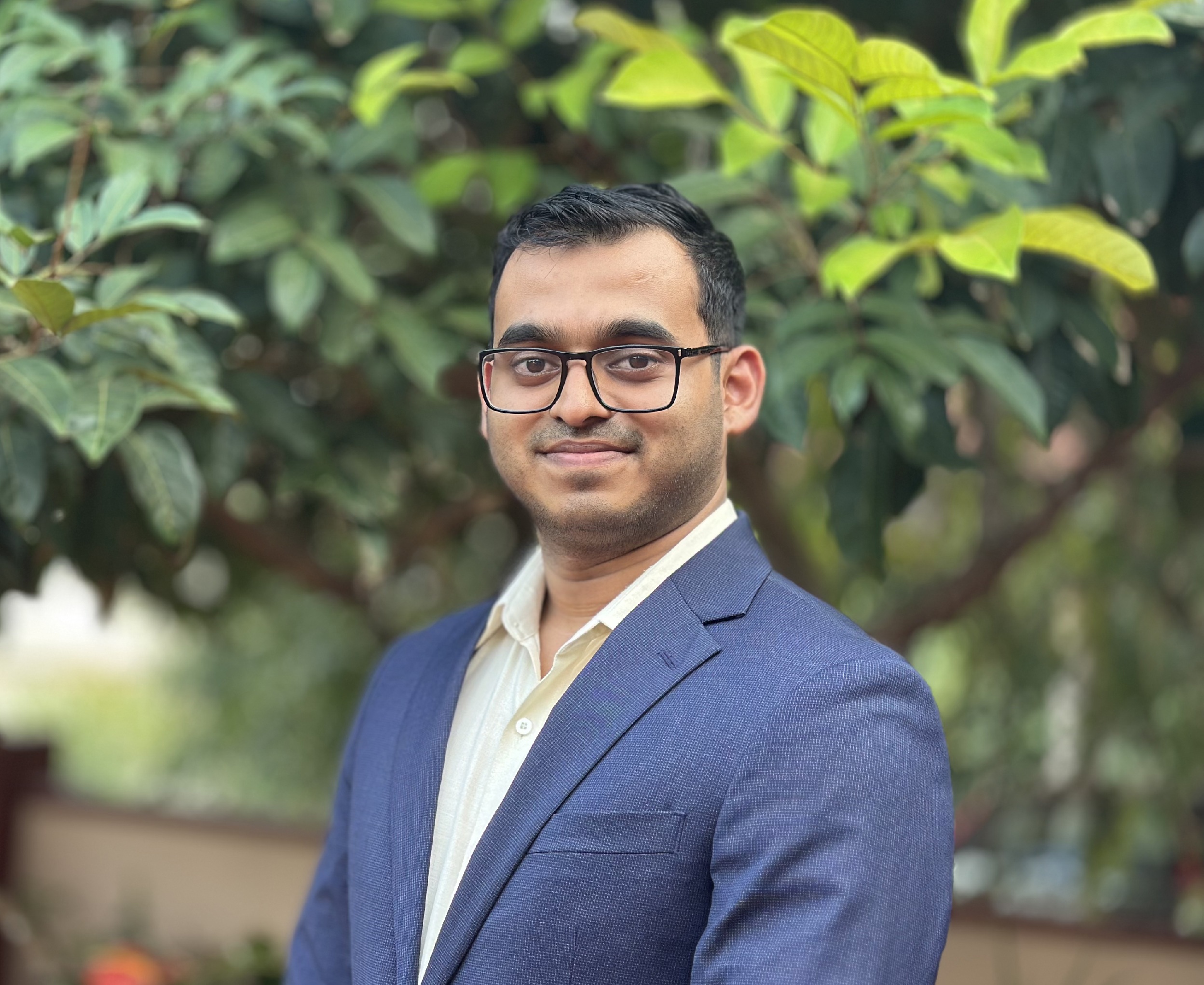 Ninaad Lasrado
Mucosal RNA vaccines and viral immunology · Boston, United States
First-listed author on updated COVID-19 mRNA vaccine research and named trainee lead of a mucosal H5N1 vaccine programme.
View profile
Ninaad Lasrado
Mucosal RNA vaccines and viral immunology · Boston, United States
First-listed author on updated COVID-19 mRNA vaccine research and named trainee lead of a mucosal H5N1 vaccine programme.
View profile
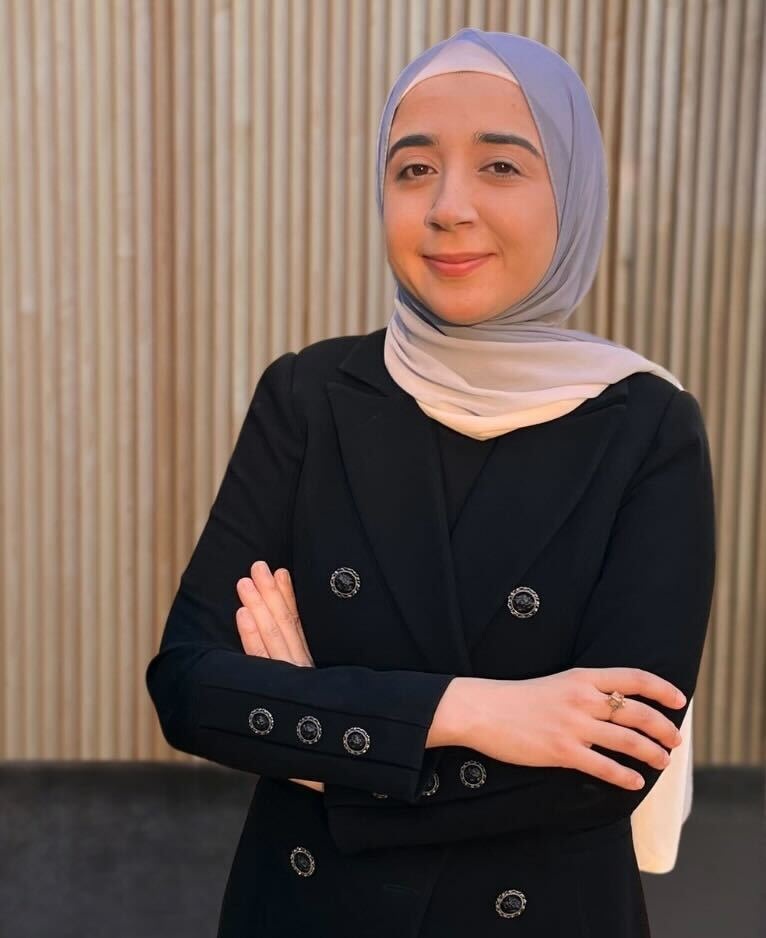 Fatima Alrashdan
Wireless implant communication · Houston, United States
Equal-first author of a passive implant uplink that transmitted cardiac signals through tissue in a porcine demonstration while consuming less than 0.3 picojoules per bit.
View profile
Fatima Alrashdan
Wireless implant communication · Houston, United States
Equal-first author of a passive implant uplink that transmitted cardiac signals through tissue in a porcine demonstration while consuming less than 0.3 picojoules per bit.
View profile
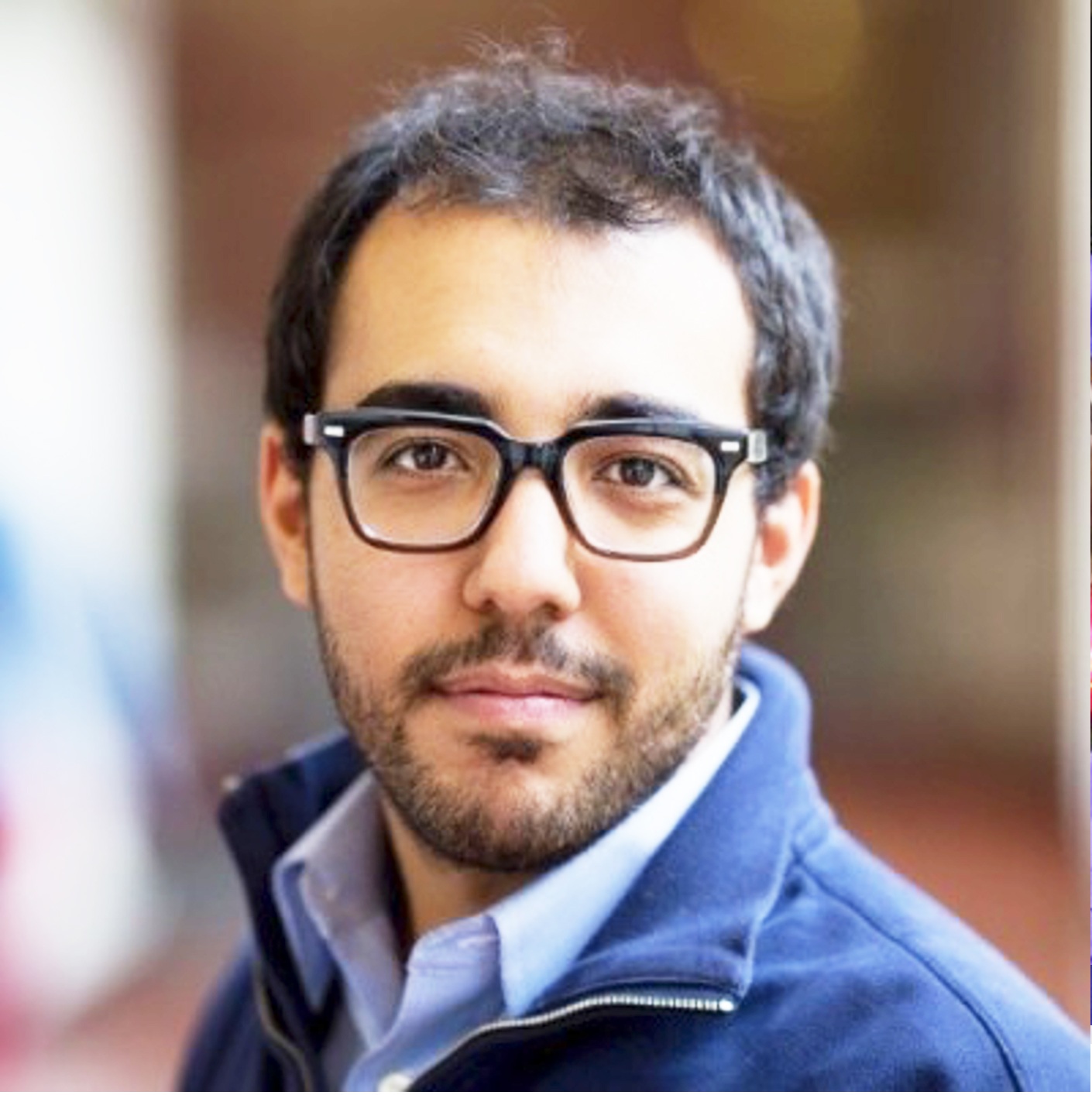 Khalil Ramadi
Neuroengineering and ingestible bioelectronics · Abu Dhabi, United Arab Emirates
Laboratory leader behind a 2025 helical neural implant for controlled multi-region drug delivery and a broader programme of ingestible sensing and stimulation.
View profile
Khalil Ramadi
Neuroengineering and ingestible bioelectronics · Abu Dhabi, United Arab Emirates
Laboratory leader behind a 2025 helical neural implant for controlled multi-region drug delivery and a broader programme of ingestible sensing and stimulation.
View profile
 Anirudh Joshi
Computational pathology and cancer care · Palo Alto, United States
Founder and study author behind multicentre bladder-cancer models that reached an FDA Breakthrough Device designation in May 2026.
View profile
Anirudh Joshi
Computational pathology and cancer care · Palo Alto, United States
Founder and study author behind multicentre bladder-cancer models that reached an FDA Breakthrough Device designation in May 2026.
View profile
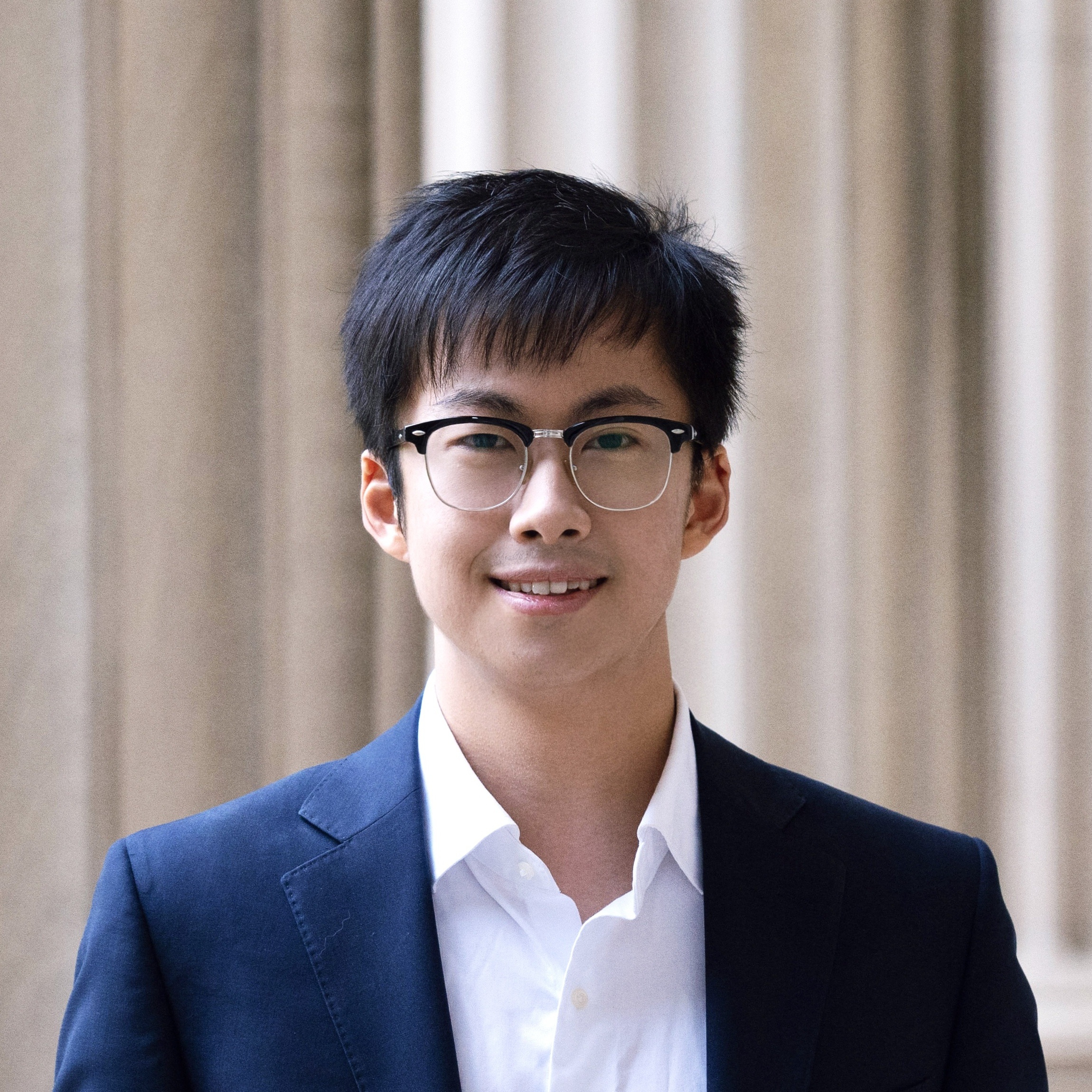 Yuzhe Yang
Wearables, multimodal biomarkers and health AI · Los Angeles, United States
Young laboratory leader contributing to 2026 large-cohort work on insulin resistance and passive smartphone-based physiological measurement.
View profile
Yuzhe Yang
Wearables, multimodal biomarkers and health AI · Los Angeles, United States
Young laboratory leader contributing to 2026 large-cohort work on insulin resistance and passive smartphone-based physiological measurement.
View profile
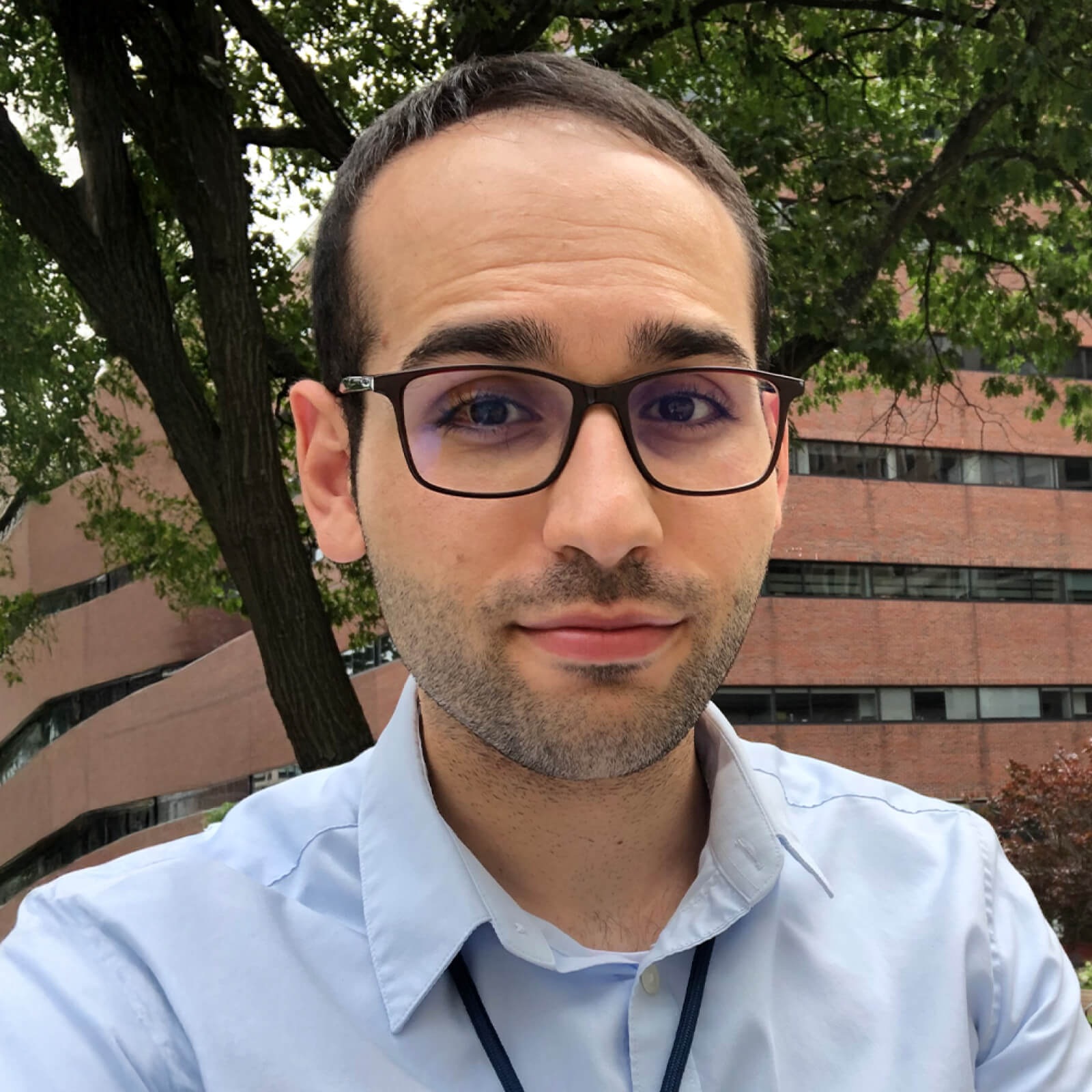 Hazim Ababneh
Radiation oncology, lymphoma and cellular therapy · Cleveland, United States
Young physician-scientist developing adaptive bridging-radiation protocols around CAR-T and bispecific-antibody treatment in lymphoma.
View profile
Hazim Ababneh
Radiation oncology, lymphoma and cellular therapy · Cleveland, United States
Young physician-scientist developing adaptive bridging-radiation protocols around CAR-T and bispecific-antibody treatment in lymphoma.
View profile
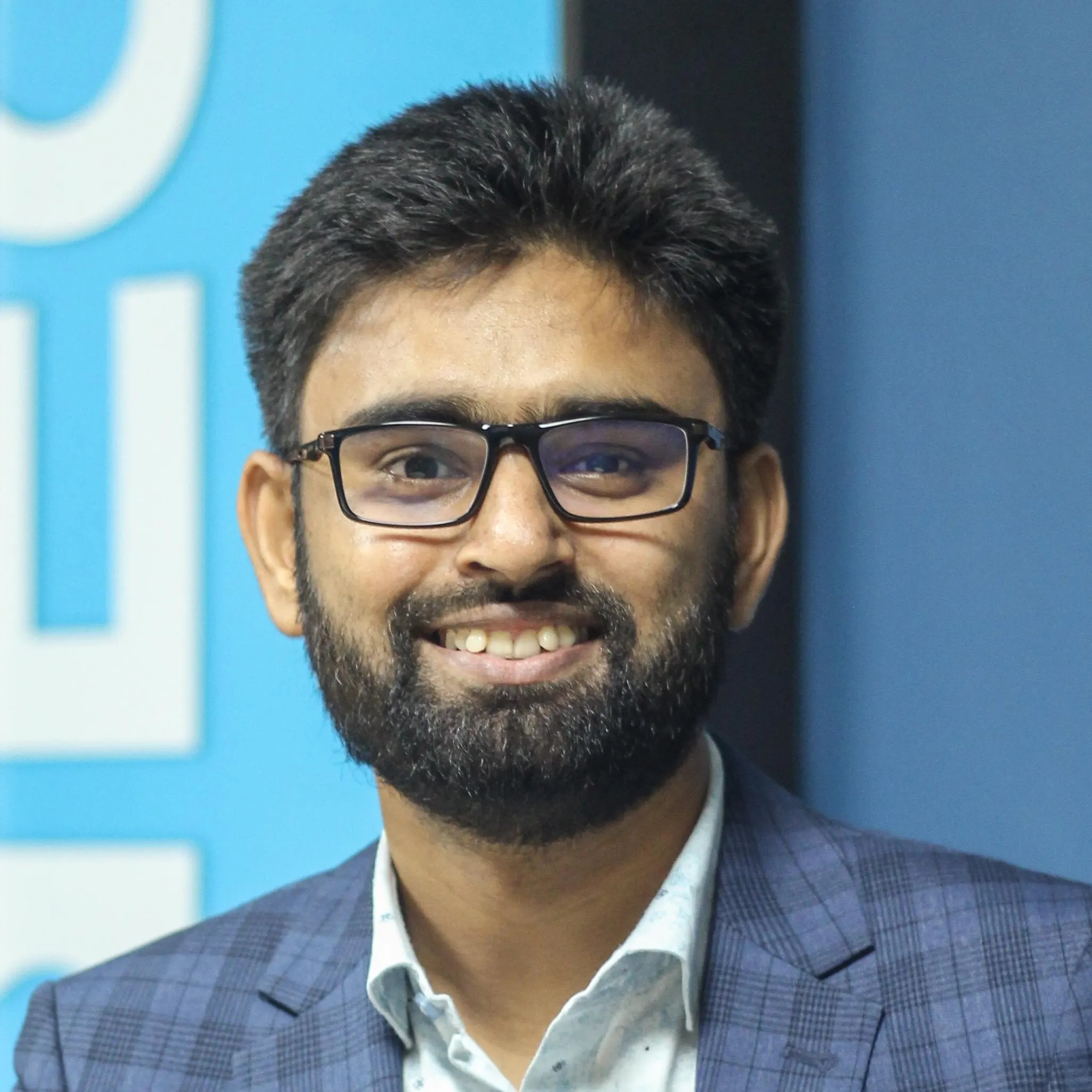 Arefin Zaman
Digital pharmacy, telehealth and home diagnostics · Dhaka, Bangladesh
Bangladeshi founder whose platform recorded 285,000 medicine orders and 10,500 video consultations by early 2025, with later company-reported growth to 500,000 users.
View profile
Arefin Zaman
Digital pharmacy, telehealth and home diagnostics · Dhaka, Bangladesh
Bangladeshi founder whose platform recorded 285,000 medicine orders and 10,500 video consultations by early 2025, with later company-reported growth to 500,000 users.
View profile
 Mira Mousa
Population genomics and women's health · Abu Dhabi, United Arab Emirates
Young principal investigator contributing to a 43,608-person UAE genome analysis while establishing a women's gynecologic-health programme.
View profile
Mira Mousa
Population genomics and women's health · Abu Dhabi, United Arab Emirates
Young principal investigator contributing to a 43,608-person UAE genome analysis while establishing a women's gynecologic-health programme.
View profile
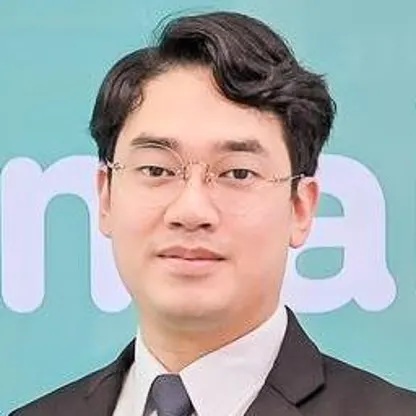 Jethtavuth “Ben” Sartproong
Healthcare navigation and procedure marketplace · Bangkok, Thailand
Thai founder whose platform reported more than 500,000 patients navigated, 30,000 procedures and a 3,000-provider network across Thailand and Indonesia in 2025.
View profile
Jethtavuth “Ben” Sartproong
Healthcare navigation and procedure marketplace · Bangkok, Thailand
Thai founder whose platform reported more than 500,000 patients navigated, 30,000 procedures and a 3,000-provider network across Thailand and Indonesia in 2025.
View profile
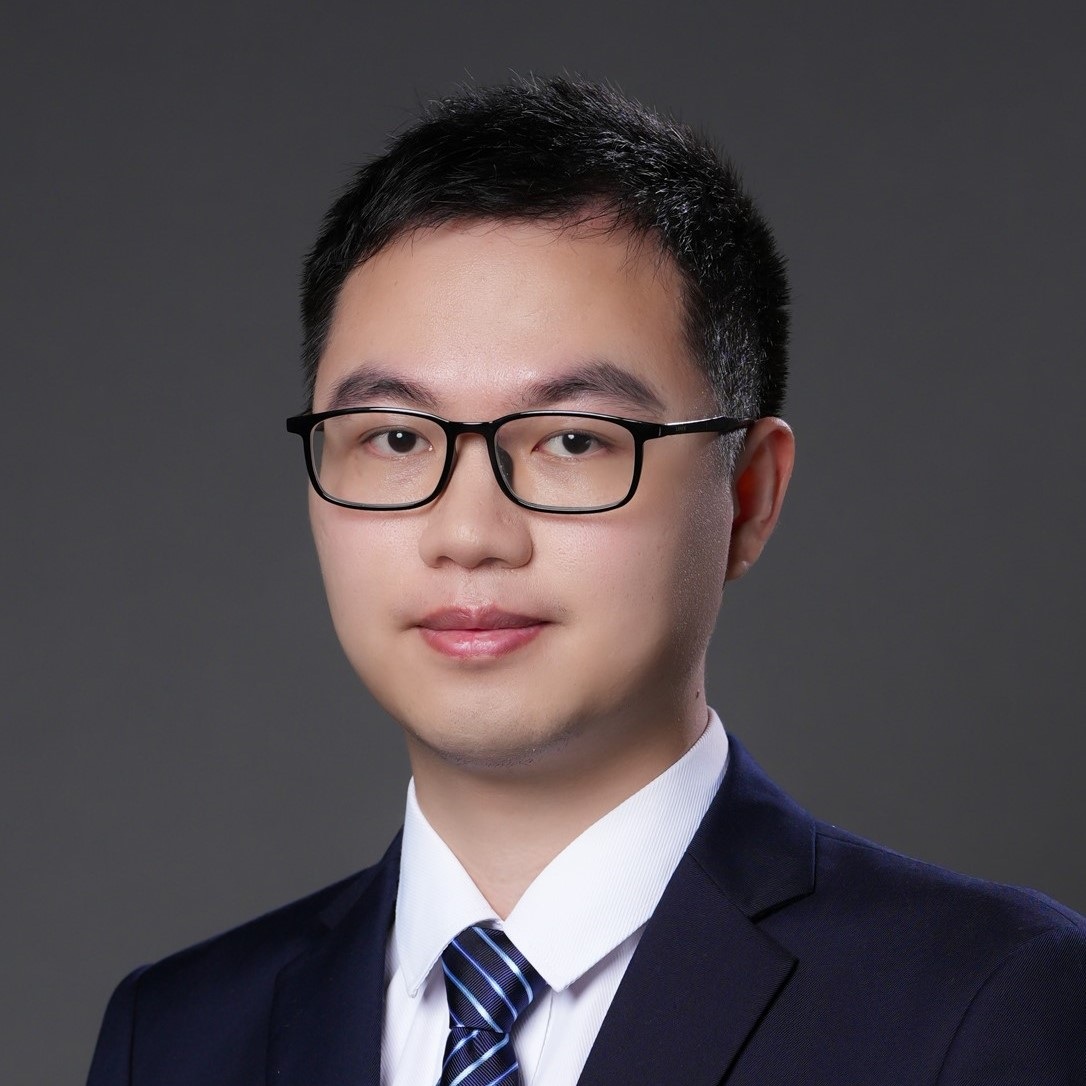 Zhengwu Liu
Neuromorphic brain–computer interfaces · Hong Kong
First author of a 2025 adaptive neuromorphic interface using a 128,000-cell memristor chip in a ten-participant experimental study.
View profile
Zhengwu Liu
Neuromorphic brain–computer interfaces · Hong Kong
First author of a 2025 adaptive neuromorphic interface using a 128,000-cell memristor chip in a ten-participant experimental study.
View profile
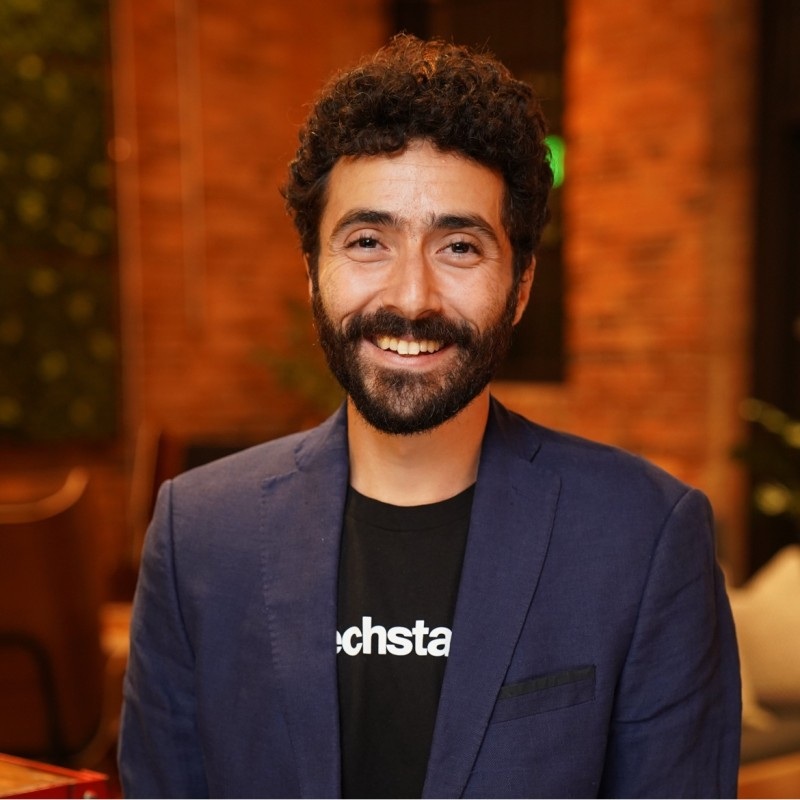 Dani Kiyasseh
Surgical video intelligence · London and New York
Researcher-founder building large-scale surgical-video models and a 2026 dataset intended to represent operative actions across procedures.
View profile
Dani Kiyasseh
Surgical video intelligence · London and New York
Researcher-founder building large-scale surgical-video models and a 2026 dataset intended to represent operative actions across procedures.
View profile
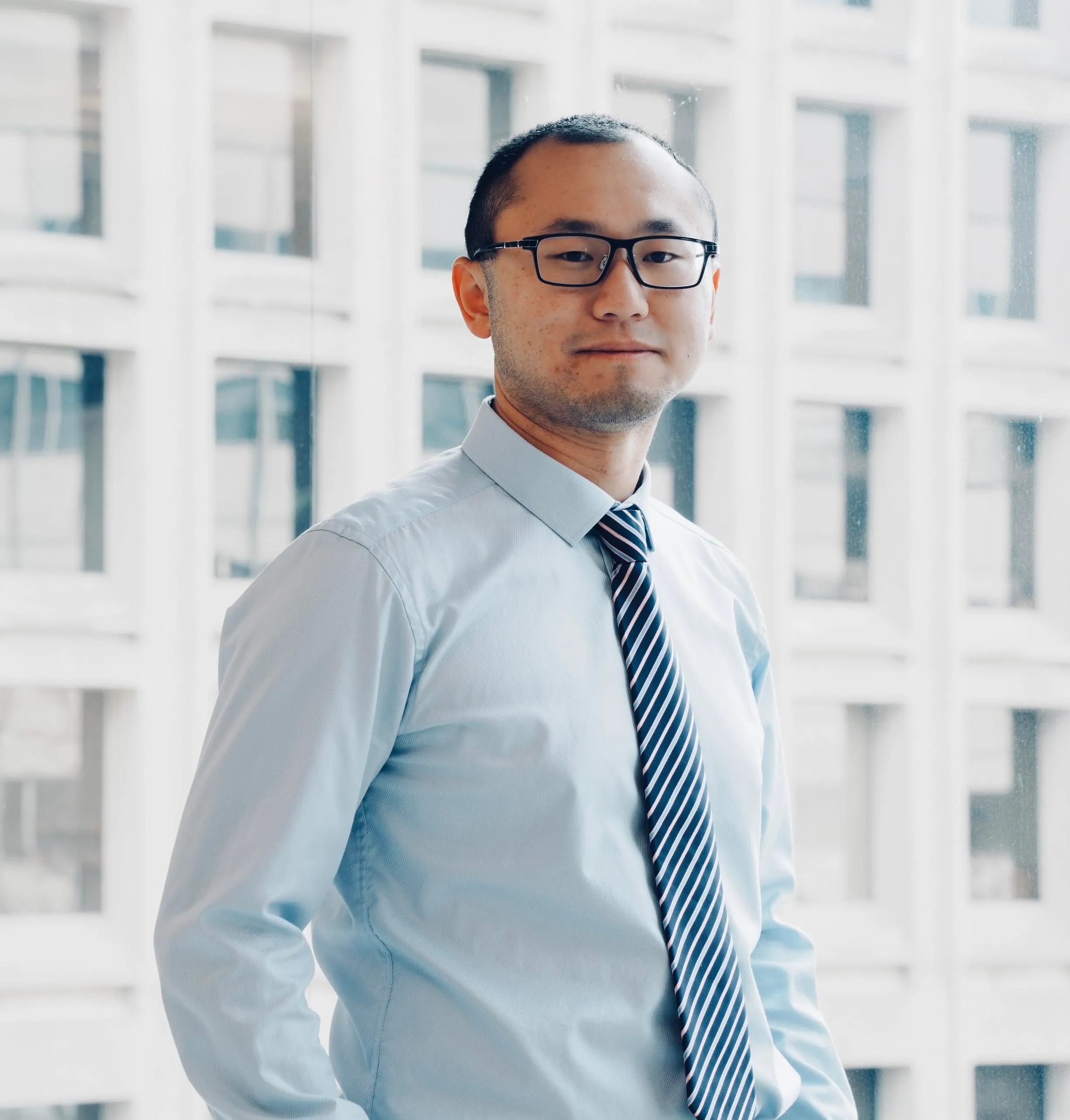 Wenhao Gao
Generative chemistry and synthesis planning · Stanford, United States
Co-first author of SynFormer, a 2025 system that couples molecular generation to explicit synthetic pathways and released its code, templates and weights.
View profile
Wenhao Gao
Generative chemistry and synthesis planning · Stanford, United States
Co-first author of SynFormer, a 2025 system that couples molecular generation to explicit synthetic pathways and released its code, templates and weights.
View profile
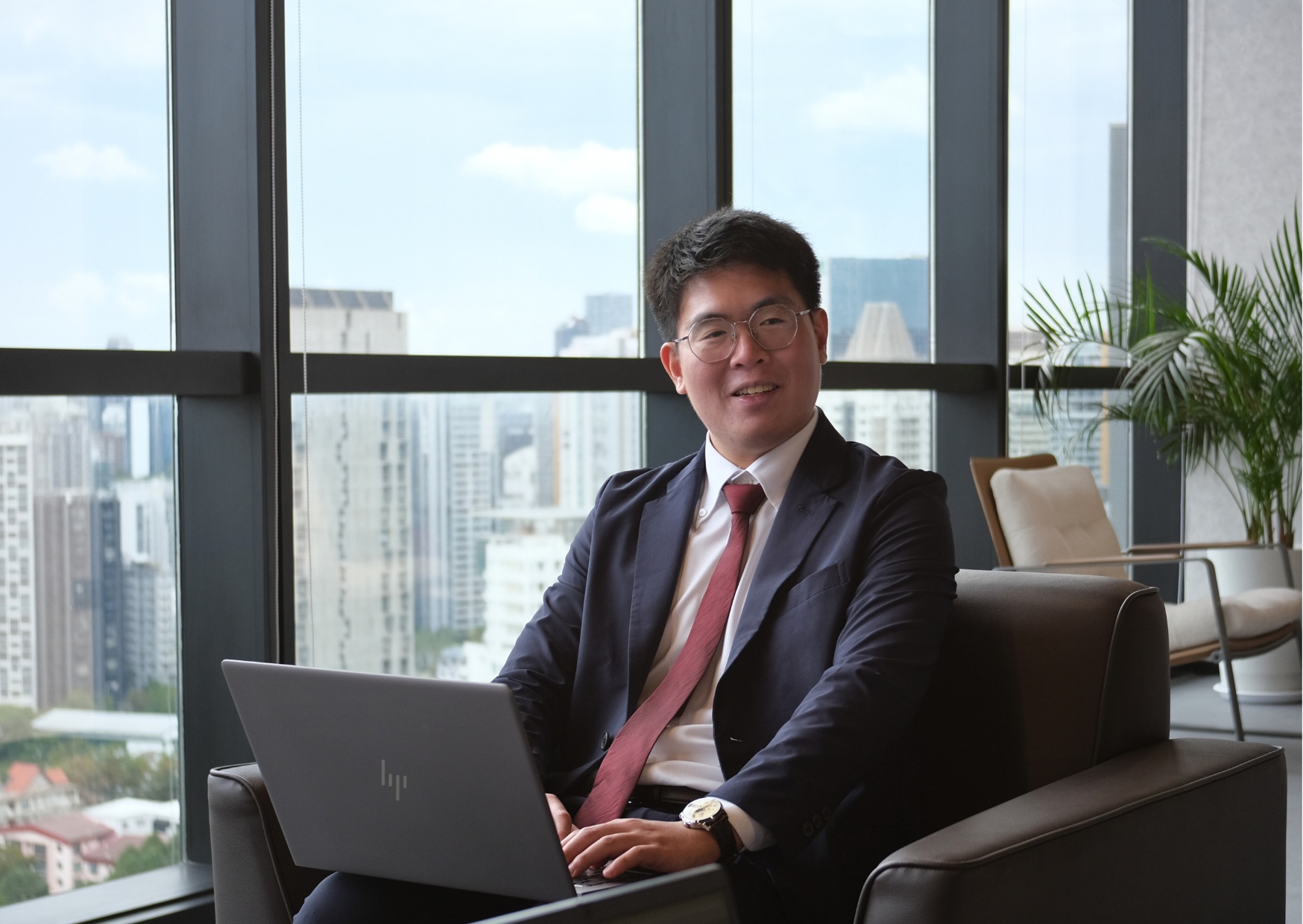 Abel Teo Jun Hieng
Orthopaedic immobilization and 4D-printed medical devices · Singapore
Singaporean founder whose 4D-printed immobilization product entered a registered 2026 pilot protocol and holds Class I registrations in four Asia-Pacific markets.
View profile
Abel Teo Jun Hieng
Orthopaedic immobilization and 4D-printed medical devices · Singapore
Singaporean founder whose 4D-printed immobilization product entered a registered 2026 pilot protocol and holds Class I registrations in four Asia-Pacific markets.
View profile
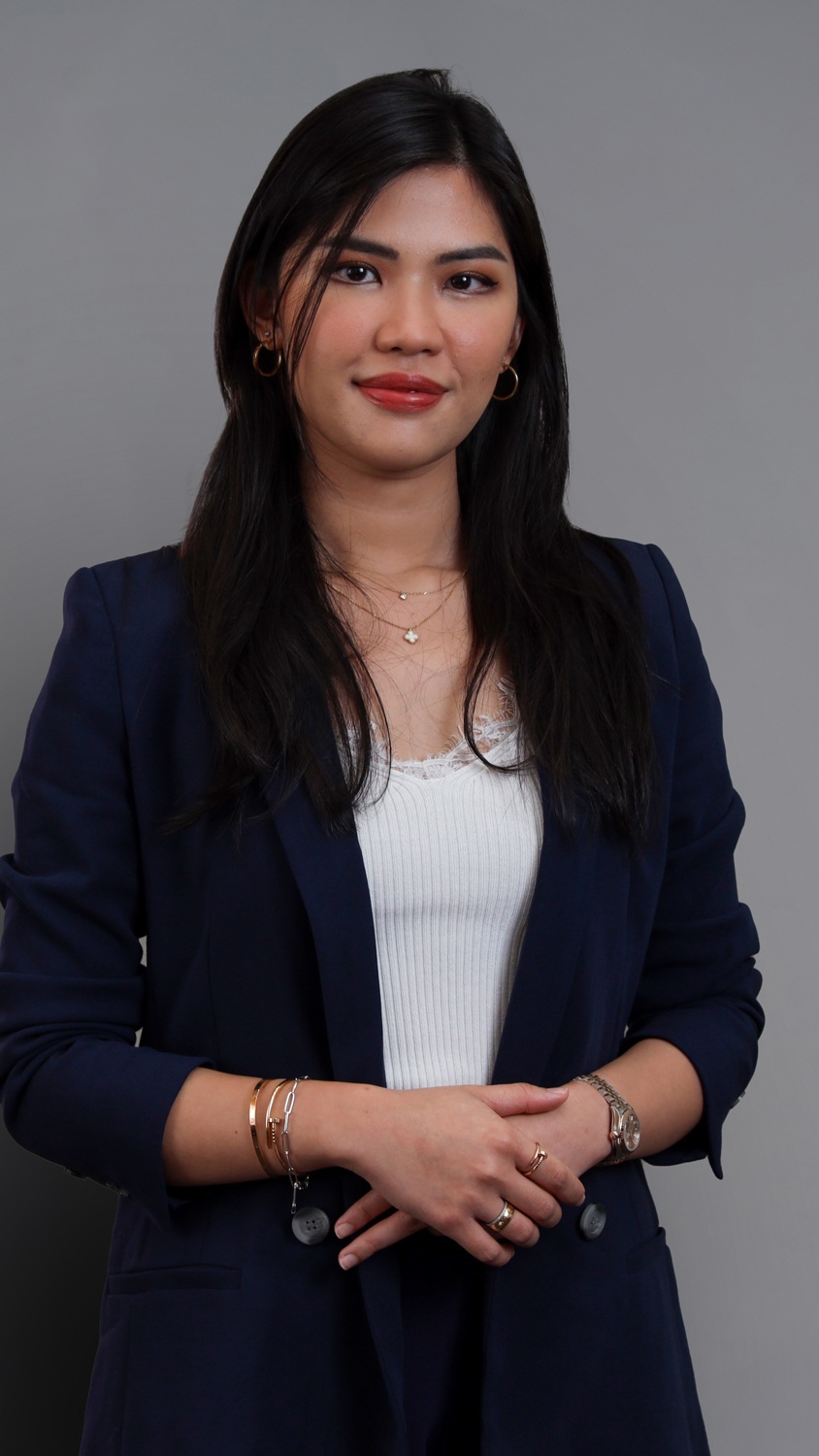 Abigail Copiaco
Home-based autism assessment and assistive technology · Dubai, United Arab Emirates
Principal investigator of a 2025 Dubai-funded programme combining assistive sensing and artificial intelligence for home-based autism support.
View profile
Abigail Copiaco
Home-based autism assessment and assistive technology · Dubai, United Arab Emirates
Principal investigator of a 2025 Dubai-funded programme combining assistive sensing and artificial intelligence for home-based autism support.
View profile
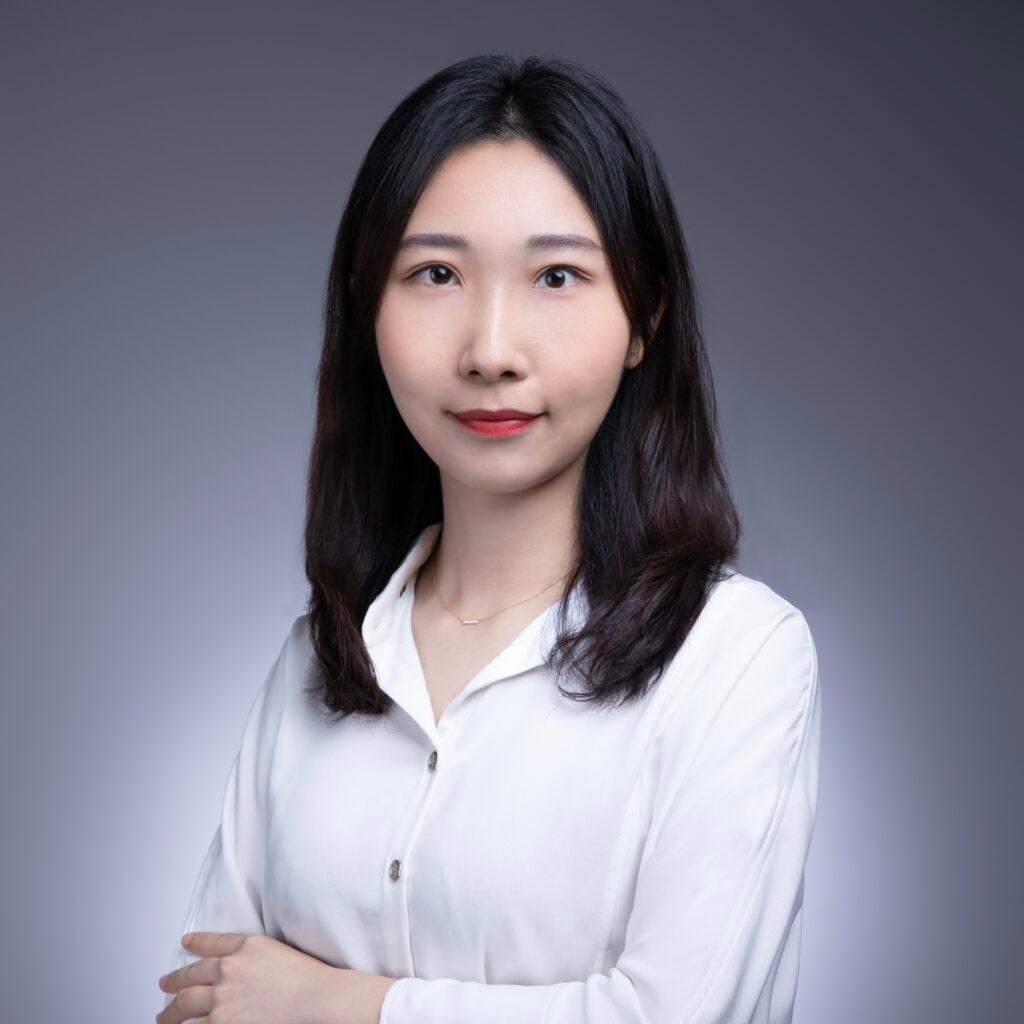 Yueming Jin
Medical imaging and surgical intelligence · Singapore
Young Singapore-based laboratory leader behind a 2025 segmentation system evaluated across 17 tasks and further work on surgical reasoning and workflow anticipation.
View profile
Yueming Jin
Medical imaging and surgical intelligence · Singapore
Young Singapore-based laboratory leader behind a 2025 segmentation system evaluated across 17 tasks and further work on surgical reasoning and workflow anticipation.
View profile
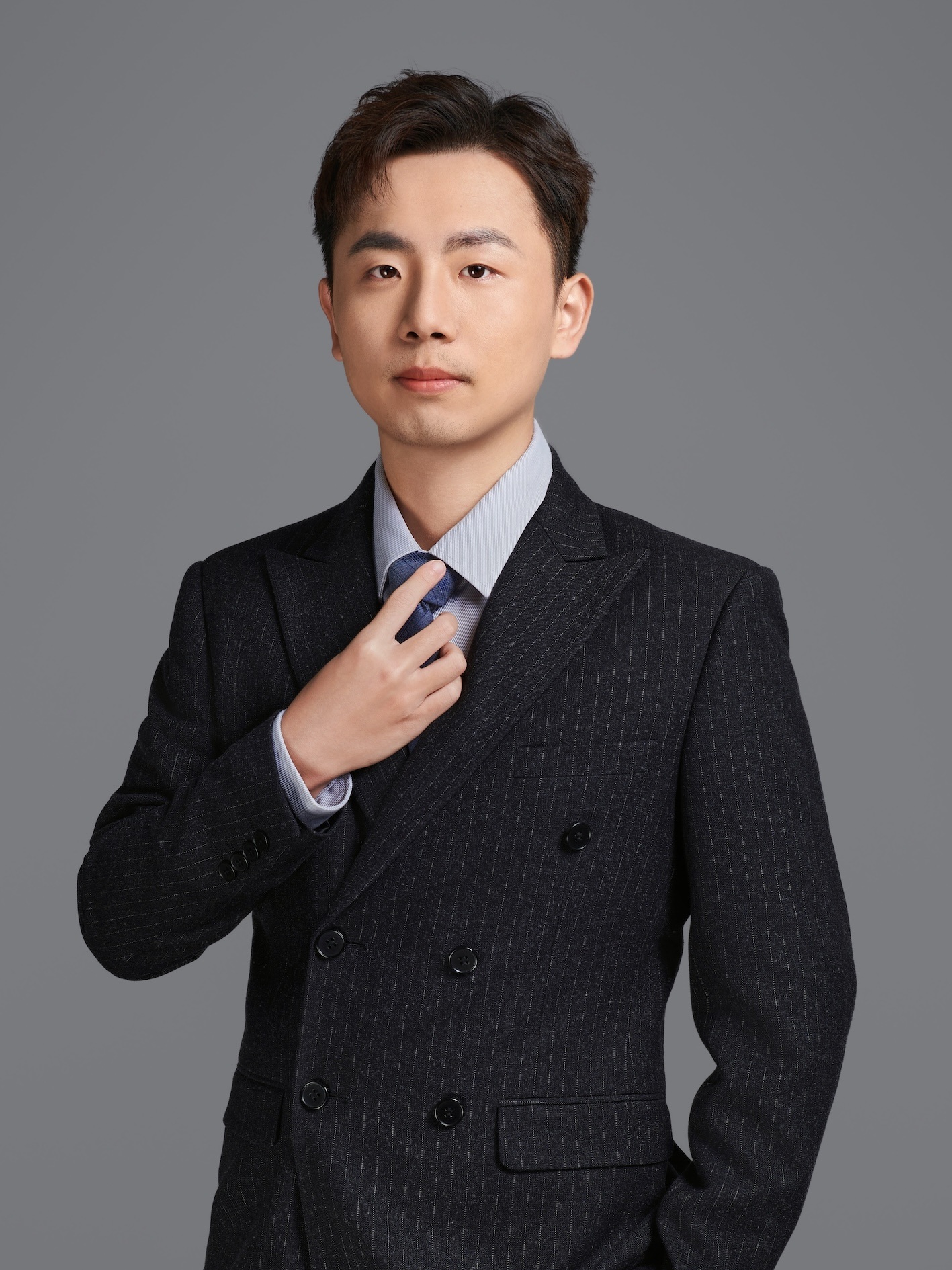 Shuangjia Zheng
AI for RNA-targeted drug discovery · Shanghai, China
Corresponding author and team leader on GerNA-Bind, a 2025 approach to RNA–ligand specificity in an underdeveloped part of molecular discovery.
View profile
Shuangjia Zheng
AI for RNA-targeted drug discovery · Shanghai, China
Corresponding author and team leader on GerNA-Bind, a 2025 approach to RNA–ligand specificity in an underdeveloped part of molecular discovery.
View profile
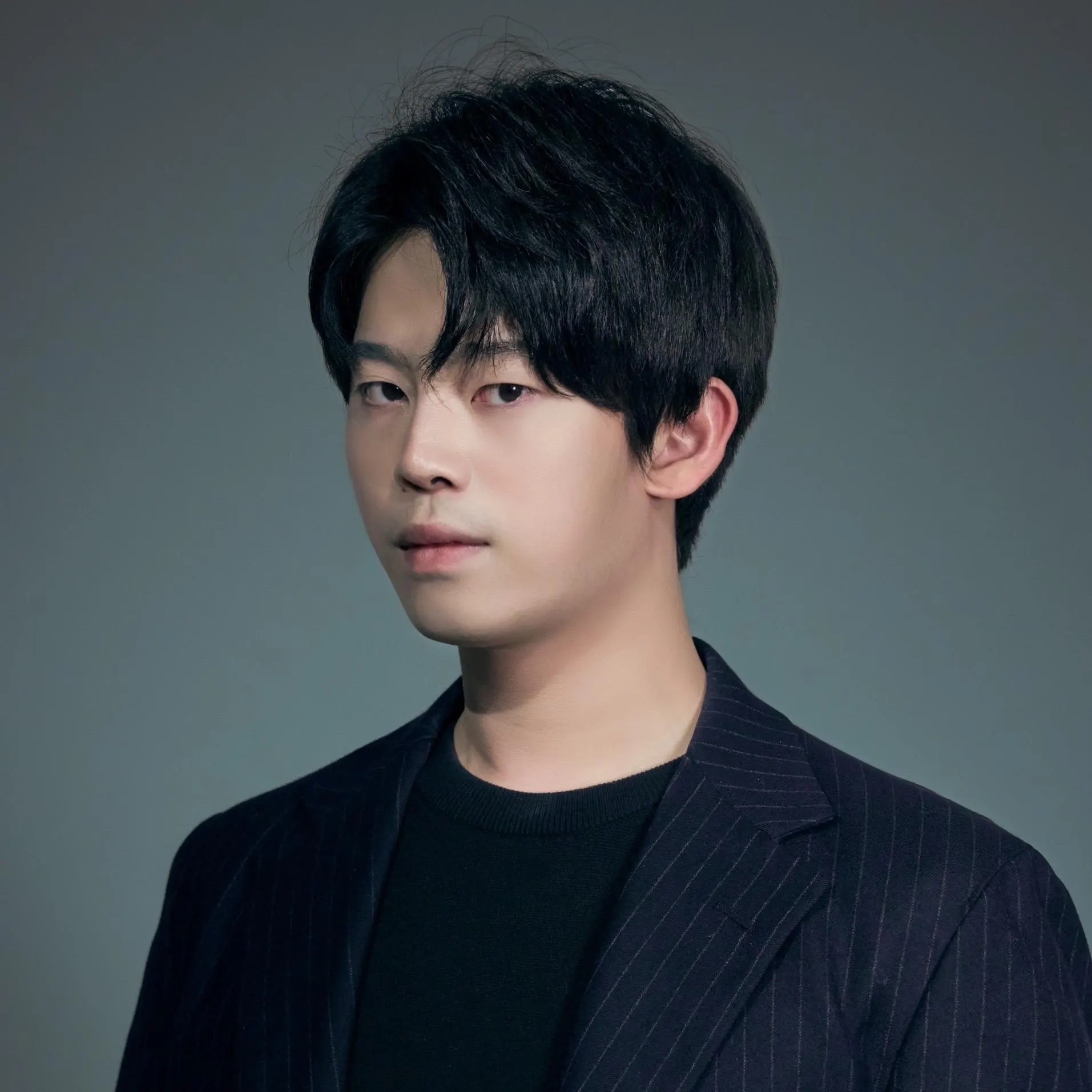 Seokhwan Oh
Ultrasound artificial intelligence · Seoul, South Korea
Cofounder and coauthor of an accepted 2026 model trained on 5.2 million ultrasound images across breast, thyroid, cardiac, gallbladder and pulmonary tasks.
View profile
Seokhwan Oh
Ultrasound artificial intelligence · Seoul, South Korea
Cofounder and coauthor of an accepted 2026 model trained on 5.2 million ultrasound images across breast, thyroid, cardiac, gallbladder and pulmonary tasks.
View profile
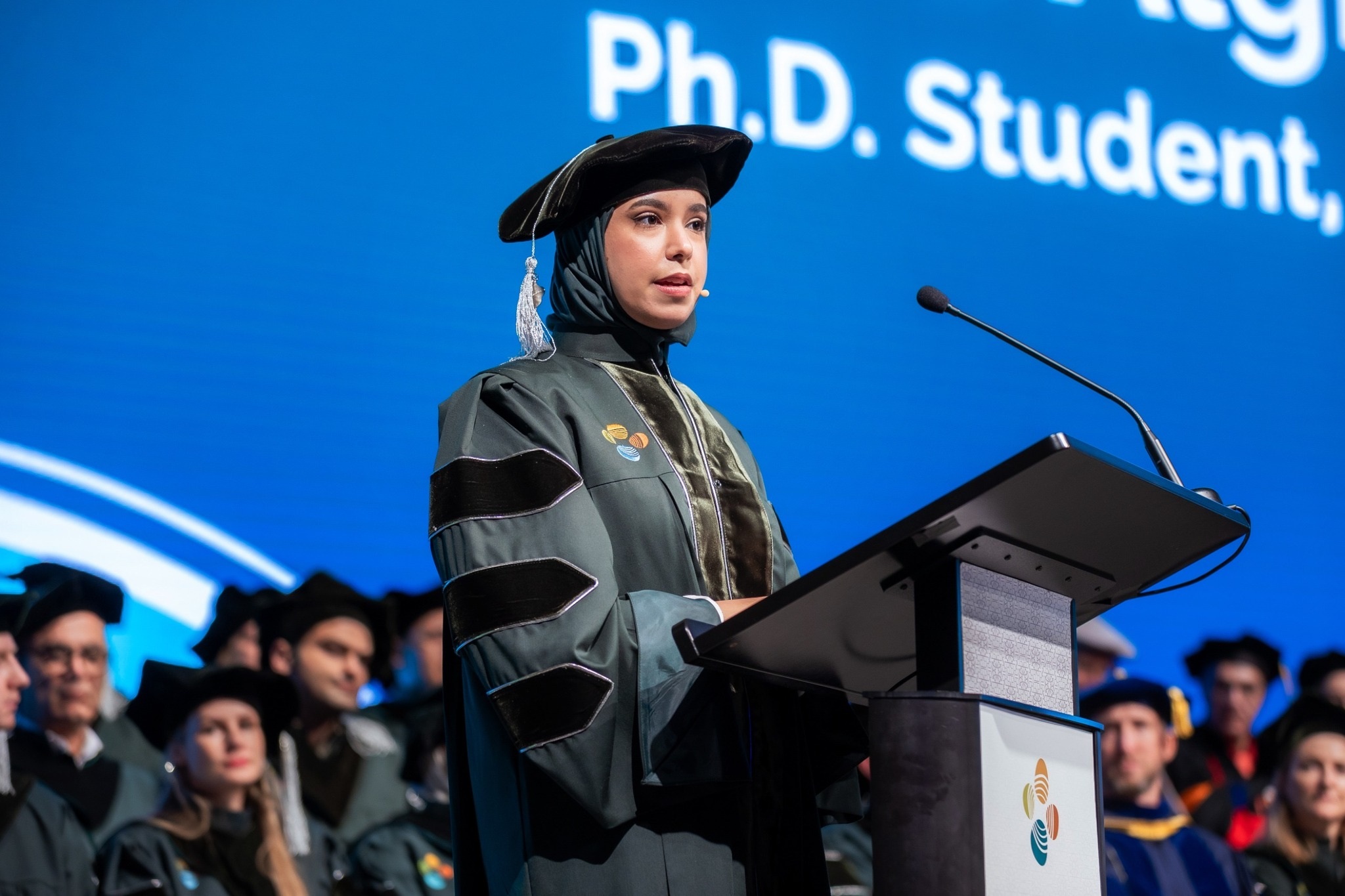 Arwa Alghuneim
Stem-cell engineering and leukemia · Thuwal, Saudi Arabia
Co-first author of 2026 preclinical work using fucosylation to improve hematopoietic stem-cell homing and engraftment.
View profile
Arwa Alghuneim
Stem-cell engineering and leukemia · Thuwal, Saudi Arabia
Co-first author of 2026 preclinical work using fucosylation to improve hematopoietic stem-cell homing and engraftment.
View profile
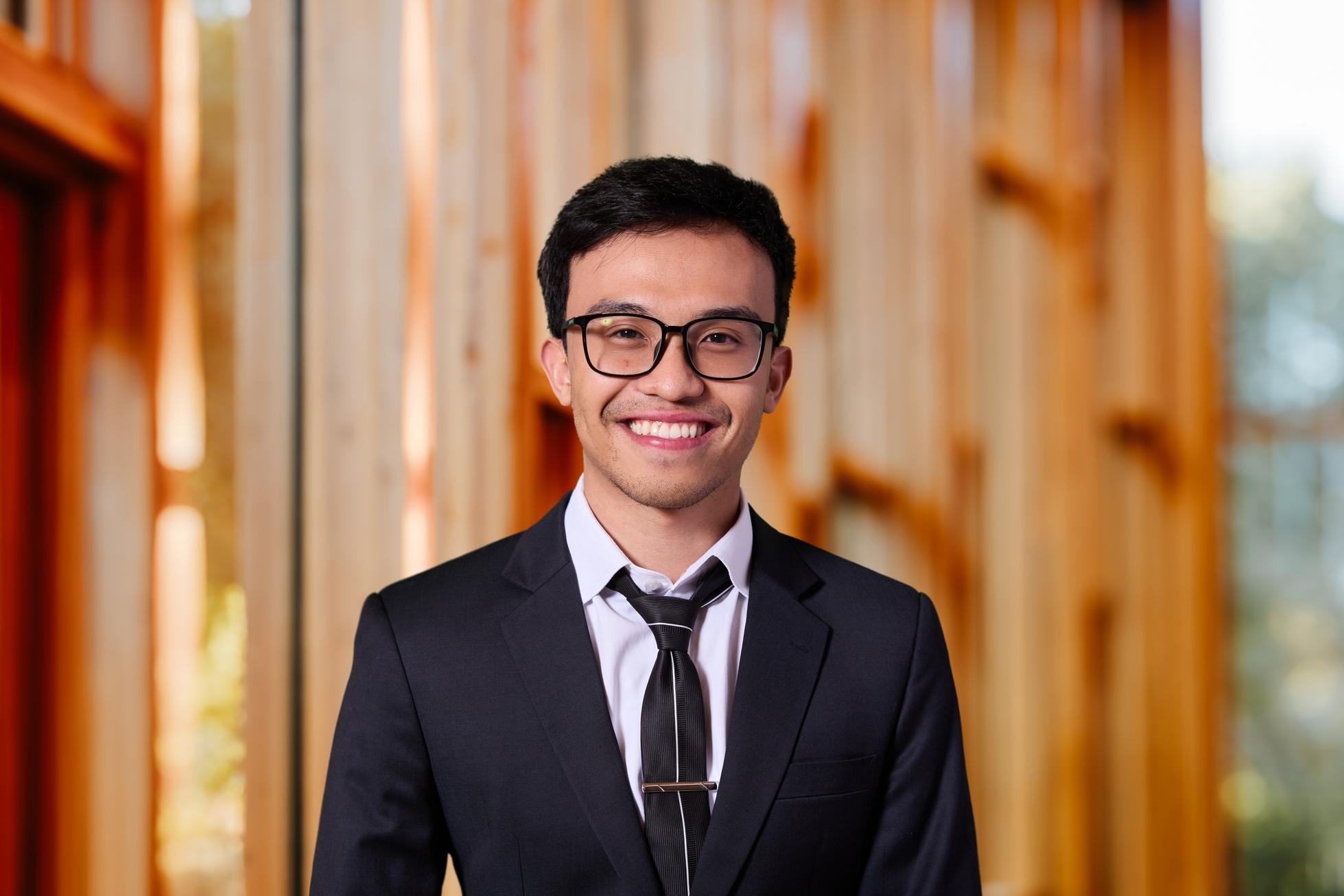 Hoang Minh Hieu Nguyen
Neurodegeneration research and telemedicine access · Stanford, United States
Vietnamese medical trainee who contributed to 2025 neurodegeneration research and helped establish a telemedicine pathway serving a rural Kenyan hospital.
View profile
Hoang Minh Hieu Nguyen
Neurodegeneration research and telemedicine access · Stanford, United States
Vietnamese medical trainee who contributed to 2025 neurodegeneration research and helped establish a telemedicine pathway serving a rural Kenyan hospital.
View profile
Purpose and scope
Responsibility before recognition
Healthcare rarely rewards youth with a clean stage. Its most serious work is done inside long apprenticeships, regulated systems, crowded laboratories and clinics where every claim carries a human cost. That is precisely why this edition exists. FigureAsia set out to identify the young people who have already earned responsibility before the age of 35 — not because they are promising in the abstract, but because their work has begun to change what can be measured, manufactured, delivered, understood or reached.
Asia is not treated here as a single market or a visual shorthand. It is a vast, internally diverse geography of health systems, research traditions, capital constraints, disease burdens and diasporas. The editorial universe extends from East, Southeast, South and Central Asia to West Asia and the Middle East, and to people of Asian heritage building consequential work elsewhere. The list does not ask honourees to perform an identity. It asks whether their connection to Asia is real, documentable and relevant to the story of their work.
This is not a celebration of novelty without consequence. A prototype is not a treatment. A designation is not an approval. A company claim is not an audited outcome. A large model is not automatically a useful one. FigureAsia has therefore ranked evidence before applause and individual agency before institutional halo. Some honourees have reached patients or regulated pathways; others have produced preclinical or foundational work whose importance lies in opening a credible new route. Each profile states that maturity plainly.
The result is a portrait of healthcare as it is actually being rebuilt: by clinicians, bioengineers, computational scientists, public-health organizers, founders, materials researchers and systems operators. Their work differs in maturity and scale. What unites them is a record, inside the assessment window, strong enough to withstand questions after the ceremony is over.
Category definition
Work that acts directly on health
Healthcare is defined here through direct contribution to clinical care, medical research, biotechnology, digital health, medical devices, pharmaceuticals, public health or healthcare systems. General advocacy, celebrity, donation and indirect social impact are not sufficient on their own.
Selection priorities
Completed evidence over projected promise
The edition privileges completed work, individual agency and evidence proportionate to the claim. Regulatory, clinical, patient, revenue and attribution claims receive the closest scrutiny; an announced project or successful employer never substitutes for a person's own record.
FigureAsia methodology
How the field was assessed
The ranking was built independently by FigureAsia from a cross-border research field spanning Asia, West Asia and the Asian diaspora. Eligibility, direct healthcare contribution, completed work and individual responsibility were tested before scoring.
Assessment process
From the eligible field to the final cohort
The principal assessment window ran from 1 January 2025 through 17 July 2026. Earlier achievements were used only to establish context, continuity or agency; they did not carry the score. Announcements of future work, unsigned intentions, planned trials and aspirational market sizes were excluded from impact calculations.
Research proceeded claim by claim. Material statements were tested against primary or authoritative records wherever possible: peer-reviewed papers and author-contribution statements, regulator databases, trial records, grant notices, institutional appointments and official operating disclosures. A consequential claim normally required one primary or authoritative record plus an independent corroborator, or two independent records. When only organization-reported data existed, the claim could remain only with explicit attribution and a lower evidence score.
Every eligible finalist was scored on eleven dimensions. Seven universal dimensions account for 75 points; four healthcare-specific dimensions account for 25. Reviewers used a 0–5 scale in half-point increments, multiplied by the published weights. The numerical result disciplined comparison across very different forms of contribution. It did not replace editorial judgment. Ties were resolved by evidence quality, completed impact inside the window, individual agency and the maturity of the cited pathway.
The final order was reviewed for geographic breadth and disciplinary range only after scoring. Geography was never a quota capable of rescuing a weak file. The purpose of breadth was to prevent a narrow research network from defining “Asia,” not to lower the threshold. The published 35 all clear the same evidence and quality bar.
Substantive 2025–2026 contribution
Scale, consequence and completeness of the work delivered inside the assessment window.
Verified impact
Strength and independence of quantitative evidence, with patient, clinical, scientific or system outcomes preferred over publicity.
Originality and distinction
Degree to which the work creates a new capability, evidence base, model of care or line of inquiry.
Field and industry influence
Demonstrable effect on practice, research agendas, regulation, adoption or the work of other teams.
Individual agency
Evidence that the honouree personally led, conceived, built or carried accountable responsibility for the cited work.
Durability and trajectory
Likelihood that the contribution will compound beyond a single announcement or isolated result.
Asian significance and global relevance
Strength of the honouree's Asian connection and the work's relevance across Asian and international health systems.
Clinical and scientific validity
Quality of study design, external validation, regulatory evidence and precision of causal or clinical claims.
Safety, quality and responsible governance
Attention to safety, bias, quality systems, data stewardship and accurate regulatory representation.
Translation and care-pathway fit
Evidence that the work can move from laboratory or prototype into a usable clinical, operational or public-health pathway.
Access, equity and resource stewardship
Potential or demonstrated contribution to affordability, reach, inclusion, capacity or responsible use of scarce resources.
Eligibility
The line every honouree had to clear
Every honouree had to remain under 35 on 31 December 2025. Where the reliable public record establishes only a year or a narrow age range, FigureAsia publishes an approximate age rather than presenting a guessed birthday as fact.
A material Asian or Asian-diaspora connection and a direct, substantial healthcare contribution were mandatory. The decisive achievement had to be complete by the evidence cut-off and attributable to the individual.
Year-based age rule
Eligibility uses a reliable birth year, dated age statement or age-bounded cohort record. Approximate ages are labelled conservatively; exact birthdays are not displayed.
Completed-work rule
Only completed 2025–26 work is scored. Announcements, projected potential, titles and publicity receive no achievement credit.
Healthcare-category rule
The contribution must act directly through care, research, biotechnology, digital health, devices, pharmaceuticals, public health or health systems.
Individual-attribution rule
Organisation and team outcomes are credited only to the extent supported by the honouree's documented role.
Evidence threshold
Every profile retains at least two reliable core records; decisive claims require authoritative support and high-risk claims require independent corroboration.
Evidence-boundary rule
Regulatory status, clinical maturity and outcome limitations remain explicit. Feasibility, preclinical and observational evidence is never rewritten as proven patient benefit.
One framework
All 35 honourees are assessed on the same eleven dimensions and published weights.
Corrections principle
Material errors are corrected promptly and judgments revisited when reliable new evidence changes the record.
Publication standards
Editorial, legal and rights notices
This edition is an independent editorial assessment, not a credential, endorsement or substitute for professional judgment.
Editorial independence
FigureAsia conceived, researched, scored, ordered and wrote this edition as an independent editorial work. Placement cannot be purchased. No honouree, employer, investor, nominator, sponsor, publicist or external ranking organization was given a right of approval over inclusion, rank, wording or exclusion. Commercial prominence, fundraising and social reach were never treated as substitutes for evidence.
Evidence and corrections
Facts are stated only to the level supported at the evidence cut-off. FigureAsia will correct material errors and revisit a profile when reliable new records require it.
Clinical and regulatory limits
This publication is an editorial work for general information and public-interest discussion. It is not medical advice, a clinical guideline, a scientific consensus statement, legal advice, investment advice, due diligence, certification, accreditation or an instruction to use any product, service, test, medicine, device or care pathway.
Inclusion does not constitute an endorsement of an honouree, employer, affiliated entity, security, product, research conclusion or commercial claim. Rank does not measure clinical competence and must not be used to select a clinician or make a treatment decision. Readers should consult appropriately licensed professionals and the relevant regulator in their jurisdiction.
Regulatory descriptions are jurisdiction-specific and time-sensitive. “Cleared,” “authorized,” “registered,” “listed,” “designated,” “accepted into a programme” and “approved” have distinct meanings and are not interchangeable. Research described as in vitro, ex vivo, animal, retrospective, observational, feasibility-stage, preprint or pilot should not be read as proof of safety or benefit in routine patient care.
Names, marks and affiliation
Names of institutions, companies, journals, regulators, products and trademarks appear only for identification and factual context. All marks remain the property of their respective owners. Their appearance does not imply sponsorship, affiliation or approval of FigureAsia or this edition.
Time-sensitive record
The record is a snapshot as of 17 July 2026. Roles, evidence, regulatory status, company metrics and affiliations may change. FigureAsia has taken reasonable editorial care but does not warrant that every public record is complete, current or free from error. FigureAsia may correct, annotate, revise or withdraw a profile when credible new evidence emerges. Corrections should identify the precise statement at issue and provide documentary support.
Editorial judgment
To the fullest extent permitted by law, FigureAsia and its contributors disclaim liability arising from reliance on this publication. Methodology, scoring, selection, ordering, headlines and editorial characterization are protected exercises of editorial judgment. No person acquires a right to inclusion, continued inclusion, a particular rank or advance review.
Originality
The cohort, ordering, scoring framework and editorial text are original FigureAsia work. Inclusion cannot be purchased and no outside party controls rank or wording.
Portraits and rights
Portraits are used for identification in an editorial context. Each published image has a documented source and credit; where a suitable portrait cannot be used responsibly, FigureAsia uses its own house artwork.
Copyright
© 2026 FigureAsia. All rights reserved.