
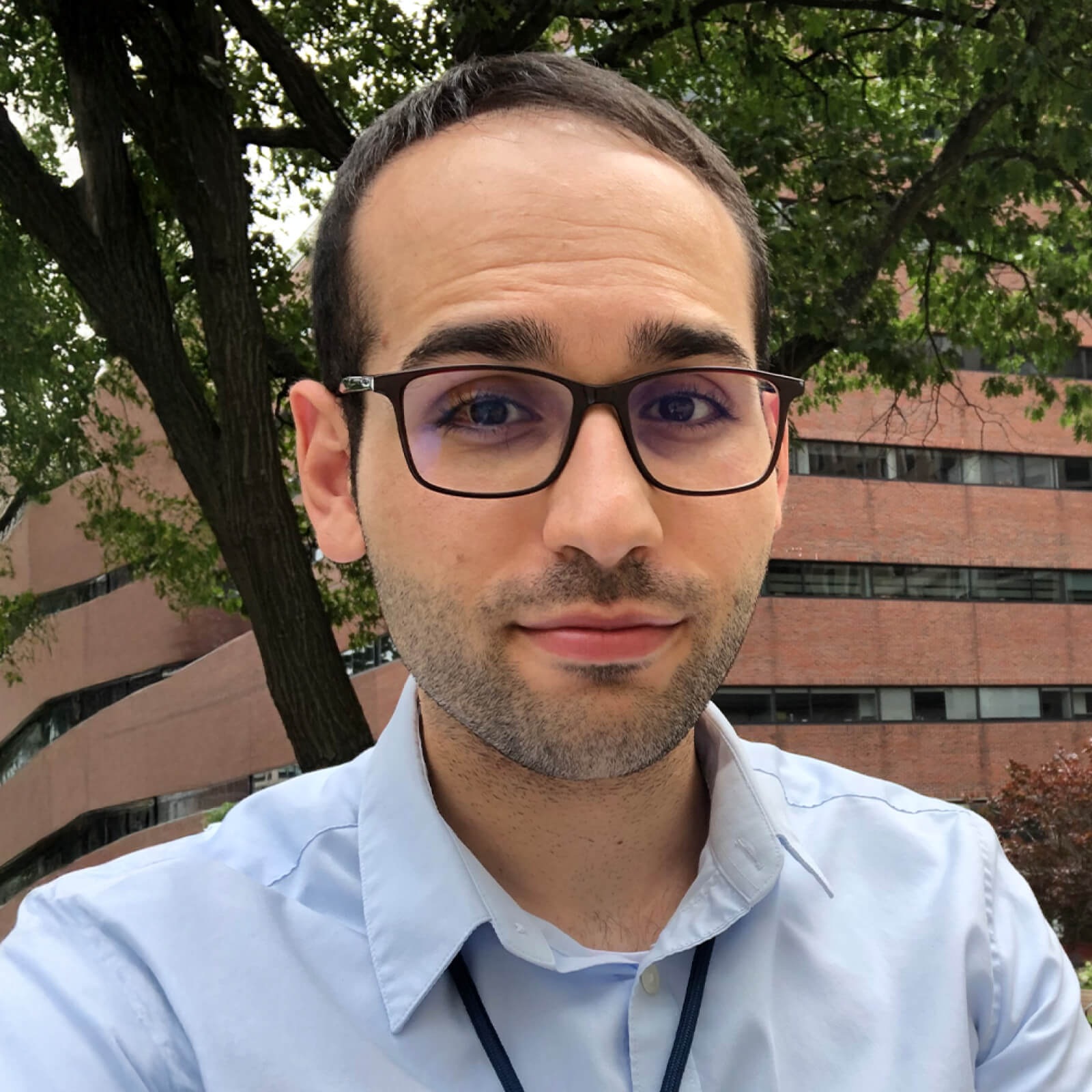
FigureAsia 35 Under 35 · Healthcare
Hazim Ababneh
Age 29 · Radiation oncology, lymphoma and cellular therapy · Cleveland, United States
Young physician-scientist developing adaptive bridging-radiation protocols around CAR-T and bispecific-antibody treatment in lymphoma.
- Approximate age at 31 December 2025
- 29
- Field
- Healthcare
- Country or region
- Cleveland, United States
- FigureAsia U35 Assessment
- 84.7 / 100
Profile
Career and documented record
Hazim Ababneh's work addresses a practical problem in cellular therapy: what to do while a patient with aggressive lymphoma waits for, receives or stops responding to an immune treatment. His 2025 “5-5-5” work described an adaptive bridging-radiation approach around CAR-T therapy, seeking a concise, reproducible way to control disease without losing sight of timing and toxicity.
In 2026, he contributed to research on combining radiation with bispecific antibodies and to metabolic imaging work after CAR-T. Together, the publications treat radiation not as an isolated historical modality but as a carefully scheduled component of a modern treatment pathway. Ababneh's clinical training and publication record give him direct relevance to the multidisciplinary decisions the research examines.
The available evidence does not establish that the proposed schedule is a superior standard of care. Some cited work is retrospective or early clinical research, and patient selection can strongly shape outcomes. Ababneh's inclusion recognizes the integration of modalities and a young Jordanian physician-scientist's growing influence in an internationally important oncology field.
FigureAsia selection
Why Hazim Ababneh is on the list
FigureAsia selected Ababneh because his 2025–2026 record is focused, clinically literate and responsive to an emerging treatment reality. He is not credited with CAR-T or bispecific therapy itself; his contribution is the design and study of radiation around them. The score reflects meaningful translational work while withholding claims of superiority until comparative prospective evidence exists.
Verified work
The 2025–26 record
Principal milestone
2025 adaptive 5-5-5 bridging-radiation report
Evidence record
2026 radiation-plus-bispecific research
Scale or implementation
2026 post-CAR-T metabolic-imaging analysis
Field context
The work in its field
Within radiation oncology, lymphoma and cellular therapy, the relevant test is whether a result can survive scrutiny of maturity, attribution, validity and practical fit. That distinction matters: completed evidence is not projected benefit, and individual responsibility is not interchangeable with the wider team’s achievement.
FigureAsia U35 Assessment
Assessment breakdown
84.7out of 100
Substantive 2025–2026 contribution
18 / 20
The score reflects completed 2025–26 work in radiation oncology, lymphoma and cellular therapy, assessed at the documented maturity of early clinical and retrospective translational research.
Verified impact
12 / 15
Impact credit is limited to the measured study, regulatory, implementation or operating record stated in the profile; unsupported patient benefit is excluded.
Originality and distinction
8 / 10
The work creates or materially advances a distinctive capability within radiation oncology, lymphoma and cellular therapy rather than relying on title or institutional association.
Field and industry influence
8 / 10
The assessment recognises demonstrated effects on research, product development, care delivery or professional practice, with publicity alone carrying no weight.
Individual agency
9 / 10
Named authorship and the documented role of Physician-Scientist in Radiation Oncology establish individual responsibility while preserving credit for collaborators.
Durability and trajectory
4 / 5
The cited work forms part of a continuing programme, platform or research trajectory rather than a single uncompleted announcement.
Asian significance and global relevance
5 / 5
The Asian connection is material to the person's identity, operating base or populations served: Jordanian radiation-oncology researcher working in the United States.
Clinical and scientific validity
5.6 / 7
Clinical and scientific validity is calibrated to early clinical and retrospective translational research, with the profile retaining the evidence boundary attached to the result.
Safety, quality and responsible governance
6.3 / 7
Safety and governance credit reflects accurate regulatory language, study limitations, data stewardship and the refusal to turn early evidence into clinical certainty.
Translation and care-pathway fit
4.8 / 6
The work is scored for its demonstrated fit with a laboratory, regulatory, clinical, operational or public-health pathway, not for projected future adoption.
Access, equity and resource stewardship
4 / 5
Access credit reflects documented reach, capacity, affordability or inclusion while distinguishing service volume from proven clinical outcome.