
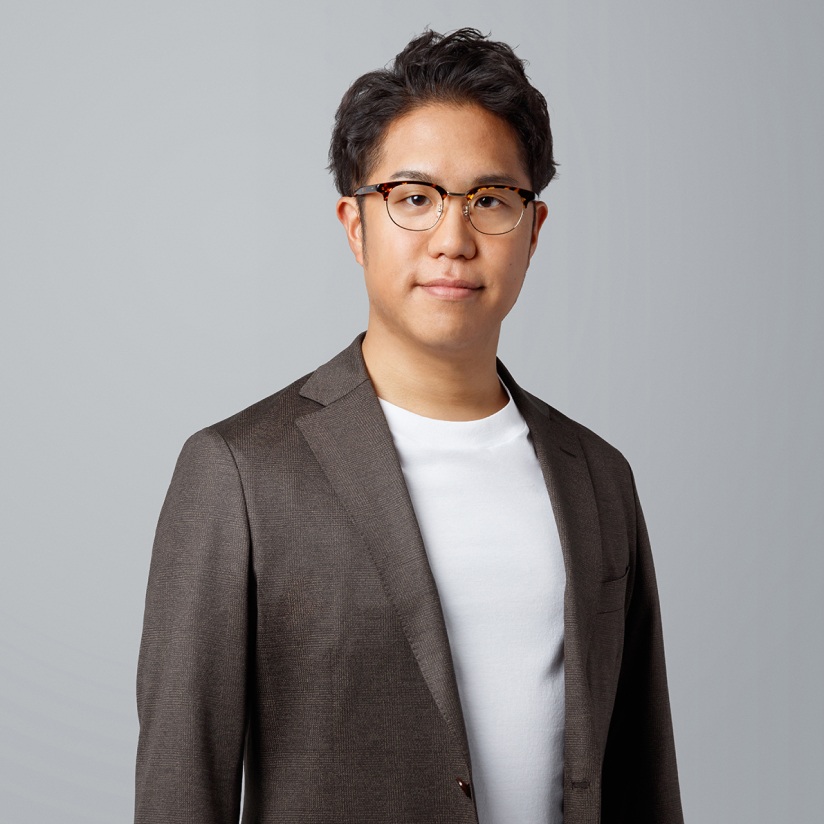
FigureAsia 35 Under 35 · Healthcare
Ryuichi Onose
Age 34 · Urinary microRNA and cancer-risk assessment · Tokyo and Nagoya, Japan
Founder of a Japanese molecular-diagnostics company that expanded urinary microRNA testing, accumulated more than 30,000 clinical samples and raised US$22 million in 2025.
- Approximate age at 31 December 2025
- 34
- Field
- Healthcare
- Country or region
- Tokyo and Nagoya, Japan
- FigureAsia U35 Assessment
- 89.5 / 100
Profile
Career and documented record
Ryuichi Onose is building around an accessible specimen that conventional cancer screening often overlooks: urine. The platform analyses microRNA patterns to assess risk across several cancers, aiming to make an initial check easier to obtain than imaging or invasive sampling. By 2025, the company reported a clinical-sample base exceeding 30,000 and published ongoing research across detection and biological modeling. A US$22 million financing round supported expansion and evidence generation.
Onose's contribution is the integration of biomarker discovery, consumer access, laboratory operations and longitudinal data. In Japan, where participation and capacity can constrain screening programmes, a mailed or clinic-collected urine sample offers a plausible low-friction entry point. The company's BioAI work also uses the accumulating molecular dataset to investigate disease signals beyond a single classifier.
The evidence requires careful separation. Service volume and case stories are company-reported, and a positive risk assessment is not a cancer diagnosis. The platform's expansion does not replace pivotal prospective trials, jurisdiction-specific authorization or evidence that its use reduces late diagnosis or mortality. Onose is ranked for building a serious molecular-diagnostics programme at scale, not for outcomes that the public record has not yet established.
FigureAsia selection
Why Ryuichi Onose is on the list
FigureAsia selected Onose because the programme combines an Asia-specific access problem with substantial sample infrastructure and continuing research. He has carried founder-level responsibility from assay concept into service operations and financing. The gap between reported use and independently demonstrated clinical utility remains material and limits the strength of the evidence.
Verified work
The 2025–26 record
Principal milestone
More than 30,000 clinical samples reported
Evidence record
US$22 million financing announced in April 2025
Scale or implementation
Multi-cancer urinary microRNA research programme
Field context
The work in its field
Within urinary microrna and cancer-risk assessment, the relevant test is whether a result can survive scrutiny of maturity, attribution, validity and practical fit. That distinction matters: completed evidence is not projected benefit, and individual responsibility is not interchangeable with the wider team’s achievement.
FigureAsia U35 Assessment
Assessment breakdown
89.5out of 100
Substantive 2025–2026 contribution
18 / 20
The score reflects completed 2025–26 work in urinary microrna and cancer-risk assessment, assessed at the documented maturity of commercial service with ongoing clinical validation.
Verified impact
13.5 / 15
Impact credit is limited to the measured study, regulatory, implementation or operating record stated in the profile; unsupported patient benefit is excluded.
Originality and distinction
9 / 10
The work creates or materially advances a distinctive capability within urinary microrna and cancer-risk assessment rather than relying on title or institutional association.
Field and industry influence
9 / 10
The assessment recognises demonstrated effects on research, product development, care delivery or professional practice, with publicity alone carrying no weight.
Individual agency
10 / 10
Named authorship and the documented role of Cofounder and Chief Executive Officer establish individual responsibility while preserving credit for collaborators.
Durability and trajectory
4.5 / 5
The cited work forms part of a continuing programme, platform or research trajectory rather than a single uncompleted announcement.
Asian significance and global relevance
5 / 5
The Asian connection is material to the person's identity, operating base or populations served: Japanese founder building cancer-detection technology in Japan.
Clinical and scientific validity
5.6 / 7
Clinical and scientific validity is calibrated to commercial service with ongoing clinical validation, with the profile retaining the evidence boundary attached to the result.
Safety, quality and responsible governance
5.6 / 7
Safety and governance credit reflects accurate regulatory language, study limitations, data stewardship and the refusal to turn early evidence into clinical certainty.
Translation and care-pathway fit
4.8 / 6
The work is scored for its demonstrated fit with a laboratory, regulatory, clinical, operational or public-health pathway, not for projected future adoption.
Access, equity and resource stewardship
4.5 / 5
Access credit reflects documented reach, capacity, affordability or inclusion while distinguishing service volume from proven clinical outcome.