
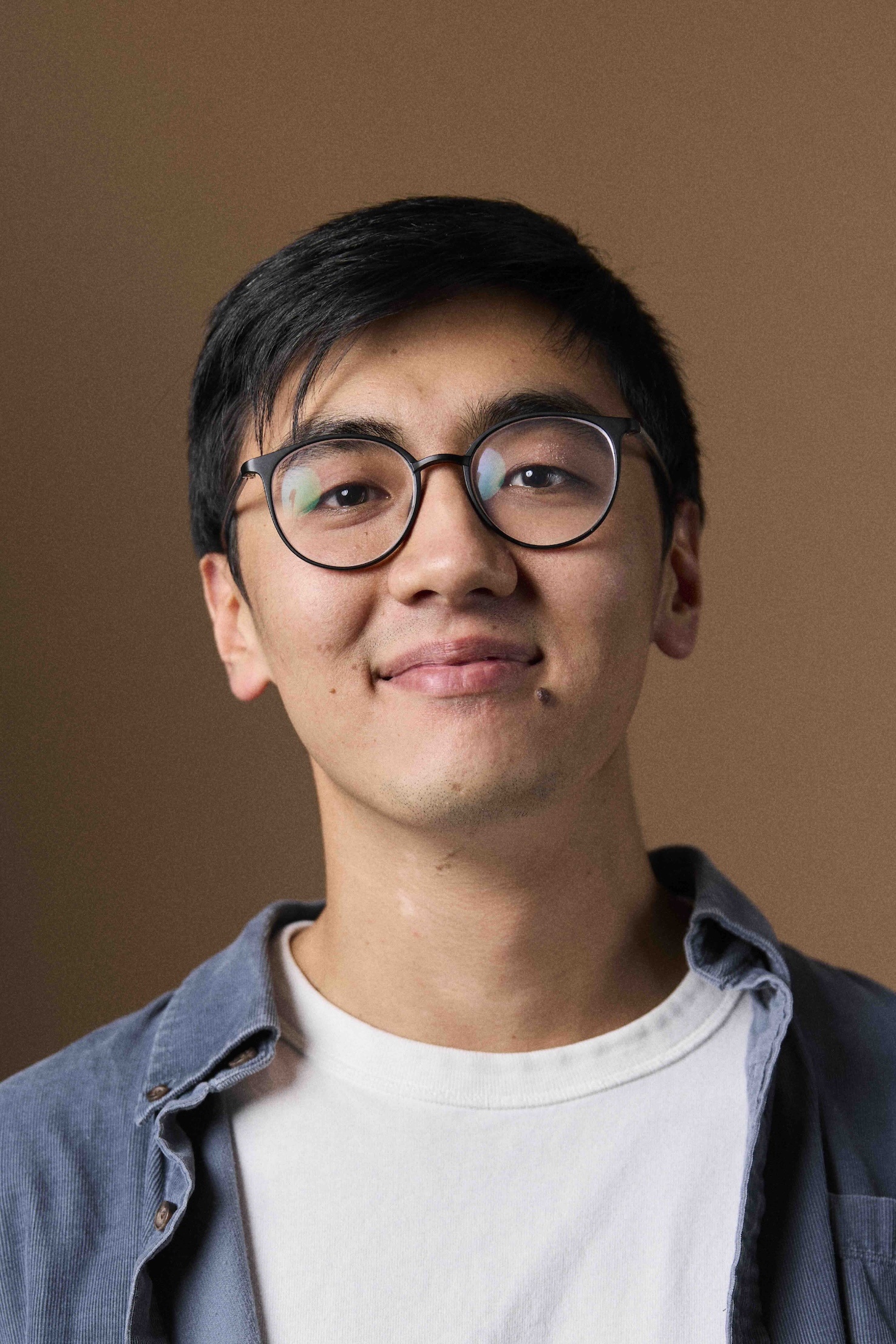
FigureAsia 35 Under 35 · Healthcare
Temurkhan Ayupov
Age 28 · Mitochondrial delivery, ophthalmology and neurodegeneration · Basel, Switzerland
A Kazakh scientist who co-led MitoCatch and then took charge of a dedicated group translating targeted mitochondrial delivery toward optic-nerve disease.
- Approximate age at 31 December 2025
- 28
- Field
- Healthcare
- Country or region
- Basel, Switzerland
- FigureAsia U35 Assessment
- 87.6 / 100
Profile
Career and documented record
Mitochondrial transplantation has attracted interest because damaged cells can sometimes recover when supplied with healthy organelles. Its central weakness has been control: free mitochondria do not reliably reach the cells that need them. Temurkhan Ayupov was an equal first author on the 2026 paper introducing MitoCatch, a programmable targeting system designed to address that problem.
The team demonstrated delivery into human and mouse retinal, neuronal, cardiac, endothelial and immune cell types. In a mouse optic-nerve-injury model, targeted delivery of 2.5 micrograms of mitochondria increased retinal-ganglion-cell survival by 46.8% compared with buffer and preserved light-responsive cells. The work remained preclinical, but it joined molecular targeting with a functional neural outcome rather than stopping at uptake.
Ayupov's individual trajectory strengthens the case. His doctoral work sits at the centre of the platform, his equal-first position makes the experimental responsibility visible, and in June 2026 he became head of a group dedicated to mitochondrial biology and therapy. That appointment gives the contribution institutional continuity: the next questions — biodistribution, immunogenicity, manufacturing and durable function — now form a programme rather than an isolated paper.
FigureAsia selection
Why Temurkhan Ayupov is on the list
FigureAsia selected Ayupov as one of the edition's clearest examples of Central Asian scientific leadership on a global stage. MitoCatch addresses a known technical barrier with measurable in vivo results, and Ayupov's subsequent group leadership demonstrates agency beyond authorship. The score is constrained by the absence of human trials and by unresolved safety and manufacturing questions, not by the ambition or quality of the science.
Verified work
The 2025–26 record
Principal milestone
46.8% higher retinal-ganglion-cell survival versus buffer in the reported mouse model
Evidence record
Targeting demonstrated across five broad cell categories
Scale or implementation
Appointed group head effective 1 June 2026
Field context
The work in its field
Within mitochondrial delivery, ophthalmology and neurodegeneration, the relevant test is whether a result can survive scrutiny of maturity, attribution, validity and practical fit. That distinction matters: completed evidence is not projected benefit, and individual responsibility is not interchangeable with the wider team’s achievement.
FigureAsia U35 Assessment
Assessment breakdown
87.6out of 100
Substantive 2025–2026 contribution
20 / 20
The score reflects completed 2025–26 work in mitochondrial delivery, ophthalmology and neurodegeneration, assessed at the documented maturity of preclinical therapeutic-delivery platform.
Verified impact
12 / 15
Impact credit is limited to the measured study, regulatory, implementation or operating record stated in the profile; unsupported patient benefit is excluded.
Originality and distinction
10 / 10
The work creates or materially advances a distinctive capability within mitochondrial delivery, ophthalmology and neurodegeneration rather than relying on title or institutional association.
Field and industry influence
8 / 10
The assessment recognises demonstrated effects on research, product development, care delivery or professional practice, with publicity alone carrying no weight.
Individual agency
9 / 10
Named authorship and the documented role of Head, Mitochondrial Biology and Therapy Group establish individual responsibility while preserving credit for collaborators.
Durability and trajectory
4.5 / 5
The cited work forms part of a continuing programme, platform or research trajectory rather than a single uncompleted announcement.
Asian significance and global relevance
4.5 / 5
The Asian connection is material to the person's identity, operating base or populations served: Born and raised in Almaty, Kazakhstan; now leads a research group in Switzerland.
Clinical and scientific validity
6.3 / 7
Clinical and scientific validity is calibrated to preclinical therapeutic-delivery platform, with the profile retaining the evidence boundary attached to the result.
Safety, quality and responsible governance
5.6 / 7
Safety and governance credit reflects accurate regulatory language, study limitations, data stewardship and the refusal to turn early evidence into clinical certainty.
Translation and care-pathway fit
4.2 / 6
The work is scored for its demonstrated fit with a laboratory, regulatory, clinical, operational or public-health pathway, not for projected future adoption.
Access, equity and resource stewardship
3.5 / 5
Access credit reflects documented reach, capacity, affordability or inclusion while distinguishing service volume from proven clinical outcome.