
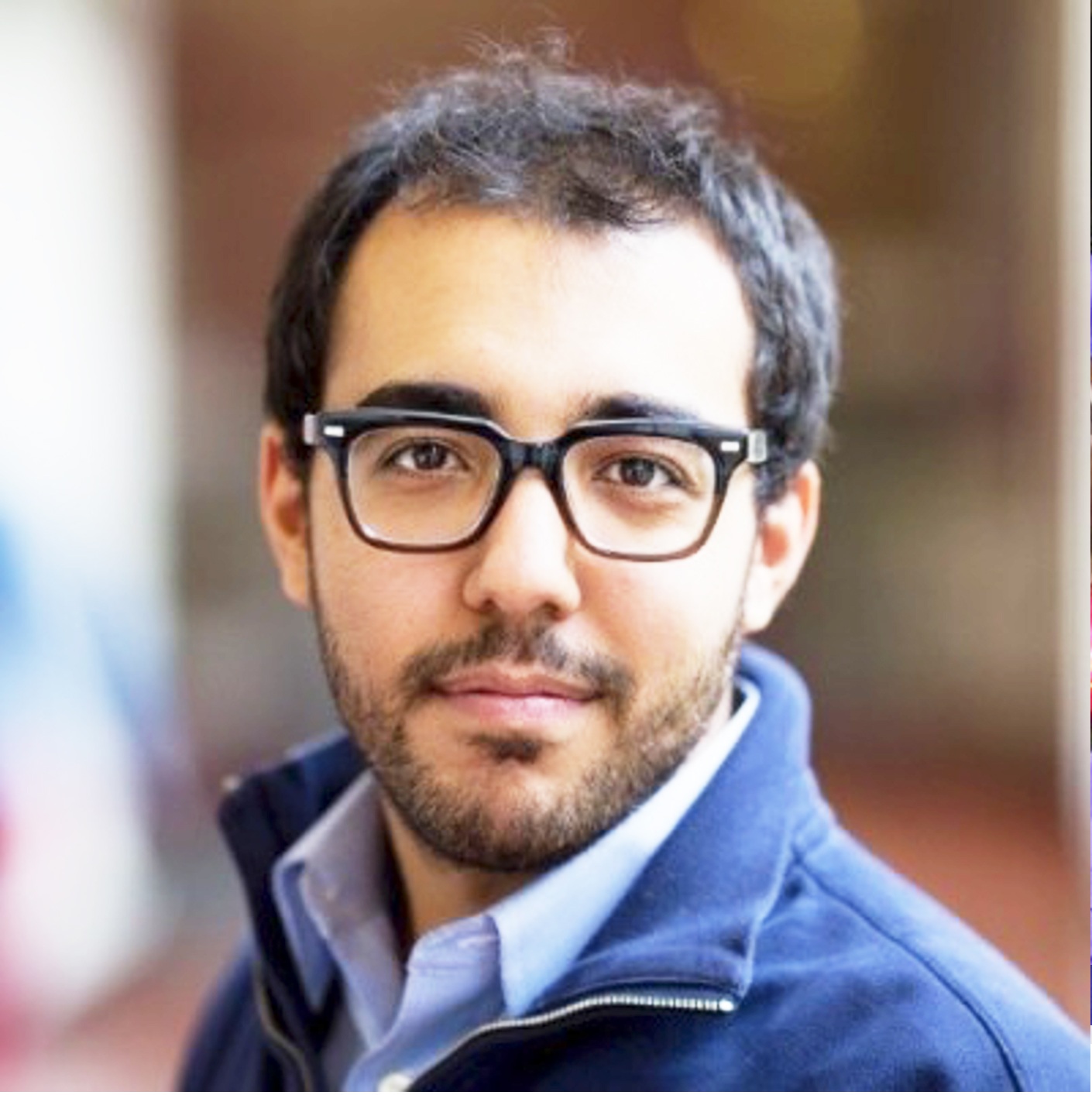
FigureAsia 35 Under 35 · Healthcare
Khalil Ramadi
Age 32 · Neuroengineering and ingestible bioelectronics · Abu Dhabi, United Arab Emirates
Laboratory leader behind a 2025 helical neural implant for controlled multi-region drug delivery and a broader programme of ingestible sensing and stimulation.
- Approximate age at 31 December 2025
- 32
- Field
- Healthcare
- Country or region
- Abu Dhabi, United Arab Emirates
- FigureAsia U35 Assessment
- 84.8 / 100
Profile
Career and documented record
Khalil Ramadi's laboratory works on a practical question with large therapeutic consequences: how to reach tissue that systemic medicine serves poorly. In 2025, his team reported SPIRAL, a helical neural implant designed for controlled drug delivery across multiple brain regions. The architecture aims to place delivery sites along a minimally invasive trajectory rather than requiring separate implants for each target.
The same programme extends to the gastrointestinal tract. Ramadi's 2025 publication record included ingestible systems for sampling the microbiome and for wirelessly powered optogenetic stimulation. Taken together, these projects form a coherent translational thesis: place small, controllable interfaces close to the biology, collect information or deliver an intervention, and reduce dependence on diffuse systemic exposure.
The neural work is preclinical, and no patient benefit or regulatory authorization is claimed. That boundary matters in a field where elegant implants can attract attention years before clinical feasibility. Ramadi's inclusion rests on the continuity of the programme, his senior responsibility as principal investigator and the establishment of an internationally connected neuroengineering laboratory in Abu Dhabi.
FigureAsia selection
Why Khalil Ramadi is on the list
FigureAsia selected Ramadi because he has made West Asia a site of original device research rather than merely a market for imported technology. The 2025 work is technically distinctive and united by a clear care-delivery problem. His score rewards agency, originality and regional significance while remaining conservative on impact: the strongest evidence is preclinical, so the profile does not imply treatment, adoption or human safety.
Verified work
The 2025–26 record
Principal milestone
2025 multi-region neural drug-delivery publication
Evidence record
Three linked device directions across brain and gastrointestinal interfaces
Scale or implementation
Independent laboratory established in Abu Dhabi
Field context
The work in its field
Within neuroengineering and ingestible bioelectronics, the relevant test is whether a result can survive scrutiny of maturity, attribution, validity and practical fit. That distinction matters: completed evidence is not projected benefit, and individual responsibility is not interchangeable with the wider team’s achievement.
FigureAsia U35 Assessment
Assessment breakdown
84.8out of 100
Substantive 2025–2026 contribution
18 / 20
The score reflects completed 2025–26 work in neuroengineering and ingestible bioelectronics, assessed at the documented maturity of preclinical implant and ingestible platforms.
Verified impact
10.5 / 15
Impact credit is limited to the measured study, regulatory, implementation or operating record stated in the profile; unsupported patient benefit is excluded.
Originality and distinction
10 / 10
The work creates or materially advances a distinctive capability within neuroengineering and ingestible bioelectronics rather than relying on title or institutional association.
Field and industry influence
8 / 10
The assessment recognises demonstrated effects on research, product development, care delivery or professional practice, with publicity alone carrying no weight.
Individual agency
10 / 10
Named authorship and the documented role of Assistant Professor of Bioengineering and Principal Investigator establish individual responsibility while preserving credit for collaborators.
Durability and trajectory
4.5 / 5
The cited work forms part of a continuing programme, platform or research trajectory rather than a single uncompleted announcement.
Asian significance and global relevance
5 / 5
The Asian connection is material to the person's identity, operating base or populations served: Palestinian-American bioengineer leading a translational laboratory in Abu Dhabi.
Clinical and scientific validity
5.6 / 7
Clinical and scientific validity is calibrated to preclinical implant and ingestible platforms, with the profile retaining the evidence boundary attached to the result.
Safety, quality and responsible governance
5.6 / 7
Safety and governance credit reflects accurate regulatory language, study limitations, data stewardship and the refusal to turn early evidence into clinical certainty.
Translation and care-pathway fit
3.6 / 6
The work is scored for its demonstrated fit with a laboratory, regulatory, clinical, operational or public-health pathway, not for projected future adoption.
Access, equity and resource stewardship
4 / 5
Access credit reflects documented reach, capacity, affordability or inclusion while distinguishing service volume from proven clinical outcome.