
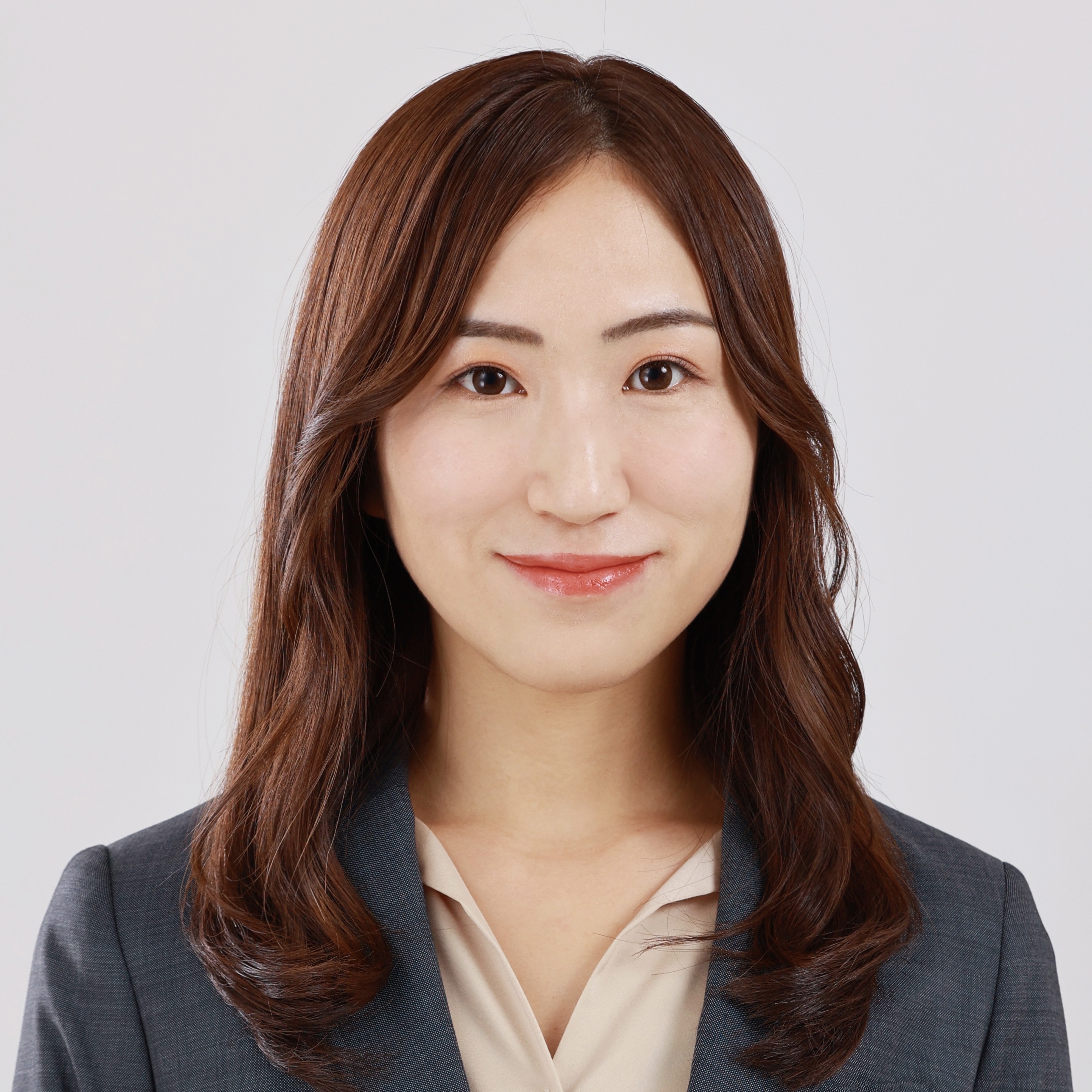
FigureAsia 35 Under 35 · Science
Akari Asai
Age 30 · Open retrieval and scientific language models · Japan / United States
First author of OpenScholar, an open retrieval-augmented system for evidence-grounded scientific synthesis.
- Approximate age at the edition eligibility date
- 30
- Field
- Computer science
- Country or region
- Japan / United States
- FigureAsia U35 Assessment
- 86.5 / 100
Profile
Career and documented record
Scientific question-answering is only useful when the literature behind an answer can be found and challenged. Akari Asai is first author of OpenScholar, published in Nature in 2026, an open retrieval-augmented system designed to search papers, synthesise evidence and expose its citations.
On ScholarQABench, a 2,967-question evaluation built with subject experts, the reported eight-billion-parameter system outperformed GPT-4o by 6.1 percentage points under the study's scoring. More important than that comparison is the architecture: retrieval, evidence selection and answer generation remain separable and inspectable.
OpenScholar cannot guarantee that every cited paper is correct or that synthesis is complete. It offers a stronger research contract: open models, explicit sources and a benchmark shaped by scientific users rather than generic web questions.
FigureAsia selection
Why Akari Asai is on the list
Asai is selected for putting openness and evidence at the centre of scientific language modelling. OpenScholar answers a practical need while resisting the black-box form in which much AI assistance is sold.
Verified work
The 2025–26 record
OpenScholar in Nature
First-authored an open retrieval-augmented system for scientific literature synthesis.
ScholarQABench
Evaluated on 2,967 expert-written scientific questions with citation-aware scoring.
Open research transition
Advanced the system at Ai2 while preparing an independent CMU faculty programme.
Field context
The work in its field
Scientific synthesis requires provenance as much as fluent text. Retrieval systems are strongest when users can see the documents, query the selection and distinguish evidence from generated connective prose.
FigureAsia U35 Assessment
Assessment breakdown
86.5out of 100
Substantive 2025–2026 contribution
16.7 / 20
First-authored an open retrieval-augmented system for scientific literature synthesis.
Verified scientific impact
12.5 / 15
Nature publication, open artefacts and a large expert-built benchmark give the work both visibility and practical research value.
Originality and distinction
8.8 / 10
The distinction lies in joining open retrieval, citation-grounded generation and expert scientific evaluation in one inspectable system.
Field influence
8.6 / 10
Researchers in open retrieval and scientific language models now have a stronger result to test, extend or challenge because of this contribution.
Individual agency
8.8 / 10
Asai is first author and a principal designer, with dataset, engineering and evaluation credit retained for the team.
Durability and trajectory
4.5 / 5
The contribution builds on an active line of work at Allen Institute for AI and Carnegie Mellon University, with further tests and applications still to come.
Asian significance and global relevance
4.5 / 5
Japanese computer scientist whose education and research career connect Japan with the United States.
Evidential validity and reproducibility
6.9 / 8
The benchmark is explicit and citation-aware; the profile does not treat model scores as factual infallibility.
Advance in scientific knowledge
6.2 / 7
The study offers evidence about how smaller open systems can compete in domain-specific scientific synthesis.
Translational or methodological utility
4.5 / 5
Researchers gain an open alternative for literature discovery and evidence-linked drafting.
Responsible research stewardship
4.5 / 5
Open models, visible citations and disclosed failure modes strengthen accountability in scientific assistance.