
Science
Thirty-five scientists under 35 whose work changed what can be proved, measured, built or understood—and whose 2025–26 record carries consequence well beyond a single laboratory.
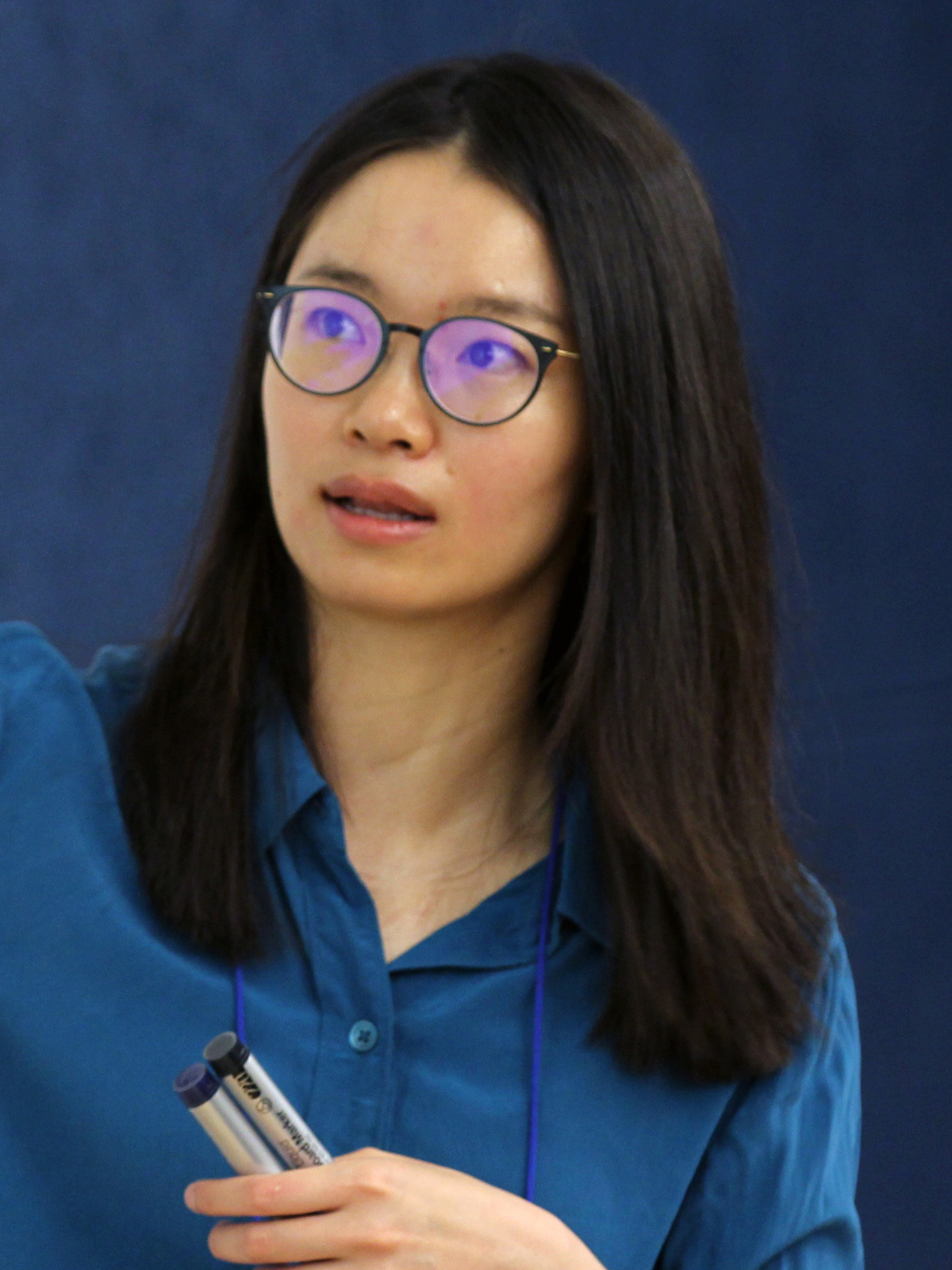 Featured honouree
Hong Wang
Mathematics · China / France / United States
Hong Wang
Harmonic analysis and geometric measure theory · China / France / United States
Co-author of the 2025 proof that three-dimensional Kakeya sets have full dimension.
View profile
Featured honouree
Hong Wang
Mathematics · China / France / United States
Hong Wang
Harmonic analysis and geometric measure theory · China / France / United States
Co-author of the 2025 proof that three-dimensional Kakeya sets have full dimension.
View profile
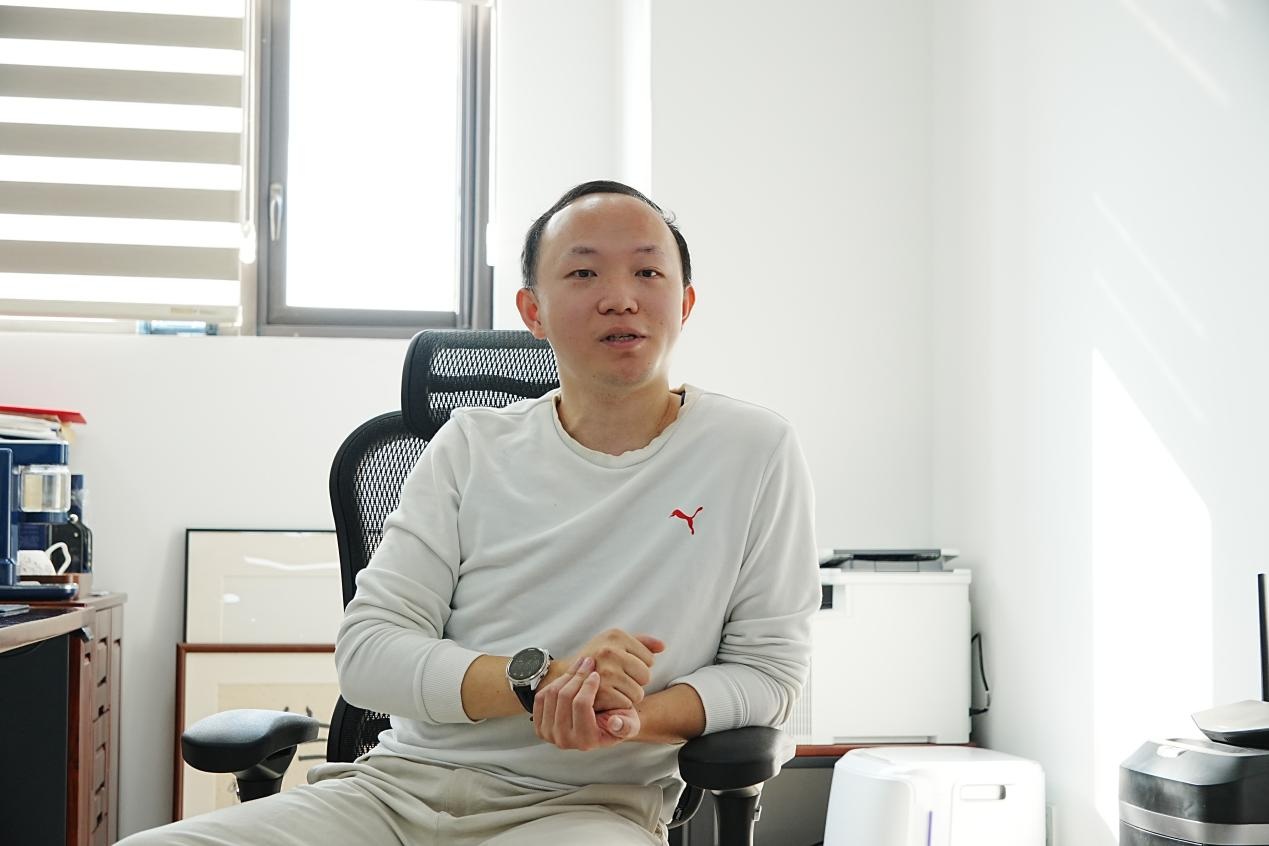 Chunsen Liu
Two-dimensional electronics and memory · China
Co-corresponding author of 2025 Nature work that pushed non-volatile flash programming to 400 picoseconds.
View profile
Chunsen Liu
Two-dimensional electronics and memory · China
Co-corresponding author of 2025 Nature work that pushed non-volatile flash programming to 400 picoseconds.
View profile
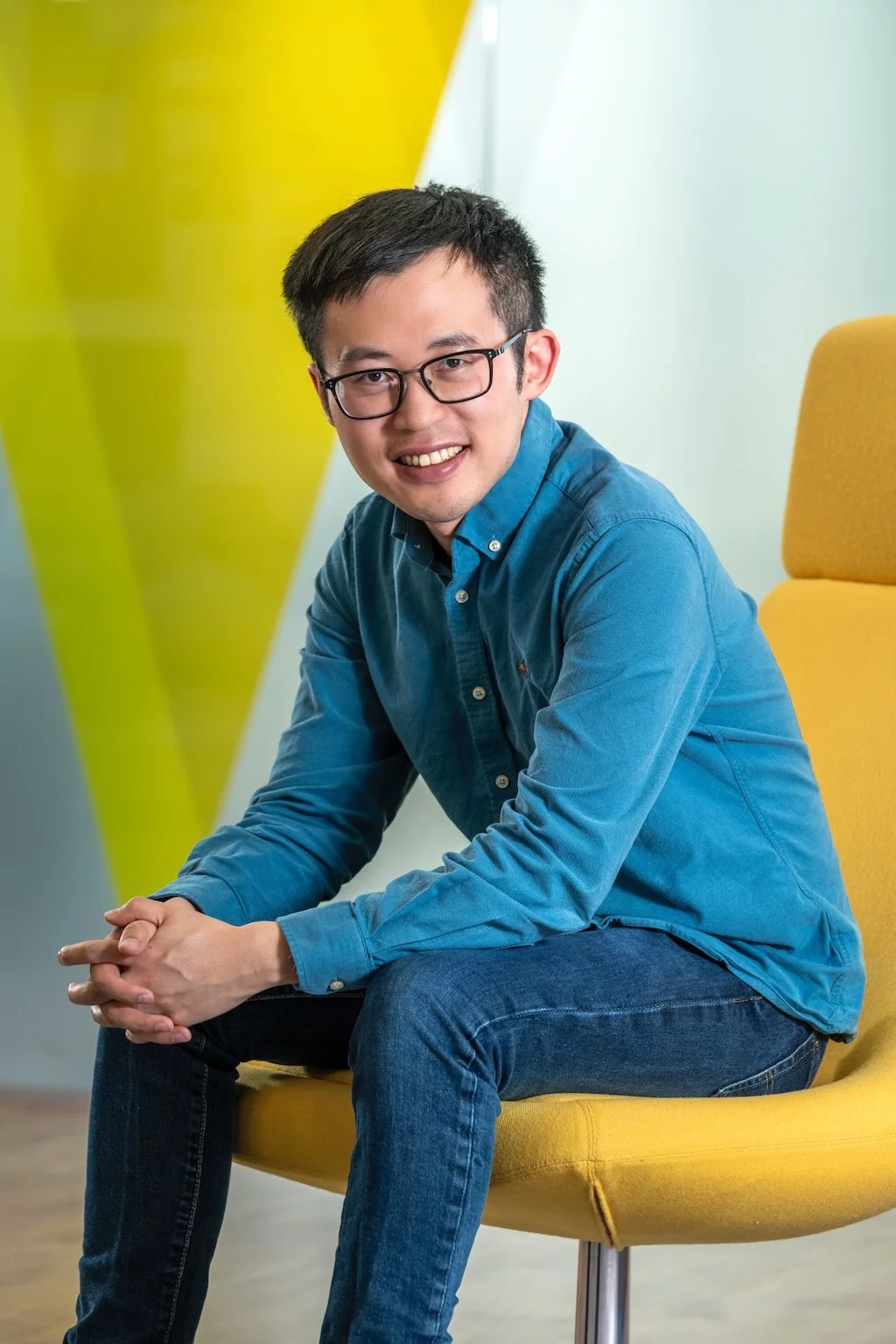 Tian Xie
Generative materials discovery · China / United States
Led the development of MatterGen, a generative model for designing inorganic materials to specified properties.
View profile
Tian Xie
Generative materials discovery · China / United States
Led the development of MatterGen, a generative model for designing inorganic materials to specified properties.
View profile
 Tri Dao
Hardware-aware machine learning systems · Vietnam / United States
Creator of FlashAttention and a leading architect of hardware-efficient sequence models.
View profile
Tri Dao
Hardware-aware machine learning systems · Vietnam / United States
Creator of FlashAttention and a leading architect of hardware-efficient sequence models.
View profile
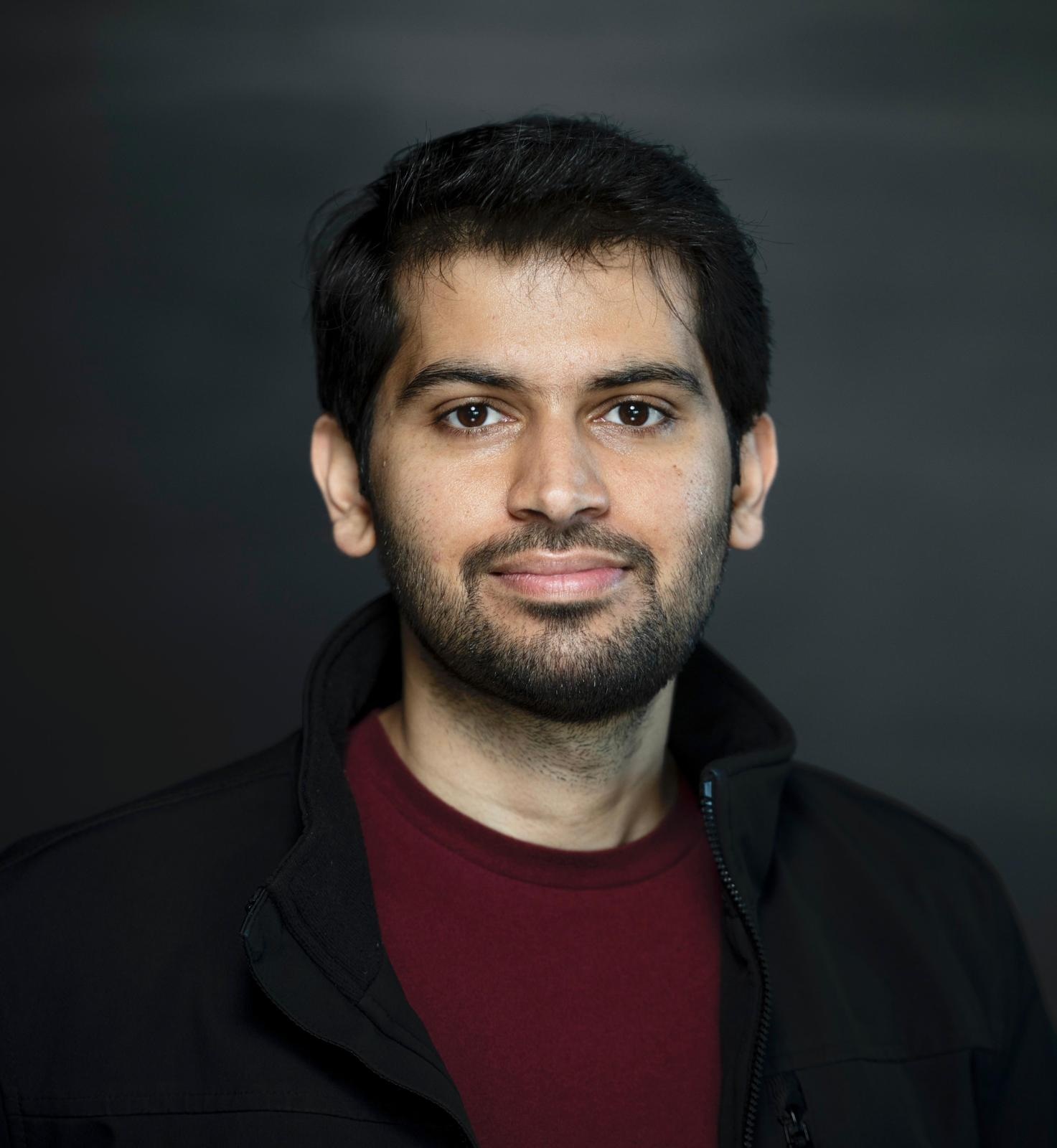 Deepak Pathak
Robot learning and embodied intelligence · India / United States
Senior author of DexWild, which trains dexterous robot hands from low-cost first-person human interaction data.
View profile
Deepak Pathak
Robot learning and embodied intelligence · India / United States
Senior author of DexWild, which trains dexterous robot hands from low-cost first-person human interaction data.
View profile
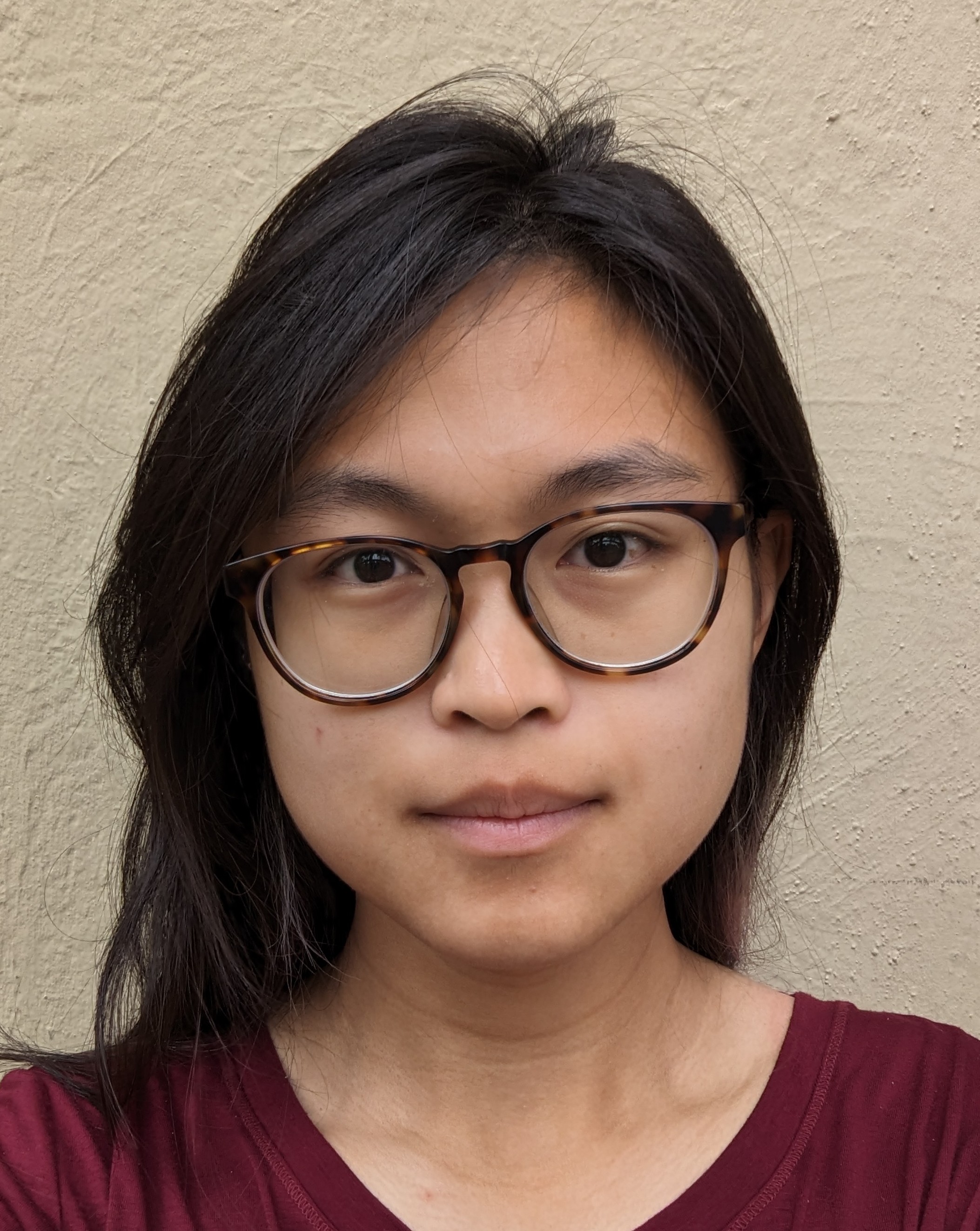 Ewin Tang
Quantum information and classical algorithms · United States / Taiwan
Theorist redefining the boundary between quantum advantage and efficient classical computation.
View profile
Ewin Tang
Quantum information and classical algorithms · United States / Taiwan
Theorist redefining the boundary between quantum advantage and efficient classical computation.
View profile
 Yilin Wang
Probability and conformal geometry · China / Switzerland
A leading architect of the bridge between Loewner energy, random curves and conformal field theory.
View profile
Yilin Wang
Probability and conformal geometry · China / Switzerland
A leading architect of the bridge between Loewner energy, random curves and conformal field theory.
View profile
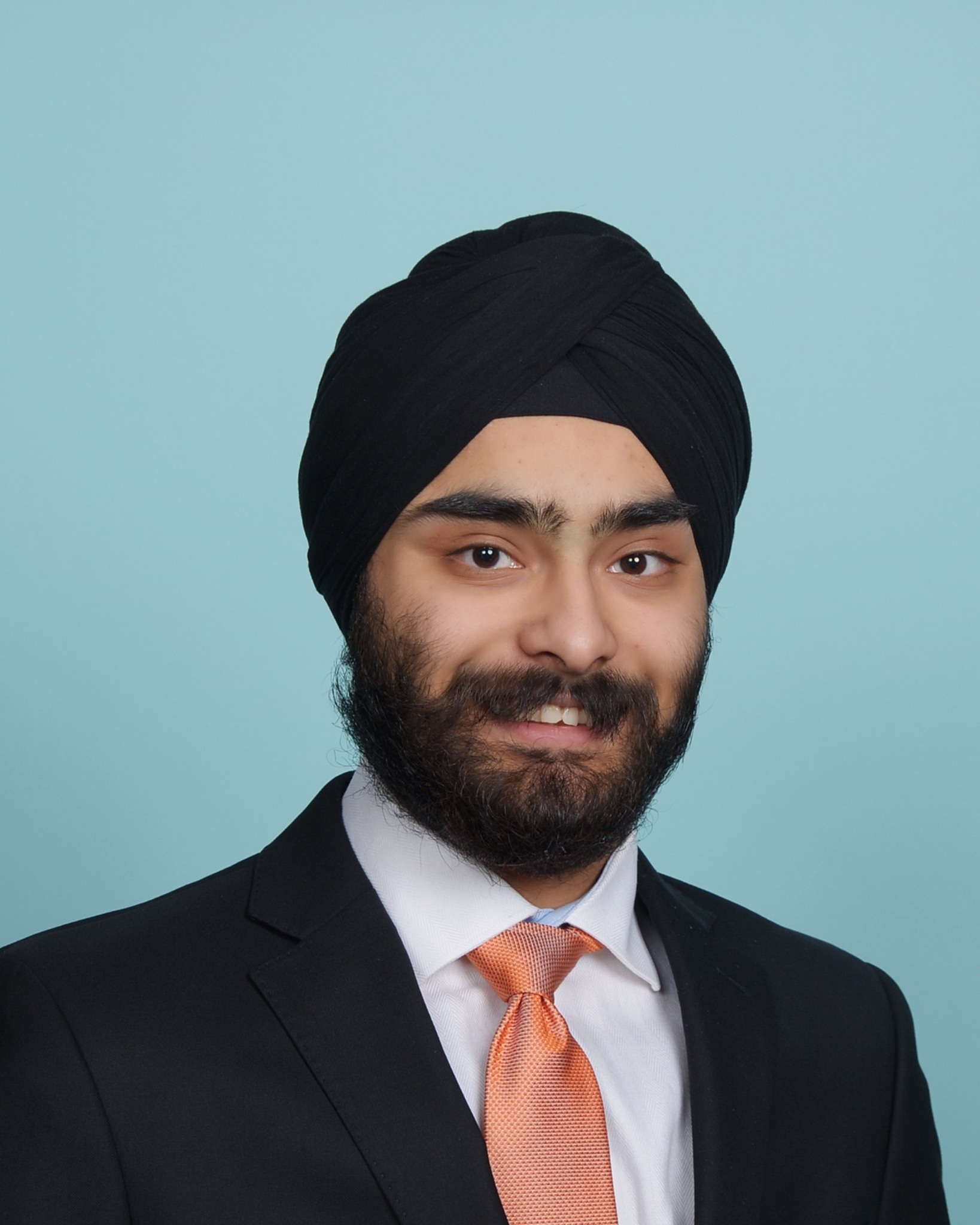 Mehtaab Sawhney
Combinatorics and number theory · India / United States
Young combinatorialist producing new quantitative bounds across additive number theory.
View profile
Mehtaab Sawhney
Combinatorics and number theory · India / United States
Young combinatorialist producing new quantitative bounds across additive number theory.
View profile
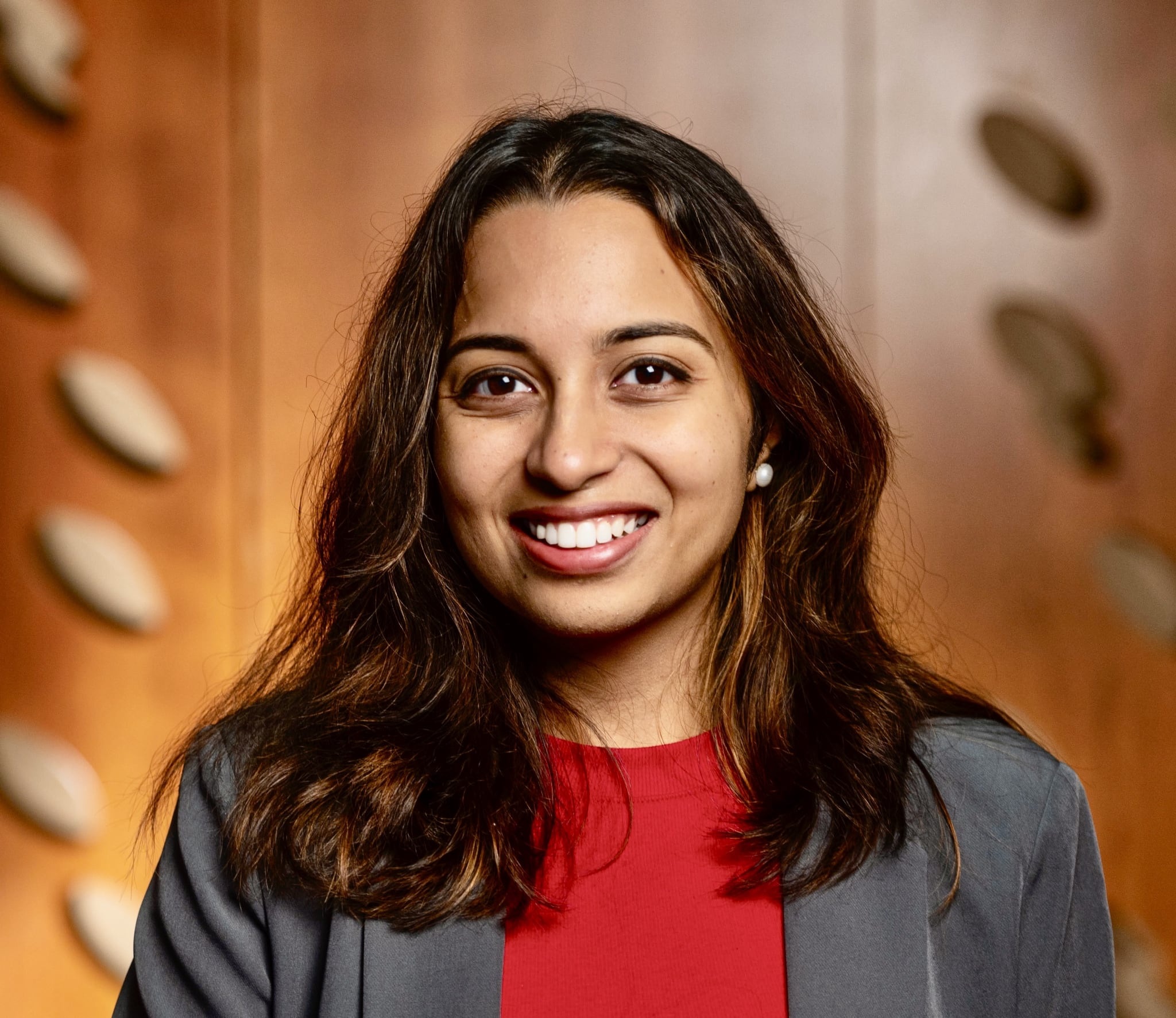 Aditi Raghunathan
Reliable machine learning · India / United States
Researcher exposing why next-token prediction can memorise rather than plan—and how alternative objectives change that behaviour.
View profile
Aditi Raghunathan
Reliable machine learning · India / United States
Researcher exposing why next-token prediction can memorise rather than plan—and how alternative objectives change that behaviour.
View profile
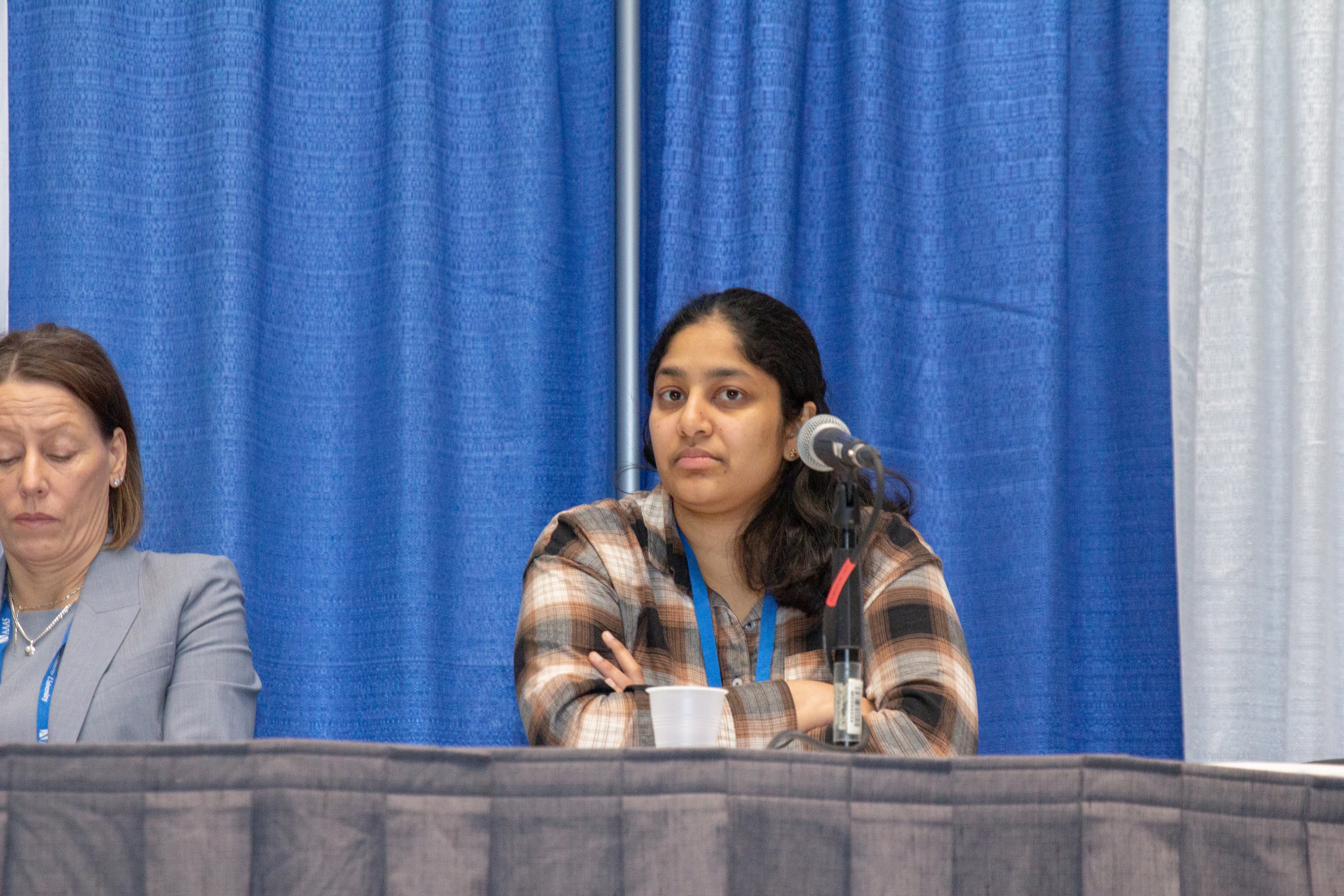 Priya Donti
Machine learning for power grids · India / United States
Climate-AI researcher building realistic benchmarks and decision tools for low-carbon power systems.
View profile
Priya Donti
Machine learning for power grids · India / United States
Climate-AI researcher building realistic benchmarks and decision tools for low-carbon power systems.
View profile
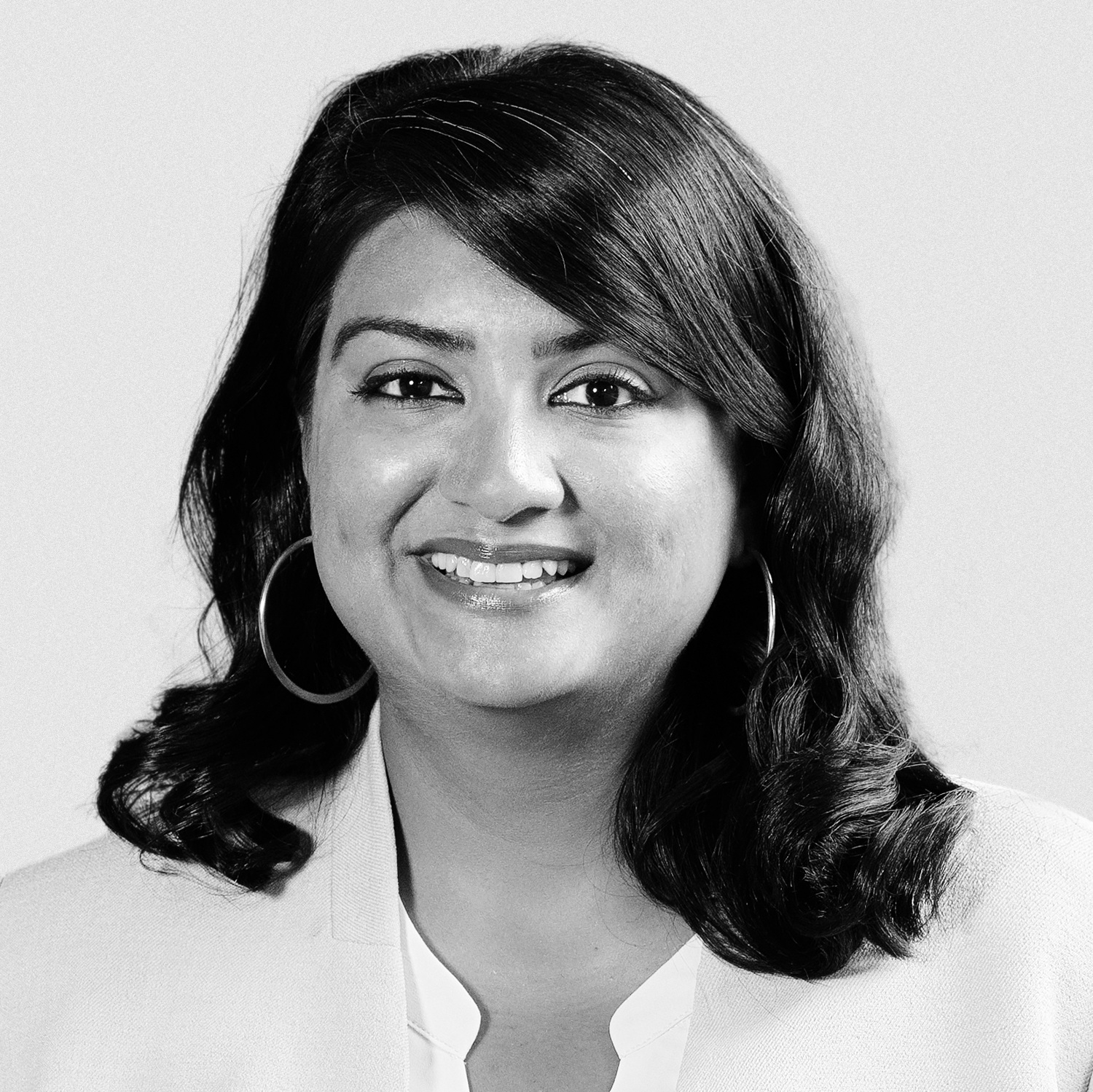 Sneha Goenka
Bioinformatics compilers and algorithms · India / United States
Designer of compilers that turn recursive biological algorithms into high-performance implementations.
View profile
Sneha Goenka
Bioinformatics compilers and algorithms · India / United States
Designer of compilers that turn recursive biological algorithms into high-performance implementations.
View profile
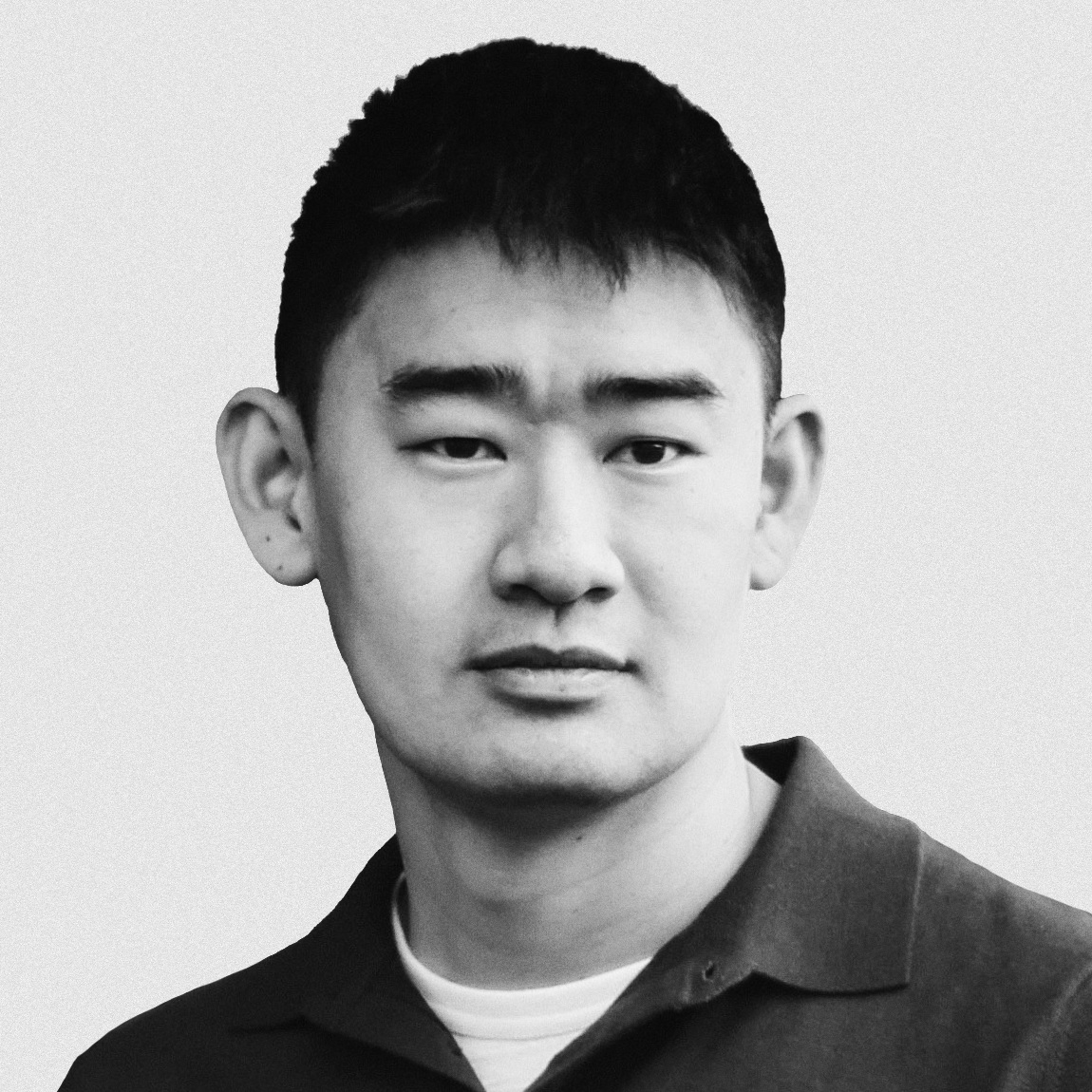 Xiaoxing Xia
Ultrafast nanoscale additive manufacturing · China / United States
Co-creator of a parallel two-photon manufacturing platform exceeding 100 million voxels per second.
View profile
Xiaoxing Xia
Ultrafast nanoscale additive manufacturing · China / United States
Co-creator of a parallel two-photon manufacturing platform exceeding 100 million voxels per second.
View profile
 Baodan Zhao
Perovskite micro-light-emitting diodes · China
Co-corresponding author of 2025 Nature work preserving perovskite LED efficiency at micro- and nanoscale dimensions.
View profile
Baodan Zhao
Perovskite micro-light-emitting diodes · China
Co-corresponding author of 2025 Nature work preserving perovskite LED efficiency at micro- and nanoscale dimensions.
View profile
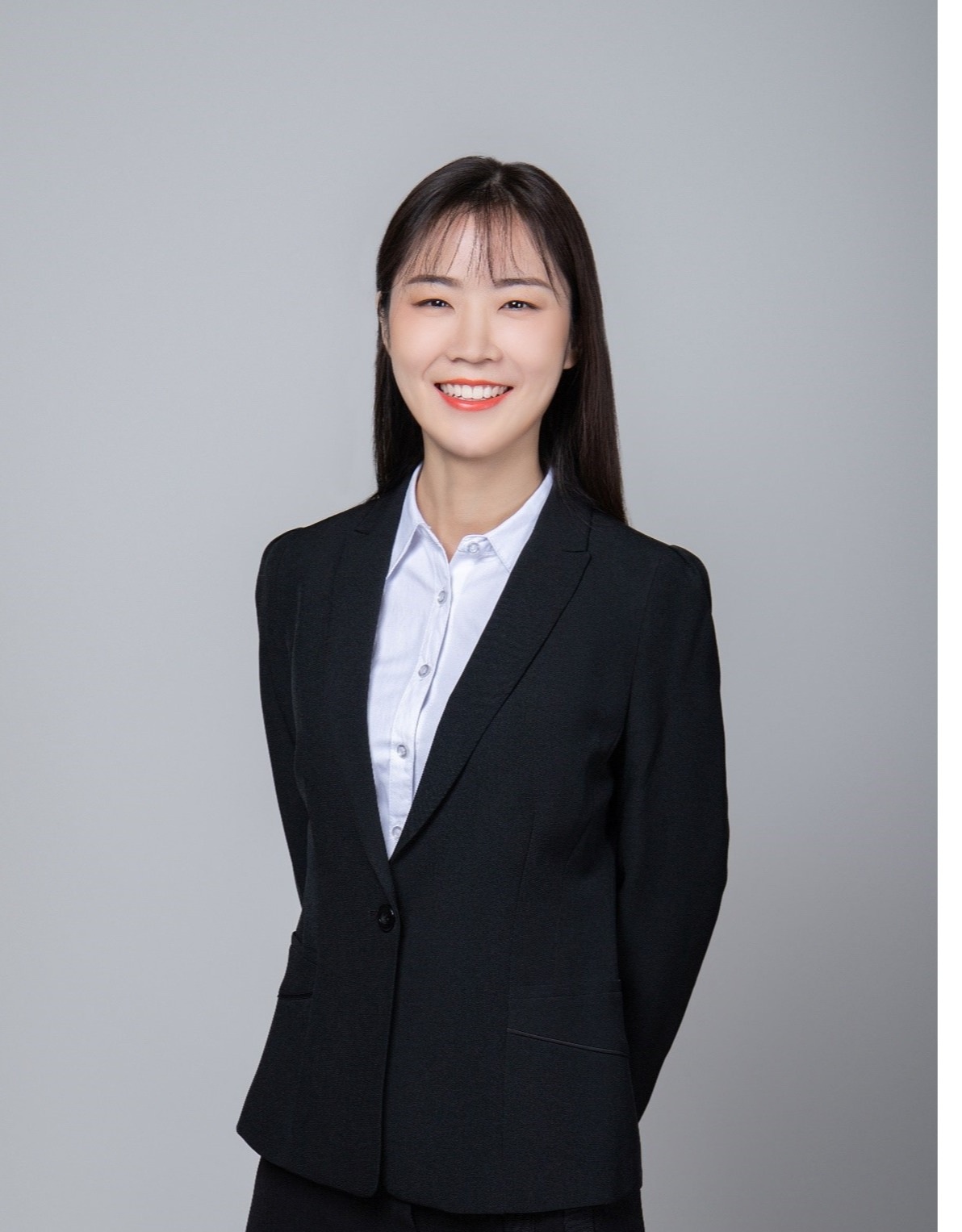 Can Liu
Wafer-scale two-dimensional electronics · China
Co-corresponding author of a 2025 Science paper on wafer-scale indium selenide and integrated transistor arrays.
View profile
Can Liu
Wafer-scale two-dimensional electronics · China
Co-corresponding author of a 2025 Science paper on wafer-scale indium selenide and integrated transistor arrays.
View profile
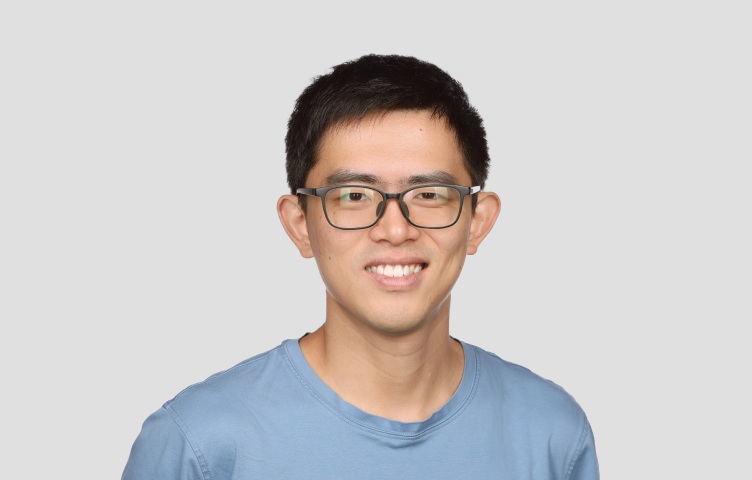 Yi Wu
Reinforcement learning systems · China
Principal investigator behind AReaL, a fully asynchronous system for reinforcement learning of large language models.
View profile
Yi Wu
Reinforcement learning systems · China
Principal investigator behind AReaL, a fully asynchronous system for reinforcement learning of large language models.
View profile
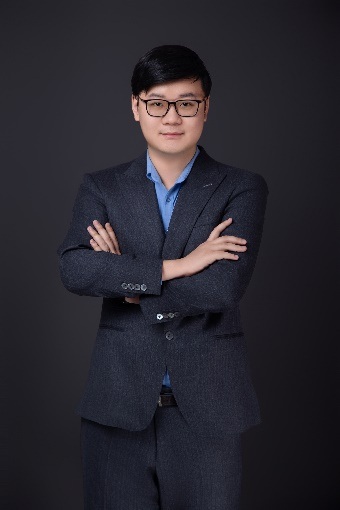 Fei Gao
Autonomous aerial systems · China
Corresponding author of a 2025 Science Robotics system for continuous autonomous aerobatic flight through constrained spaces.
View profile
Fei Gao
Autonomous aerial systems · China
Corresponding author of a 2025 Science Robotics system for continuous autonomous aerobatic flight through constrained spaces.
View profile
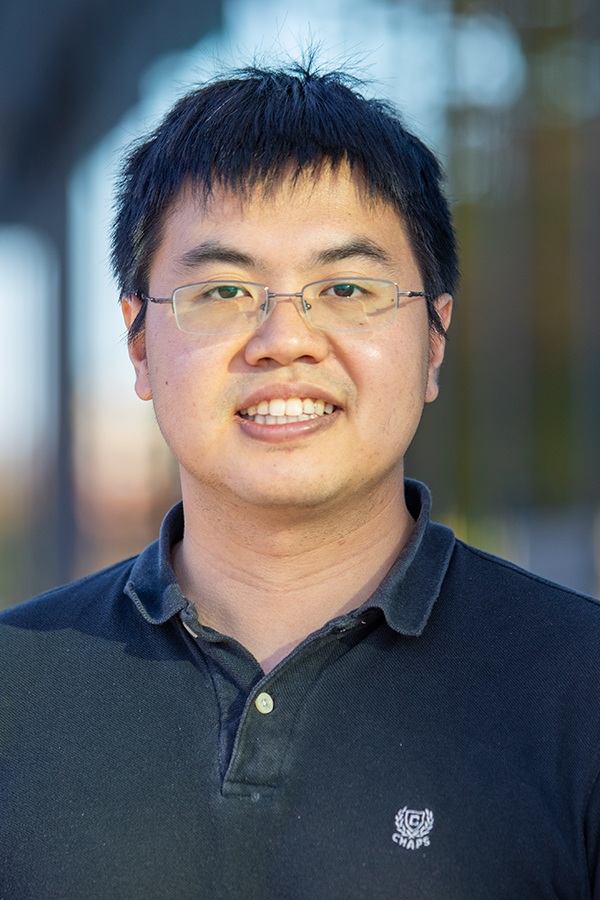 Yilun Du
Compositional generative models and robotics · China / United States
Researcher building compositional world models that let robots plan with video and combine learned capabilities.
View profile
Yilun Du
Compositional generative models and robotics · China / United States
Researcher building compositional world models that let robots plan with video and combine learned capabilities.
View profile
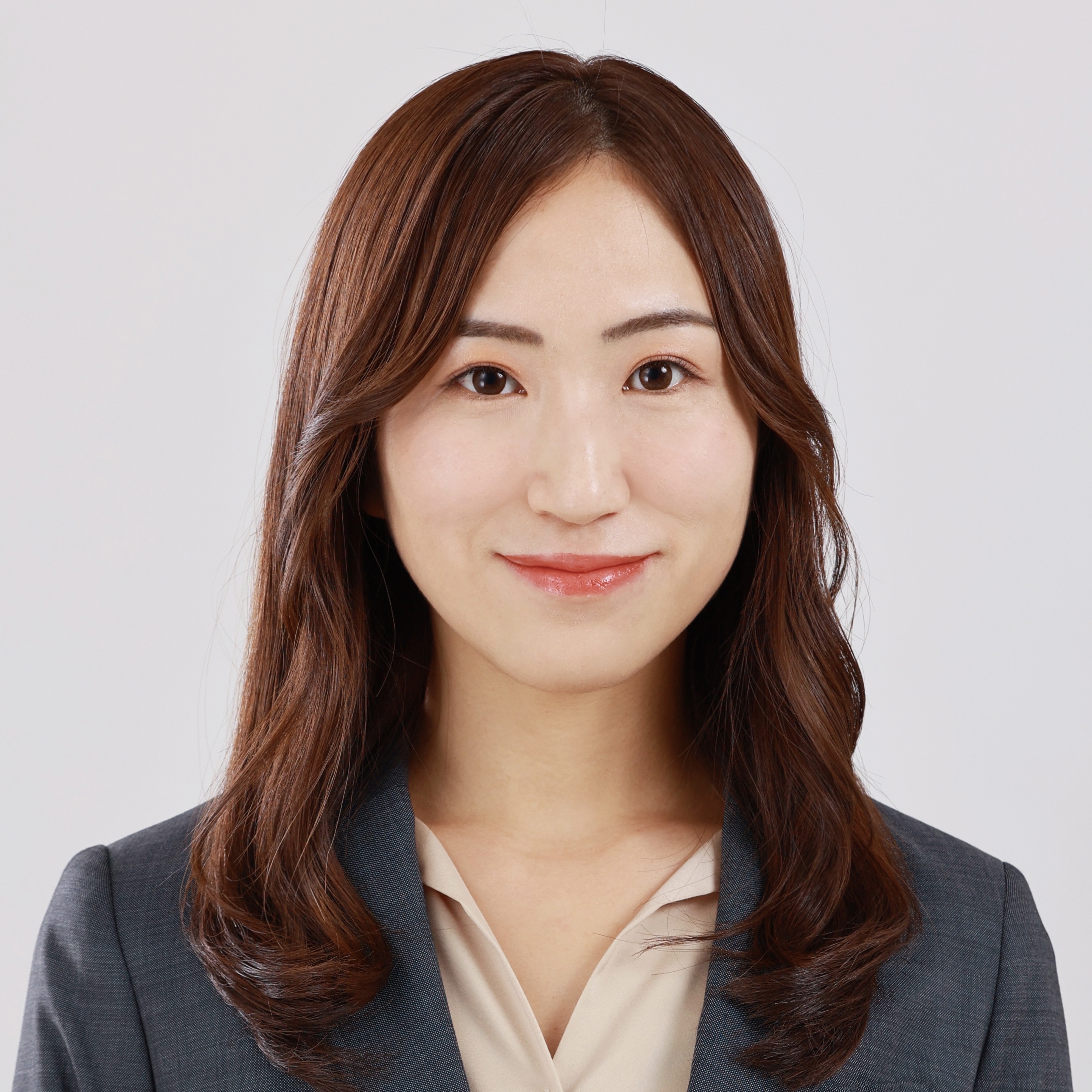 Akari Asai
Open retrieval and scientific language models · Japan / United States
First author of OpenScholar, an open retrieval-augmented system for evidence-grounded scientific synthesis.
View profile
Akari Asai
Open retrieval and scientific language models · Japan / United States
First author of OpenScholar, an open retrieval-augmented system for evidence-grounded scientific synthesis.
View profile
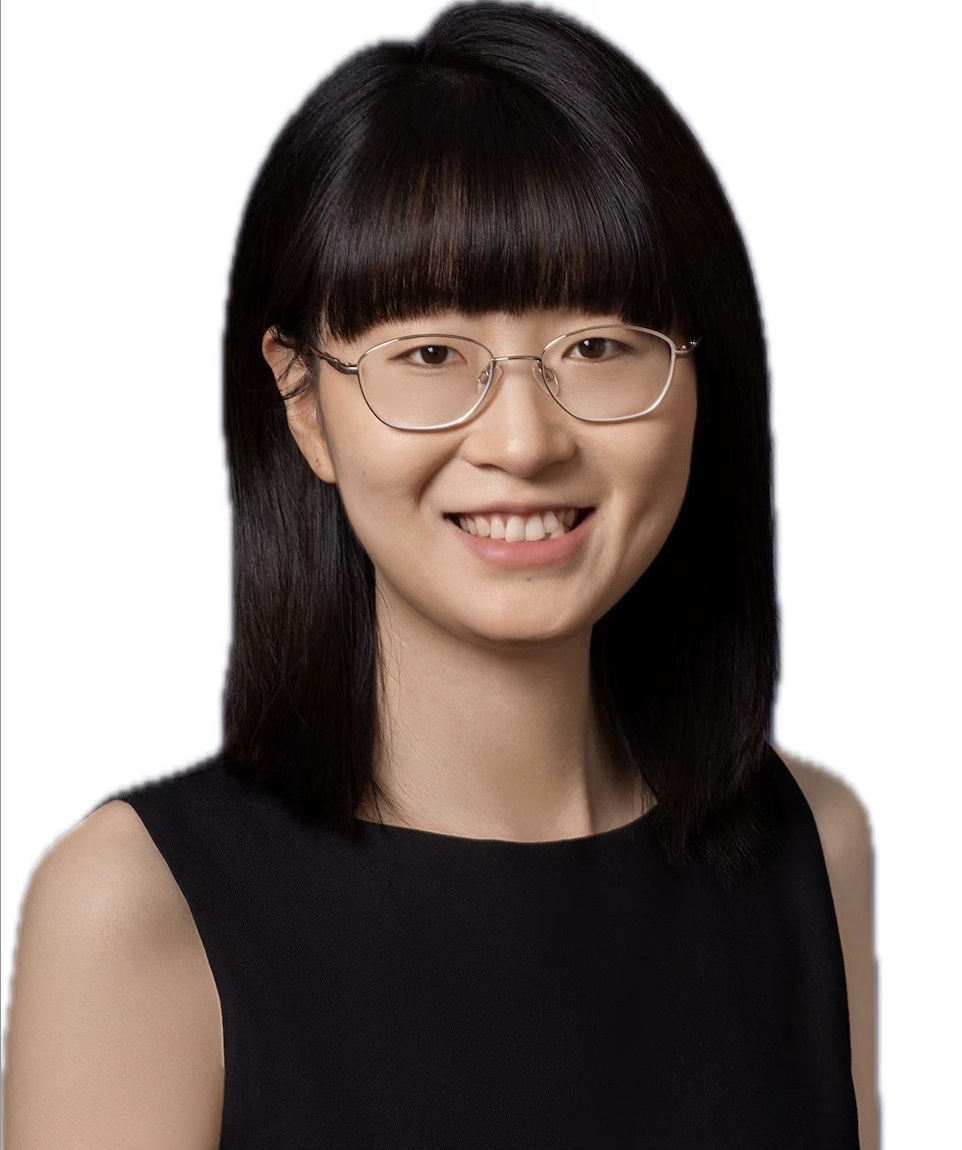 Tiantian Zhang
Topological and chiral phonons · China
First author of a 2025 framework linking the topology and chirality of Weyl phonons.
View profile
Tiantian Zhang
Topological and chiral phonons · China
First author of a 2025 framework linking the topology and chirality of Weyl phonons.
View profile
 Chao He
Adaptive and structured light · China / United Kingdom
Project leader of a universal vectorial adaptive-optics corrector built from a reconfigurable arbitrary retarder array.
View profile
Chao He
Adaptive and structured light · China / United Kingdom
Project leader of a universal vectorial adaptive-optics corrector built from a reconfigurable arbitrary retarder array.
View profile
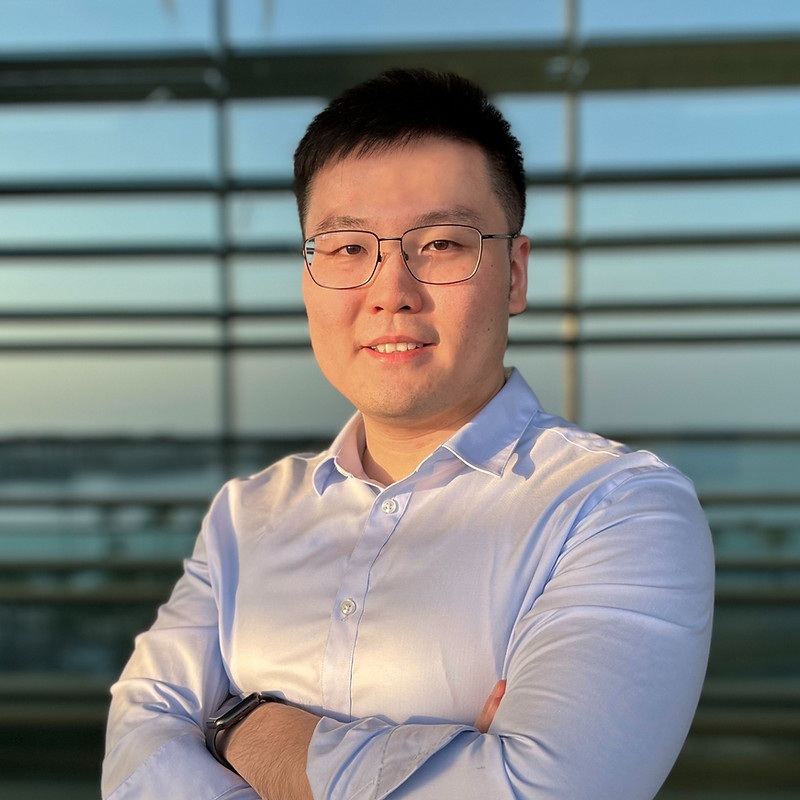 Jie Shen
Two-dimensional membranes · China / Singapore
Co-first author of a 2025 Science paper turning atomic defects in monolayer MoS₂ into selective water channels.
View profile
Jie Shen
Two-dimensional membranes · China / Singapore
Co-first author of a 2025 Science paper turning atomic defects in monolayer MoS₂ into selective water channels.
View profile
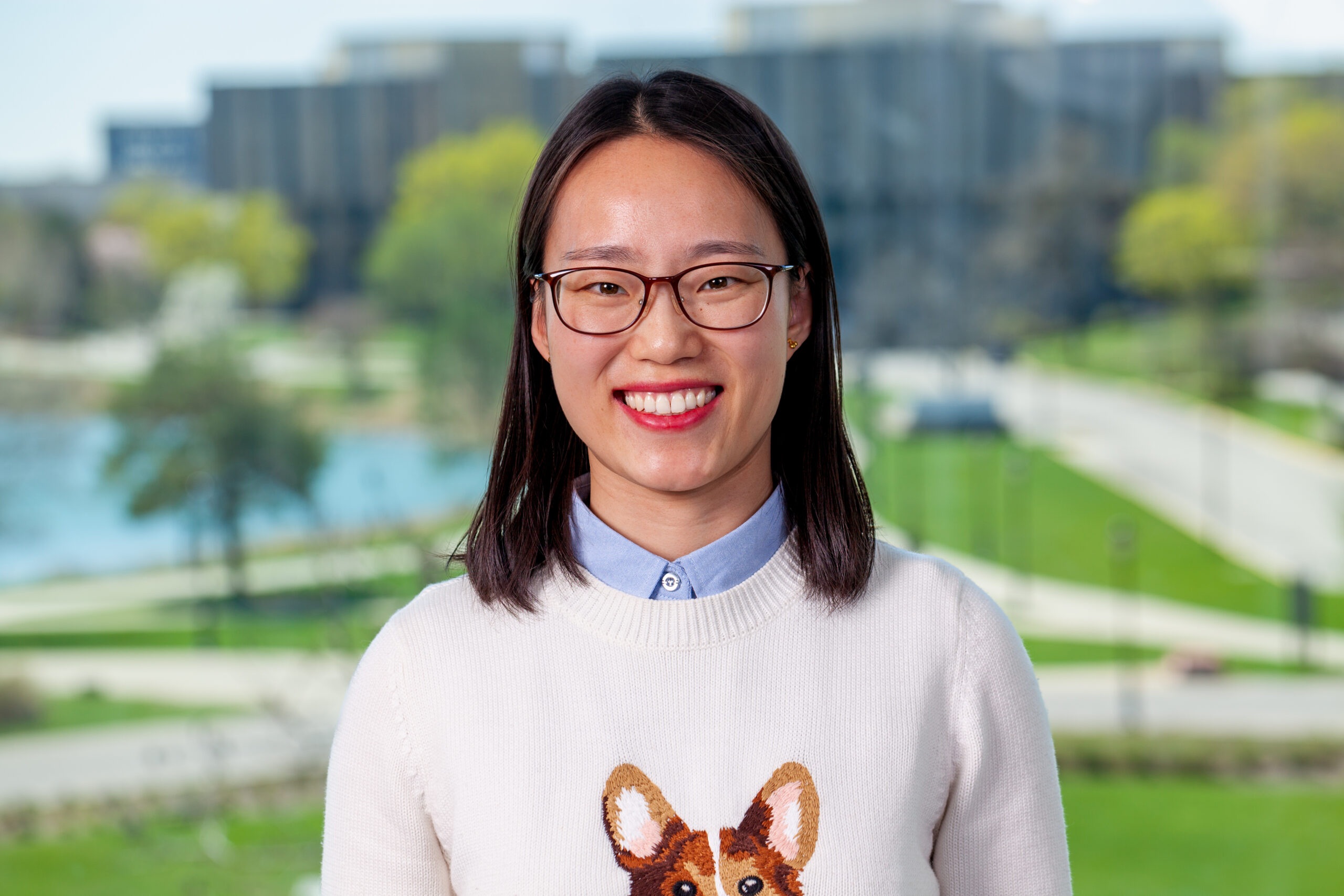 Huihui Zhu
Tin-perovskite thin-film transistors · China
Co-corresponding author of wafer-scale, vapour-deposited tin-perovskite p-channel transistors reported in Nature Electronics.
View profile
Huihui Zhu
Tin-perovskite thin-film transistors · China
Co-corresponding author of wafer-scale, vapour-deposited tin-perovskite p-channel transistors reported in Nature Electronics.
View profile
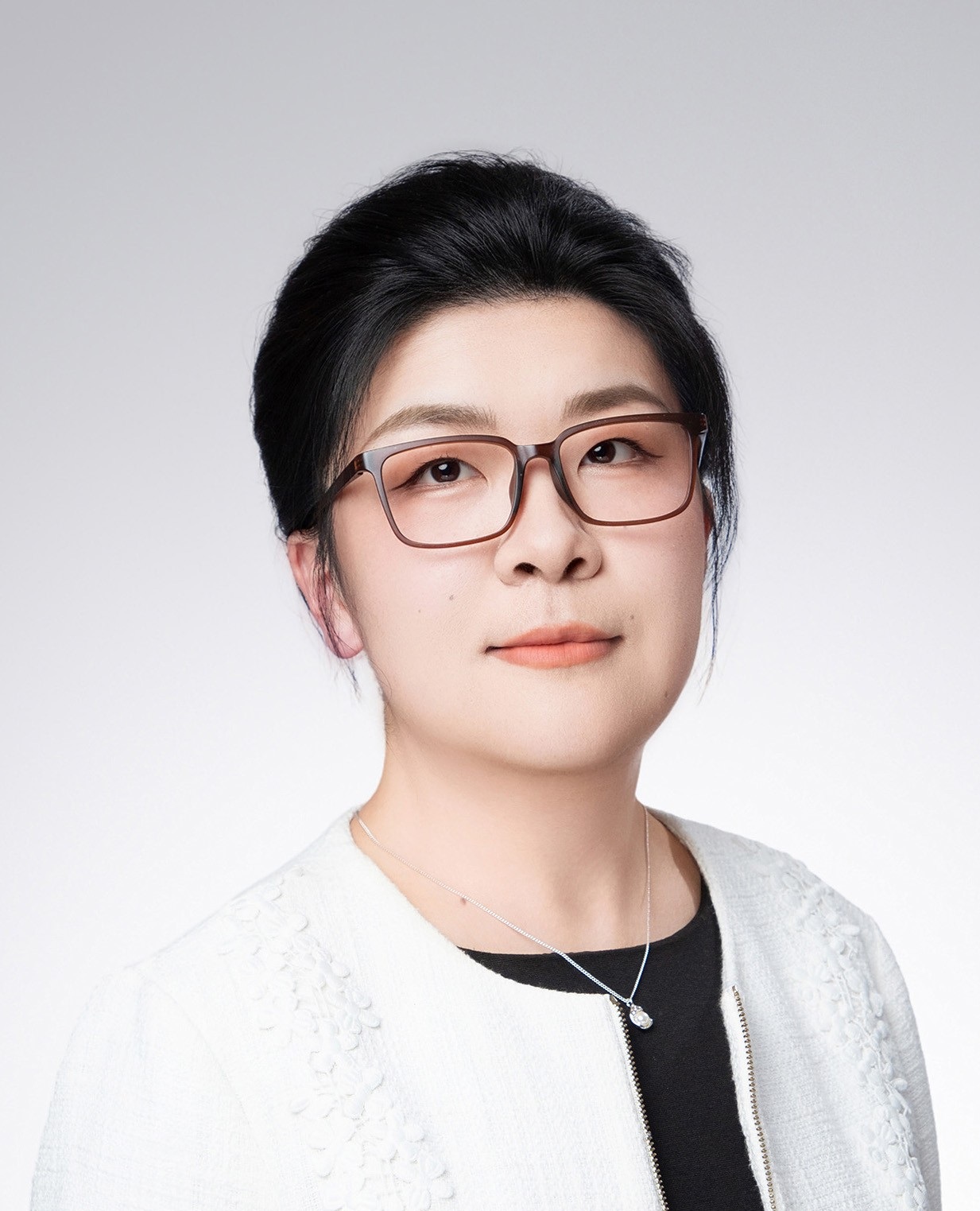 Danqing Wang
Epsilon-near-zero optical coupling · China
First and co-corresponding author of 2025 work extending strong optical coupling across hundreds of micrometres.
View profile
Danqing Wang
Epsilon-near-zero optical coupling · China
First and co-corresponding author of 2025 work extending strong optical coupling across hundreds of micrometres.
View profile
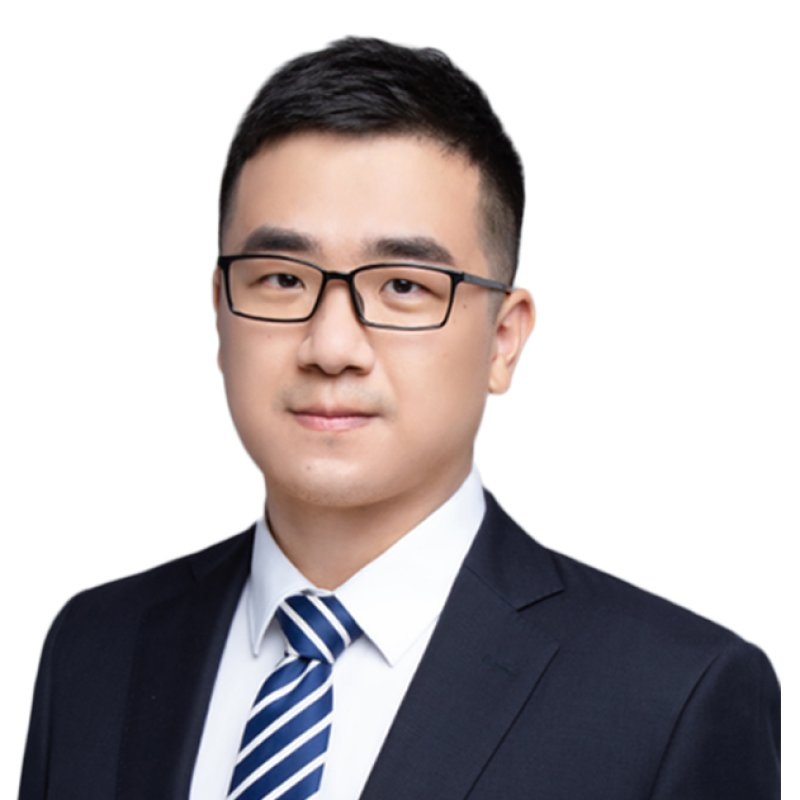 Jiangfan Yu
Magnetic microrobots and vascular imaging · China
Sole corresponding author of a 2025 system that uses magnetic microrobot swarms to explore and reconstruct blocked vascular networks.
View profile
Jiangfan Yu
Magnetic microrobots and vascular imaging · China
Sole corresponding author of a 2025 system that uses magnetic microrobot swarms to explore and reconstruct blocked vascular networks.
View profile
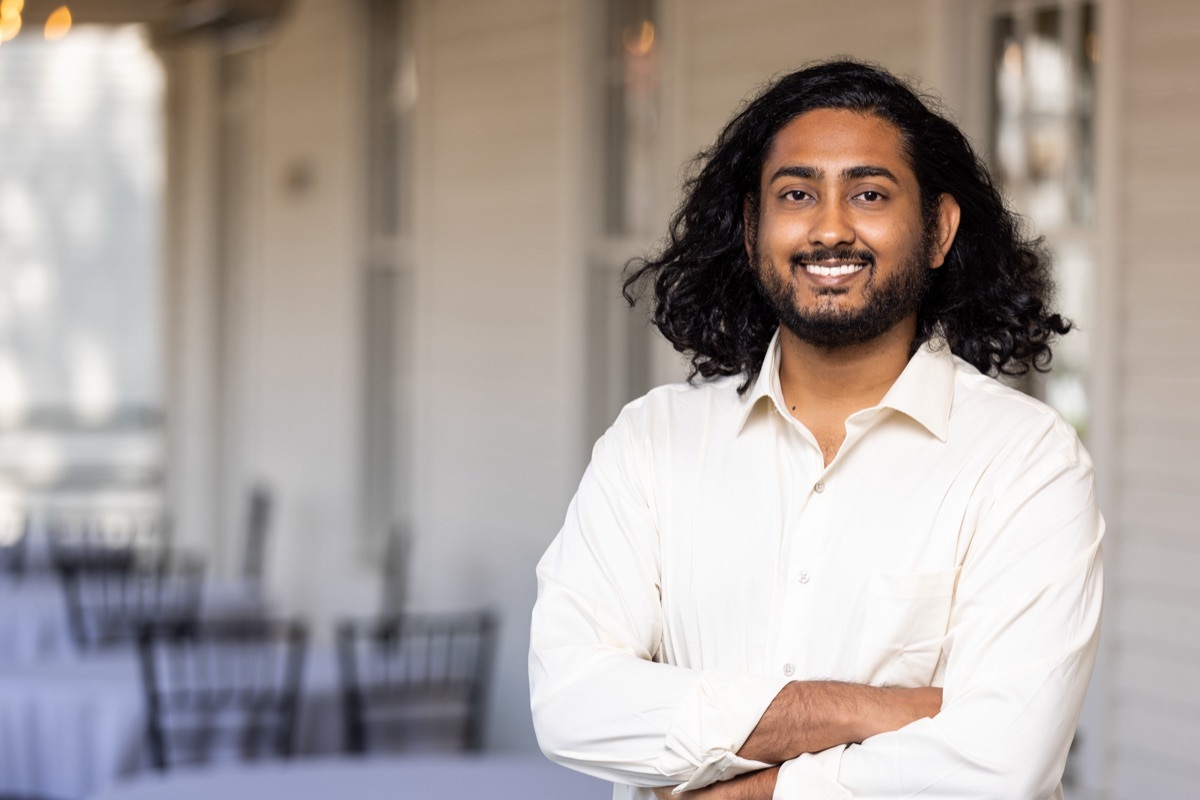 Shreyas Vissapragada
Exoplanet atmospheres · India / United States
Core observer on a 2026 Science study reporting time-variable helium escape from the atmosphere of LHS 1140 b.
View profile
Shreyas Vissapragada
Exoplanet atmospheres · India / United States
Core observer on a 2026 Science study reporting time-variable helium escape from the atmosphere of LHS 1140 b.
View profile
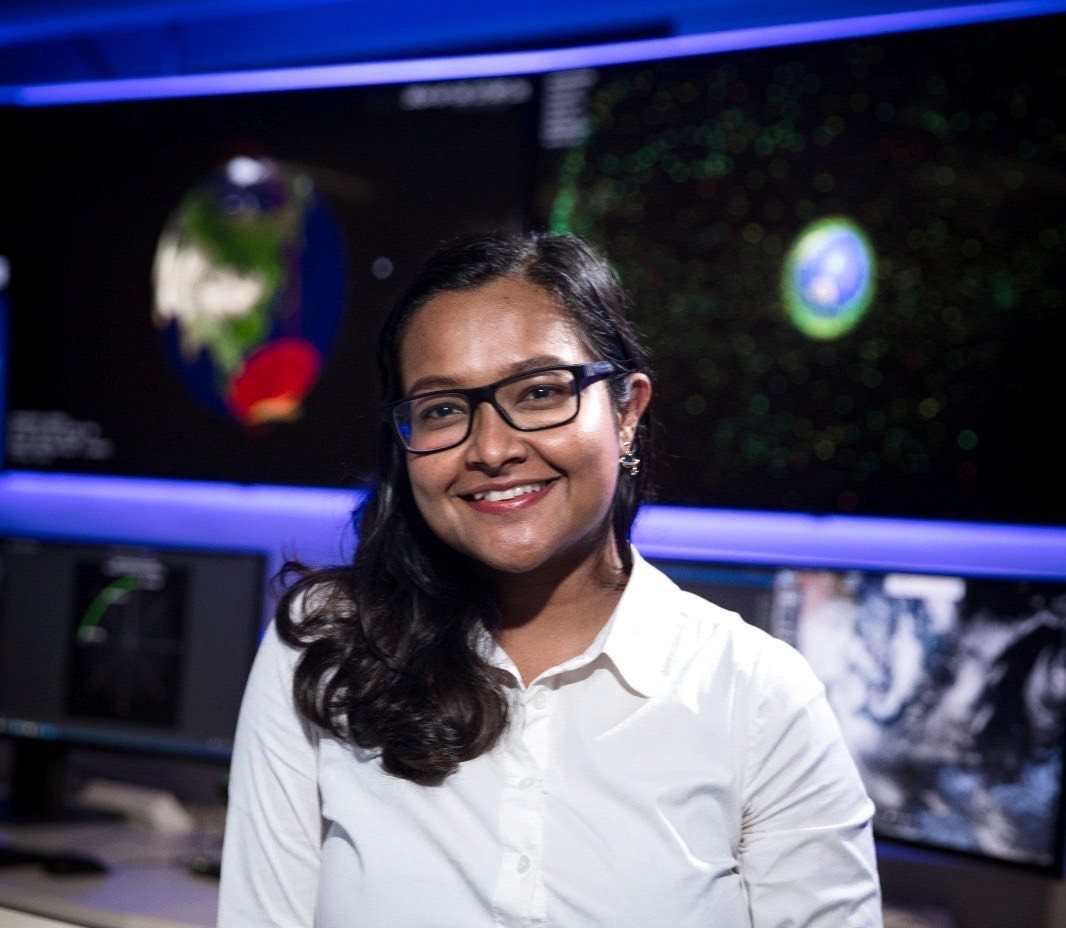 Minduli Wijayatunga
Safe autonomous spacecraft guidance · Sri Lanka / United States
Developer of constrained reinforcement-learning guidance for low-cost far-range spacecraft rendezvous.
View profile
Minduli Wijayatunga
Safe autonomous spacecraft guidance · Sri Lanka / United States
Developer of constrained reinforcement-learning guidance for low-cost far-range spacecraft rendezvous.
View profile
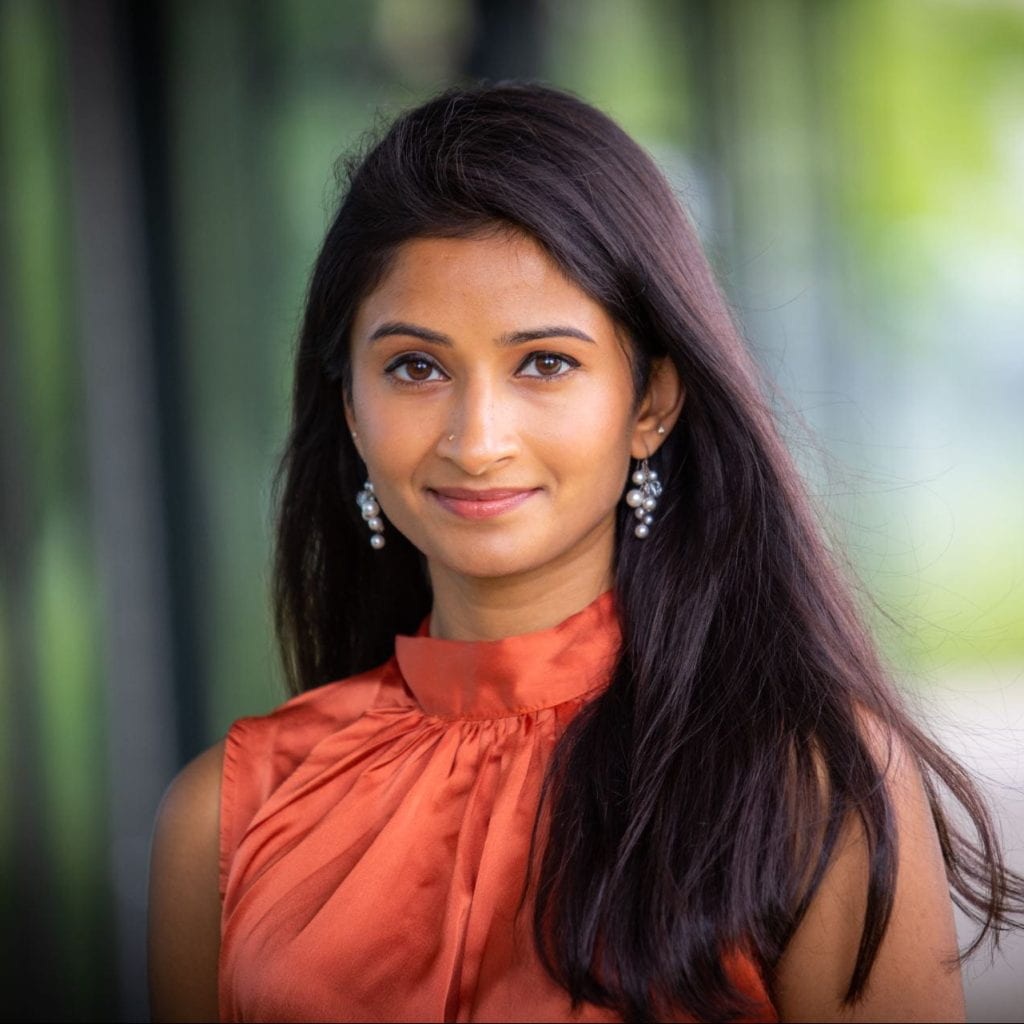 Shriya Srinivasan
Closed-loop neuroprosthetics · India / United States
Co-first author of a 2025 closed-loop gastrointestinal neuroprosthesis that senses food and modulates motility.
View profile
Shriya Srinivasan
Closed-loop neuroprosthetics · India / United States
Co-first author of a 2025 closed-loop gastrointestinal neuroprosthesis that senses food and modulates motility.
View profile
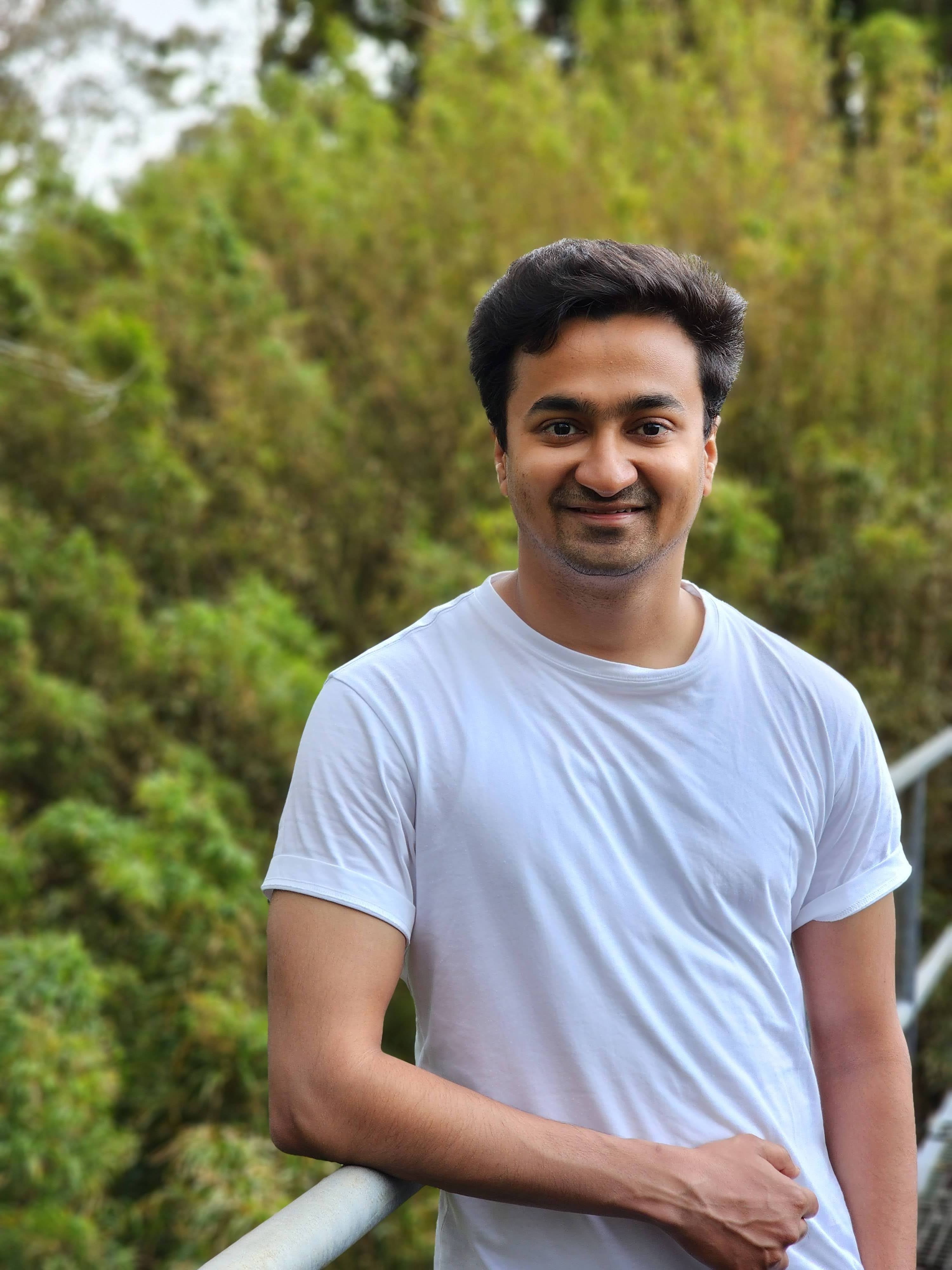 Kumar Ayush
Sensor-language models · India / United States
Co-first author of SensorLM, a foundation model joining wearable-sensor time series with natural language.
View profile
Kumar Ayush
Sensor-language models · India / United States
Co-first author of SensorLM, a foundation model joining wearable-sensor time series with natural language.
View profile
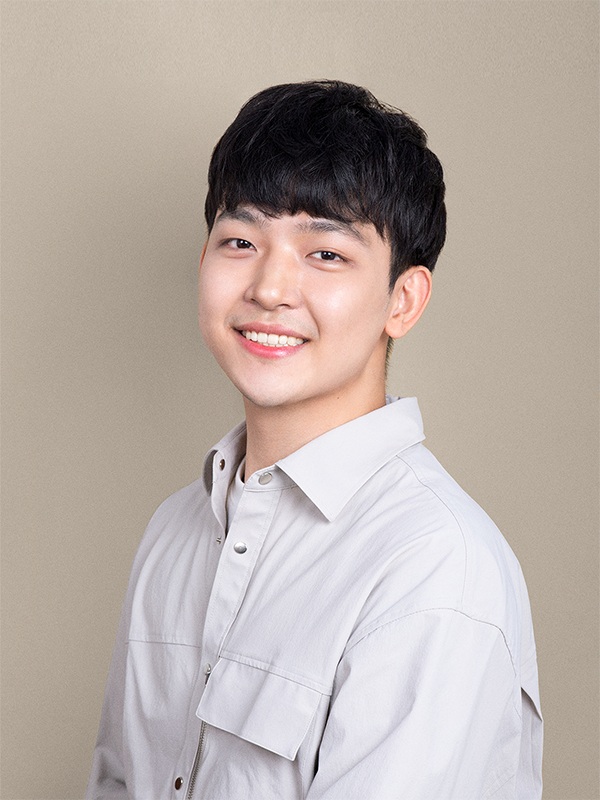 Chanwoo Kim
Transparent medical AI · South Korea / United States
Lead author of a 2025 framework for judging transparency across medical AI systems.
View profile
Chanwoo Kim
Transparent medical AI · South Korea / United States
Lead author of a 2025 framework for judging transparency across medical AI systems.
View profile
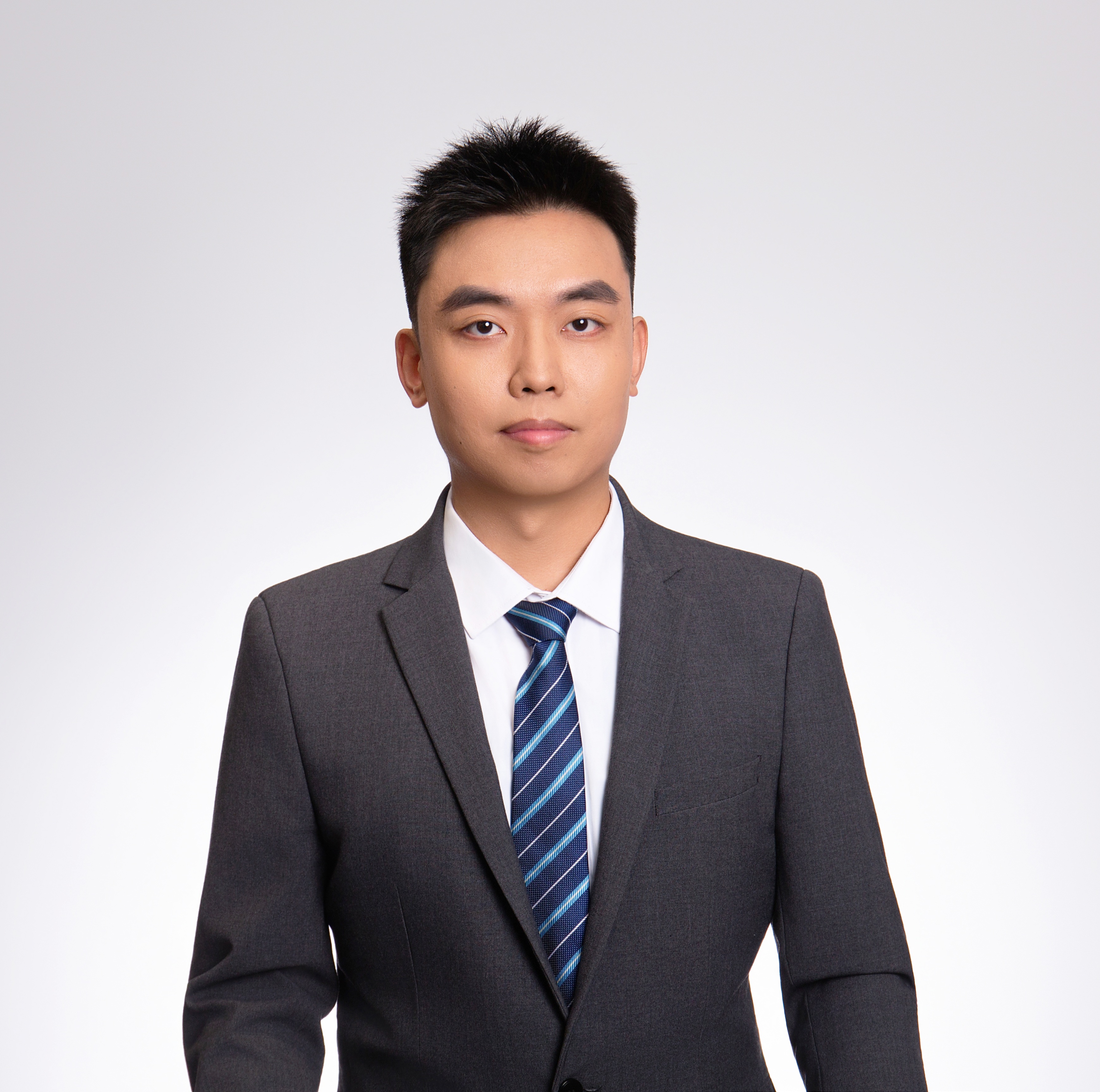 Yiming Li
AI security and data rights · China / Singapore
AI-security researcher turning model ownership into a testable technical claim without planting a label-changing backdoor.
View profile
Yiming Li
AI security and data rights · China / Singapore
AI-security researcher turning model ownership into a testable technical claim without planting a label-changing backdoor.
View profile
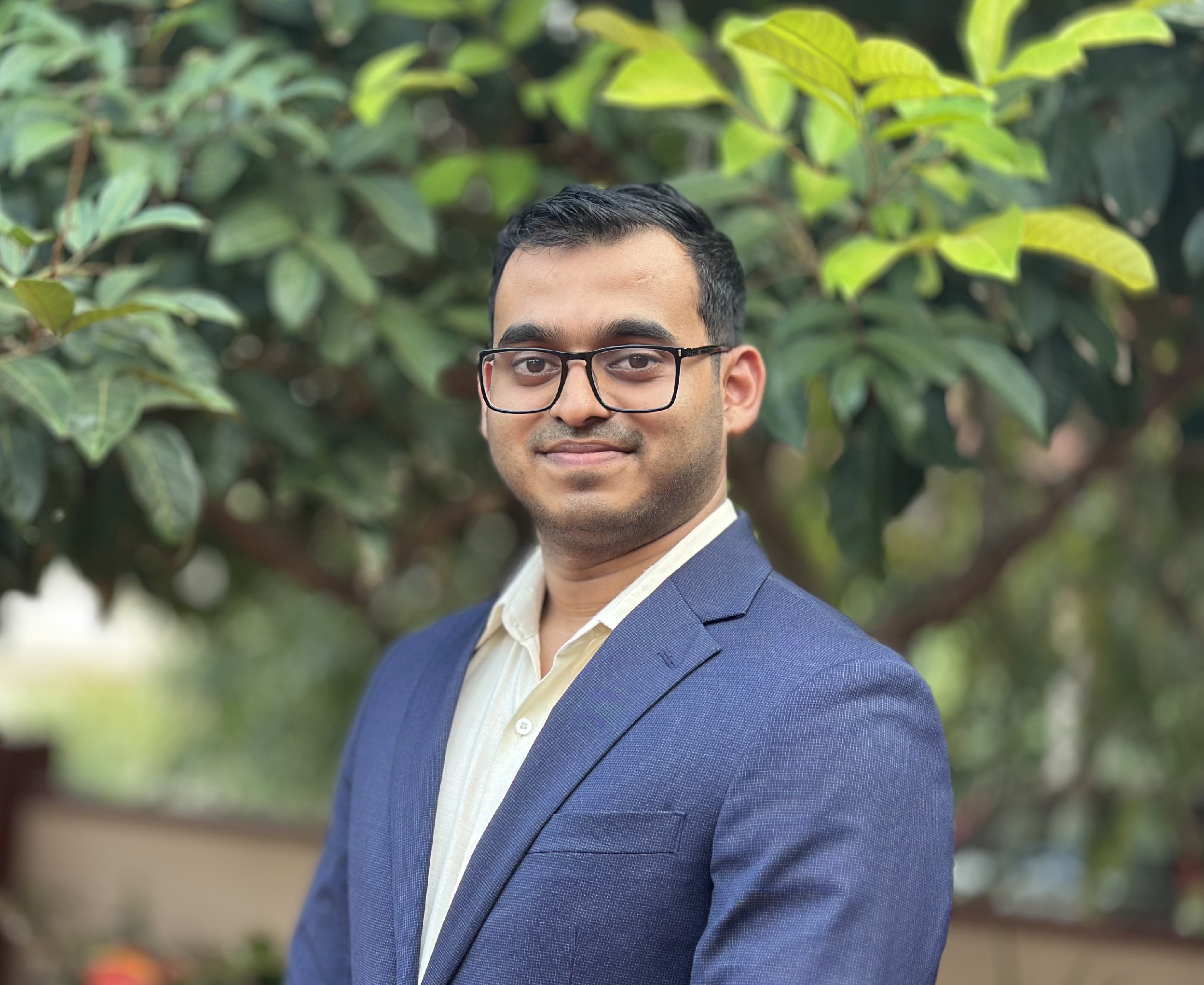 Ninaad Lasrado
Mucosal RNA vaccines · India / United States
First-listed author on updated mRNA vaccine research and trainee lead of a mucosal H5N1 programme.
View profile
Ninaad Lasrado
Mucosal RNA vaccines · India / United States
First-listed author on updated mRNA vaccine research and trainee lead of a mucosal H5N1 programme.
View profile
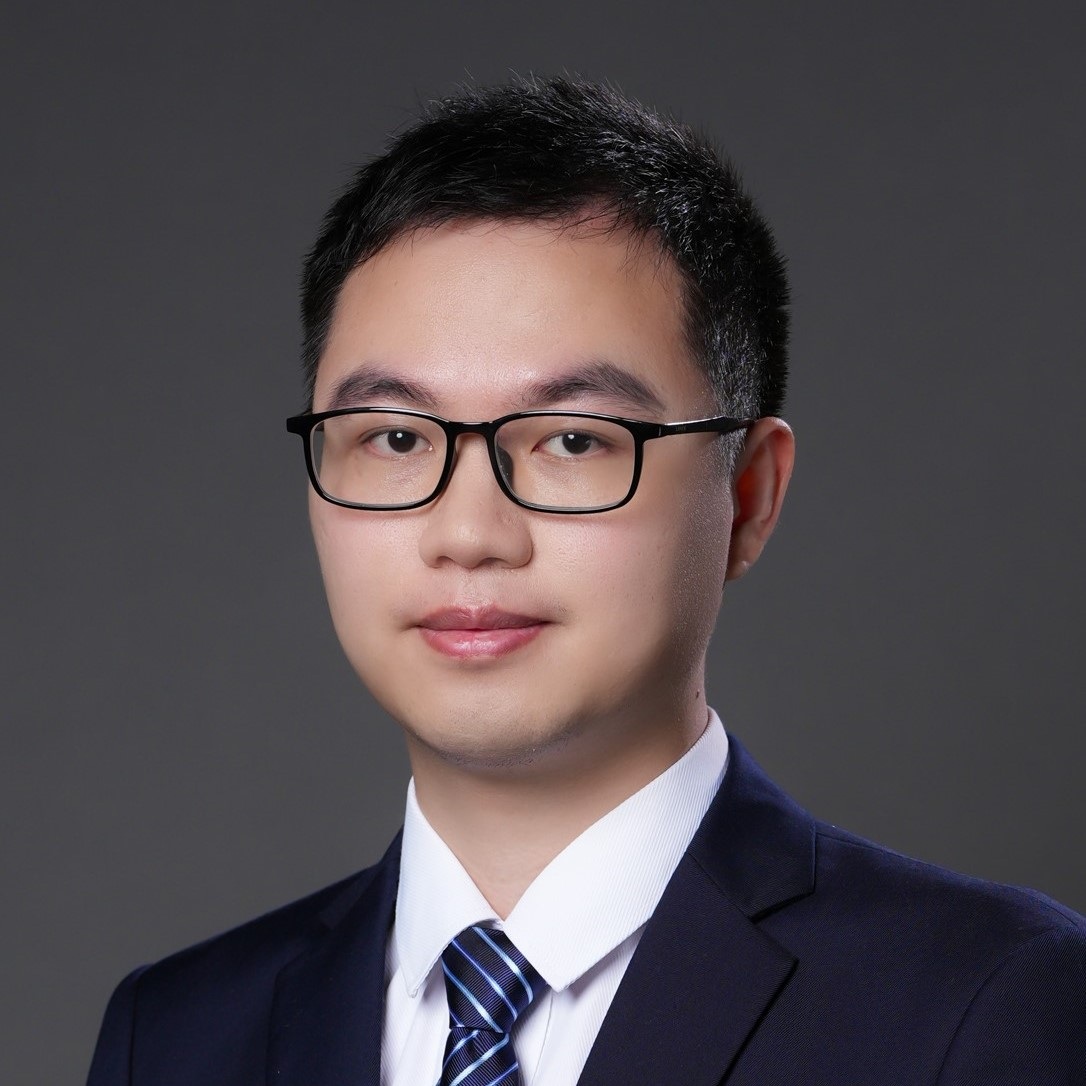 Zhengwu Liu
Memristor brain–computer interfaces · China / Hong Kong
First author of a 2025 adaptive memristor decoder that co-evolves with changing brain signals.
View profile
Zhengwu Liu
Memristor brain–computer interfaces · China / Hong Kong
First author of a 2025 adaptive memristor decoder that co-evolves with changing brain signals.
View profile
 Eugene Park
Van der Waals magnetic transistors · South Korea / United States
Equal-contribution co-lead of a magnetic-transistor experiment coupling gate control to an unusually large transport response.
View profile
Eugene Park
Van der Waals magnetic transistors · South Korea / United States
Equal-contribution co-lead of a magnetic-transistor experiment coupling gate control to an unusually large transport response.
View profile
 Adil Kabylda
Machine-learned molecular simulation · Kazakhstan / Luxembourg
First and corresponding author of SO3LR, a quantum-informed force field trained on four million molecular complexes.
View profile
Adil Kabylda
Machine-learned molecular simulation · Kazakhstan / Luxembourg
First and corresponding author of SO3LR, a quantum-informed force field trained on four million molecular complexes.
View profile
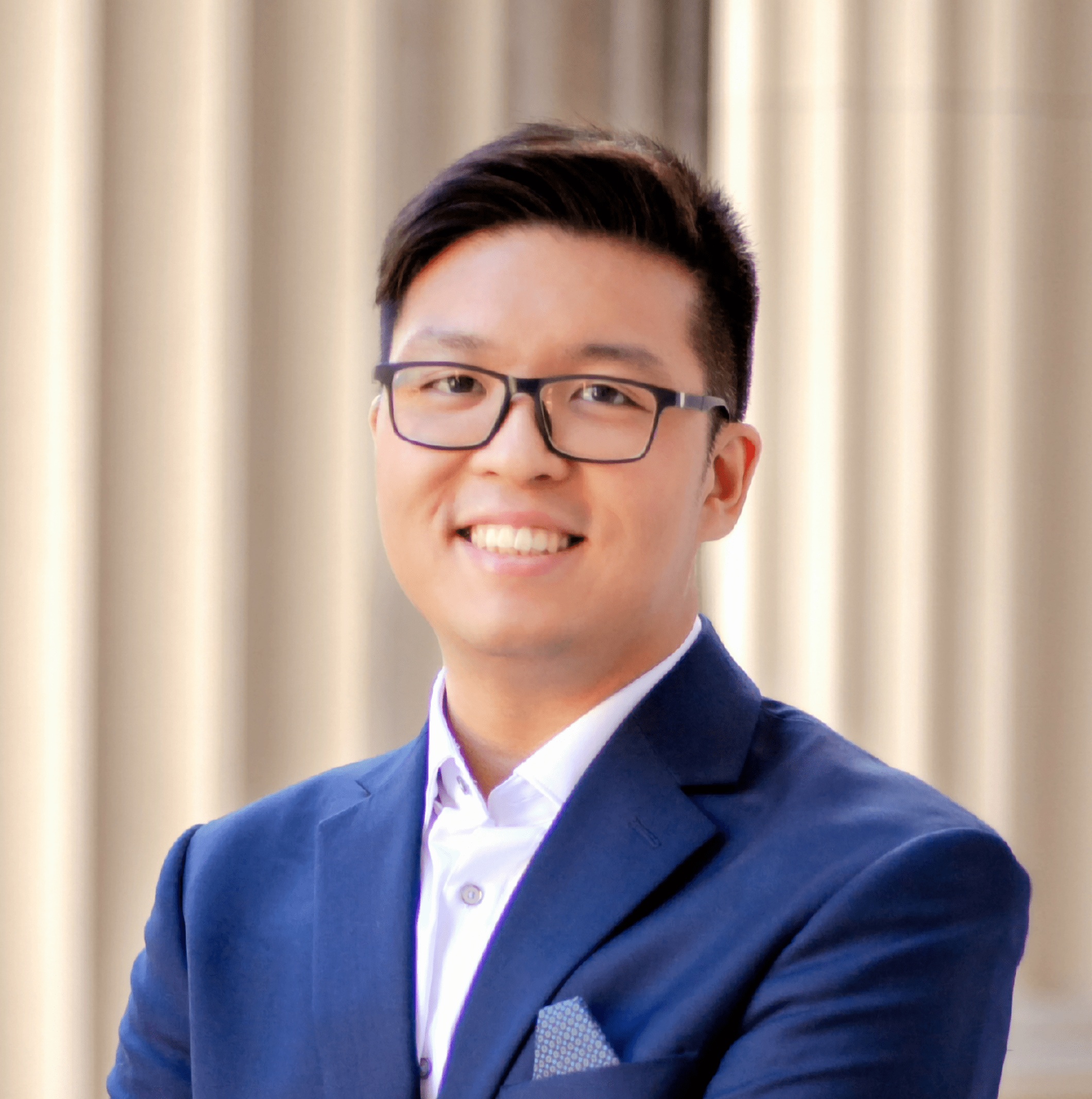 James Utama Surjadi
Architected metamaterials · Indonesia / Hong Kong / United States
First author of a 2025 Nature Materials study making printed metamaterials strong and stretchable through double-network architecture.
View profile
James Utama Surjadi
Architected metamaterials · Indonesia / Hong Kong / United States
First author of a 2025 Nature Materials study making printed metamaterials strong and stretchable through double-network architecture.
View profile
Purpose and scope
The Editorial Perspective
Scientific prestige is abundant; decisive contribution is rarer. This edition starts with the work itself: a theorem that closes a major open problem, an experiment that creates a new operating limit, a method other researchers can use, or a system that turns a difficult scientific task into a tractable one.
The cohort ranges from pure mathematics and quantum materials to vaccine science, climate systems and machine intelligence. What joins it is not fashion but evidence. Credit follows authorship, declared contribution, laboratory leadership and documented implementation; institutional reputation is context, never a substitute for agency.
Asia is treated as an intellectual network rather than a border. The list includes scientists working across the region and members of its diaspora whose education, identity or research programme maintains a substantive Asian connection.
Category definition
What FigureAsia means by science
Science covers work that produces testable knowledge about natural, mathematical or computational systems, together with research engineering that materially expands the ability to observe, simulate or intervene. The scope includes mathematics, physics, chemistry, materials, life science, climate and scientific computing.
Commercial success alone does not qualify. Applied work must retain a scientific core: a validated method, a reproducible experiment, a measurable technical advance or a research platform whose contribution can be separated from promotion.
Selection priorities
Discovery with a record behind it
Priority went to completed 2025–26 results, unusually important work still shaping a field, and clear individual responsibility. Citation counts, awards and competitive fellowships informed reach; none could rescue a weak contribution record.
The editors distinguished a paper's claim from its possible future effect. Benchmarks were kept inside their stated conditions, preclinical work was not described as treatment, and team science was credited without turning one author into the whole team.
FigureAsia methodology
How the field was assessed
Research began with primary papers, contribution statements, institutional records, award citations and public technical documentation. Independent reporting and field recognition were used where they clarified consequence, age or context.
Each eligible file was scored across eleven dimensions totalling 100 points. Scores express an editorial comparison of the documented record available by 18 July 2026; they are neither forecasts nor measures of personal worth.
Editorial judgement
Work before reputation
A celebrated institution did not earn a place on this list. The decisive question was whether an individual had helped deliver a result important enough to alter what a field can prove, measure or build.
The ranking weighs novelty, validation, reach, responsibility and scientific restraint. Team achievements remain team achievements; the profiles identify the part each honouree can fairly claim.
Substantive 2025–2026 contribution
The scale and substance of completed work inside the edition period.
Verified scientific impact
The degree to which the result has been validated, adopted, cited or recognised by the field.
Originality and distinction
The novelty of the idea, proof, instrument, experiment or scientific capability.
Field influence
The work's effect on research direction, professional practice or adjacent disciplines.
Individual agency
Evidence that the honouree originated, led or carried accountable responsibility for the contribution.
Durability and trajectory
Whether the result belongs to a coherent programme capable of outlasting a single announcement.
Asian significance and global relevance
The materiality of the Asian connection and the work's relevance across borders.
Evidential validity and reproducibility
The strength of methods, controls, declared assumptions, open artefacts and independent scrutiny.
Advance in scientific knowledge
The extent to which the work changes what the field knows, can prove or can observe.
Translational or methodological utility
The value of the result as a platform, tool, process or route toward practical use.
Responsible research stewardship
Attention to limits, safety, data, access, attribution and the obligations attached to scientific power.
Eligibility
The line every honouree had to clear
Every honouree was assessed as 34 or younger on 31 December 2025. Ages are shown by the strongest available public year; exact birthdays are omitted where no authoritative record exists.
Each person also had to show a substantive Asian or Asian-diaspora connection and an active scientific record. Inclusion turned on documented contribution, not institutional prestige alone.
Contribution before affiliation
A prestigious institution or celebrated laboratory cannot substitute for identifiable individual work.
Completed evidence before promise
Projected applications are context. Scoring rests on a proof, publication, experiment, dataset, system or implementation already delivered.
Claims stay inside the evidence
Benchmarks retain their conditions; preclinical science is not presented as clinical benefit; correlation is not rewritten as causation.
Team science keeps its team
Profiles identify first, corresponding, senior or declared contribution without assigning a collaboration's full output to one person.
Age uncertainty is disclosed
Where only a birth year or recognised under-35 qualification is public, the edition uses an approximate year and does not invent a precise birthday.
The record
What this edition does—and does not—claim
Scientific consequence deserves clear attribution, a date and an honest account of uncertainty.
Evidence and attribution
Primary papers and institutional records support material claims. Authorship and contribution are described at the level the source permits.
Dates and changing roles
Roles, affiliations and results are stated against the evidence cutoff of 18 July 2026 and may change after publication.
Scientific uncertainty
Inclusion does not certify every future application. Results remain subject to replication, extension and correction through normal scientific practice.
Corrections
FigureAsia welcomes precise, documented corrections to identity, affiliation, authorship, age band or scientific claims.
Originality and copyright
The selection, ranking, framework and editorial prose are original FigureAsia work. Underlying scientific facts and third-party images remain subject to their own rights.
Originality and copyright
The selection, ranking, framework and editorial prose are original FigureAsia work. Underlying scientific facts and third-party images remain subject to their own rights.