
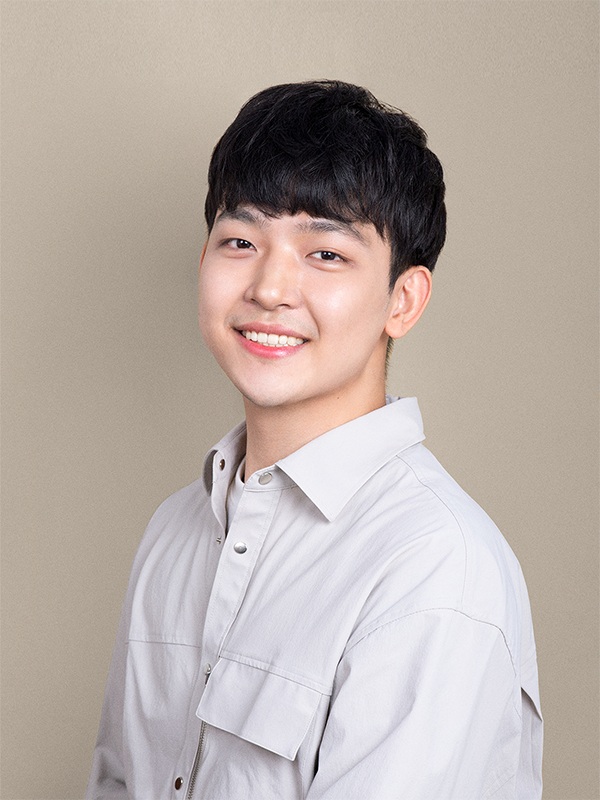
FigureAsia 35 Under 35 · Science
Chanwoo Kim
Age 29 · Transparent medical AI · South Korea / United States
Lead author of a 2025 framework for judging transparency across medical AI systems.
- Approximate age at the edition eligibility date
- 29
- Field
- Biomedical artificial intelligence
- Country or region
- South Korea / United States
- FigureAsia U35 Assessment
- 81.0 / 100
Profile
Career and documented record
Medical AI can be accurate and still be unusable if clinicians, patients and regulators cannot inspect how a decision was reached. Chanwoo Kim has built a research programme around that gap, including an image–text foundation model grounded in medical literature and a 2025 Nature Reviews Bioengineering framework for evaluating transparency across medical AI systems.
Kim's work separates several questions often collapsed into “explainability”: what data were used, which features drove a result, whether an explanation is faithful to the model and what information each stakeholder actually needs. That taxonomy matters because a visually persuasive heat map can still be scientifically misleading.
He is a PhD researcher rather than a laboratory head, so the assessment focuses on lead authorship and conceptual contribution. The work does not certify any model for care; it gives the field a more rigorous way to demand evidence before trust.
FigureAsia selection
Why Chanwoo Kim is on the list
Kim is selected for bringing precision to one of medical AI's most overused promises. His 2025 lead-authored work gives developers and regulators a vocabulary for distinguishing genuine transparency from cosmetic explanation.
Verified work
The 2025–26 record
Transparency framework
Lead-authored a Nature Reviews Bioengineering analysis of transparency in medical AI systems.
Literature-grounded imaging model
Advanced a medical image model designed to link predictions to biomedical text evidence.
Stakeholder-centred evaluation
Developed methods aimed at clinicians, patients and regulators rather than model developers alone.
Field context
The work in its field
Medical AI has multiple audiences and risks. A useful explanation must be faithful to the model, intelligible to its user and relevant to a concrete clinical or regulatory decision.
FigureAsia U35 Assessment
Assessment breakdown
81.0out of 100
Substantive 2025–2026 contribution
14.8 / 20
Lead-authored a Nature Reviews Bioengineering analysis of transparency in medical AI systems.
Verified scientific impact
11.9 / 15
Lead authorship in Nature Reviews Bioengineering gives the framework authority in a fast-moving regulatory and clinical debate.
Originality and distinction
8.1 / 10
The distinction lies in separating transparency into testable technical and stakeholder requirements rather than treating explanation as one feature.
Field influence
8.2 / 10
For Kim, field influence turns on whether this work changes the operating baseline in transparent medical ai; the record supports that judgement.
Individual agency
8.2 / 10
Kim is lead author of the 2025 review and a principal developer of related transparent imaging methods.
Durability and trajectory
4.3 / 5
A continuing programme at University of Washington extends beyond this single result.
Asian significance and global relevance
4.3 / 5
South Korean researcher whose education, national service and current biomedical-AI work form a documented East Asian connection.
Evidential validity and reproducibility
6.6 / 8
The framework evaluates evidence and failure modes; it does not claim that explanations automatically make a model safe.
Advance in scientific knowledge
6 / 7
The work clarifies which forms of medical-AI transparency are technically meaningful and decision-relevant.
Translational or methodological utility
4.2 / 5
It gives researchers, clinicians and regulators a common structure for auditing medical AI claims.
Responsible research stewardship
4.4 / 5
Patient and regulator needs are built into the research question, and transparency is kept separate from clinical validation.