
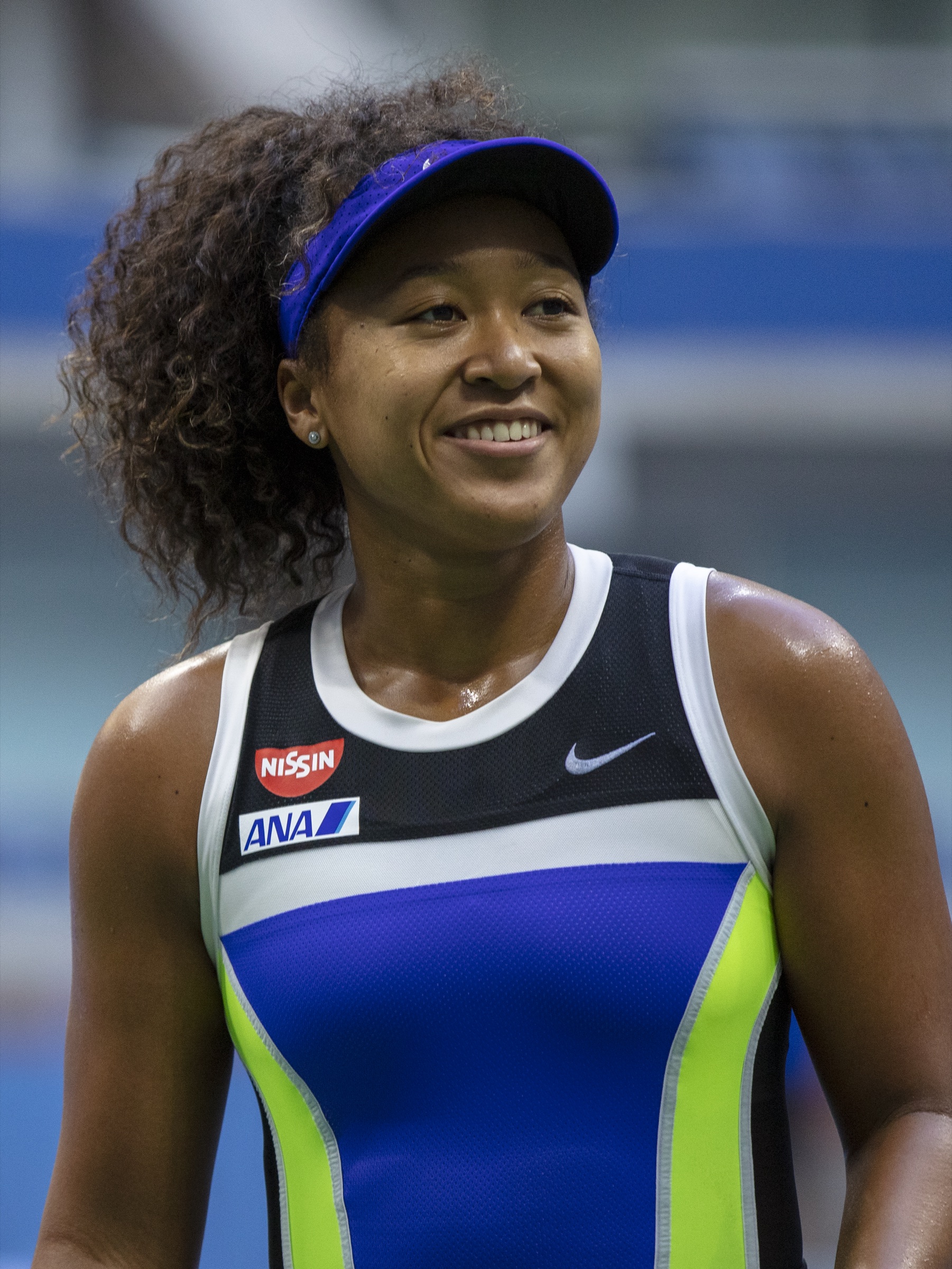
FigureAsia 35 Under 35 · Sports
Naomi Osaka
Age 28 · WTA singles · Japan
Major semi-finalist who converted a grass-court breakthrough
- Age at the edition eligibility date
- 28
- Field
- Tennis
- Country or region
- Japan
- FigureAsia U35 Assessment
- 93.3 / 100
Profile
Career and documented record
Naomi Osaka rebuilt a place near the leading edge of women's tennis through completed results on clay, hard court and grass. In 2025 she won the Saint-Malo WTA 125 on clay, reached the WTA 1000 final in Montreal and advanced to the US Open semi-finals. The New York run included straight-sets victories over Coco Gauff and Karolina Muchova and returned Osaka to the year-end top 20 for the first time since 2021. The following grass season required a different movement pattern and shorter point construction. She reached the Bad Homburg final, then defeated world No. 1 Aryna Sabalenka in straight sets to make her first Wimbledon quarter-final. By 13 July 2026, Osaka was world No. 13 with a 20–8 record for the season.
Born in Osaka and representing Japan, she competes across the international WTA Tour. Her present responsibility is narrower than the public narrative often attached to her career: solve the opponent, surface and scoreline in front of her. The assessed-period case concerns adaptation in movement, return position and point construction, not retrospective credit for four earlier major titles or an assumption that a high-profile return would succeed. Its significance lies in transfer. A completed clay title was followed by late rounds at major hard-court events, and those gains then survived the switch to grass. Osaka did not win a tour-level title or reach a major final during the window, but she established a durable, measurable position among the leading players through repeated wins against elite opposition.
FigureAsia selection
Why Naomi Osaka is on the list
Naomi Osaka rebuilt an elite multi-surface record through a Saint-Malo title, major late-round runs and victories over Coco Gauff and world No. 1 Aryna Sabalenka. The selection then turned on current tennis, not biography. A Saint-Malo title, Montreal final, US Open semi-final, Bad Homburg final and first Wimbledon quarter-final form a body of evidence across three surfaces and two seasons. Straight-sets wins over Gauff in New York and world No. 1 Sabalenka at Wimbledon provide direct peer calibration.
Her strongest criteria are competitive level, breadth, individual agency and demonstrated adaptation. Singles tennis makes attribution clear, while changing surfaces test whether one successful pattern can travel. Osaka's record did: clay supplied a completed lower-tier title, hard courts produced a WTA 1000 final and major semi-final, and grass brought another final and major quarter-final. The limitation is equally material. She did not win a main-tour title or reach a major final; that absence materially moderates the score and prevents repeated late-round appearances from being treated as championship conversion. FigureAsia nevertheless selected her because repeated late-round results restored a top-20 position in 2025 and were followed by a world No. 13 ranking and 20–8 record by mid-July 2026. Earlier major trophies, celebrity and the narrative of returning after maternity leave add no points. The judgement follows current draws, current opponents and current outcomes.
Verified work
The 2025–26 record
Title and WTA 1000 final
Won the Saint-Malo WTA 125 and reached the Montreal WTA 1000 final.
US Open
Reached the semi-finals after straight-sets wins over Coco Gauff and Karolina Muchova.
Grass-court season
Reached the Bad Homburg final and a first Wimbledon quarter-final after defeating world No. 1 Aryna Sabalenka.
Field context
The work in its field
Women's tennis tests form through changing surfaces, draws and tournament scales. Osaka's Saint-Malo title is therefore weighted differently from the Montreal WTA 1000 final and the US Open semi-final, while Bad Homburg and Wimbledon establish whether the same progress transferred to grass. Wins over Gauff and Sabalenka provide stronger comparison than ranking movement alone. Her evidence extends across three surfaces, but it does not include a defining main-tour title or major final. The 20–8 record and world No. 13 position by mid-July 2026 confirm persistence without converting consistency into supremacy. That combination explains why the case is substantial yet deliberately bounded.
FigureAsia U35 Assessment
Assessment breakdown
93.3out of 100
Substantive 2025-2026 contribution
18.0 / 20
Osaka reached the Montreal final and US Open semi-final in 2025, then a Wimbledon quarter-final and Bad Homburg final in 2026.
Verified impact
15.0 / 15
Straight-sets wins over Coco Gauff and Karolina Muchova, plus a grass victory over world No. 1 Sabalenka, calibrate the recovery.
Originality and distinction
9.0 / 10
Rebuilding late-round performance across clay, hard court and grass distinguished the campaign from a one-surface return.
Industry influence
9.0 / 10
A renewed top-20 and then world No. 13 presence restored Osaka as a live factor in major draws.
Individual agency
10.0 / 10
Every serve, return and singles result belongs solely to Osaka, with no shared team attribution.
Durability and demonstrated trajectory
4.5 / 5
A 20-8 record by mid-July 2026 extended the 2025 improvement, although no main-tour title had been secured.
Asian significance and global relevance
5.0 / 5
Japan's former world No. 1 again defeated leading international opponents across the tour's global calendar.
Level of competition
10.0 / 10
Montreal, the US Open and Wimbledon placed her against WTA 1000 and major-championship fields.
Competitive result
6.4 / 8
A major semi-final and quarter-final are substantial, but neither became a final or championship.
Cross-format consistency
4.0 / 4
Results on clay, hard courts and grass provide unusually broad surface consistency within the assessed period.
Sporting consequence
2.4 / 3
Ranking recovery and repeated late rounds changed her competitive position, while the missing top-tier title limits consequence.