
Sports
Thirty-five Asian and Asian-diaspora athletes whose completed 2025–26 performances carried competitive weight, individual distinction and consequence beyond a single result. From timed records and world titles to decisive team contributions, the edition follows realised work across every major Asian region and the global diaspora.
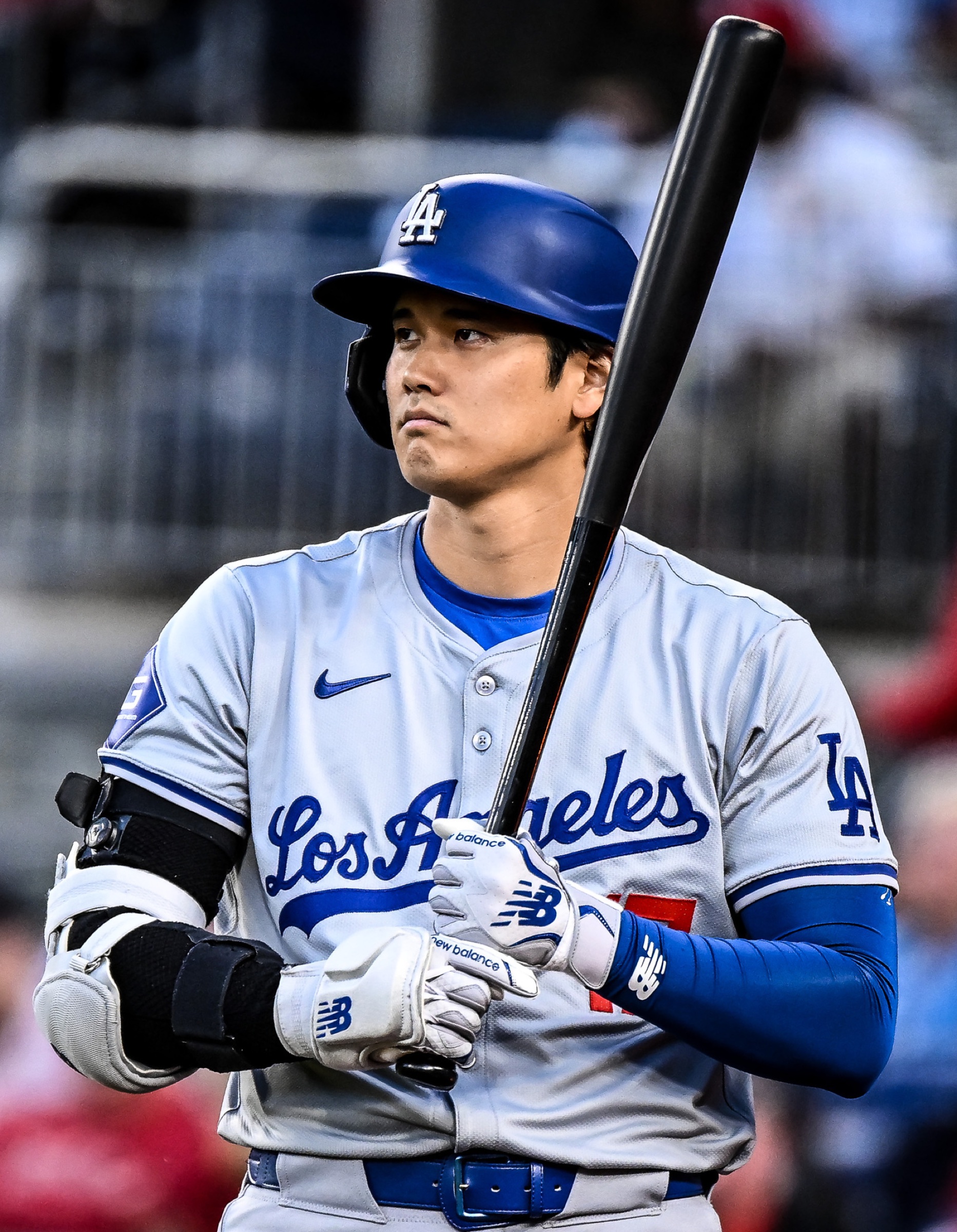 Featured honouree
Shohei Ohtani
Baseball · Japan
Shohei Ohtani
Two-way baseball · Japan
Baseball's modern benchmark for two-way production
View profile
Featured honouree
Shohei Ohtani
Baseball · Japan
Shohei Ohtani
Two-way baseball · Japan
Baseball's modern benchmark for two-way production
View profile
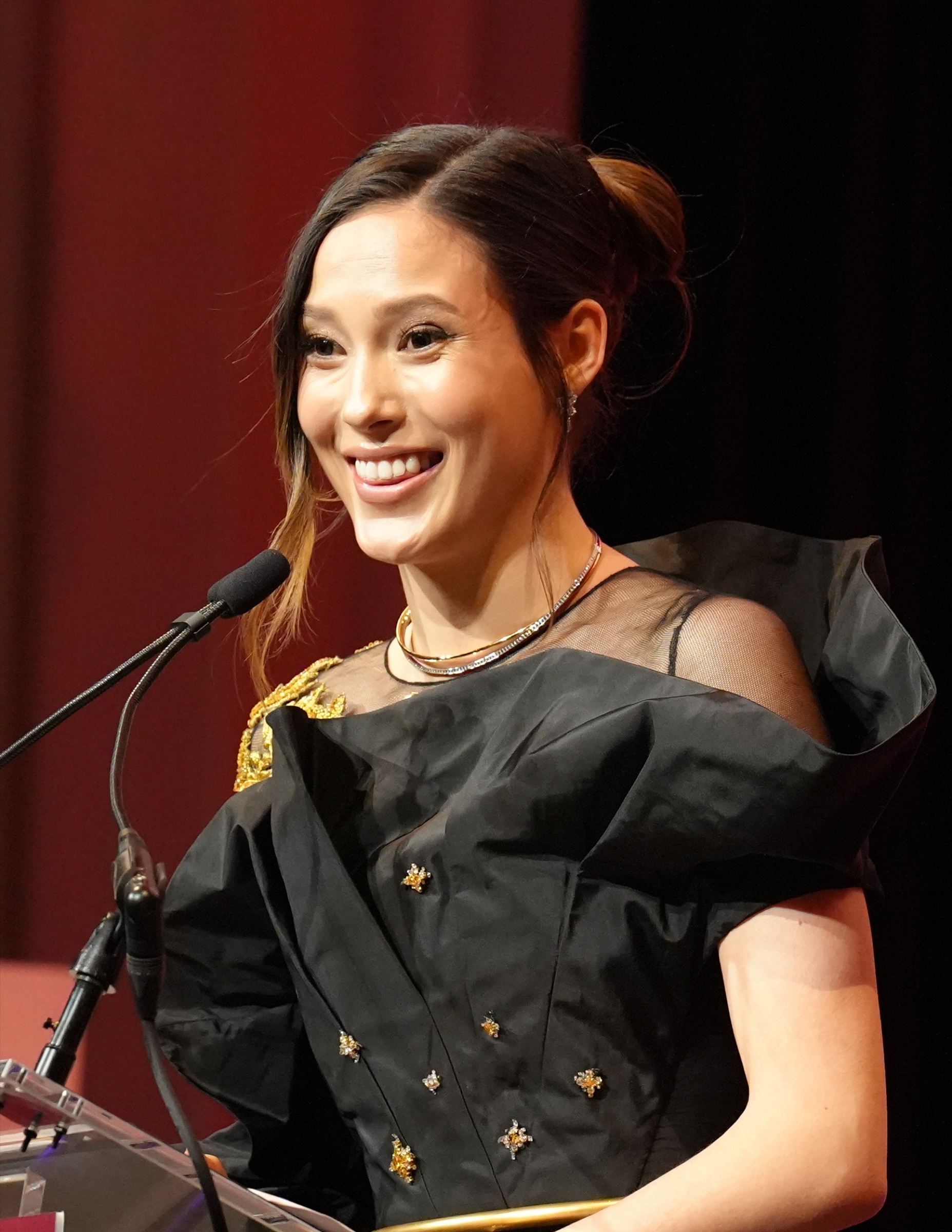 Eileen Gu
Halfpipe, slopestyle and big air · China
Three-discipline Olympic medallist with repeatable technical range
View profile
Eileen Gu
Halfpipe, slopestyle and big air · China
Three-discipline Olympic medallist with repeatable technical range
View profile
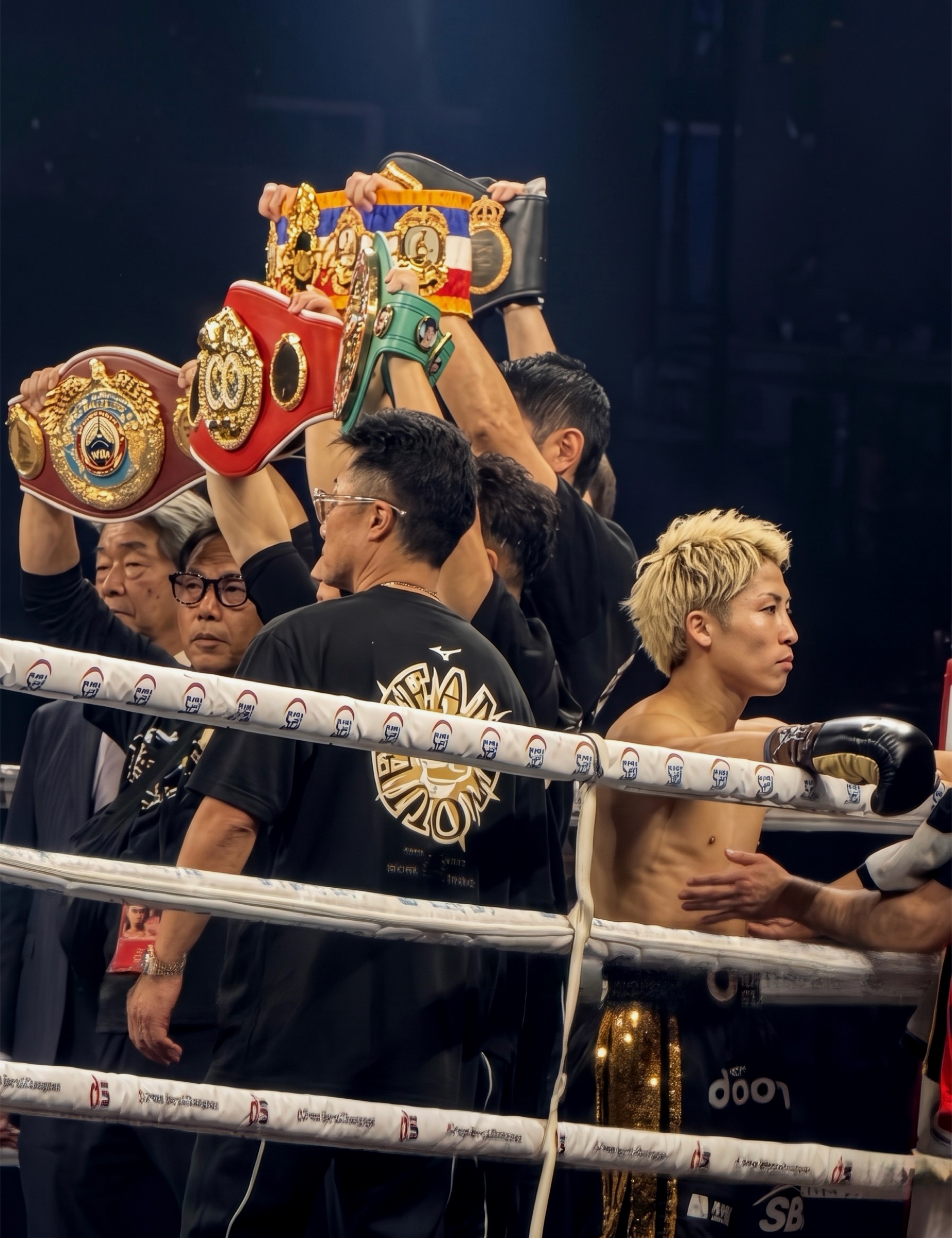 Naoya Inoue
Undisputed super-bantamweight · Japan
Undisputed champion who completed four defences in 2025
View profile
Naoya Inoue
Undisputed super-bantamweight · Japan
Undisputed champion who completed four defences in 2025
View profile
 Elena Rybakina
WTA singles · Kazakhstan
Season-ending champion who carried form into a major title
View profile
Elena Rybakina
WTA singles · Kazakhstan
Season-ending champion who carried form into a major title
View profile
 Alysa Liu
Women's singles · United States
World and Olympic champion after a competitive return
View profile
Alysa Liu
Women's singles · United States
World and Olympic champion after a competitive return
View profile
 Mikhail Shaidorov
Men's singles · Kazakhstan
Olympic champion built on a world silver season
View profile
Mikhail Shaidorov
Men's singles · Kazakhstan
Olympic champion built on a world silver season
View profile
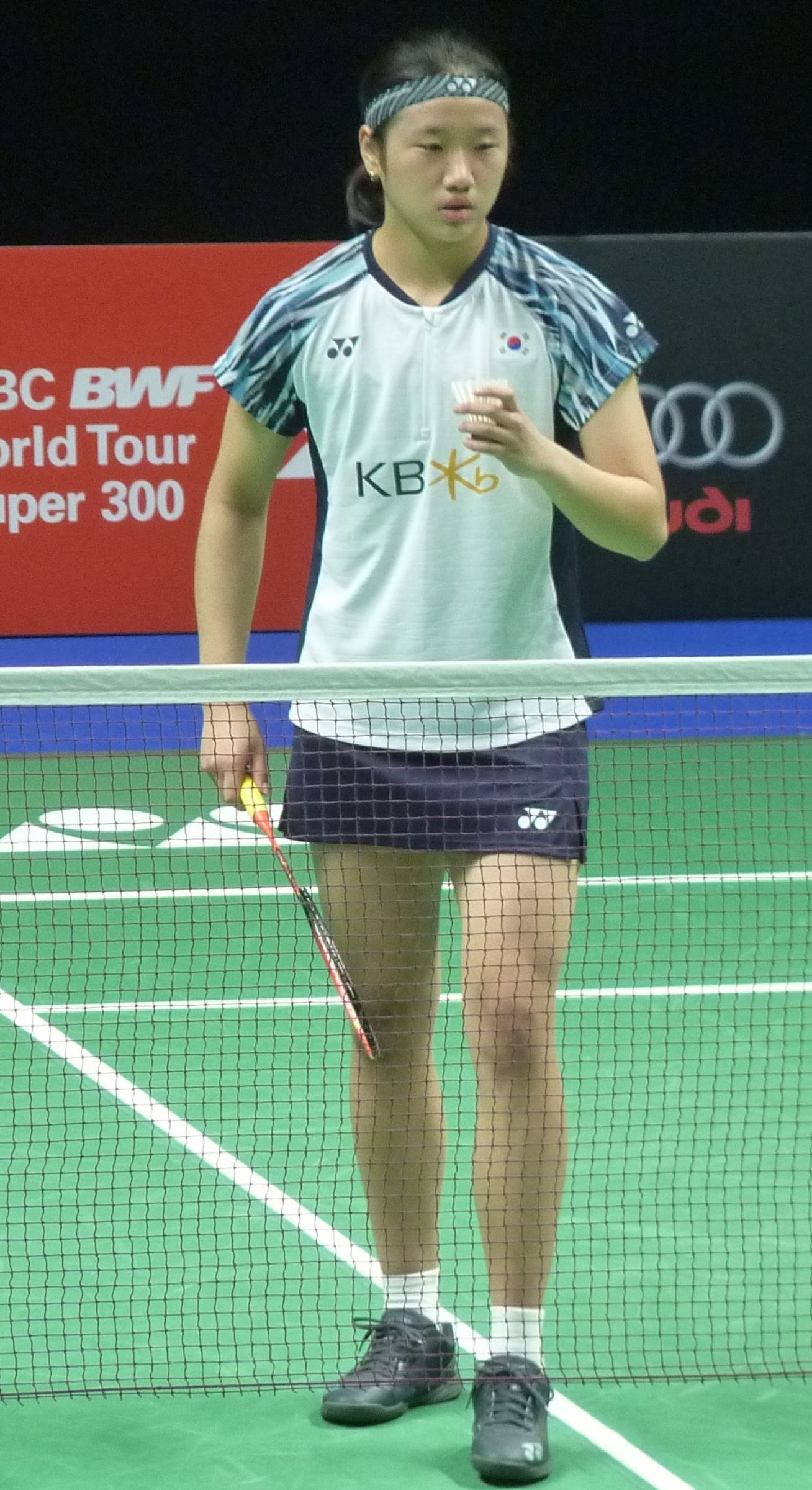 An Se-young
Women's singles · South Korea
Tour leader with six titles before the 2025 worlds
View profile
An Se-young
Women's singles · South Korea
Tour leader with six titles before the 2025 worlds
View profile
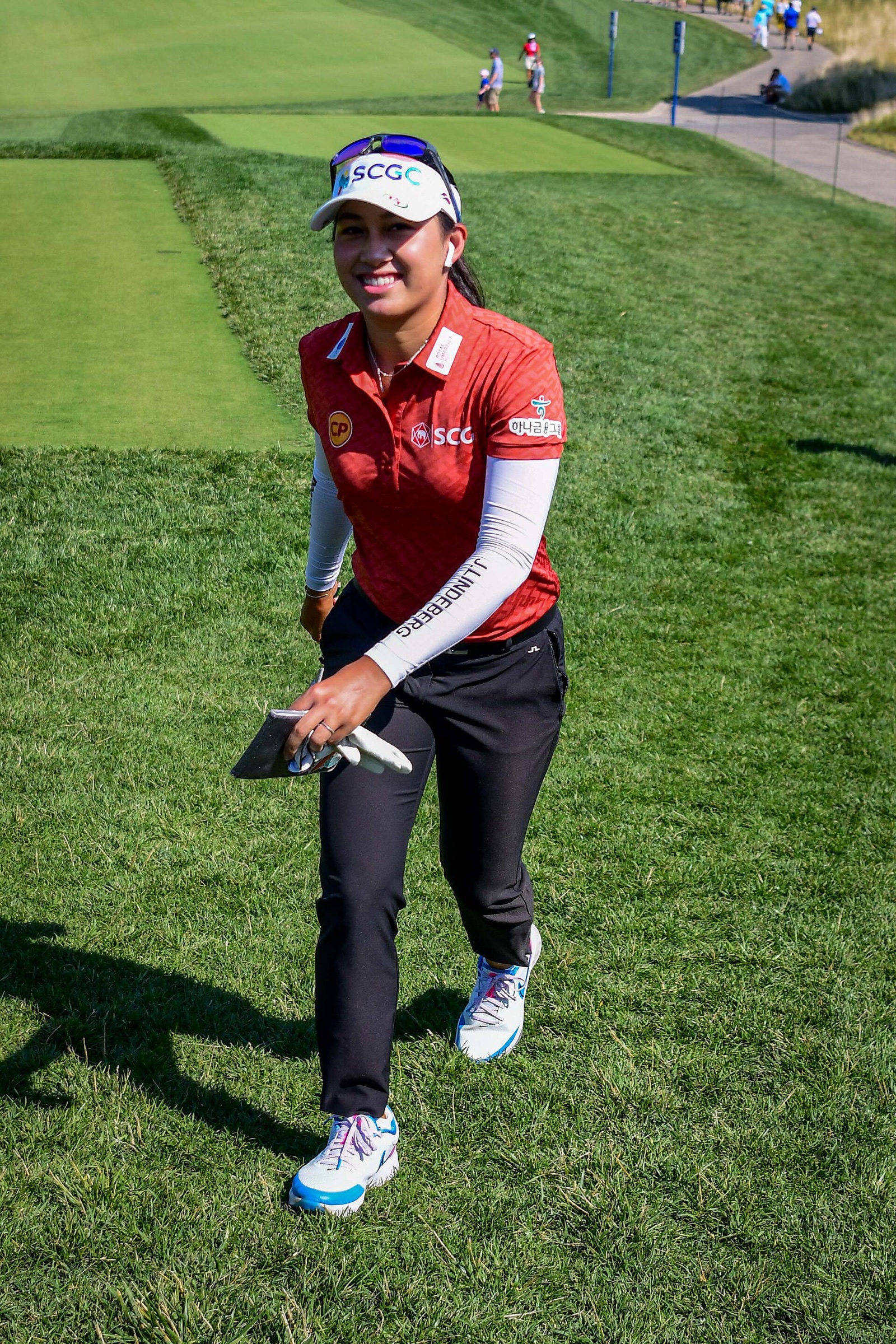 Jeeno Thitikul
LPGA Tour · Thailand
World No. 1 and complete 2025 LPGA season leader
View profile
Jeeno Thitikul
LPGA Tour · Thailand
World No. 1 and complete 2025 LPGA season leader
View profile
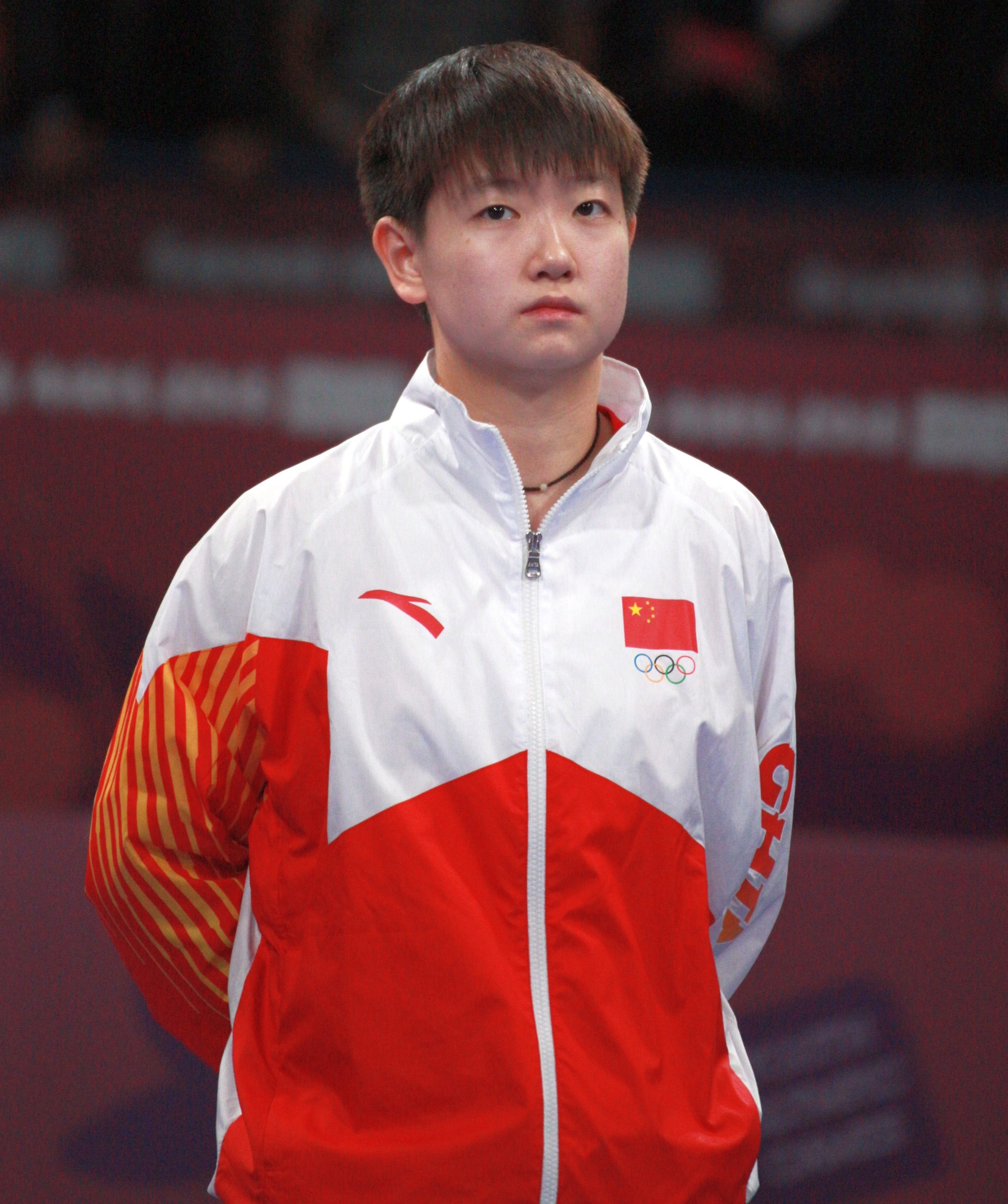 Sun Yingsha
Women's singles and mixed doubles · China
World champion who defended singles supremacy in seven games
View profile
Sun Yingsha
Women's singles and mixed doubles · China
World champion who defended singles supremacy in seven games
View profile
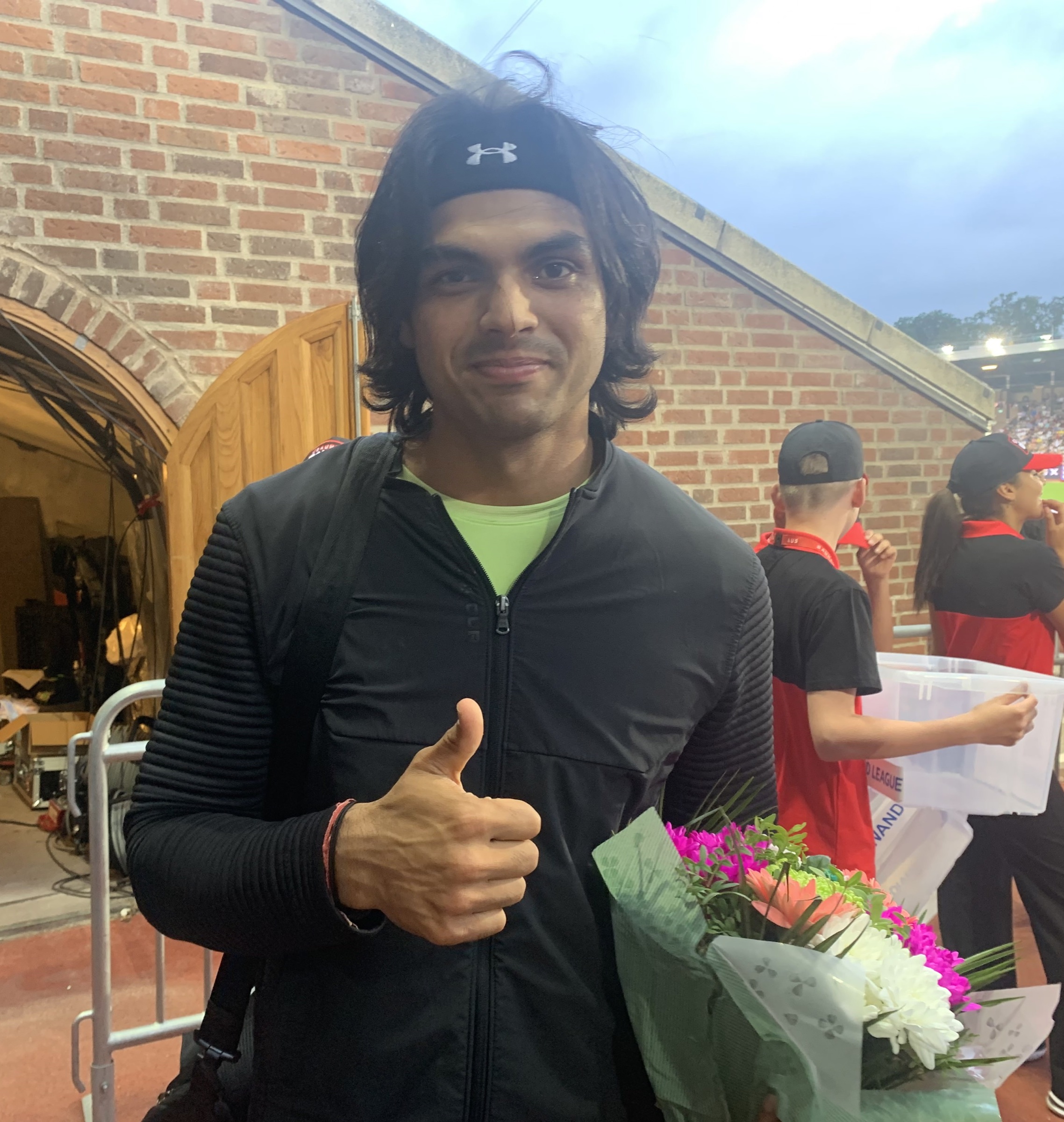 Neeraj Chopra
Javelin throw · India
Indian record-holder beyond the 90-metre javelin benchmark
View profile
Neeraj Chopra
Javelin throw · India
Indian record-holder beyond the 90-metre javelin benchmark
View profile
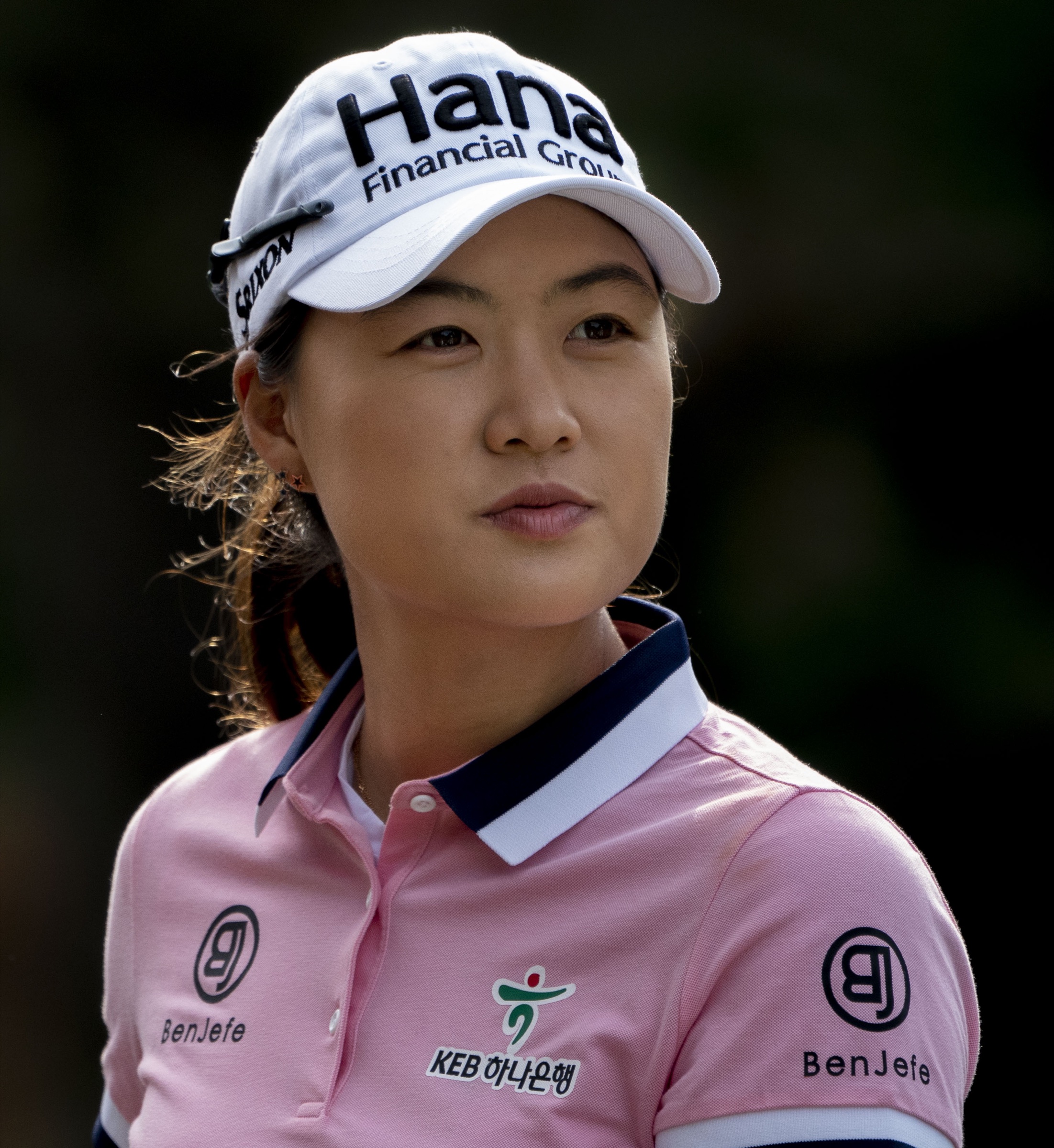 Minjee Lee
LPGA Tour · Australia
Three-time major champion after winning at PGA Frisco
View profile
Minjee Lee
LPGA Tour · Australia
Three-time major champion after winning at PGA Frisco
View profile
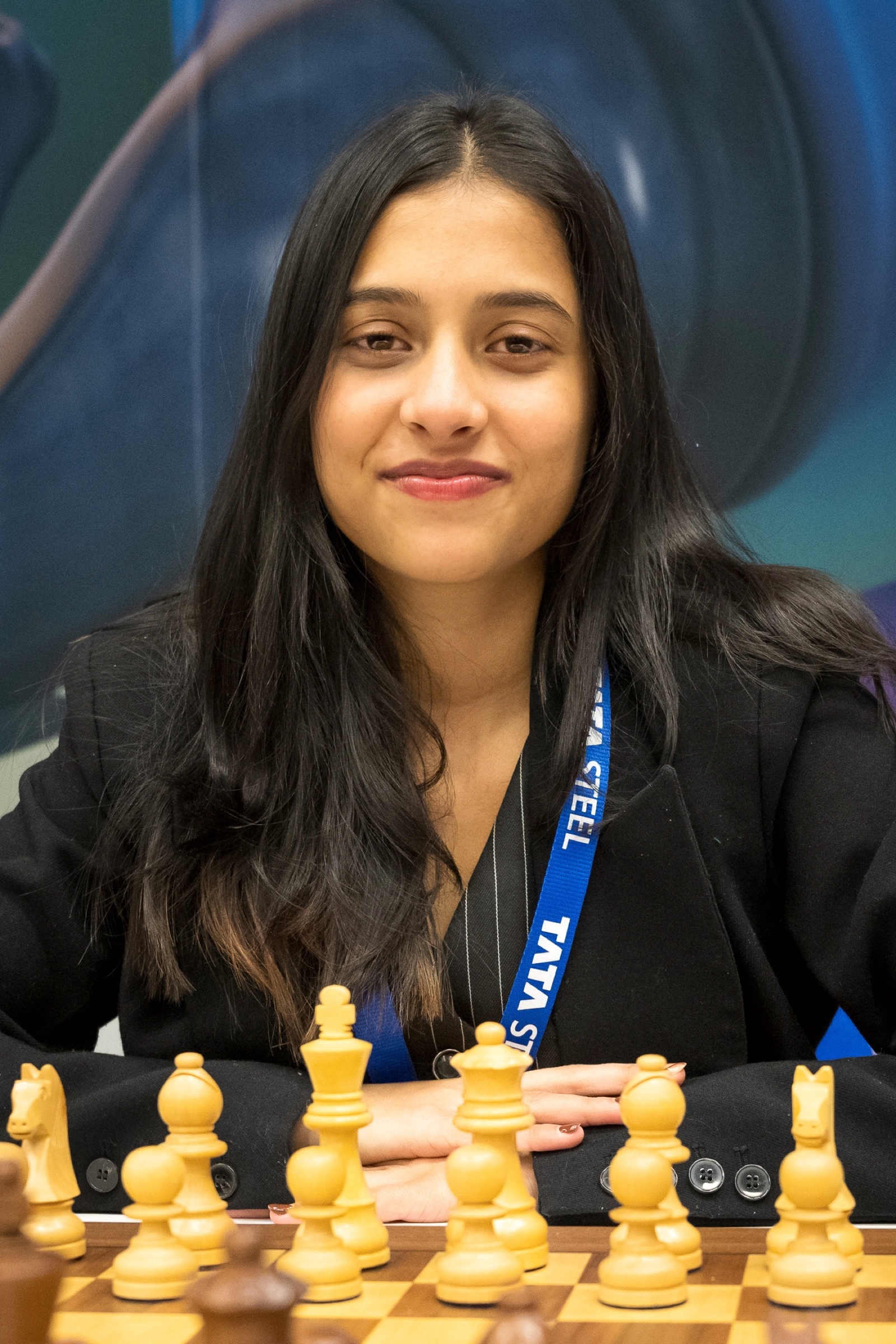 Divya Deshmukh
Classical and rapid knockout chess · India
Women's World Cup champion and Candidates qualifier
View profile
Divya Deshmukh
Classical and rapid knockout chess · India
Women's World Cup champion and Candidates qualifier
View profile
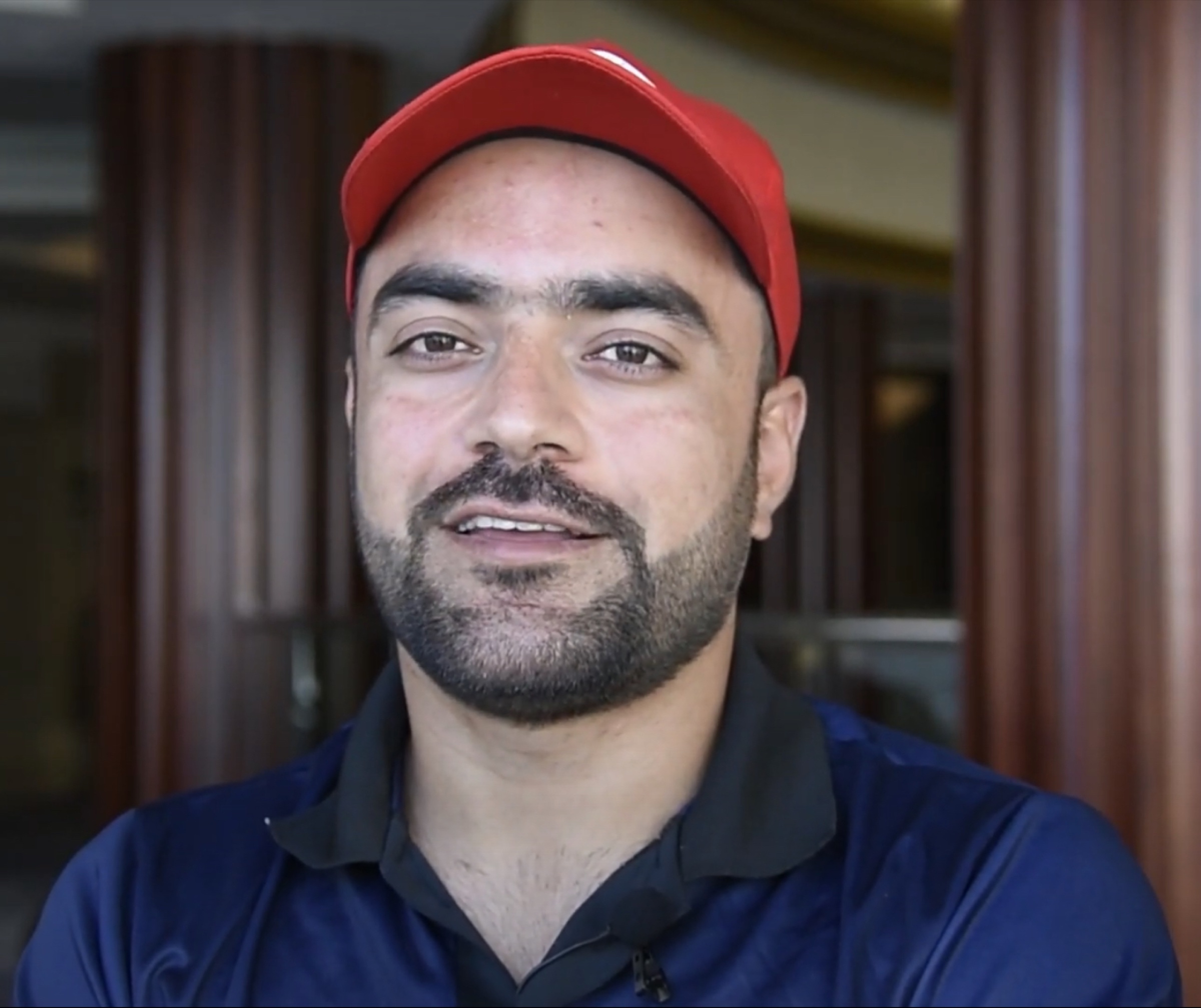 Rashid Khan
International leg-spin bowling · Afghanistan
Men's T20I wicket leader with cross-format match impact
View profile
Rashid Khan
International leg-spin bowling · Afghanistan
Men's T20I wicket leader with cross-format match impact
View profile
 Yifei Ye
Endurance racing · China
Le Mans winner in Ferrari's number 83 crew
View profile
Yifei Ye
Endurance racing · China
Le Mans winner in Ferrari's number 83 crew
View profile
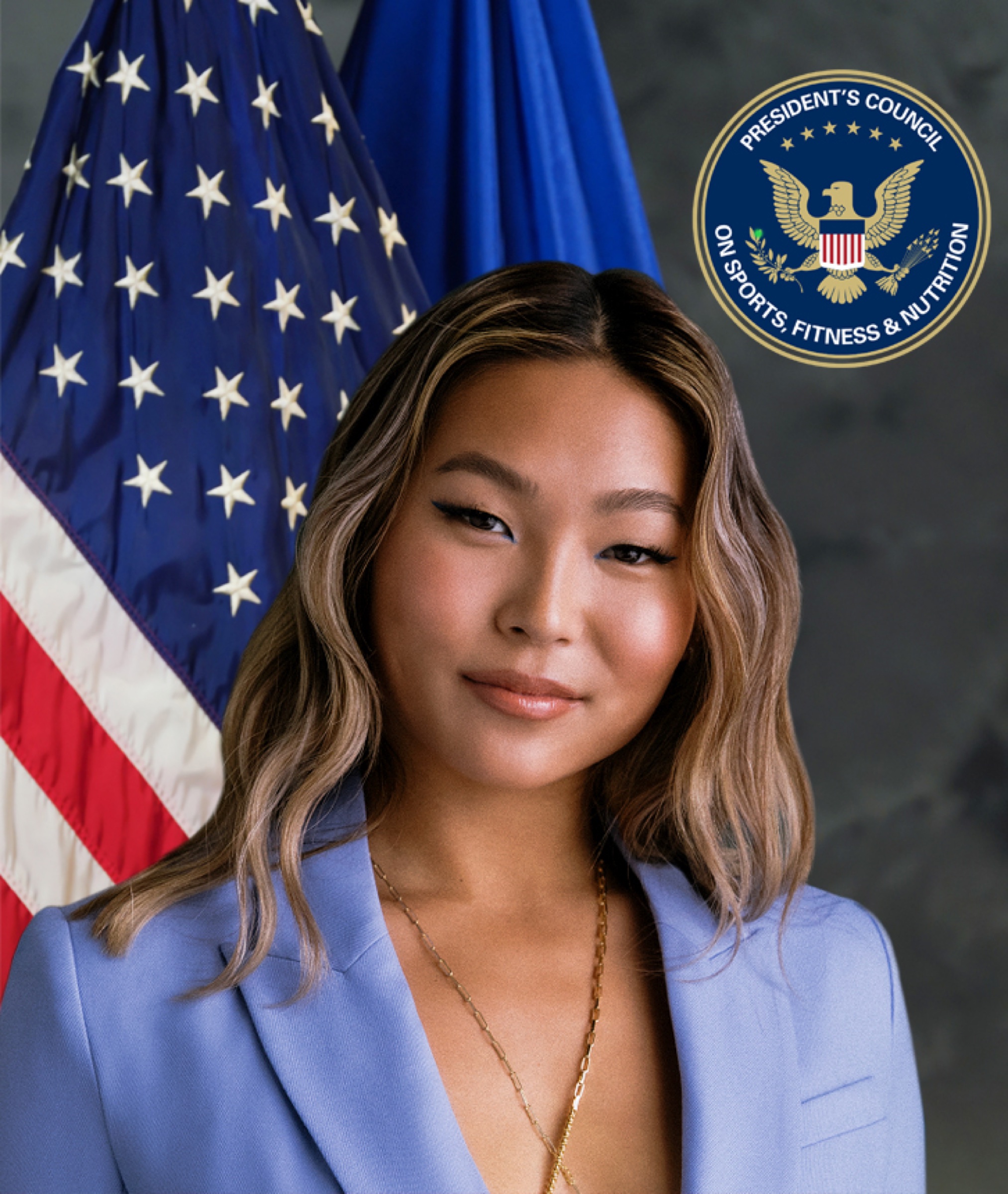 Chloe Kim
Halfpipe · United States
Three-time world champion with an Olympic silver return
View profile
Chloe Kim
Halfpipe · United States
Three-time world champion with an Olympic silver return
View profile
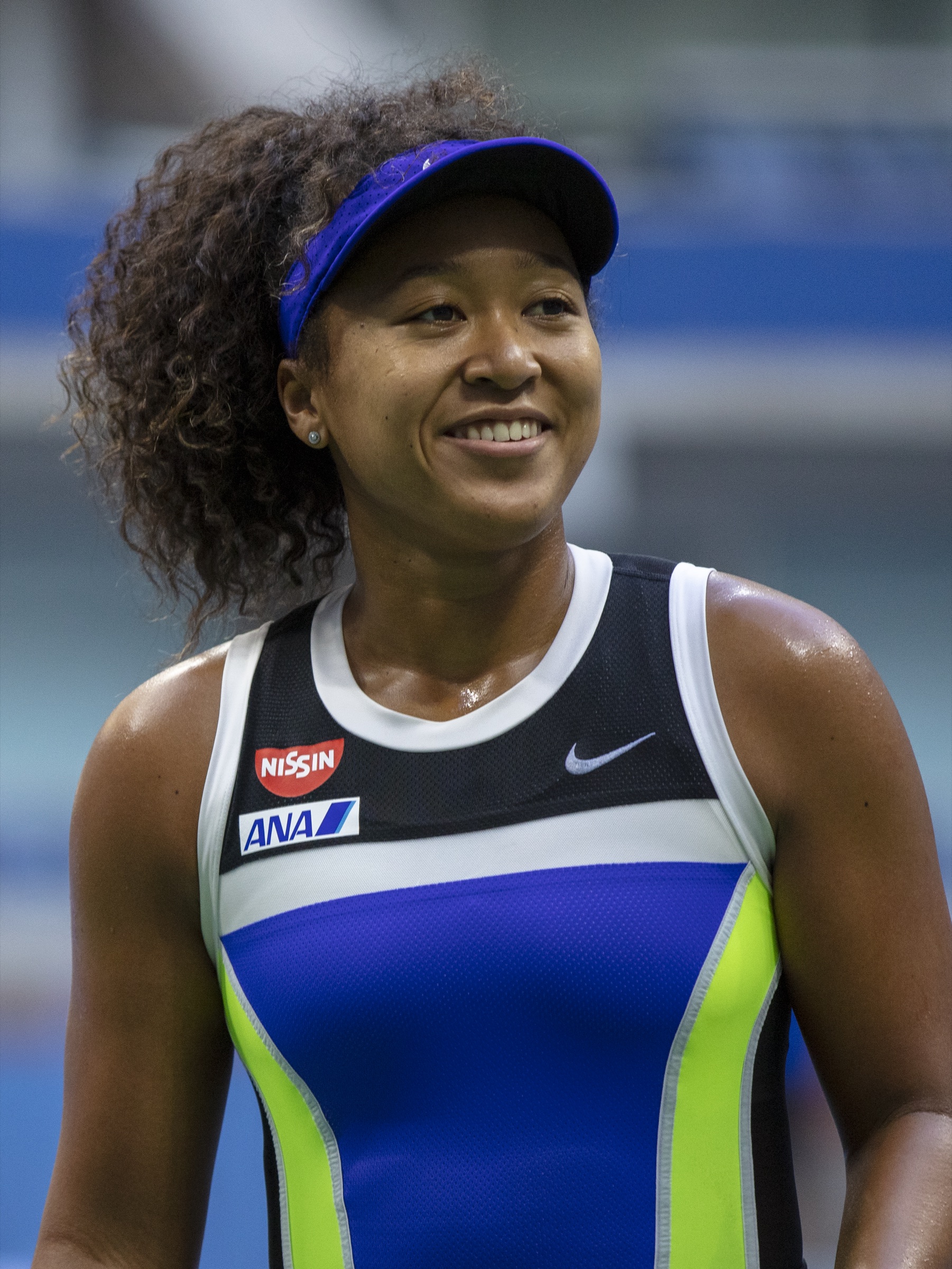 Naomi Osaka
WTA singles · Japan
Major semi-finalist who converted a grass-court breakthrough
View profile
Naomi Osaka
WTA singles · Japan
Major semi-finalist who converted a grass-court breakthrough
View profile
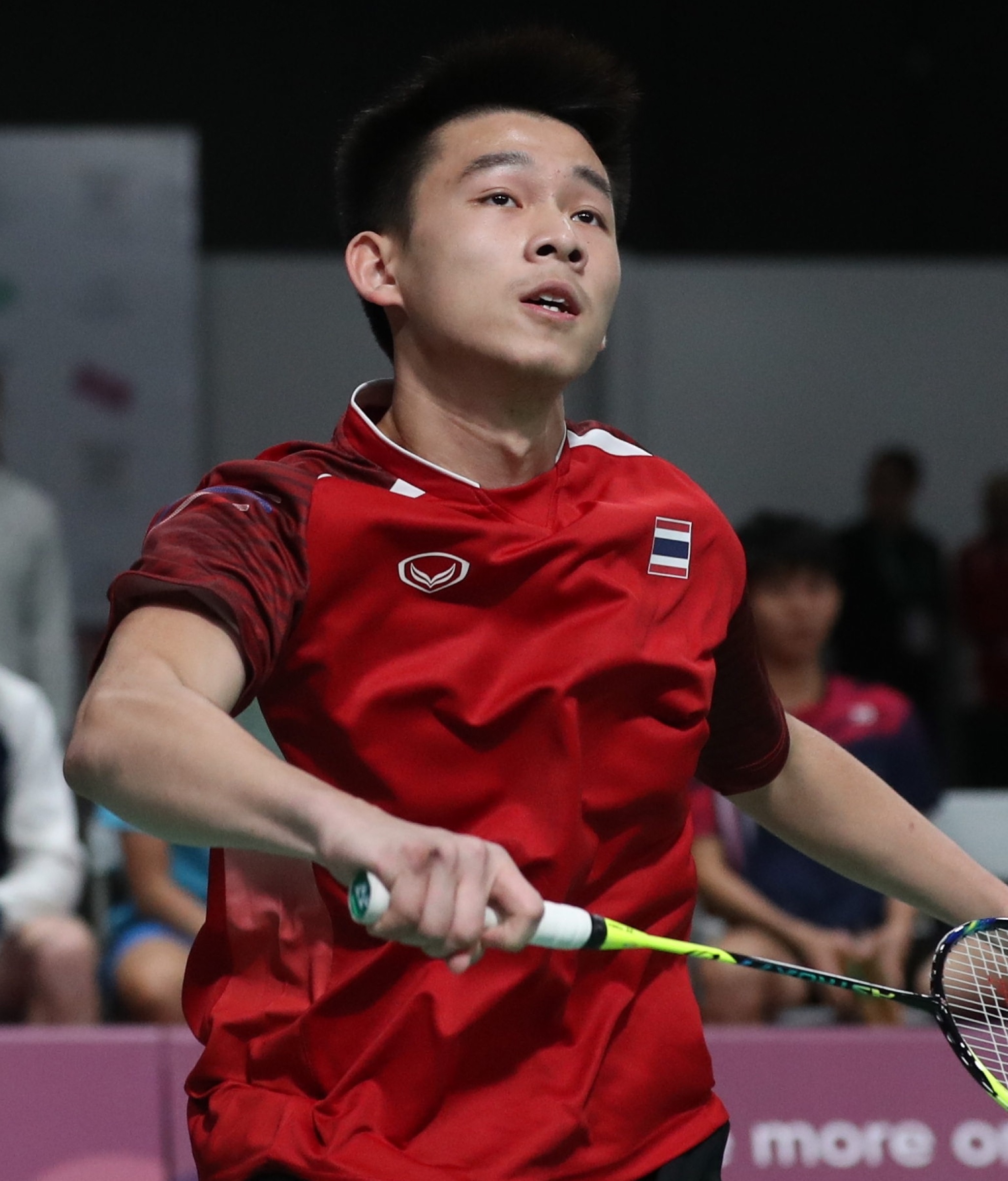 Kunlavut Vitidsarn
Men's singles · Thailand
World No. 1 after a multi-title singles season
View profile
Kunlavut Vitidsarn
Men's singles · Thailand
World No. 1 after a multi-title singles season
View profile
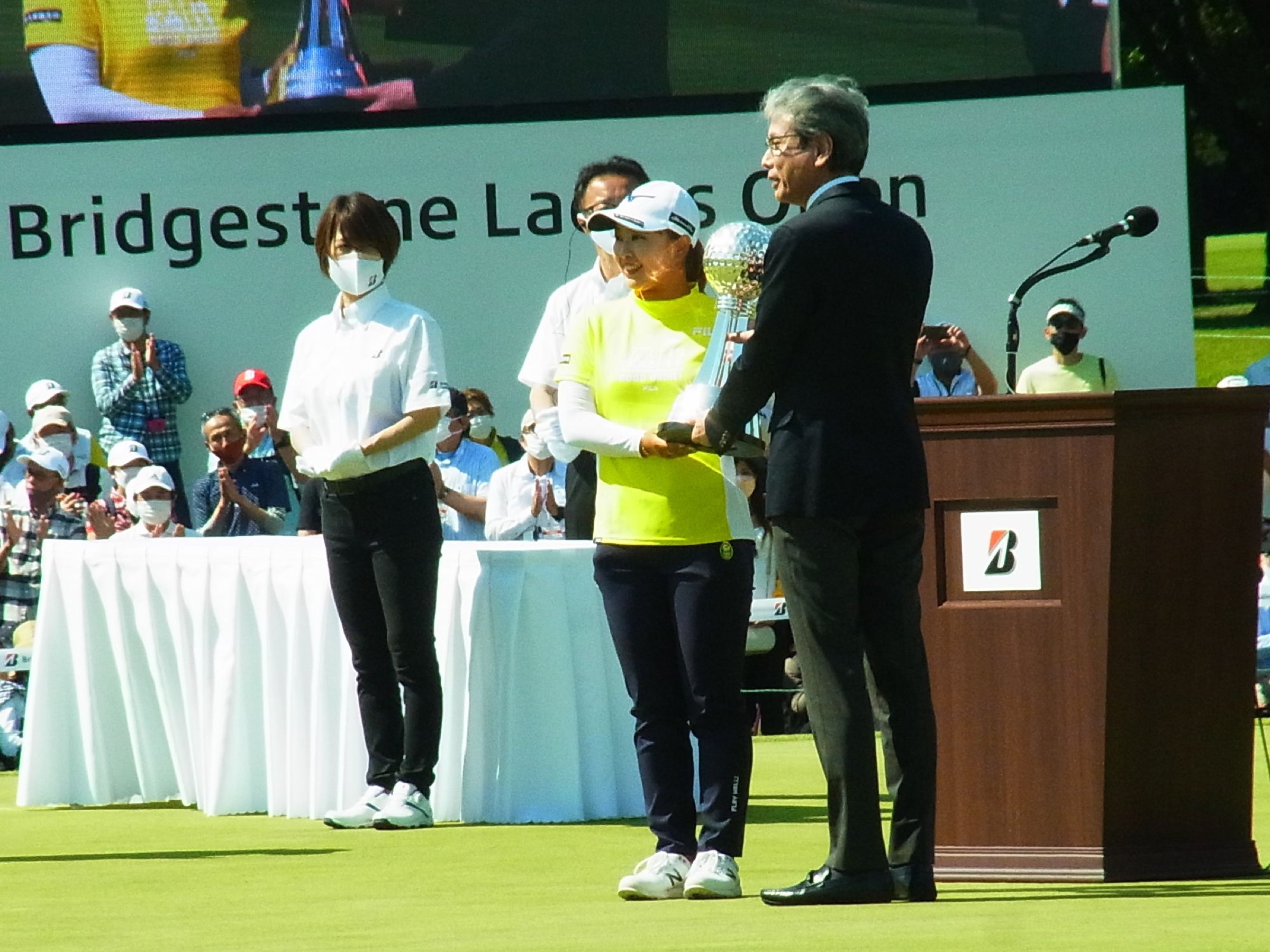 Mao Saigo
LPGA Tour · Japan
Chevron champion through a five-player major playoff
View profile
Mao Saigo
LPGA Tour · Japan
Chevron champion through a five-player major playoff
View profile
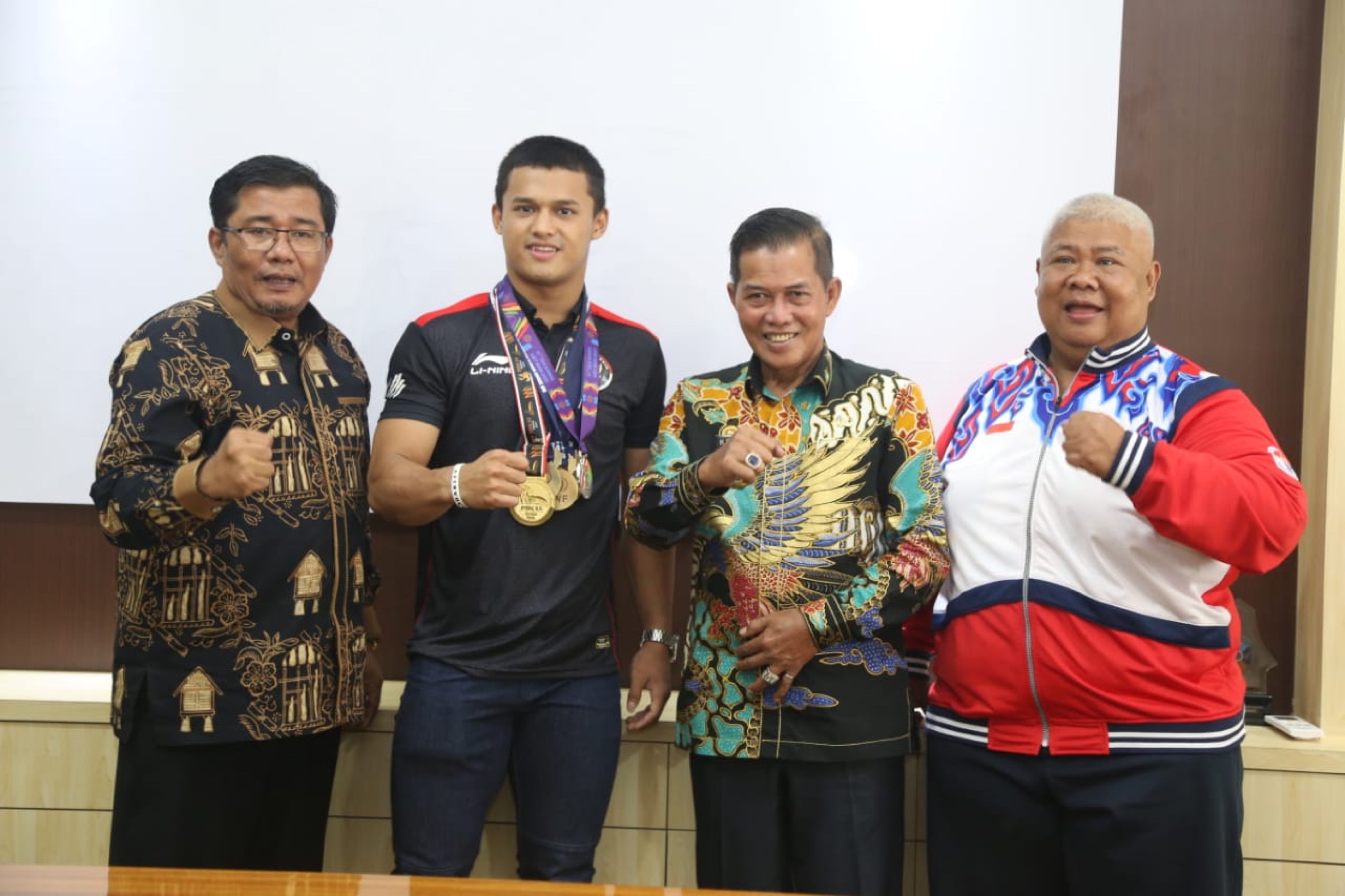 Rizki Juniansyah
79kg and 71kg · Indonesia
World champion with clean-and-jerk and total records
View profile
Rizki Juniansyah
79kg and 71kg · Indonesia
World champion with clean-and-jerk and total records
View profile
 Carlos Yulo
Floor exercise and vault · Philippines
World vault champion on a Southeast Asian home stage
View profile
Carlos Yulo
Floor exercise and vault · Philippines
World vault champion on a Southeast Asian home stage
View profile
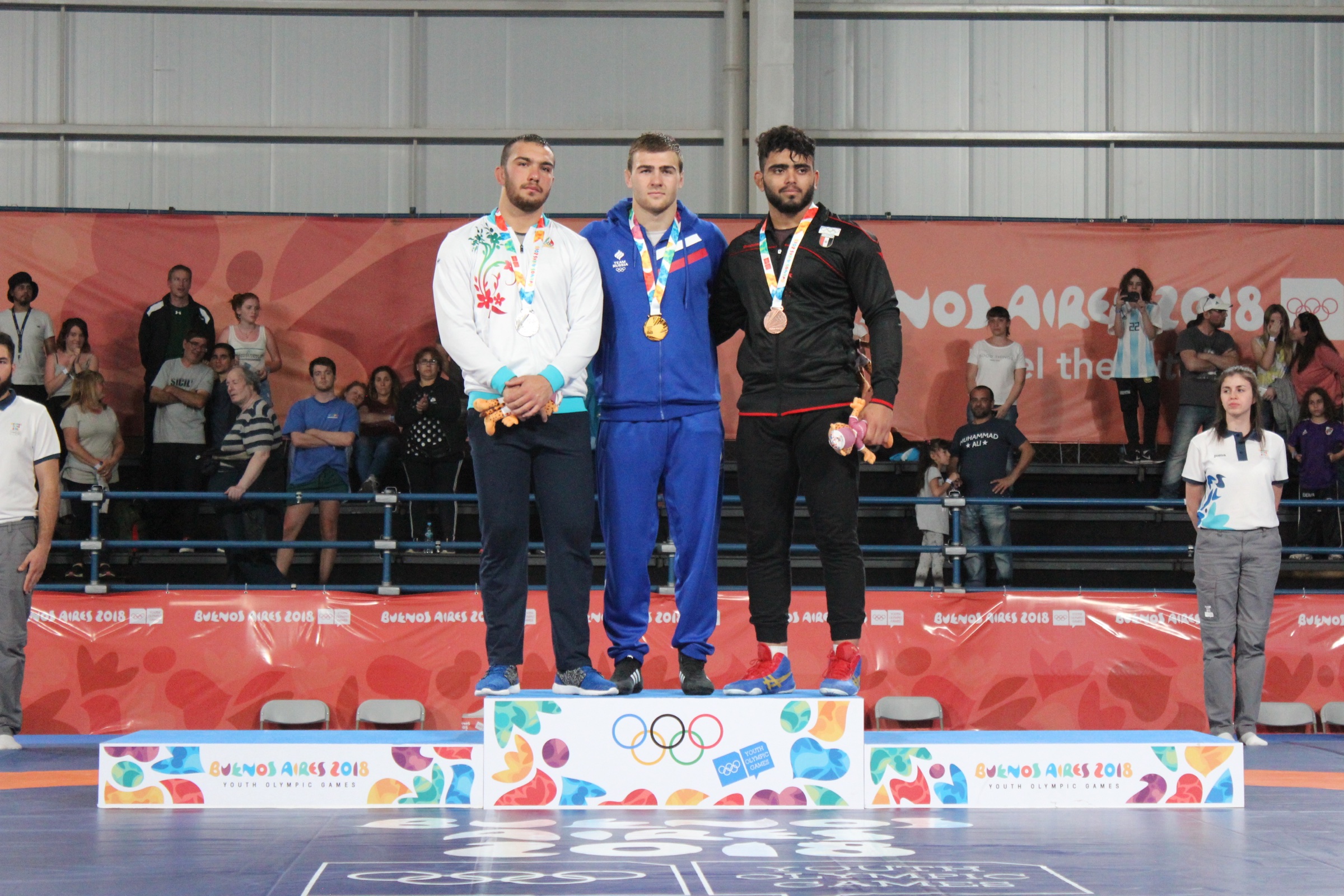 Amir Hossein Zare
Freestyle 125kg · Iran
Three-time heavyweight world champion at 24
View profile
Amir Hossein Zare
Freestyle 125kg · Iran
Three-time heavyweight world champion at 24
View profile
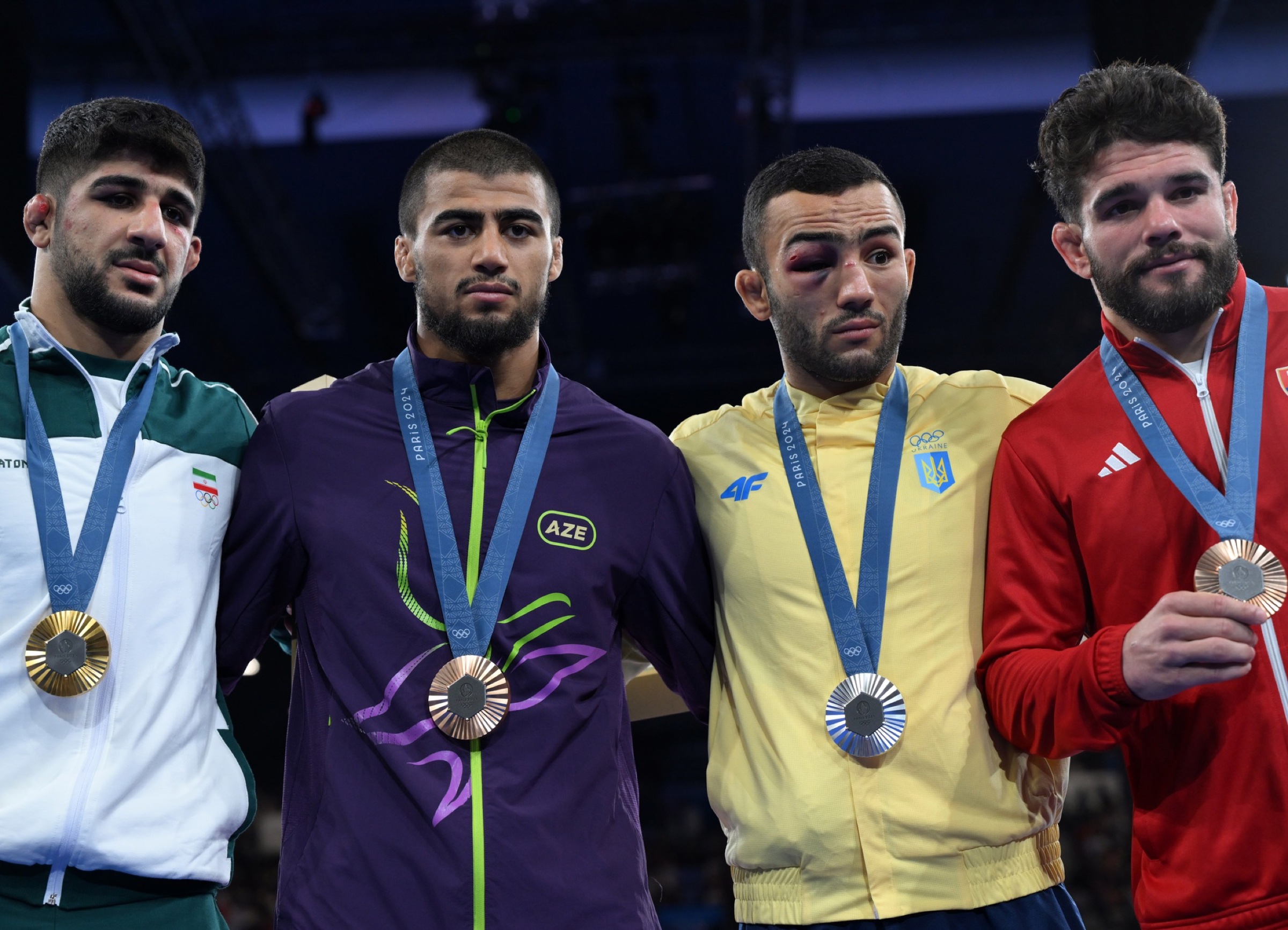 Saeid Esmaeili
Greco-Roman 67kg · Iran
Asian, world and Islamic Solidarity champion in 2025
View profile
Saeid Esmaeili
Greco-Roman 67kg · Iran
Asian, world and Islamic Solidarity champion in 2025
View profile
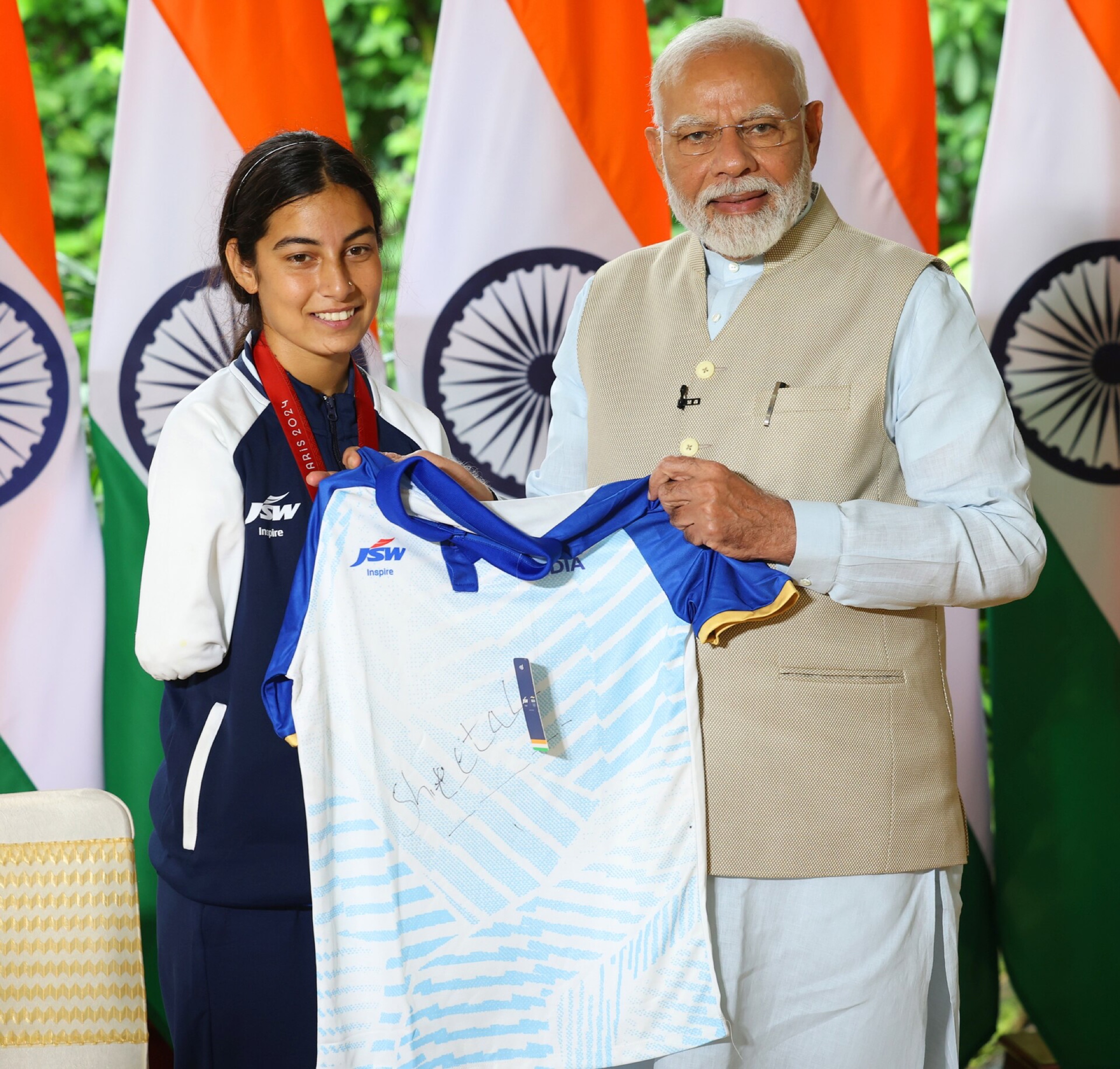 Sheetal Devi
Compound women open · India
Para world champion who qualified for India's open team
View profile
Sheetal Devi
Compound women open · India
Para world champion who qualified for India's open team
View profile
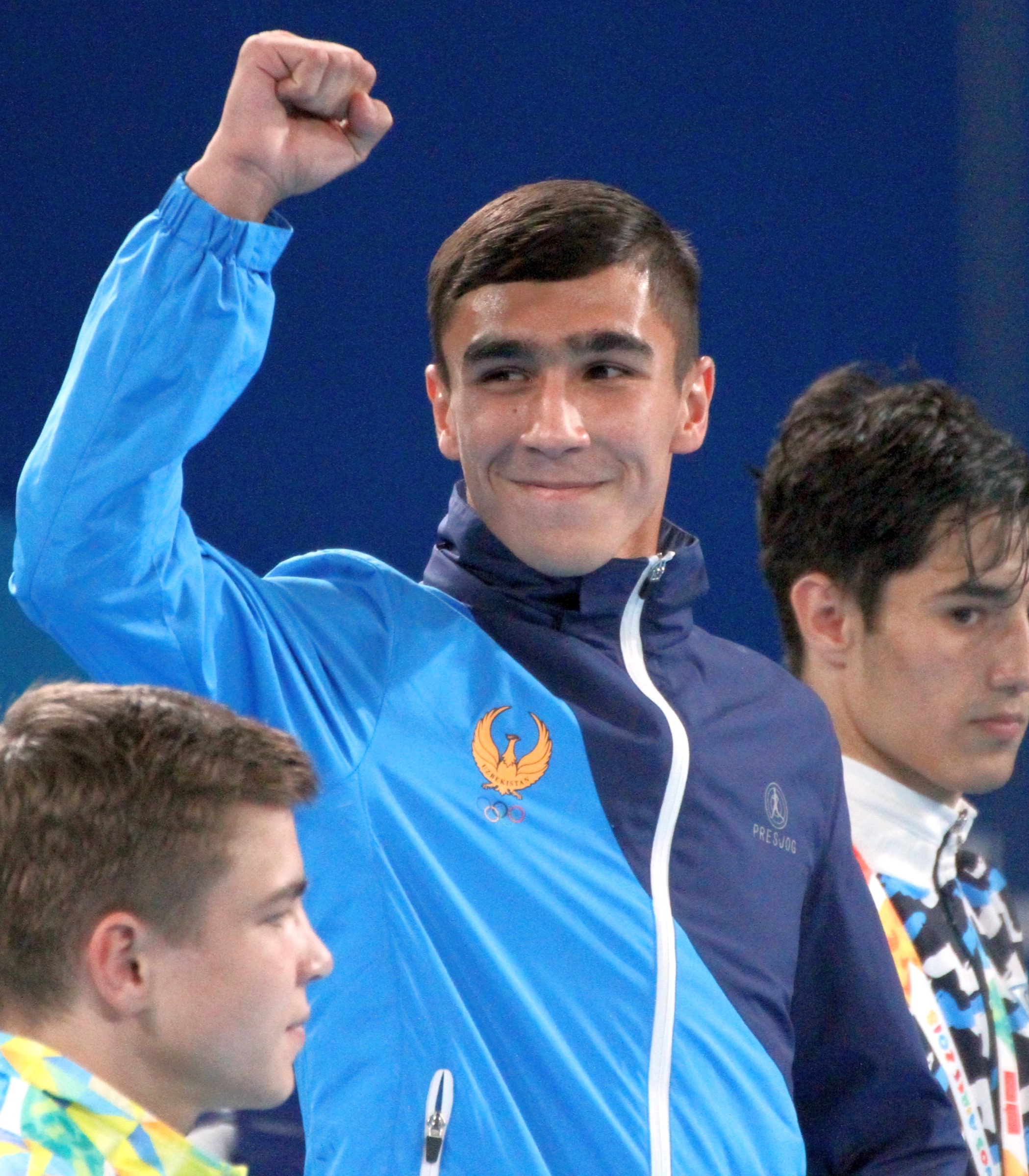 Abdumalik Khalokov
60kg Olympic-style boxing · Uzbekistan
Senior world champion and top-ranked lightweight boxer
View profile
Abdumalik Khalokov
60kg Olympic-style boxing · Uzbekistan
Senior world champion and top-ranked lightweight boxer
View profile
 Pearly Tan
Women's doubles · Malaysia
World silver medallist in Malaysia's first women's doubles final
View profile
Pearly Tan
Women's doubles · Malaysia
World silver medallist in Malaysia's first women's doubles final
View profile
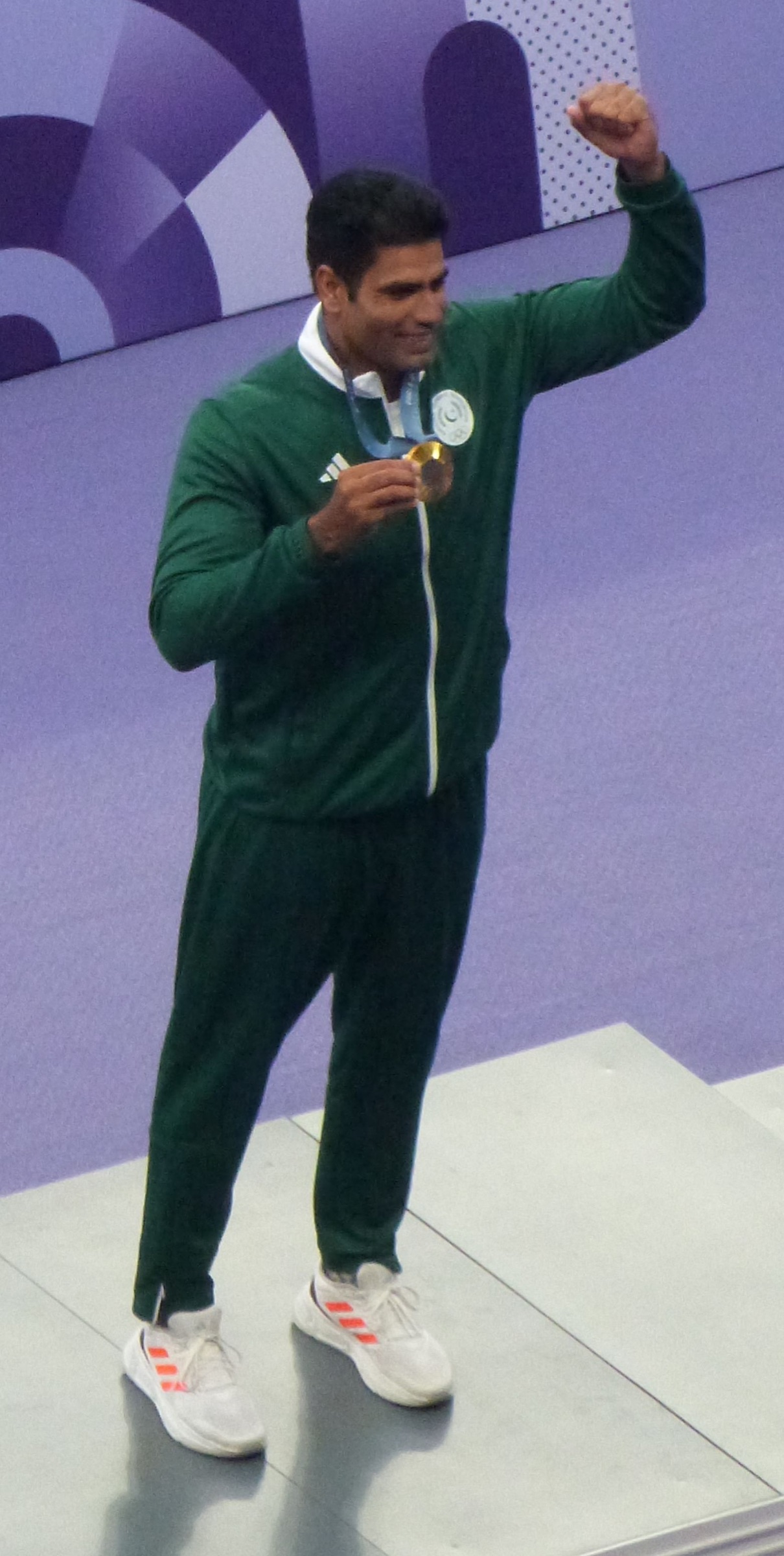 Arshad Nadeem
Javelin throw · Pakistan
Asian champion with an 86.40-metre winning throw
View profile
Arshad Nadeem
Javelin throw · Pakistan
Asian champion with an 86.40-metre winning throw
View profile
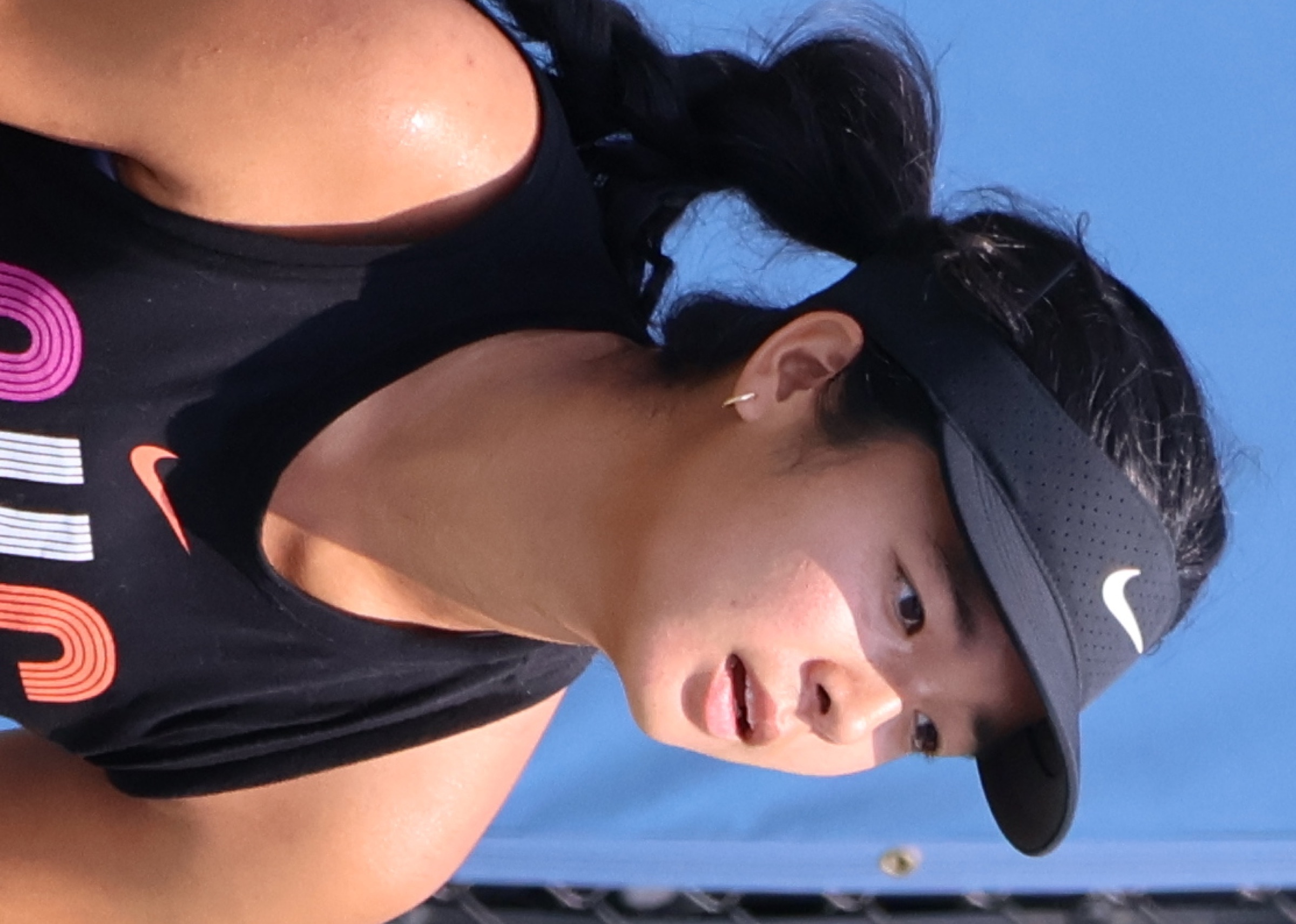 Alex Eala
WTA singles · Philippines
First Filipina WTA finalist and top-50 player
View profile
Alex Eala
WTA singles · Philippines
First Filipina WTA finalist and top-50 player
View profile
 Alperen Sengun
NBA centre · Türkiye
Two-time NBA All-Star centre and primary playmaker
View profile
Alperen Sengun
NBA centre · Türkiye
Two-time NBA All-Star centre and primary playmaker
View profile
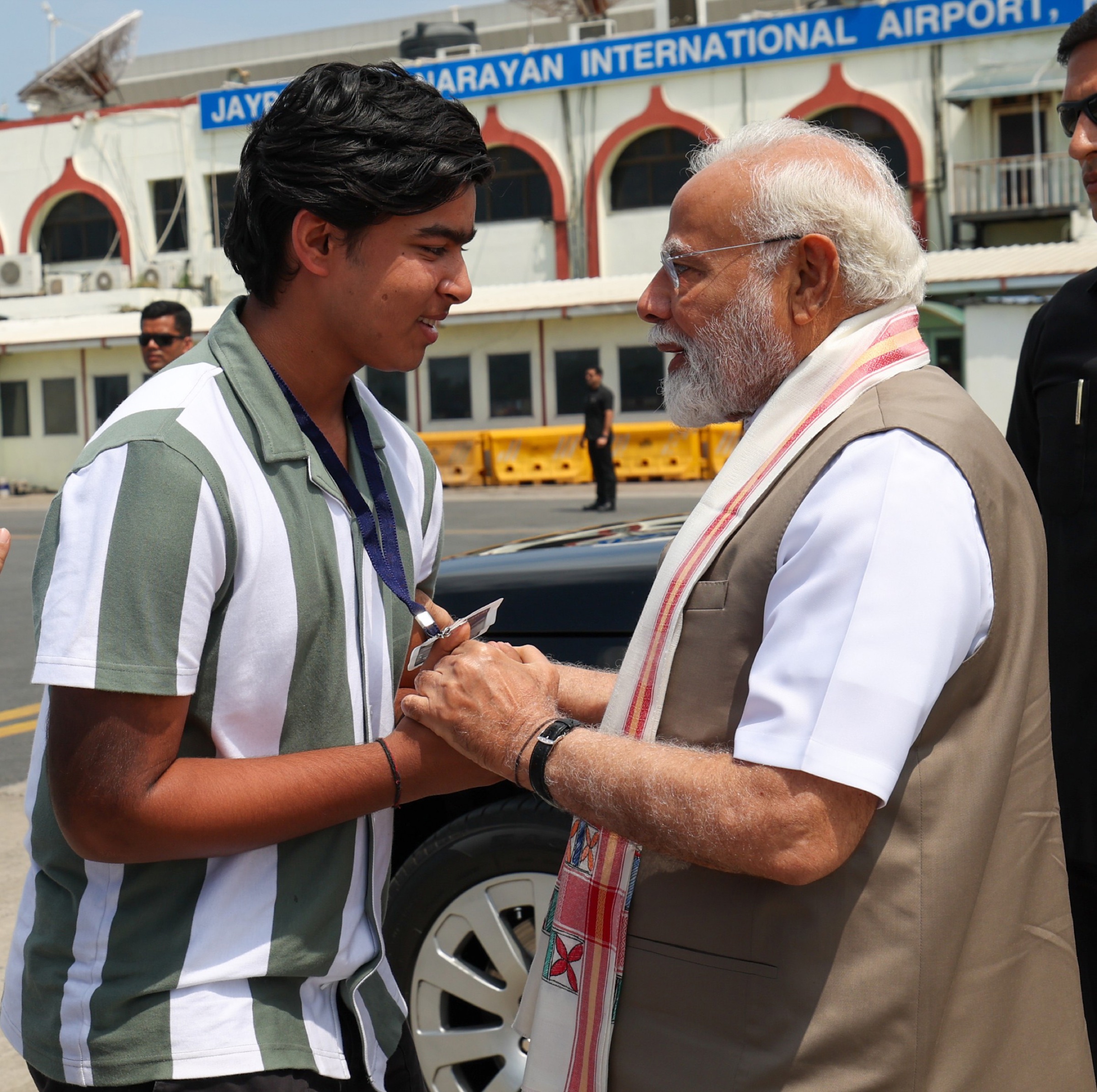 Vaibhav Suryavanshi
Twenty20 batting · India
Youngest IPL centurion after a 35-ball hundred
View profile
Vaibhav Suryavanshi
Twenty20 batting · India
Youngest IPL centurion after a 35-ball hundred
View profile
 Gukesh Dommaraju
Classical chess · India
World champion who recorded a first classical win over Carlsen
View profile
Gukesh Dommaraju
Classical chess · India
World champion who recorded a first classical win over Carlsen
View profile
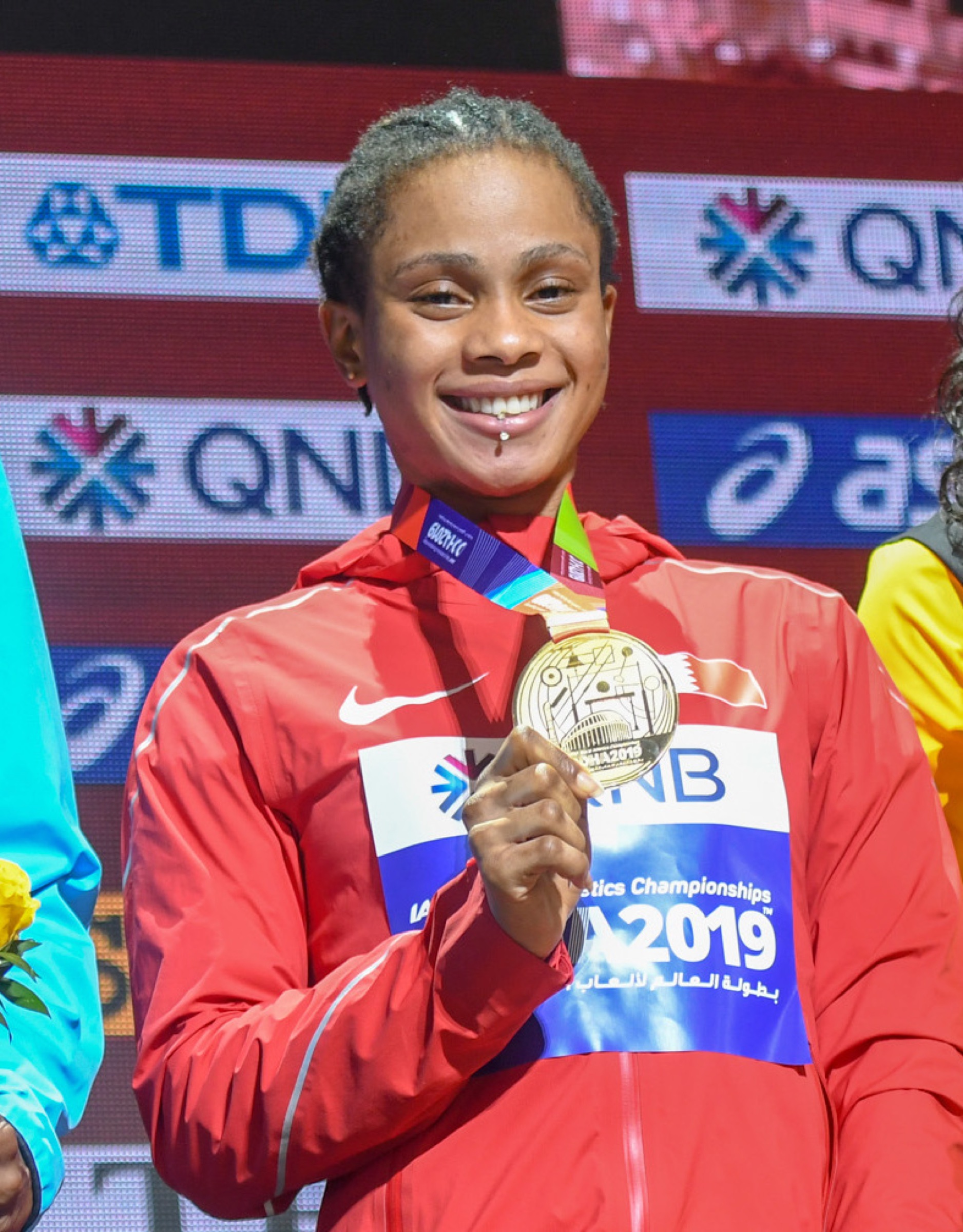 Salwa Eid Naser
400 metres · Bahrain
World bronze medallist in a 47-second championship final
View profile
Salwa Eid Naser
400 metres · Bahrain
World bronze medallist in a 47-second championship final
View profile
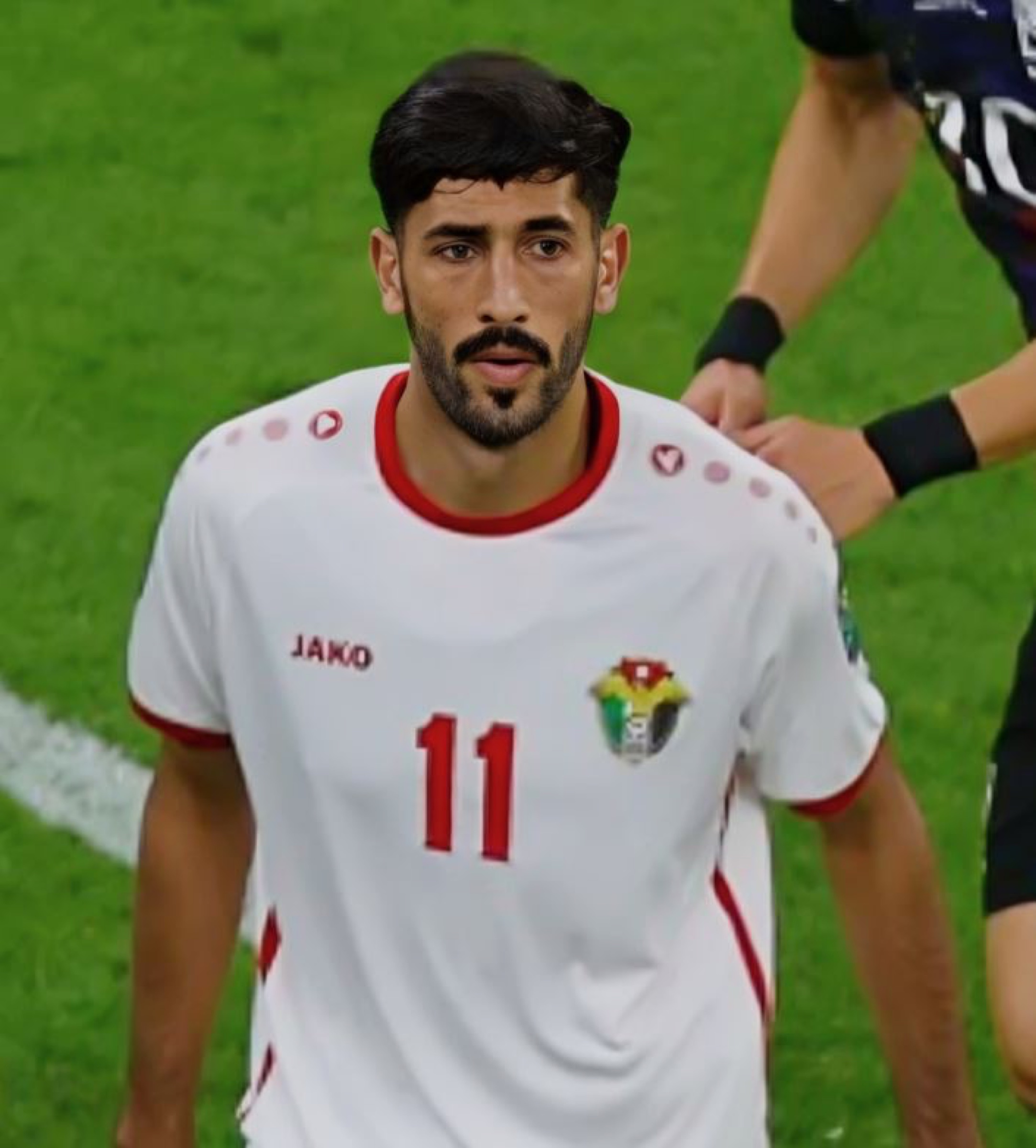 Yazan Al-Naimat
Centre-forward · Jordan
Forward in Jordan's first World Cup qualification
View profile
Yazan Al-Naimat
Centre-forward · Jordan
Forward in Jordan's first World Cup qualification
View profile
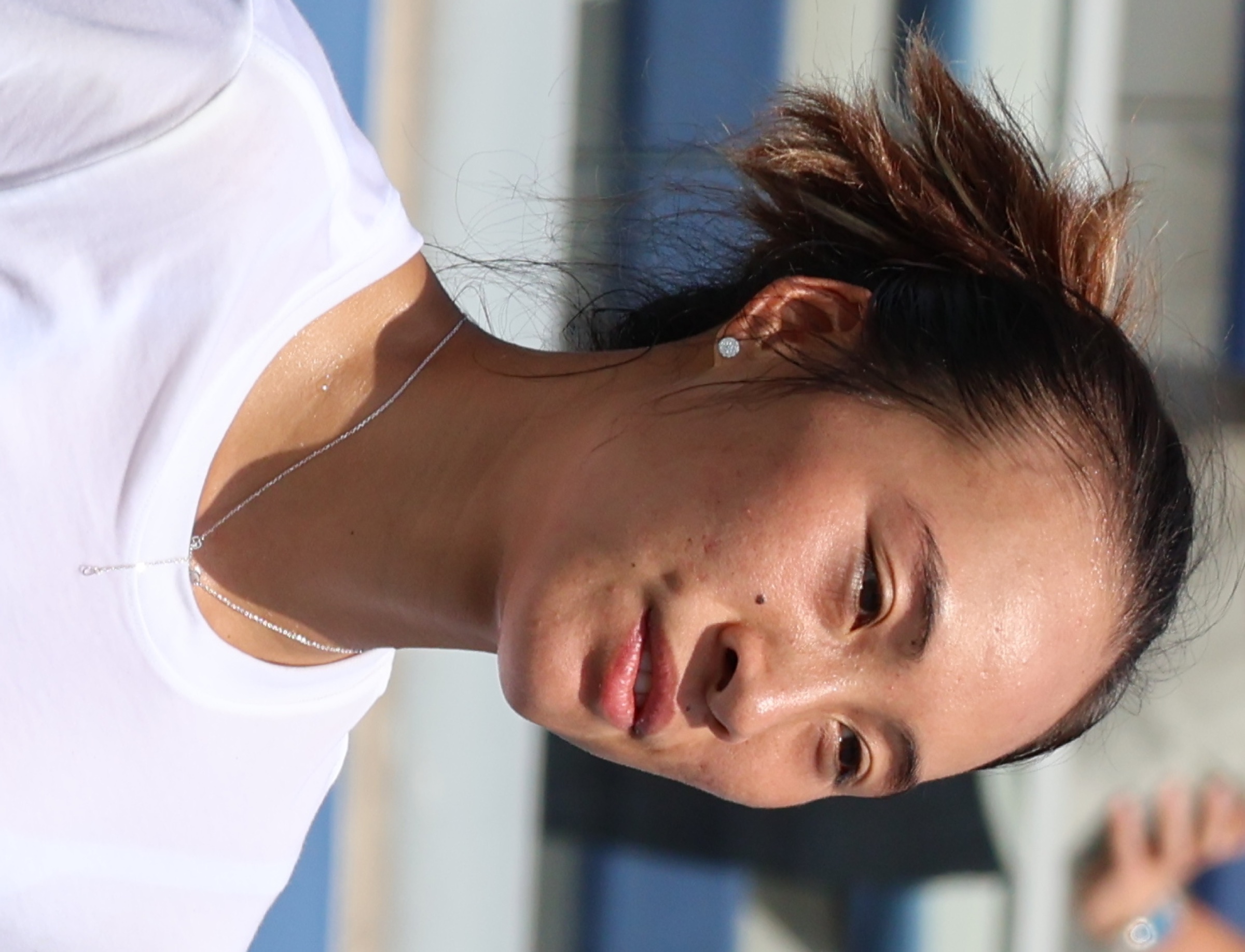 Qinwen Zheng
WTA singles · China
Top-four player across clay and grass before surgery
View profile
Qinwen Zheng
WTA singles · China
Top-four player across clay and grass before surgery
View profile
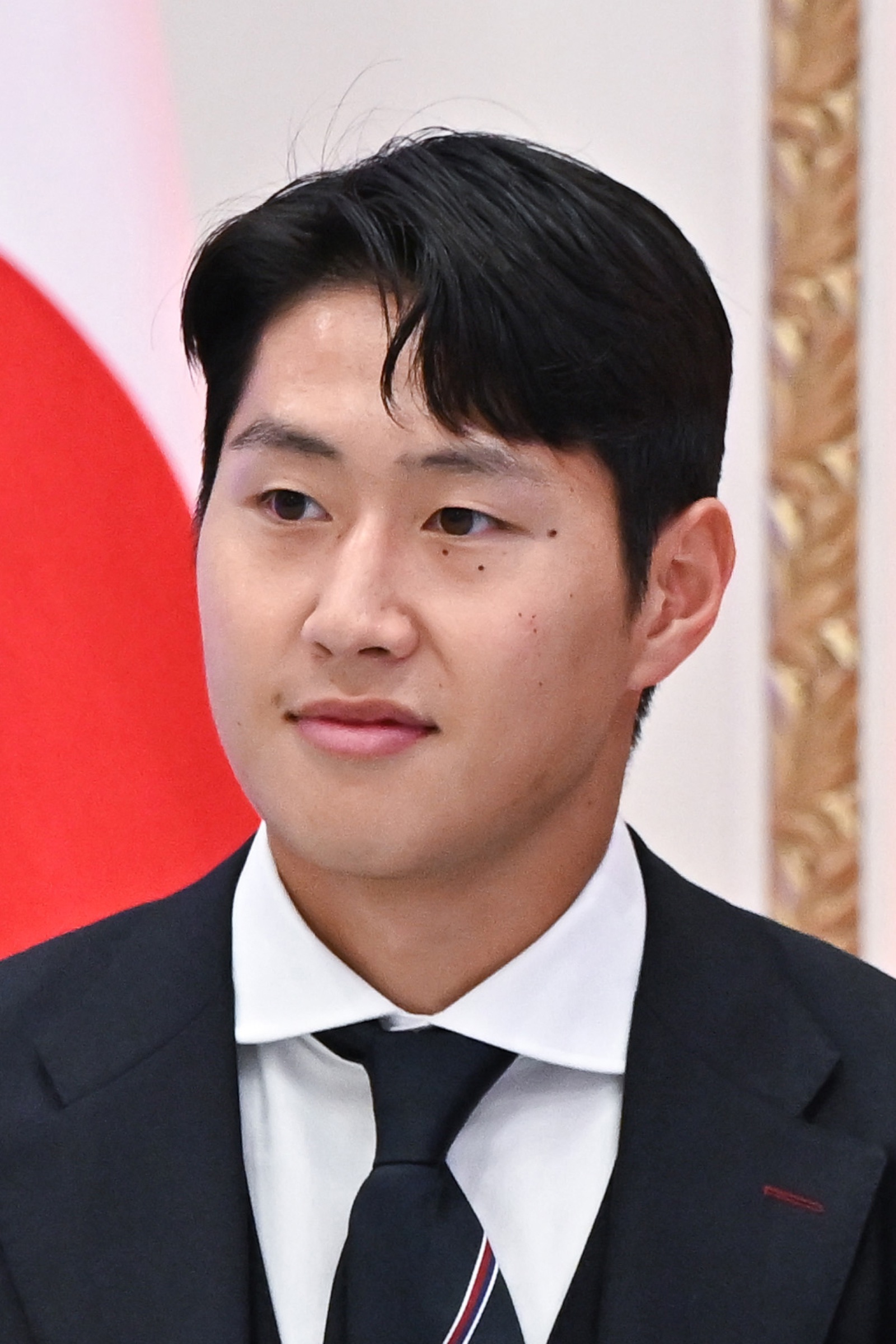 Lee Kang-in
Midfield and wide attack · South Korea
Twenty-one European appearances across consecutive title campaigns
View profile
Lee Kang-in
Midfield and wide attack · South Korea
Twenty-one European appearances across consecutive title campaigns
View profile
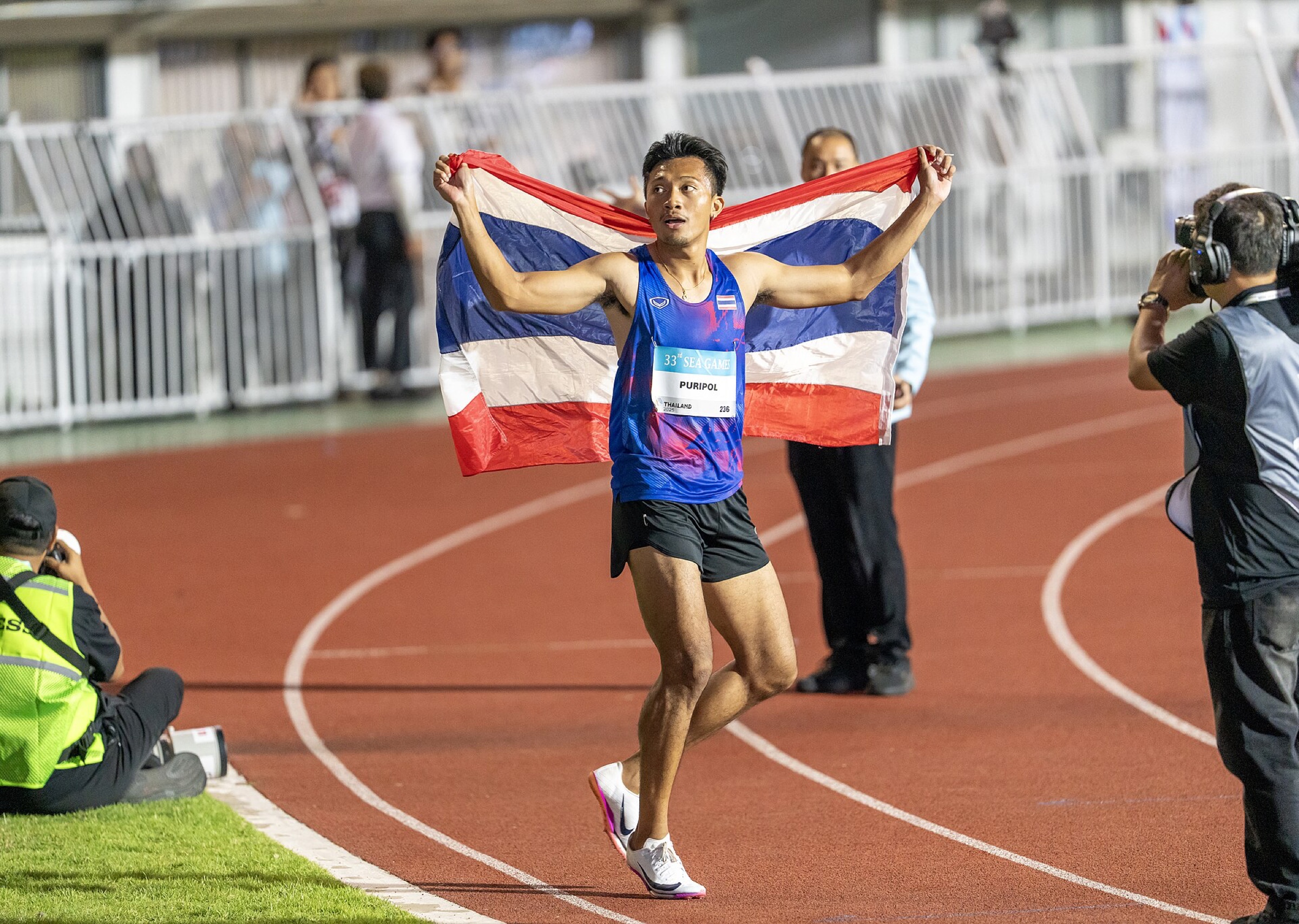 Puripol Boonson
100m, 200m and 4x100m · Thailand
Sub-ten sprinter with a three-gold regional championship
View profile
Puripol Boonson
100m, 200m and 4x100m · Thailand
Sub-ten sprinter with a three-gold regional championship
View profile
Purpose and scope
The Editorial Perspective
In sport, a fraction of a second can separate a defining performance from a result that disappears into the record book. The margin is public; the work behind it often is not. Training systems, recovery, judgement under pressure and the capacity to repeat a result across a season rarely travel across borders as easily as a medal count. FigureAsia created this list to examine the people behind those outcomes with the same care given to the outcomes themselves.
Asian sporting achievement is frequently reported through a national lens, then reduced again to a table of major-event results. That approach misses athletes working in less widely covered disciplines, competitors whose careers cross national systems, and members of the Asian diaspora whose connection to the region is part of a documented public identity. Language and market size can determine which stories circulate internationally. They should not determine which records receive serious editorial attention.
Asia in this edition is plural. It includes East, Southeast, South, Central and West Asia; the Middle East is integral to that frame. It also includes the global Asian diaspora and people of mixed Asian heritage whose connection is publicly established. Residence is not required, and appearance, surname, clothing, language or assumed ethnicity never establishes eligibility. Geographic breadth directs the research. It does not create a quota or lower the evidential standard.
The age threshold matters because elite sport compresses development, exposure and consequence into unusually short careers. Yet youth is not treated here as spectacle. A place is not awarded for promise, celebrity, follower count or a prestigious training environment. Each honouree needed completed work within the reporting period and a result that could be attributed to the individual, whether achieved alone, in a pair or as part of a team. Earlier achievements provide context; they cannot carry the 2025–26 case by themselves.
Comparison across sports demands restraint. A world record, a championship title, a season of consistent tour results and a decisive contribution to a team cannot be collapsed into a single universal statistic. FigureAsia therefore begins with peer context: the competitive level, field strength, rules and role particular to each discipline. Cross-sport judgement follows only after that work, asking how rare the performance was, how clearly the athlete drove it and whether the consequence endured beyond one isolated event.
Recognition also carries obligations. Ages, identities, roles and results must be supportable. Material integrity questions require context or exclusion. Portraits require a documented lawful basis as well as sufficient technical quality. Commercial relationships remain outside selection. The purpose is neither celebration without scrutiny nor criticism disguised as recognition. It is to record demonstrated achievement accurately, across a field too broad to be understood through familiarity alone.
The list also preserves difference within the cohort. An emerging athlete can merit attention for a completed senior result without being described as the finished equal of a long-established champion. A para-athlete’s classification is competitive context, not a qualification to be minimised. A team result can be consequential without every member receiving identical credit. Careful recognition depends on making those distinctions visible rather than smoothing them into a common publicity language.
FigureAsia’s responsibility is to make that record legible: specific about the result, candid about the terms of comparison and disciplined about what the evidence can sustain over time in public.
Category definition
The FigureAsia definition of Sports
For this edition, Sports covers verified competitive performance by living athletes across professional, Olympic, Paralympic, international federation and other recognised elite systems. The category includes individual and team disciplines, physical and precision sports, motor competition and established mind sports where results are governed by published rules and credible records.
FigureAsia considers what an athlete completed in competition: titles, records, decisive performances, sustained tour results and clearly attributable contributions to paired or team outcomes. Earlier career achievements may explain the level of the field, but the case for inclusion must contain consequential work in 2025–26.
Performance indicators differ by discipline. Time, distance, score, ranking movement, title level, opposition and consistency may each supply evidence, but no single measure governs every sport. Classification, event format, competitive depth and the athlete’s precise role are considered before results are compared across fields.
Coaching, ownership, administration, broadcasting, sports technology and commercial influence fall outside this athlete edition unless the person’s qualifying contribution is a current competitive result. Fame, wealth, endorsements and audience size are not sporting outcomes and receive no independent weight.
The definition follows competition, not the size of its market.
Selection priorities
What FigureAsia looked for
The strongest cases began with a completed result against a credible field. Editors considered the level of competition, the rarity of the outcome and the quality required to achieve it. A world or continental title could carry substantial weight, but no label was accepted without its competitive context: event format, opposition, classification, discipline and the athlete’s role all mattered.
Individual agency was essential. Solo results are usually direct; doubles, relay and team achievements require closer attribution. FigureAsia distinguished an athlete’s documented contribution from the collective reputation of a national programme, club or partner. Repeatable form across events or seasons strengthened a case, while an isolated result was assessed according to its scale and the evidence surrounding it.
The review also considered whether a performance changed a record, altered competitive expectations, widened representation or carried recognised significance for Asian sport and international competition. Paralympic and para-sport achievement was assessed on its own elite competitive terms, with classification and event context treated as substantive sporting information.
Evidence quality governed every stage. Major claims required authoritative competition records and independent corroboration where the claim extended beyond a formal result. Conflicting dates, rankings or performance figures were resolved before use; unsupported superlatives were removed. Public familiarity never compensated for a weak attribution record.
Close cases were reviewed at the selection boundary. The comparison returned to the same questions: whose work was completed inside the period, whose role was clearest, whose result carried greater competitive consequence and whose case remained strongest when fame, market size and institutional prestige were set aside. Scores informed that judgement without pretending that unlike achievements become identical when expressed as a number.
Projected potential did not substitute for realised work. Nor did visibility, sponsorship, social reach, a famous coach or previous recognition elsewhere. Every honouree needed a verified age, documented Asian connection, current sporting identity, completed 2025–26 contribution and a record that remained credible after integrity and attribution review.
FigureAsia methodology
How the field was assessed
The assessment window begins on 1 January 2025 and runs to the edition’s stated research cut-off. Completed performances carry weight; plans, projections and events that had not occurred by the cut-off do not. Earlier achievements establish competitive context but cannot be the sole reason for inclusion.
Athletes are first considered among credible peers in the same sport, discipline and competitive role. Editors then calibrate consequence across fields, distinguishing individual agency within solo, paired and team results. Final selection remains an editorial judgement grounded in evidence, not a mechanical conversion of unlike sporting statistics.
Assessment process
From the eligible field to the final cohort
Discovery begins across sports, regions and languages, including local governing records and the global Asian diaspora. FigureAsia does not begin with predetermined winners, and no existing list is permitted to define the field. Search breadth is reviewed for regional, language, fame and institutional bias before a candidate advances to detailed assessment.
Eligibility is verified before scoring. Editors establish identity, age at the fixed date, documented Asian connection, current sporting role and a direct relationship to the result under review. Team, relay, doubles and paired achievements are examined for the athlete’s own contribution; collective success is not assigned equally without evidence of individual agency.
Material claims are checked against authoritative competition records and independent high-credibility reporting where interpretation extends beyond the formal result. Interested-party material can confirm a name, title or lead, but cannot carry a major impact claim alone. Conflicting figures are resolved, qualified or removed rather than averaged into a convenient answer.
Comparison proceeds in stages. Candidates are assessed first against credible peers performing similar work in the same sporting context. Editors then calibrate significance across disciplines, recognising that time, distance, titles, ranking, classification and team contribution are not interchangeable measures. The published dimensions guide comparison while the final selection remains an accountable editorial judgement.
Assessment dimensions are established before the final cohort is confirmed. They separate the quality of the completed result from its wider consequence, the athlete’s individual agency, repeatability and relevance across Asian and international sport. The same evidence threshold applies across nationality, gender, market size and public profile; those characteristics do not supply automatic selection advantages.
Scores create discipline in comparison, but they are not presented as a definitive measure of a person or career. They help editors locate weak evidence, test consistency and identify candidates requiring closer review. Where unlike achievements remain close, the written editorial determination returns to realised consequence, attribution and source strength rather than manufacturing precision through inflated numbers.
Close cases receive direct boundary review, with emphasis on realised 2025–26 consequence, personal attribution, durability and evidential strength. Integrity review considers material disciplinary, regulatory, authorship and result disputes without treating allegation as fact. Coverage is audited for visibility and photograph bias. Portrait availability is considered only after the sporting judgement; publication still requires documented image rights.
Before publication, time-sensitive roles and results are checked again against the research cut-off. Public copy is reviewed for unsupported superlatives, unclear units and claims that belong to an organisation rather than the athlete. The edition is then locked as a dated record, subject to the corrections standard stated below.
Substantive 2025-2026 contribution
Completed athletic work delivered during the assessment period, not an announcement or projection.
Verified impact
A measurable or independently observable result established in authoritative competition records.
Originality and distinction
A contribution meaningfully differentiated from ordinary senior participation or standard peer output.
Industry influence
Evidence that the performance affected practice, access, representation or understanding beyond one appearance.
Individual agency
The degree to which the completed result can be attributed to the athlete's own performance and decisions.
Durability and demonstrated trajectory
Repeatable results or sustained practice already visible across events, seasons or formats.
Asian significance and global relevance
Specific consequence for Asian communities or representation combined with meaning in the international field.
Level of competition
The seniority, field strength and recognised standing of the events in which the work was completed.
Competitive result
The quality of the realised placing, title, record, qualification or statistical outcome.
Cross-format consistency
Evidence that performance held across events, rounds, surfaces, match lengths, disciplines or season phases.
Sporting consequence
The direct championship, ranking, qualification, record or tactical consequence of the performance.
Eligibility
The line every honouree had to clear
Candidates had to be living people born on or after 1 January 1991 and therefore under 35 at 23:59 UTC on 31 December 2025. A birthday during 2026 does not change eligibility. Where age evidence was conflicting or insufficient, a candidate could not proceed to publication.
The eligibility date is fixed independently of the publication date. Age is established from reliable records, never estimated from appearance, education, career stage or public reputation. A confirmed 1991 birth year can satisfy the threshold; a 1990 birth year cannot.
Eligibility extends across Asian regions and the documented global Asian diaspora, regardless of present residence or workplace. Asian identity is established through reliable public information about nationality, origin, heritage or self-identification; it is never inferred from a name or appearance.
Every selected athlete also required a completed, consequential 2025–26 contribution, a current and verifiable role, meaningful individual attribution and no unresolved factual or integrity issue that would make inclusion misleading. Residence in Asia alone does not establish identity, and a documented Asian connection does not carry selection weight. Geography establishes scope; sporting evidence establishes merit.
Eligibility
Candidates had to be born on or after 1 January 1991 and had to be under 35 on 31 December 2025. A birthday reached during 2026 did not alter eligibility. Identity and date-of-birth checks were treated separately from sporting merit. A candidate remained outside the publication set where age, identity, current role or the stated Asian connection could not be supported with reliable public evidence.
Recorded funnel
Discovery produced a broader pan-Asian longlist, but this edition does not claim an audited number for that early stage. Thirty-five records reached full eligibility verification, evidence review, scoring and publication-rights clearance; those 35 form the published cohort. No candidate is described as eliminated at a stage for which a complete working record was not retained, and FigureAsia does not claim that a 240-person funnel was completed for this edition.
Geographic and diaspora scope
The field covers East, Southeast, South, Central and West Asia, the Middle East and the global Asian diaspora. Eligibility could rest on nationality, official international representation or a documented heritage connection. Editorial language identifies which basis applies. Names, appearance and assumptions about ethnicity were never sufficient. Athletes connected to more than one place were described in terms that preserve the public record without forcing a single cultural identity.
Evidence window
The principal assessment period opened on 1 January 2025 and closed at the reporting cut-off of 17 July 2026. Only completed results within that period earned contribution points. Earlier achievements were used where necessary to explain career context, technical development or whether a result represented sustained practice. Future fixtures, nominations, announced transfers, forecast rankings and possible medals were excluded even when they were reported by an otherwise authoritative source.
Evidence standard
Material claims were checked first against governing bodies, official leagues, event organisers, published protocols, results books or similarly authoritative records. A second source was retained for central claims where the evidence trail permitted. FigureAsia retains the source record and provenance for every material claim; public profiles present the evidence relevant to readers without reproducing the publication's research index. Provisional or unresolved information was excluded from the profile rather than softened into an unsupported public claim.
Scoring framework
Seven universal FigureAsia dimensions carry 75 points and four frozen sports dimensions carry 25, producing a 100-point assessment. Each dimension is rated from zero to five in half-point increments and converted to its published weight. The usual admission threshold is 80.0. Scores help maintain consistent questions across different disciplines, but they do not decide the list independently and they are not designed to manufacture a concentration above 90.
Comparative review
Candidates were first compared with credible senior peers performing a similar role: sprinter with sprinter, singles player with singles player, team attacker with other attackers. The review then examined the scale of the completed result across sports. A measured world record, a judged championship, a tour season and a decisive team contribution were not declared equivalent; each was assessed through competition level, individual agency, repeatability and consequence before cross-sport placement.
Team and pair attribution
A team title or qualification was never assigned to one player. The research isolated goals, assists, innings, wickets, minutes, statistical production, tactical responsibility or another documented contribution before awarding individual points. Paired events were treated in the same manner, with shared results described as shared. Where the available record established membership but not a substantive individual part, the achievement could provide context but could not carry a profile.
Boundary review
The selection boundary was reviewed around meaningful evidence and role distinctions: champion against runner-up, global against continental or regional field, individual against team attribution, one-event peak against season-long consistency, and current work against earlier reputation. The final cases were tested against four records outside the published cohort. The purpose was to identify inconsistent standards, duplicated claims or a weak inclusion at the threshold, not to manufacture precision between unlike careers.
Conflicts and editorial independence
No candidate paid for consideration, and no sponsorship, advertising, partnership, gift, event appearance or optional post-publication activity affected inclusion or editorial treatment. Commercial parties had no vote, preview right or veto. Any known relationship capable of affecting judgement had to be disclosed inside the working record and managed through recusal or additional verification. This edition does not claim an external jury, candidate interview programme or independent legal approval that did not occur.
Integrity and rights review
Before clearance, each record was checked for unresolved issues that could materially affect eligibility, identity, attribution or the accuracy of the sporting claim. Absence of a public issue was not presented as a certification of character. Portrait publication was separately reviewed and permitted only where FigureAsia held a documented licence, permission or other lawful reuse basis, together with any required credit. A strong sporting case could not bypass that image-rights condition.
Final editorial judgement
The numerical assessment was followed by a line-by-line editorial review of evidence, wording, selection and limitations. The final judgement remained with FigureAsia's editorial team. Every profile states why the person belongs and where the case is narrower than the strongest comparable records. A score is not a permanent measure of a person and does not create a public hierarchy. Verified material errors are corrected through the published corrections process.
Publication standards
Editorial, legal and rights notices
The following terms govern the interpretation and use of this edition.
Original FigureAsia selection
FigureAsia devised the eligibility framework, research design, sporting comparisons, assessment dimensions, final selection and original prose for this edition. External records establish underlying facts; they do not determine inclusion. The edition does not reproduce another publisher’s list, category structure or judgement.
Names discovered through public records were researched from the beginning under the FigureAsia standard. Previous awards, sporting rankings and media attention did not count as evidence of merit. The published cohort expresses FigureAsia’s accountable editorial view of demonstrated achievement during the stated period. Underlying facts remain facts; originality resides in the framework, comparison, selection and writing.
The eligible field was considered across regions, languages, sports and competitive systems before the cohort was confirmed. No external organisation supplied the final cohort or assessment, and no third-party description was republished as FigureAsia prose.
Editorial independence
Recognition cannot be purchased. Nominations and editorial consideration are free. Advertising, sponsorship, partnerships, gifts, event participation and other commercial relationships cannot secure inclusion, influence selection or remove a name. Commercial partners have no vote, preview right or veto.
Editorial staff are required to disclose relevant conflicts and to separate reporting decisions from business activity. Honourees, representatives, teams and affiliated organisations do not approve inclusion or editorial treatment before publication. A factual query, where made, does not confer control over wording or judgement, and a refusal to participate does not count against a candidate.
Any optional commercial activity offered after publication—including events, licensed materials or promotional opportunities—remains separate from the recognition already awarded. Participation or non-participation cannot retrospectively improve, preserve or diminish a place. Where FigureAsia has a material commercial relationship relevant to a subject, that relationship is managed without granting the commercial party editorial authority.
FigureAsia does not charge a review, consideration or correction fee. It does not promise coverage in return for access, photography, data, hospitality or an interview. Editors may seek information from interested parties, but the evidential value of that information is assessed independently and material claims require support beyond advocacy.
Legal and accuracy notice
This edition is an editorial work of recognition. It is not professional certification and does not constitute investment, legal, medical, employment, procurement, selection, safeguarding or reputational advice. Readers and organisations should conduct their own appropriate assessment before making decisions concerning an athlete, team, event, contract or commercial relationship.
Facts reflect information available through the stated research cut-off. Titles, affiliations, rankings, records, disciplinary status and other metrics may subsequently change. The edition is not a continuous monitoring service and should be read in its dated context. Reasonable editorial care does not make the publication an exhaustive biography or a complete account of every performance, dispute or later event.
Inclusion does not imply sponsorship, partnership, approval or endorsement by an honouree, team, federation, employer, rights holder or affiliated organisation. Reference to a name, organisation, competition or mark is for identification and reporting. No such reference grants FigureAsia ownership of the underlying name, likeness, mark or record.
Verified material errors are corrected transparently. A correction may alter a factual statement without changing an editorial conclusion; where new verified information materially affects the basis of inclusion, FigureAsia may add an editor’s note, revise the entry or withdraw it. FigureAsia retains responsibility for the edition’s editorial judgement.
Nothing in the edition creates a duty, agency, fiduciary relationship or contractual relationship between FigureAsia and a listed person, affiliated organisation or reader. Availability in one territory does not mean that every use or interpretation is appropriate in another. The notice should be read with the website’s applicable terms and privacy statement.
Reader disclaimer
The edition records demonstrated achievement during a defined period. It does not guarantee future performance, conduct, availability, fitness, selection, commercial success or institutional standing. Sporting careers are affected by injury, qualification, changing rules, revised results and events after publication.
Inclusion is an editorial judgement made within this edition’s defined scope. It is not a permanent measure of human worth, career value or talent, and it should not be converted into an employment, funding or selection decision without independent review. The cohort is presented without a public hierarchy.
Omission is not a negative judgement about another person. The eligible field is larger than any list, public evidence varies by sport and language, and a strong career may fall outside the reporting period or the stated criteria. Recognition in a different period, discipline or publication may rest on a different evidential frame.
Published statistics may later be revised by governing bodies, event organisers or adjudicatory processes. Readers should consult the relevant current authority when a decision depends on a live result, eligibility ruling or record. FigureAsia’s dated account remains a record of what could responsibly be established at its cut-off.
Image and rights notice
Names, likenesses, team and organisational marks, trademarks and third-party images remain the property of their respective rights holders. A portrait appears only under a recorded licence, permission or other documented lawful basis, with credit where required.
Technical quality, public availability or the absence of a watermark does not by itself establish permission. Cropping and presentation remain subject to the applicable rights terms. Publication by FigureAsia does not transfer download, reproduction, syndication, social-media or commercial reuse rights to readers or third parties. Rights holders may submit documented enquiries through FigureAsia’s contact channel.
Where a credit is required, it forms part of the permitted use and must remain associated with the portrait. Image removal or correction requests are reviewed against the recorded rights basis, applicable law and the public interest in accurate editorial reporting.
Corrections
FigureAsia reviews specific correction requests supported by documentary evidence. A request should identify the exact statement at issue, explain the proposed correction and provide a reliable record that can be checked. General disagreement with an editorial selection or conclusion is not a factual correction.
Verified material changes receive a dated correction or editor’s note where appropriate. Requests may be submitted through the FigureAsia editorial contact channel. Corrections address accuracy while preserving a transparent publication record; they do not transfer control of the edition’s editorial conclusions to a subject or third party.
Submissions are assessed on evidence and specificity, irrespective of the requester’s status or relationship with FigureAsia.
Copyright
Copyright in FigureAsia's original selection, framework, commentary and design is reserved by FigureAsia. Names, likenesses, trademarks, official results and third-party images remain with their respective rights holders. No rights-holder endorsement is implied. Reuse of a portrait is governed by the licence or permission recorded for that specific file; reuse of FigureAsia editorial text, scorecards or design requires permission except where applicable law provides otherwise.