
AI
Thirty-five people whose work is moving artificial intelligence from demonstration to durable capability — across research, products, institutions, public systems and the terms on which the technology enters society.
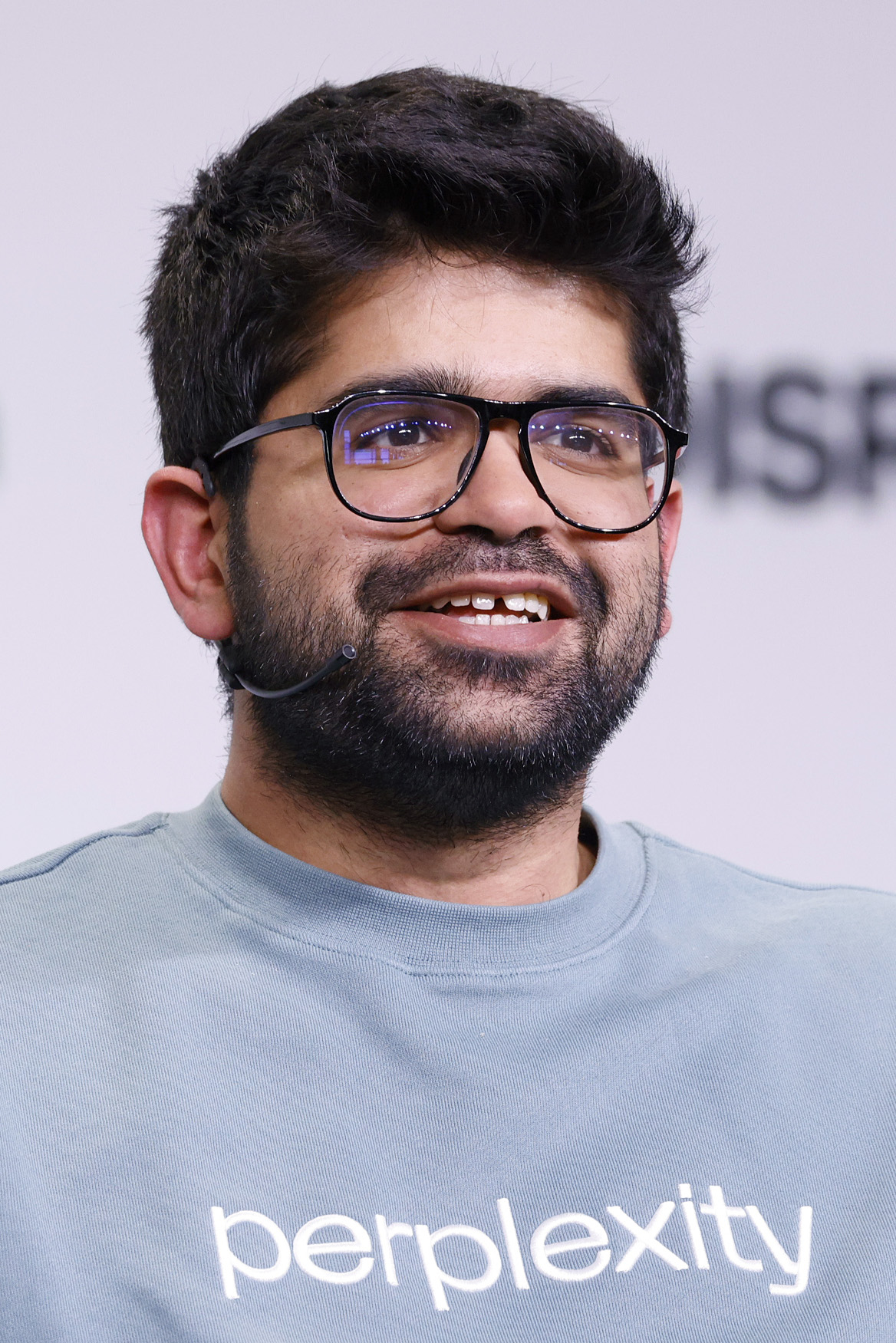 Featured honouree
Aravind Srinivas
Retrieval-grounded search, answer systems and browsing agents · India and United States; globally accessible search and browsing products
Featured honouree
Aravind Srinivas
Retrieval-grounded search, answer systems and browsing agents · India and United States; globally accessible search and browsing products
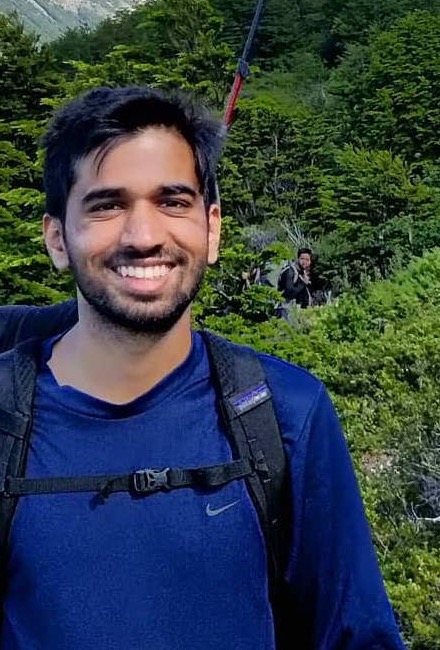 Prafulla Dhariwal
Research scientist and technical leader · India and United States; generative methods deployed through global products and APIs
Connecting Words, Sound and Images in Generative Artificial Intelligence
View profile
Prafulla Dhariwal
Research scientist and technical leader · India and United States; generative methods deployed through global products and APIs
Connecting Words, Sound and Images in Generative Artificial Intelligence
View profile
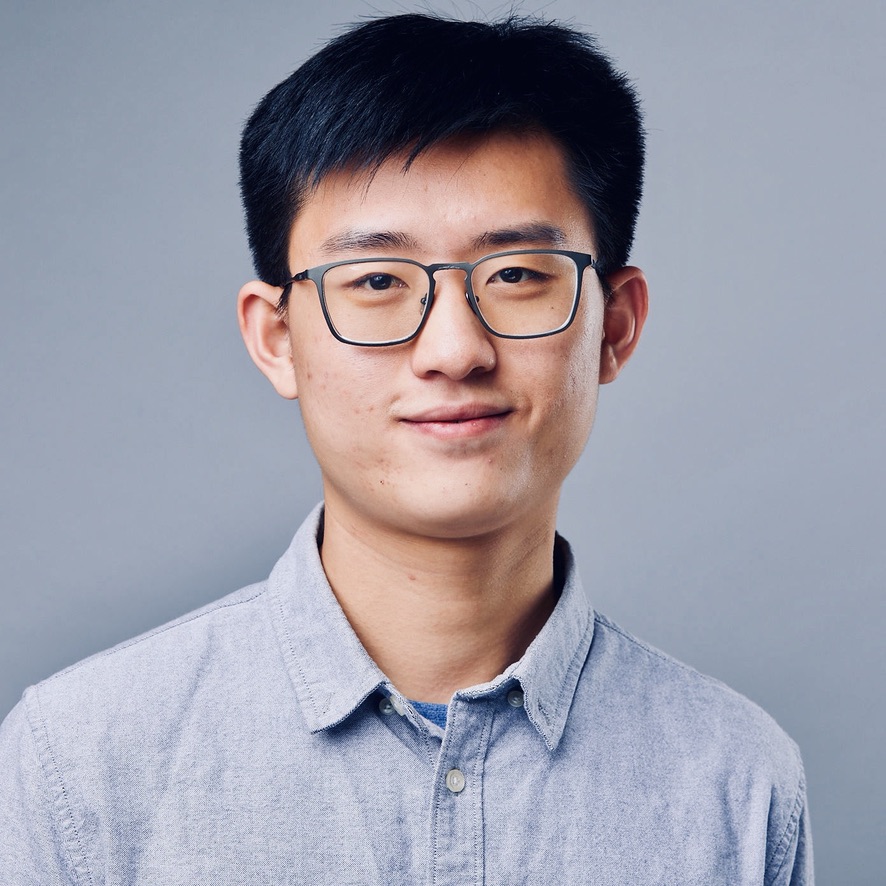 Shunyu Yao
Research scientist and programme leader · China and United States; agent methods and benchmarks used across international laboratories
Turning Language Models Into Deliberate, Tool-Using Agents
View profile
Shunyu Yao
Research scientist and programme leader · China and United States; agent methods and benchmarks used across international laboratories
Turning Language Models Into Deliberate, Tool-Using Agents
View profile
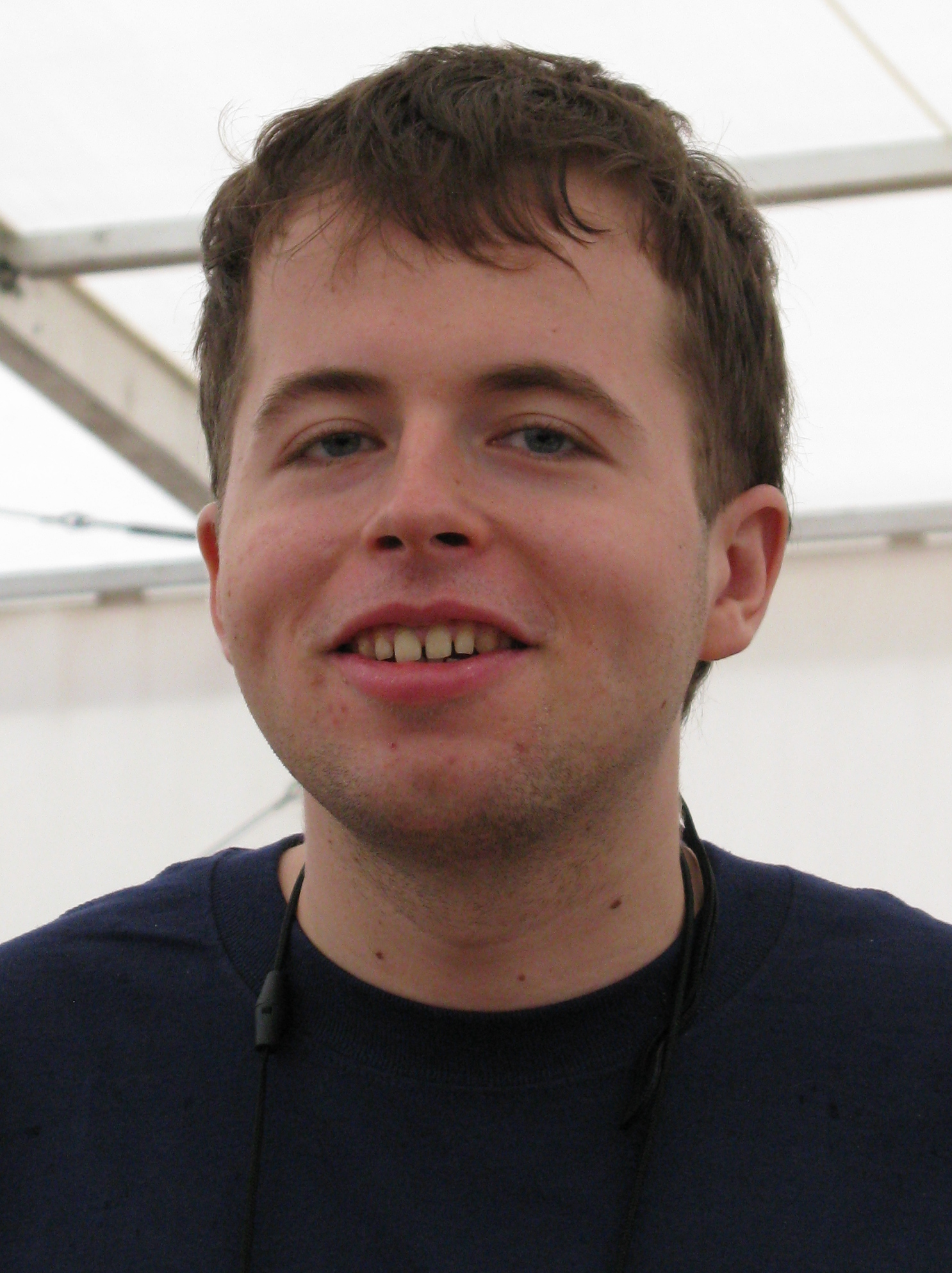 Jakub Pachocki
Scientific leader · Poland and United States; model systems used and examined worldwide
Shaping the Scientific Discipline Behind Frontier Models
View profile
Jakub Pachocki
Scientific leader · Poland and United States; model systems used and examined worldwide
Shaping the Scientific Discipline Behind Frontier Models
View profile
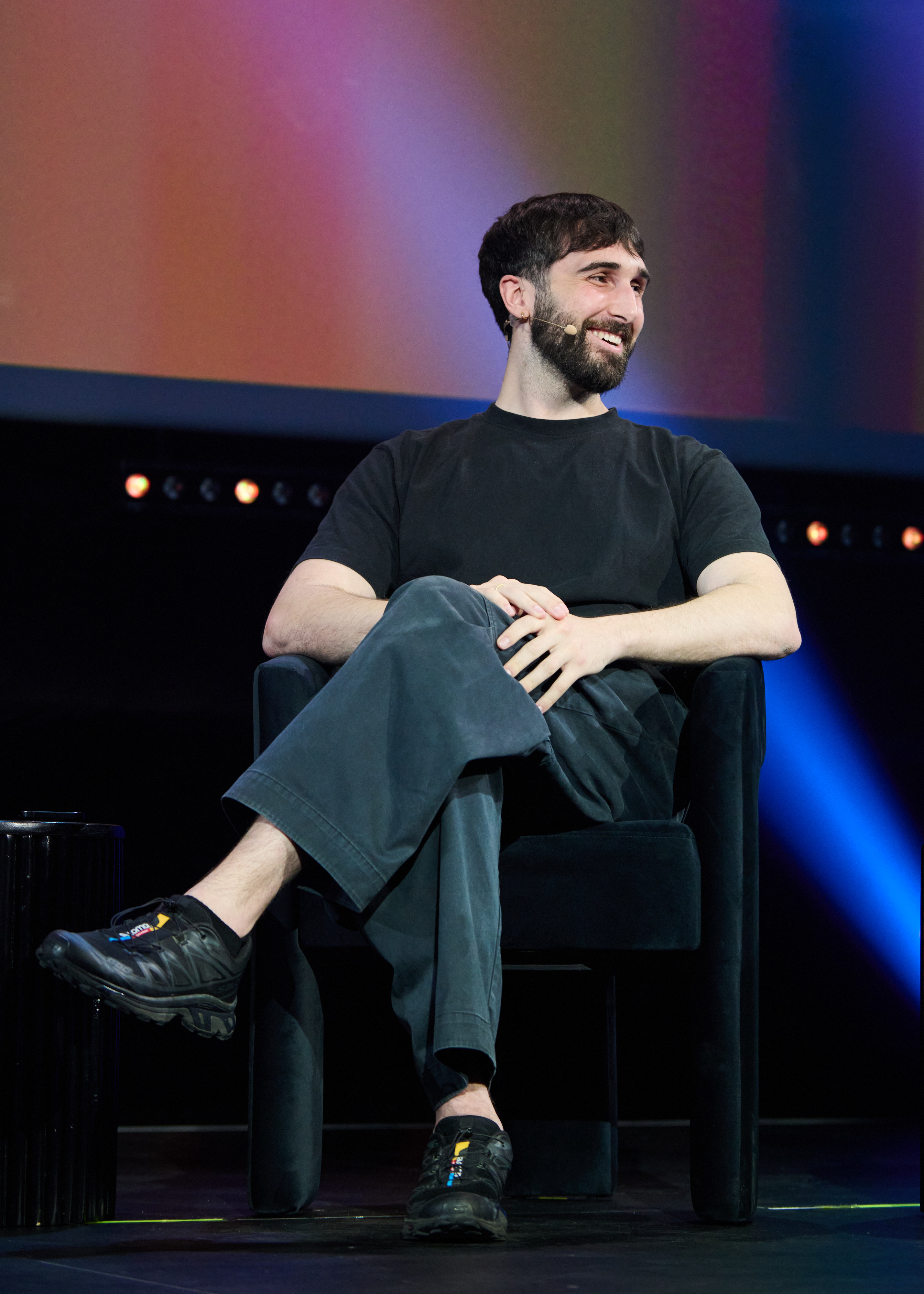 Aidan Gomez
Researcher-founder · Canada and United Kingdom; enterprise systems intended for multinational and sovereign deployment
Turning Transformer Research Into Enterprise Infrastructure
View profile
Aidan Gomez
Researcher-founder · Canada and United Kingdom; enterprise systems intended for multinational and sovereign deployment
Turning Transformer Research Into Enterprise Infrastructure
View profile
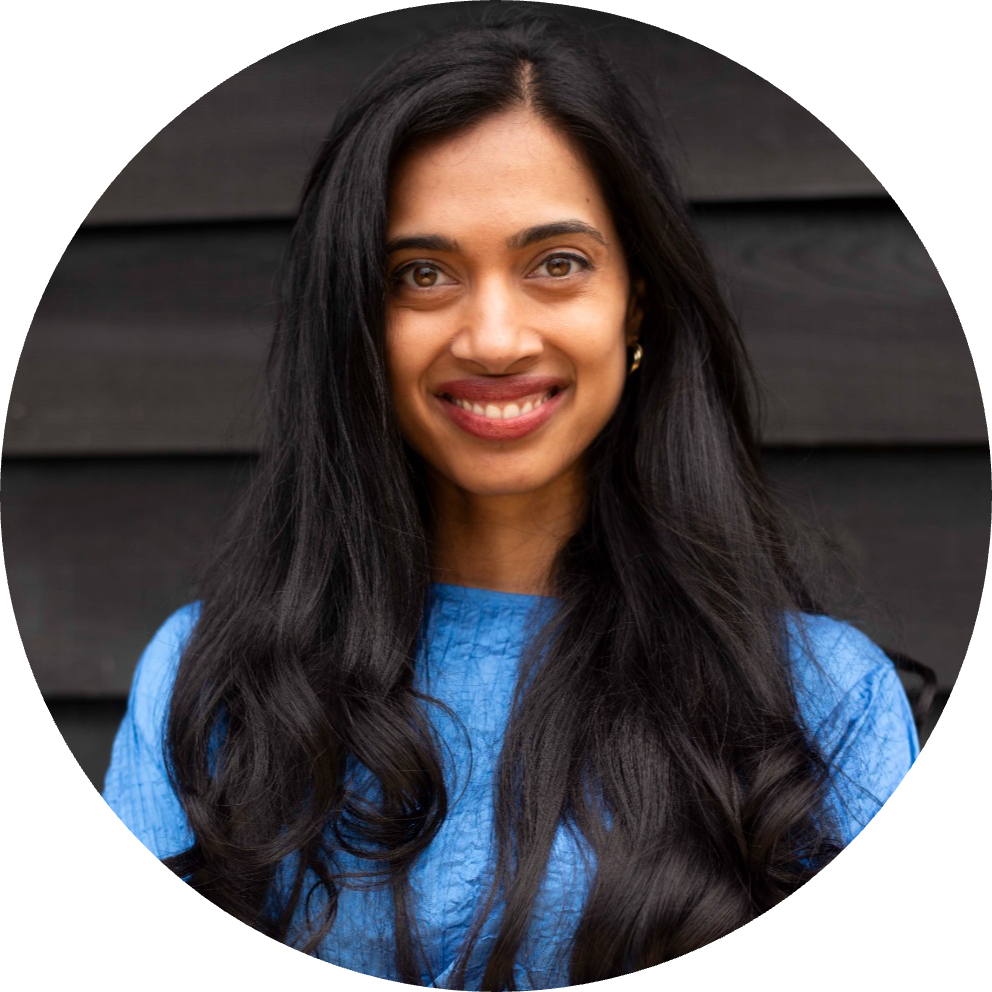 Nikhila Ravi
Technical programme leader · United Kingdom and United States; open computer-vision models used worldwide
Making Visual Segmentation a General-Purpose Capability
View profile
Nikhila Ravi
Technical programme leader · United Kingdom and United States; open computer-vision models used worldwide
Making Visual Segmentation a General-Purpose Capability
View profile
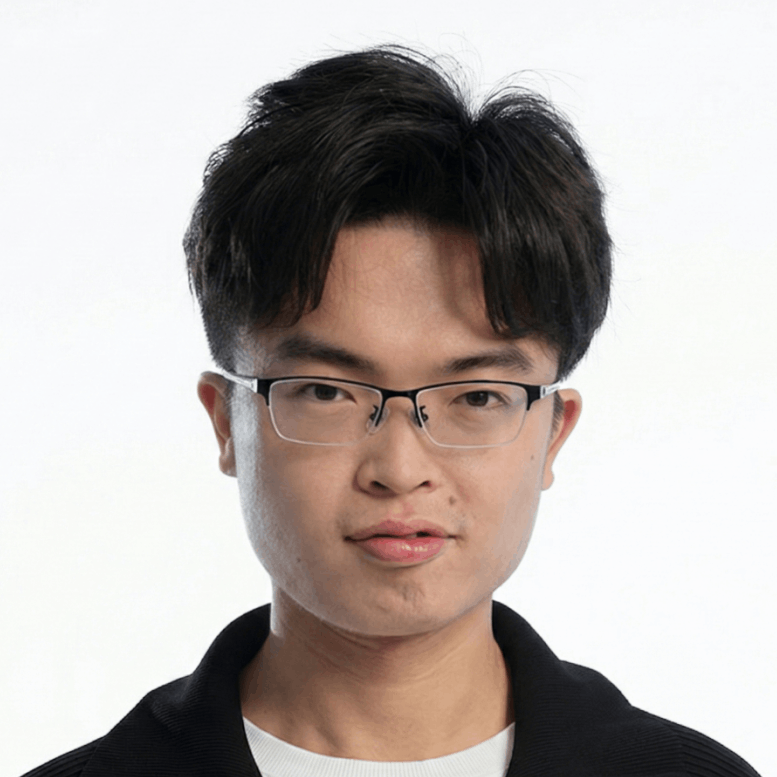 Yang Zhilin
Researcher-founder · China and United States; open model checkpoints used by international developers
Advancing China’s Open Frontier-Model Research
View profile
Yang Zhilin
Researcher-founder · China and United States; open model checkpoints used by international developers
Advancing China’s Open Frontier-Model Research
View profile
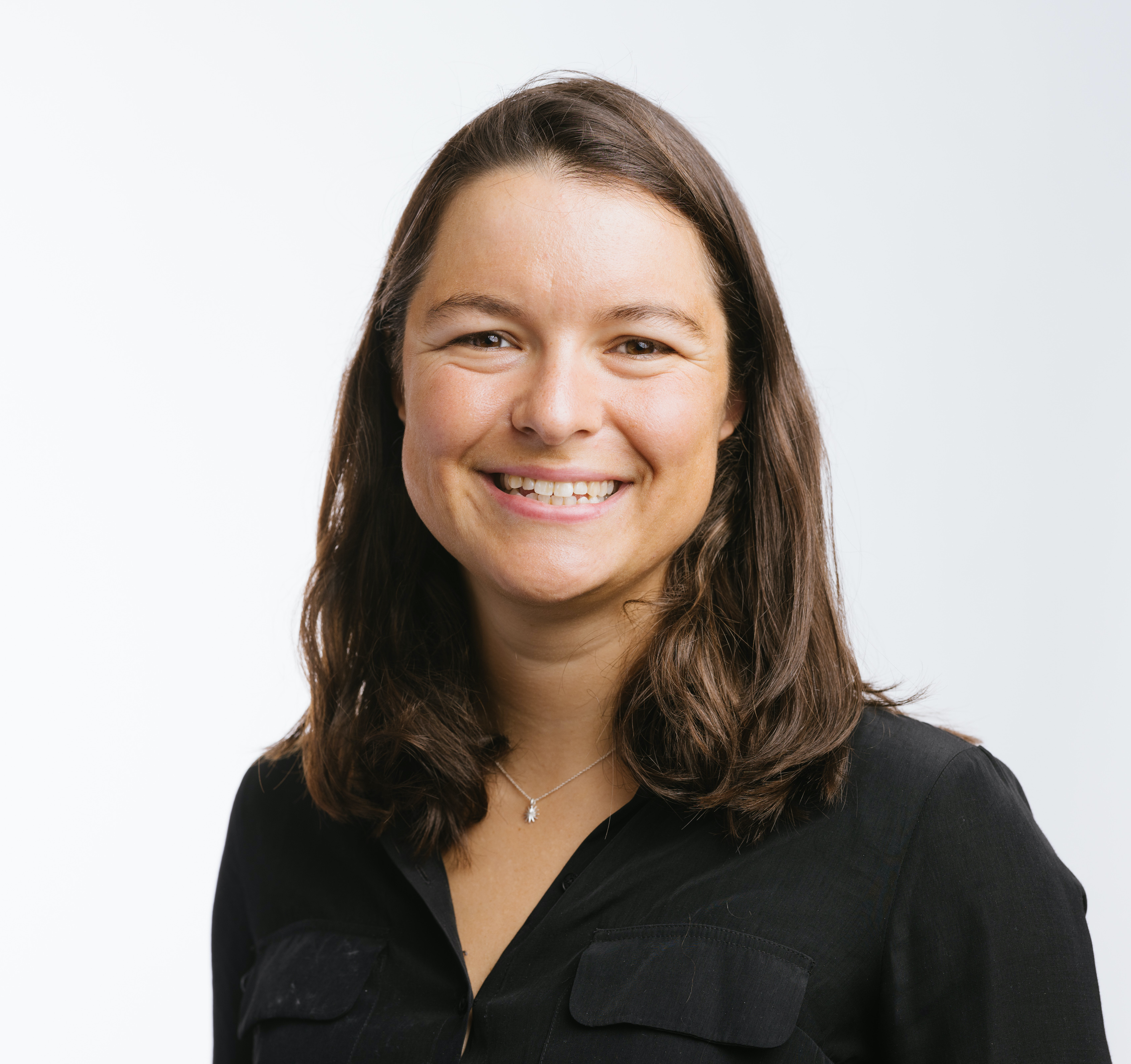 Chelsea Finn
Academic researcher and company co-founder · United States; methods used across international robotics and machine-learning research
Teaching Robots to Generalise Beyond Demonstration
View profile
Chelsea Finn
Academic researcher and company co-founder · United States; methods used across international robotics and machine-learning research
Teaching Robots to Generalise Beyond Demonstration
View profile
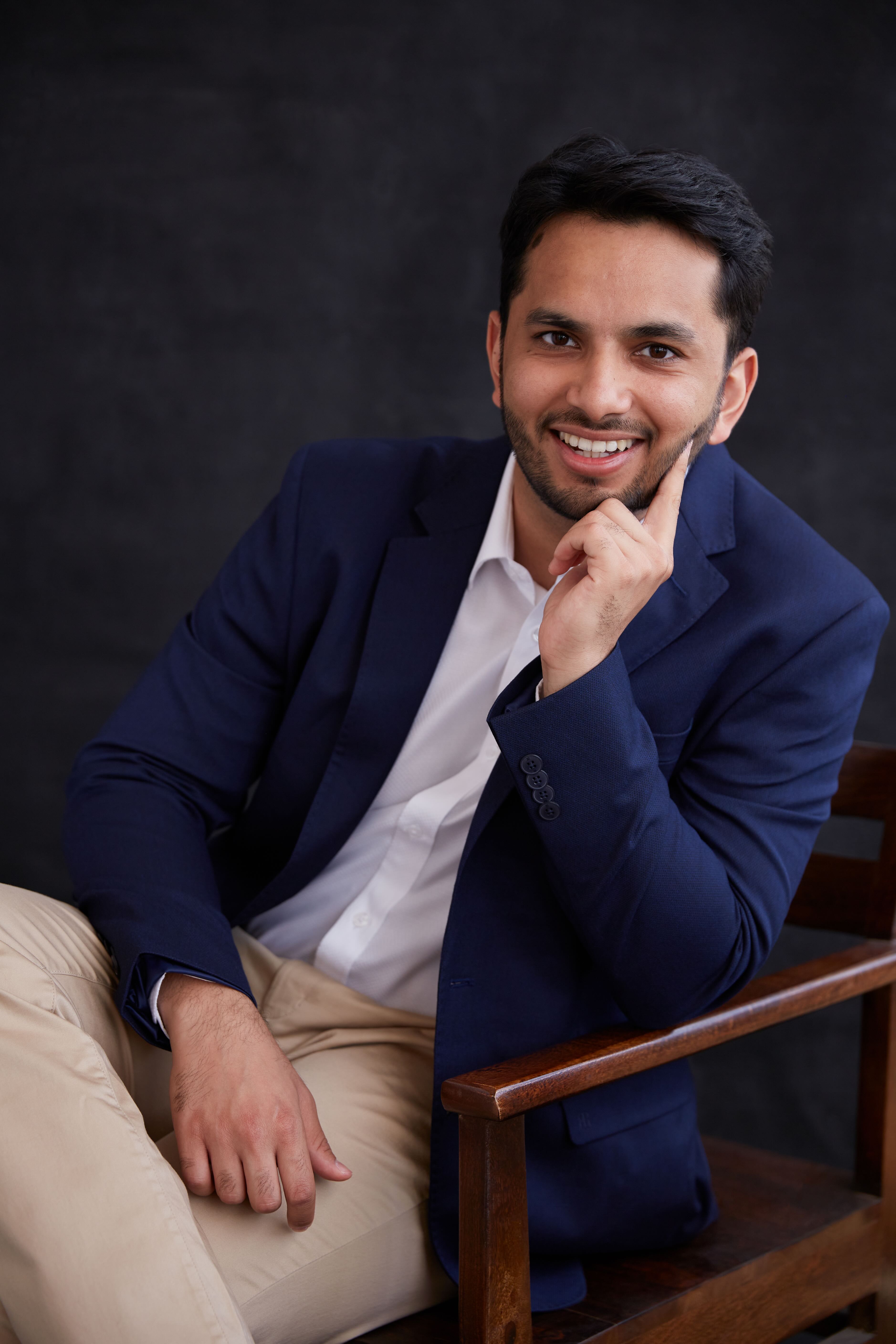 Pranav Rajpurkar
Academic researcher and laboratory leader · India and United States; medical-AI research with international clinical relevance
Designing Medical Artificial Intelligence Around Clinical Reality
View profile
Pranav Rajpurkar
Academic researcher and laboratory leader · India and United States; medical-AI research with international clinical relevance
Designing Medical Artificial Intelligence Around Clinical Reality
View profile
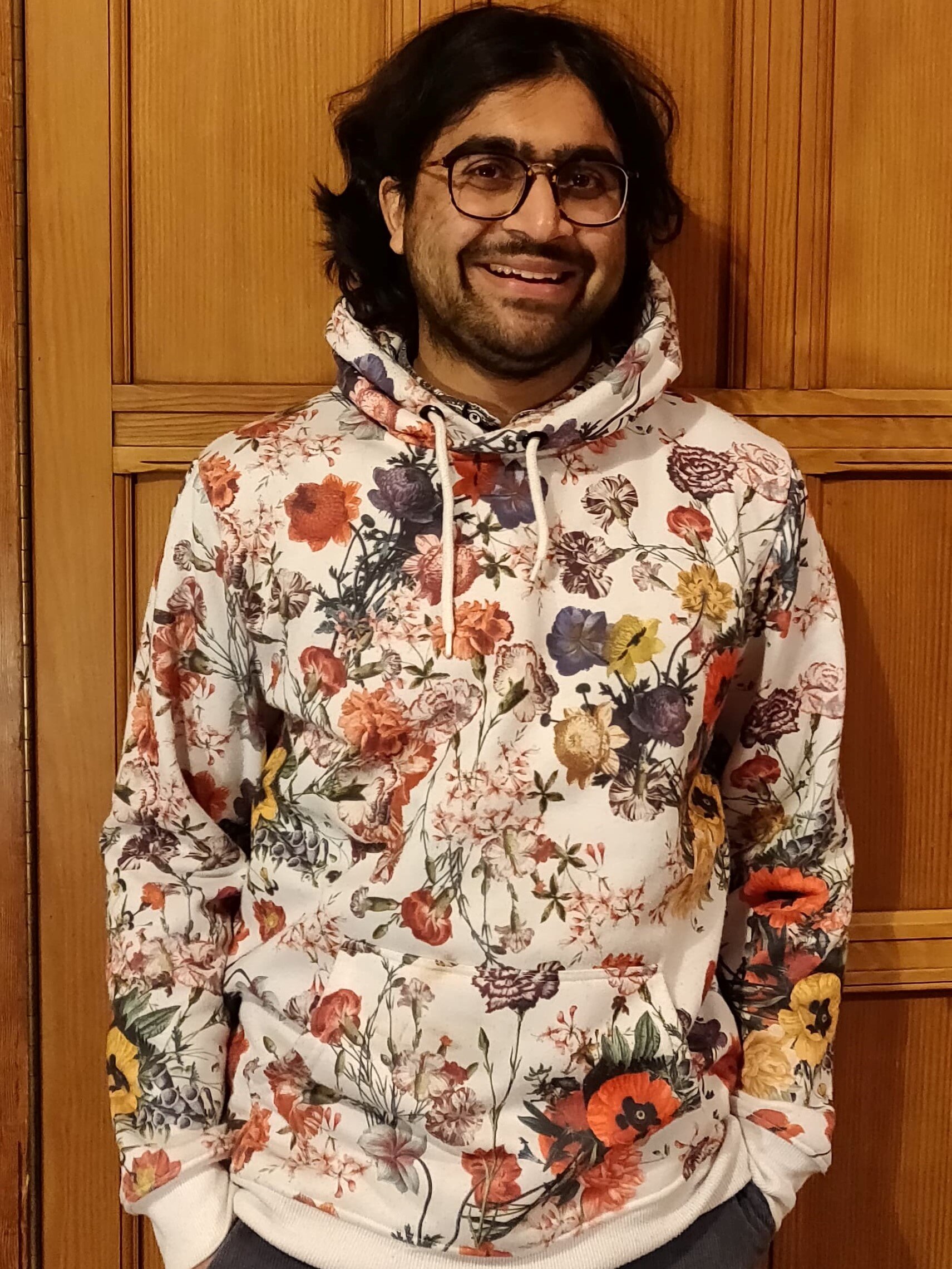 Neel Nanda
Research leader and open-tool builder · United Kingdom and United States; open interpretability tools used worldwide
Opening the Black Box of Language Models
View profile
Neel Nanda
Research leader and open-tool builder · United Kingdom and United States; open interpretability tools used worldwide
Opening the Black Box of Language Models
View profile
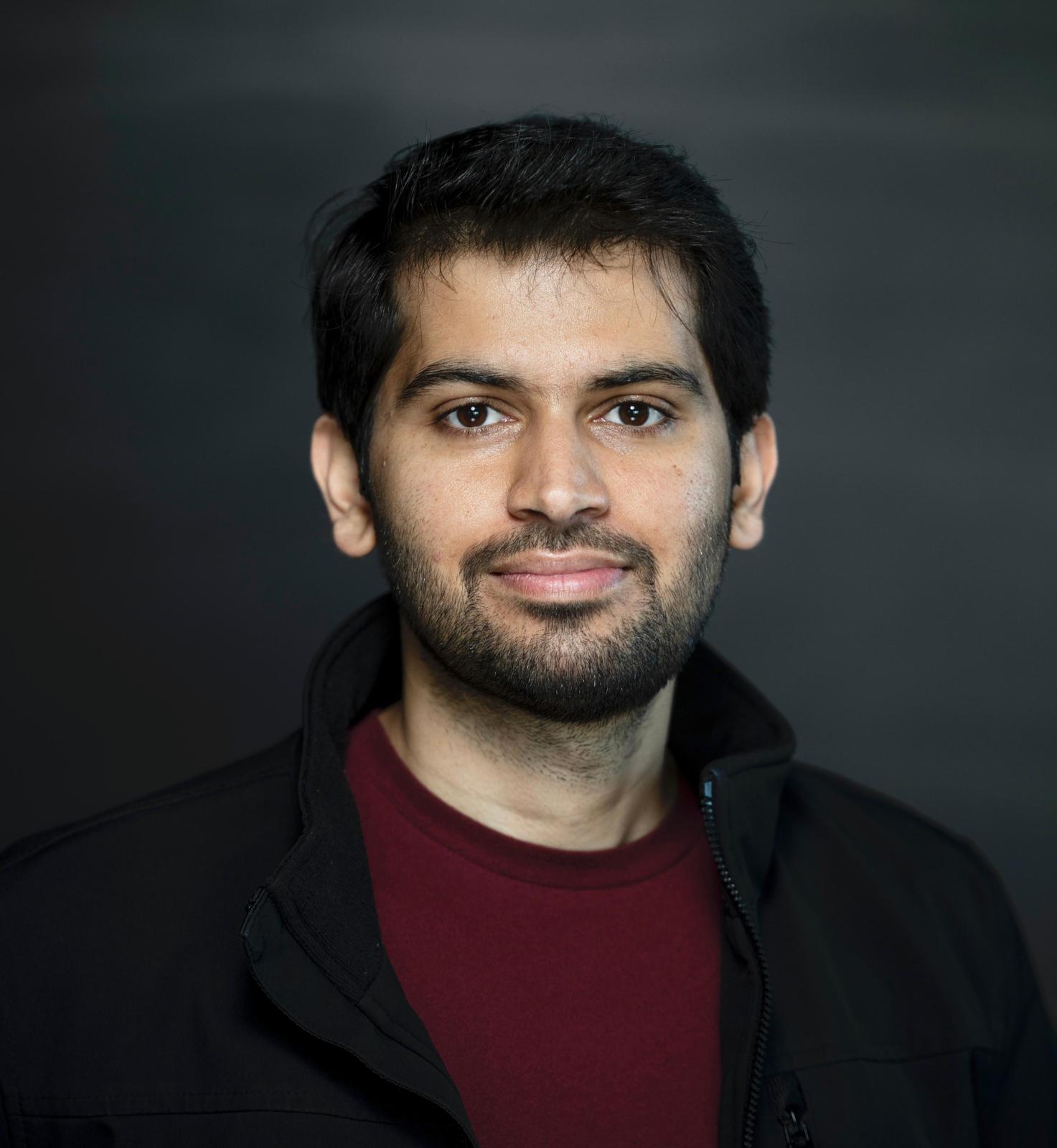 Deepak Pathak
Academic researcher and founder · India and United States; open robotics research and industrial embodiment programme
Building General-Purpose Intelligence for Physical Machines
View profile
Deepak Pathak
Academic researcher and founder · India and United States; open robotics research and industrial embodiment programme
Building General-Purpose Intelligence for Physical Machines
View profile
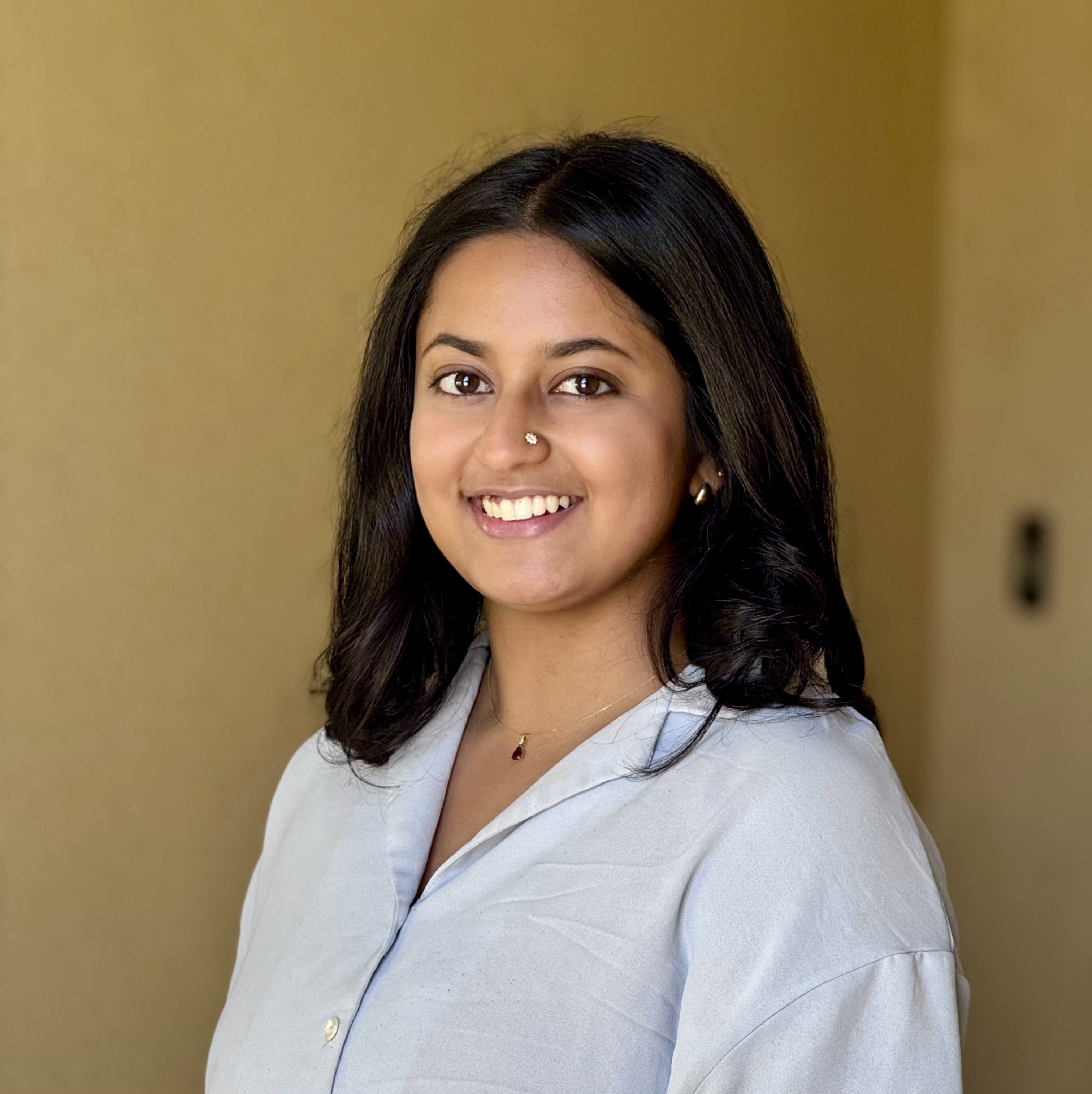 Shreya Shankar
Systems researcher and open-source builder · India and United States; open document-processing infrastructure available internationally
Building the Data Layer for Unstructured Intelligence
View profile
Shreya Shankar
Systems researcher and open-source builder · India and United States; open document-processing infrastructure available internationally
Building the Data Layer for Unstructured Intelligence
View profile
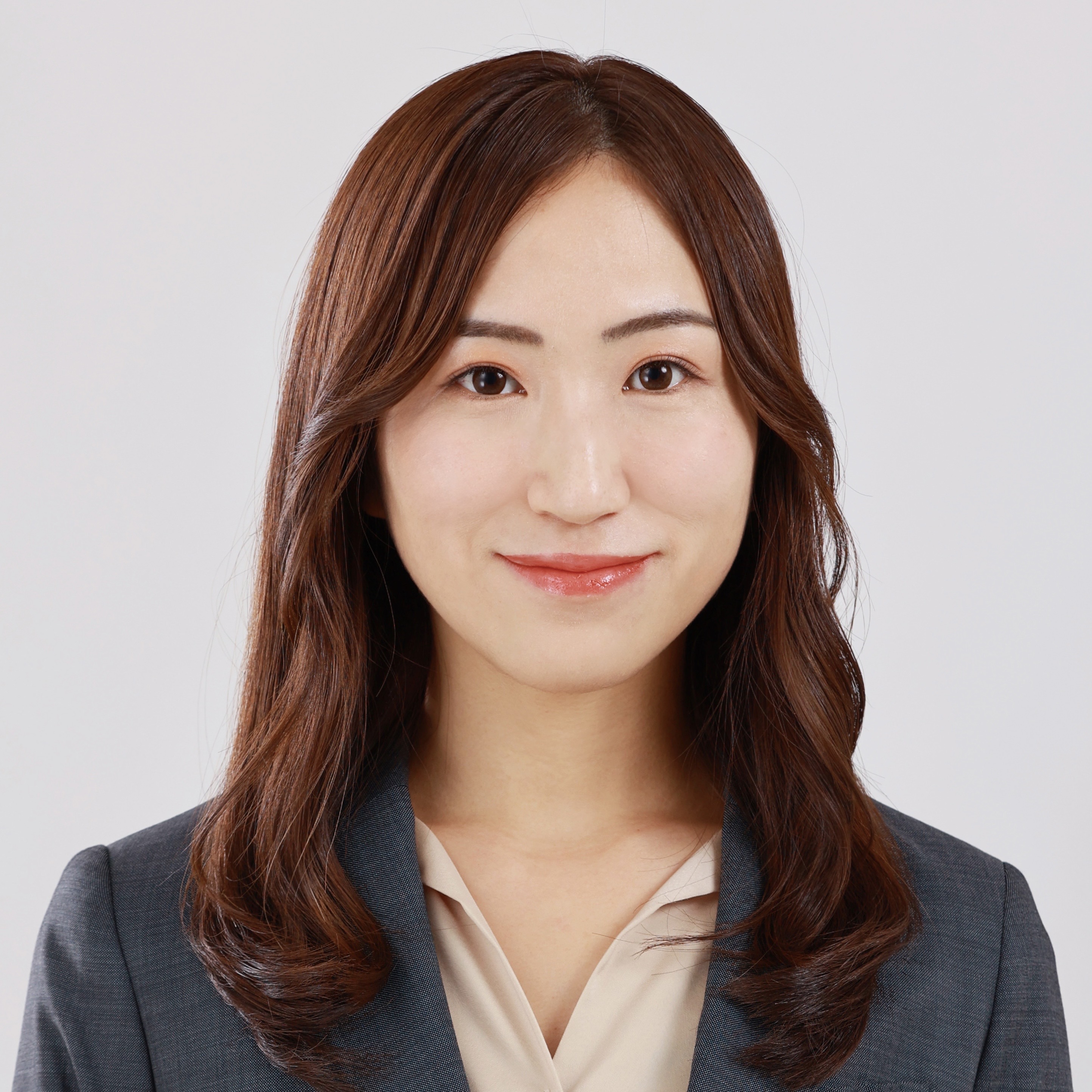 Akari Asai
Research scientist and incoming academic · Japan and United States; open research systems intended for worldwide scientific use
Building Open Systems for Evidence-Grounded Machine Intelligence
View profile
Akari Asai
Research scientist and incoming academic · Japan and United States; open research systems intended for worldwide scientific use
Building Open Systems for Evidence-Grounded Machine Intelligence
View profile
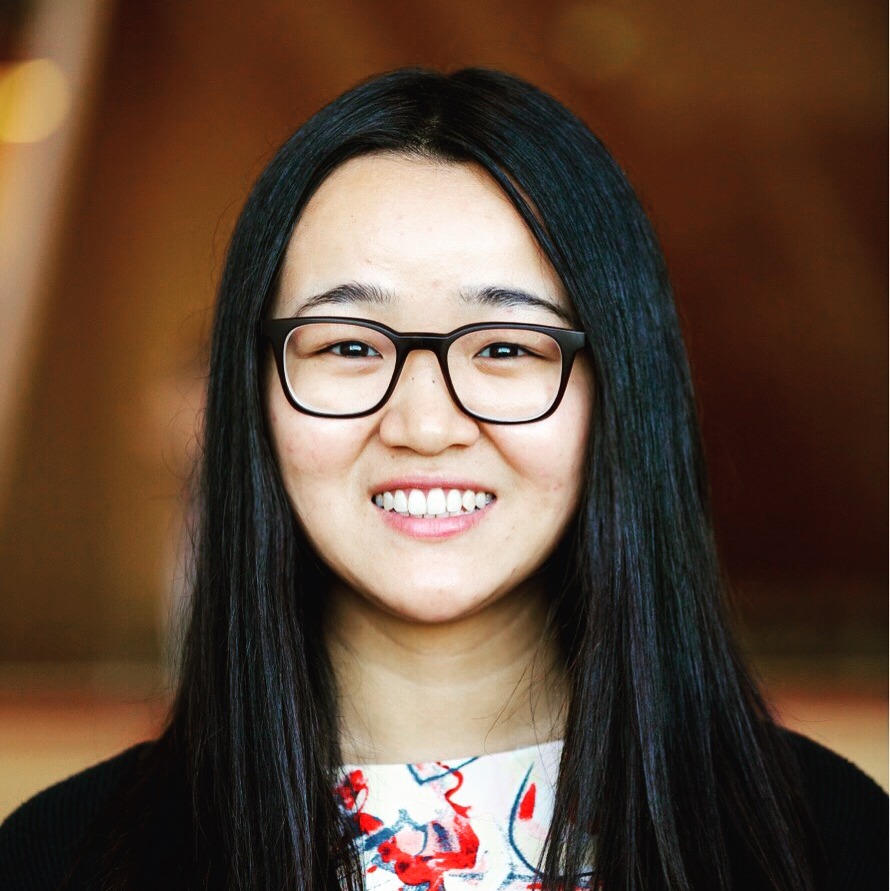 Diyi Yang
Academic researcher and laboratory leader · China and United States; human-centred language research with international methodological relevance
Teaching Machines to Read the Human Situation
View profile
Diyi Yang
Academic researcher and laboratory leader · China and United States; human-centred language research with international methodological relevance
Teaching Machines to Read the Human Situation
View profile
 Aengus Tran
Physician-founder and operating leader · Vietnam-born, Australia-based physician-founder with deployments reported across more than 40 countries
Rebuilding Clinical Imaging Around Specialist Artificial Intelligence
View profile
Aengus Tran
Physician-founder and operating leader · Vietnam-born, Australia-based physician-founder with deployments reported across more than 40 countries
Rebuilding Clinical Imaging Around Specialist Artificial Intelligence
View profile
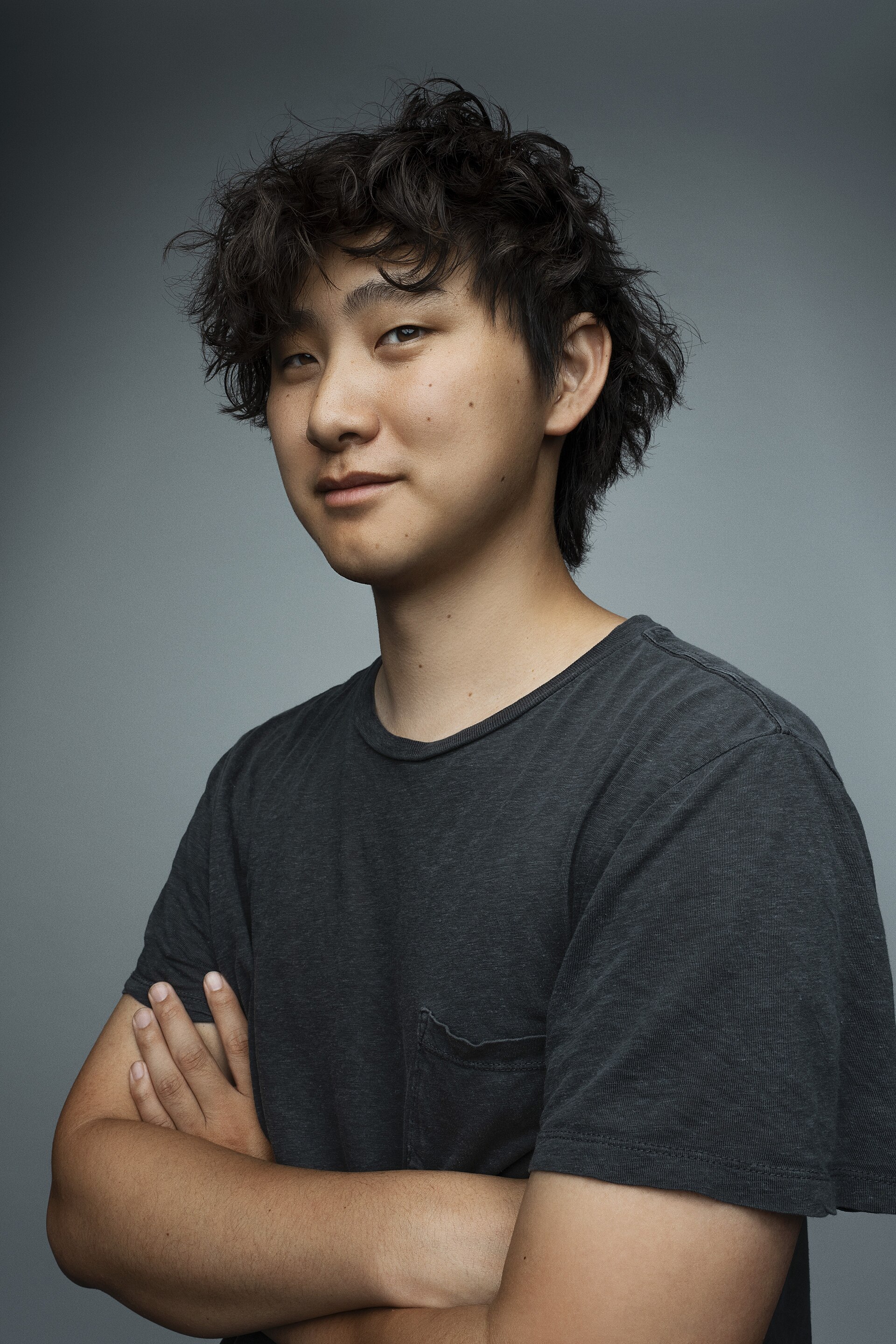 Alexandr Wang
Founder and institutional leader · United States; data, evaluation and frontier-model infrastructure with global commercial and public-sector reach
Commanding One of Artificial Intelligence’s Largest Institutional Rebuilds
View profile
Alexandr Wang
Founder and institutional leader · United States; data, evaluation and frontier-model infrastructure with global commercial and public-sector reach
Commanding One of Artificial Intelligence’s Largest Institutional Rebuilds
View profile
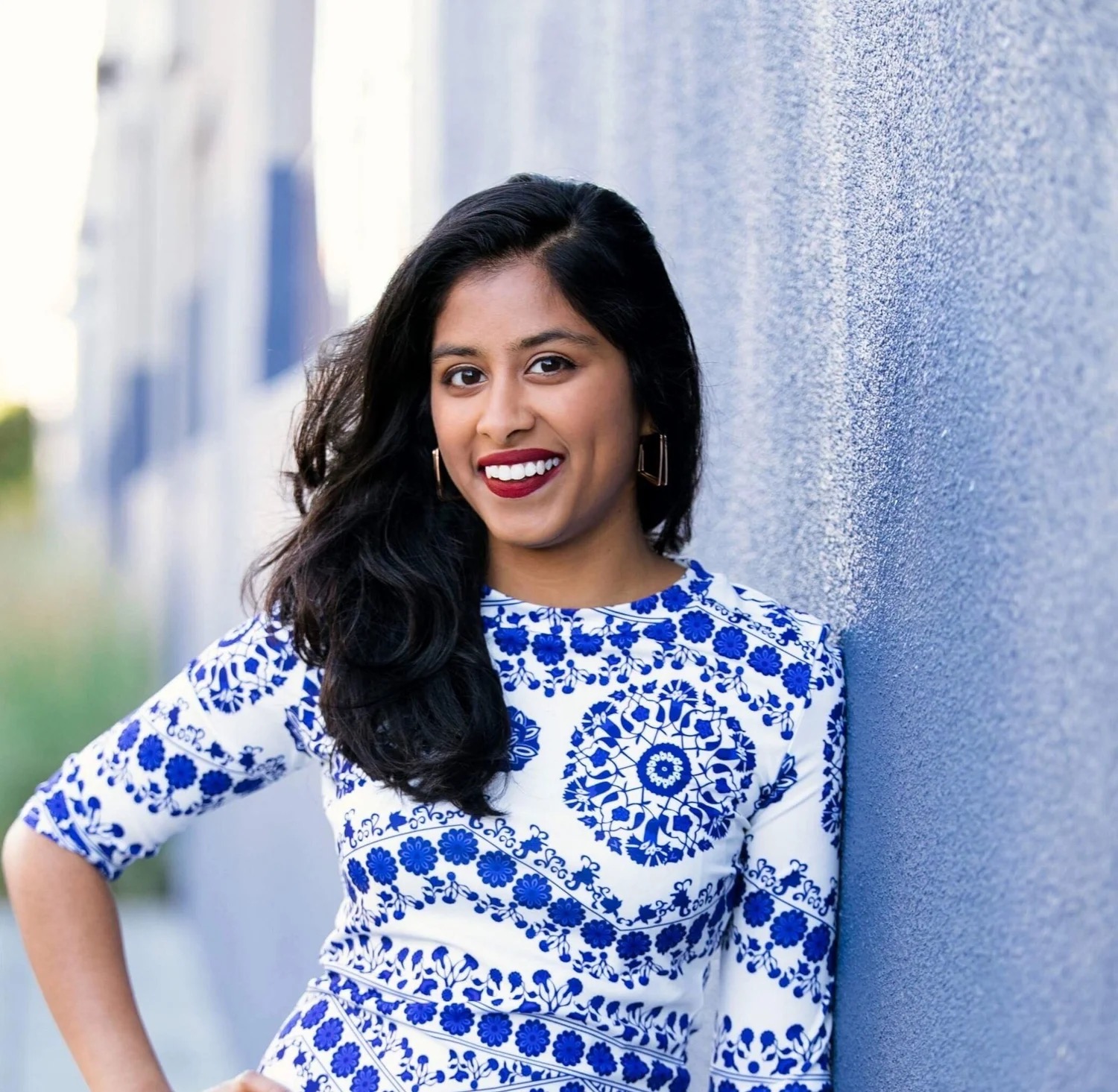 Aparna Dhinakaran
Technical founder and product leader · India and United States; open observability infrastructure used across global developer ecosystems
Building the Evidence Layer Behind Reliable Artificial Intelligence
View profile
Aparna Dhinakaran
Technical founder and product leader · India and United States; open observability infrastructure used across global developer ecosystems
Building the Evidence Layer Behind Reliable Artificial Intelligence
View profile
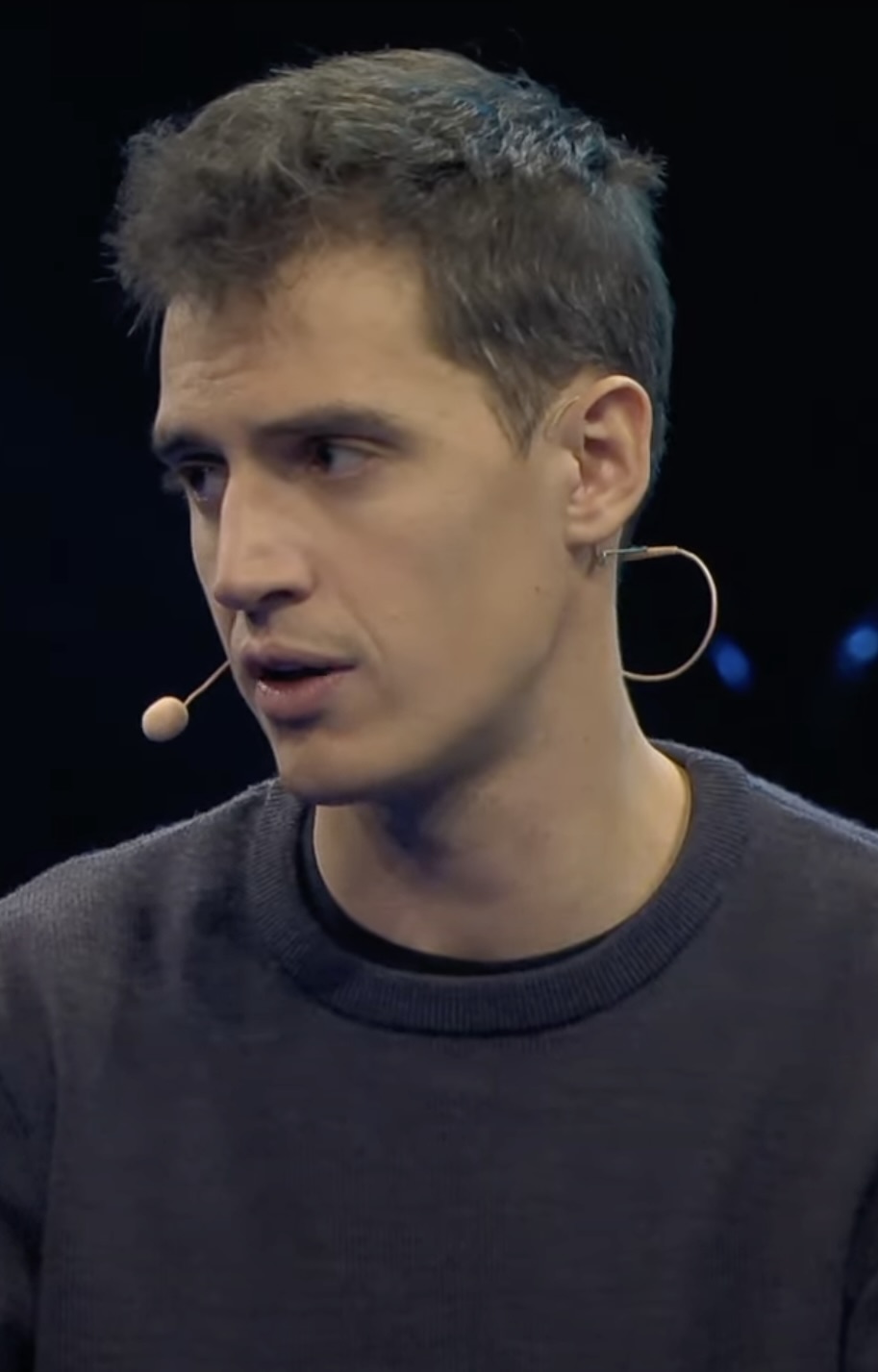 Arthur Mensch
Researcher-founder · France and the European Union; models and infrastructure distributed internationally
Building Europe’s Independent Frontier Artificial Intelligence Stack
View profile
Arthur Mensch
Researcher-founder · France and the European Union; models and infrastructure distributed internationally
Building Europe’s Independent Frontier Artificial Intelligence Stack
View profile
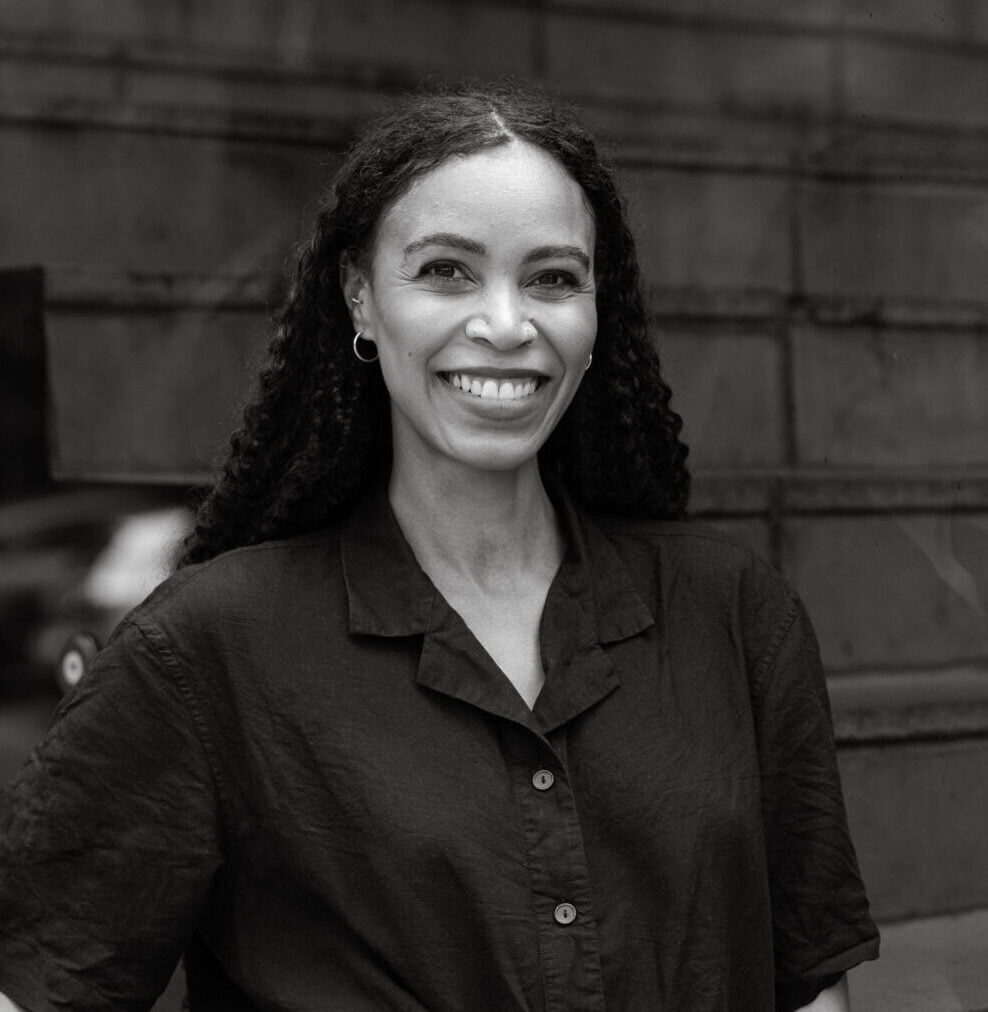 Pelonomi Moiloa
Technical founder and data-governance innovator · South Africa and Japan; community-governed language technology with international research participation
Building Language Artificial Intelligence That Returns Power to Its Speakers
View profile
Pelonomi Moiloa
Technical founder and data-governance innovator · South Africa and Japan; community-governed language technology with international research participation
Building Language Artificial Intelligence That Returns Power to Its Speakers
View profile
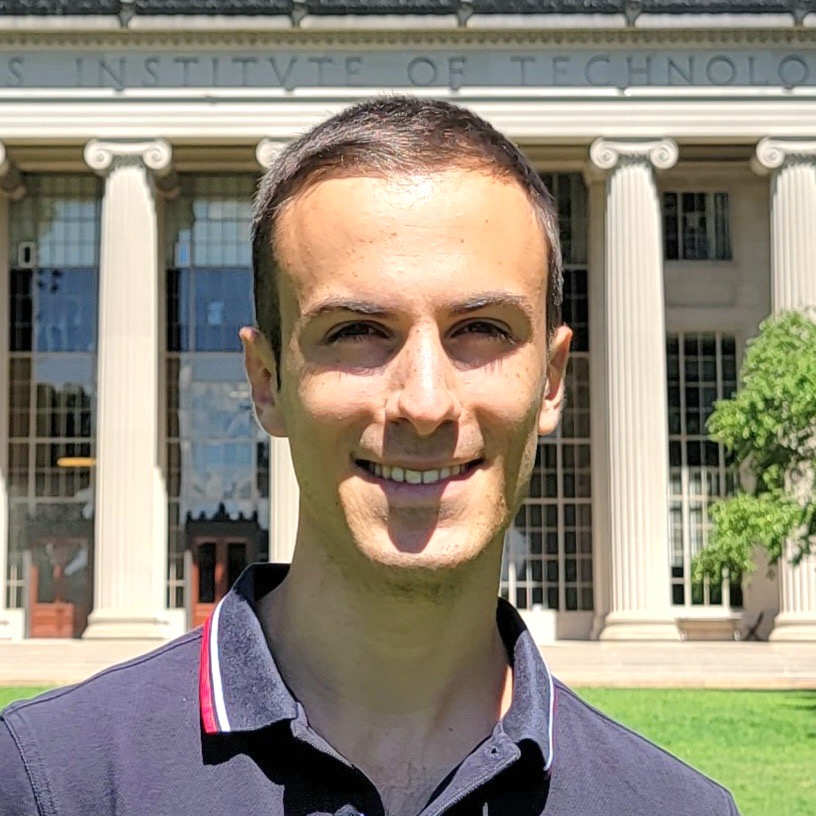 Gabriele Corso
Researcher-founder · Italy, United Kingdom and United States; open biomolecular models available internationally
Keeping the Molecular Artificial Intelligence Frontier Open
View profile
Gabriele Corso
Researcher-founder · Italy, United Kingdom and United States; open biomolecular models available internationally
Keeping the Molecular Artificial Intelligence Frontier Open
View profile
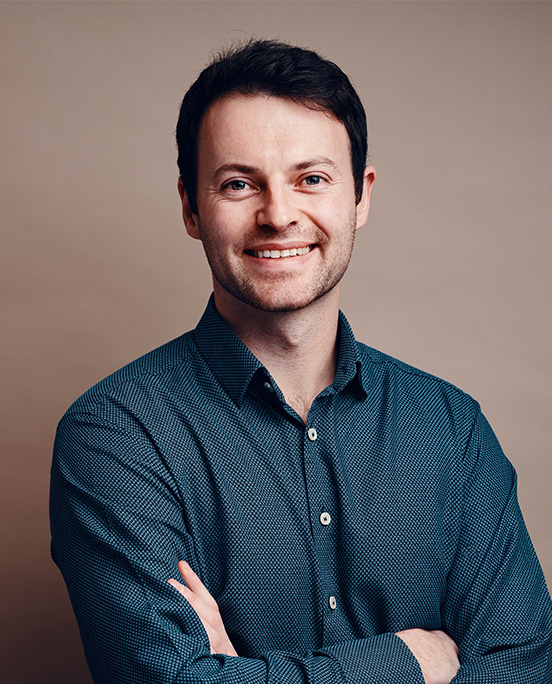 Alex Kendall
Founder and robotics researcher · New Zealand and United Kingdom; automotive programmes across Europe, North America and Japan
Taking End-to-End Driving AI Into Production
View profile
Alex Kendall
Founder and robotics researcher · New Zealand and United Kingdom; automotive programmes across Europe, North America and Japan
Taking End-to-End Driving AI Into Production
View profile
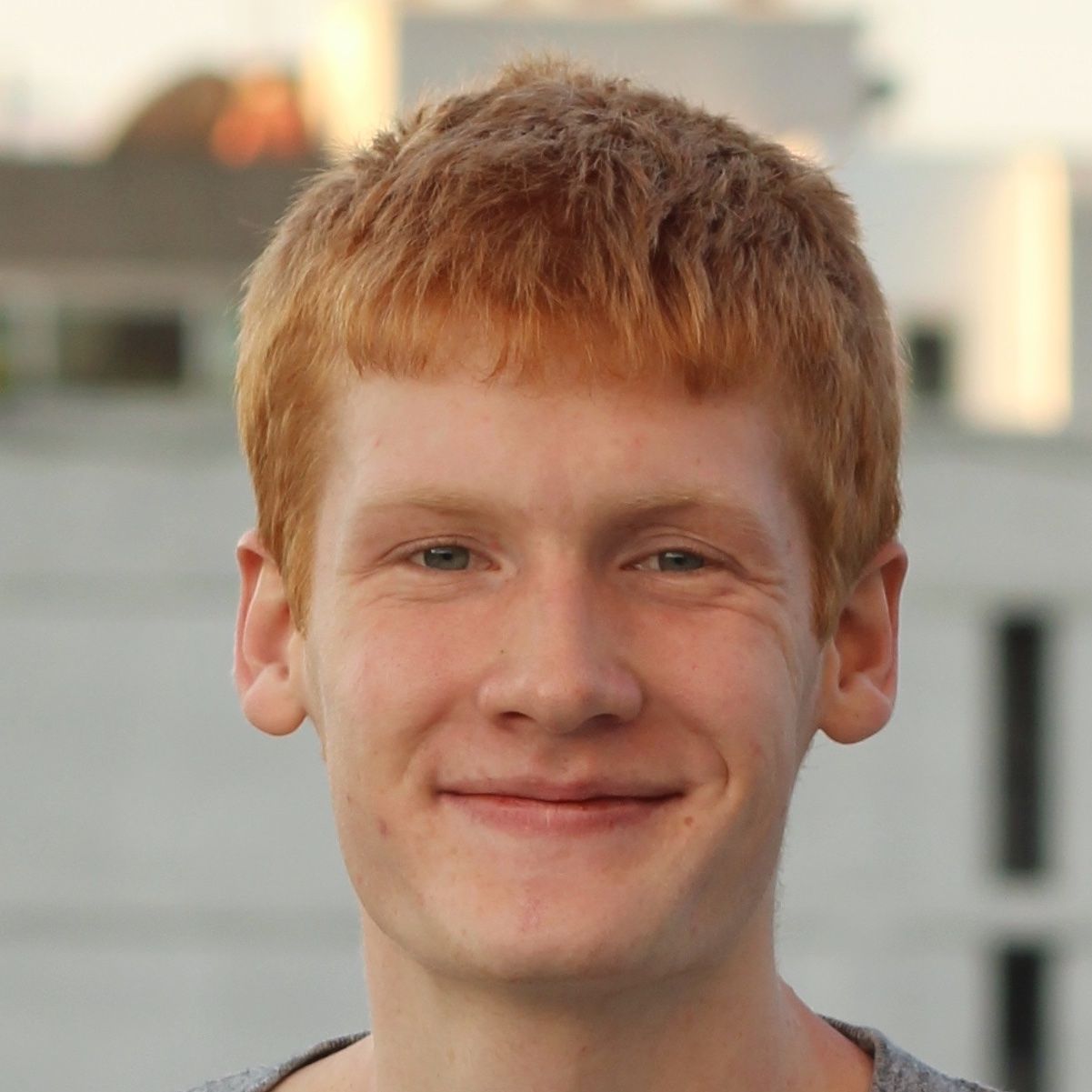 Michael Truell
Technical founder and product leader · United States; development environment used by engineering teams internationally
Redesigning Software Work Around Autonomous Agents
View profile
Michael Truell
Technical founder and product leader · United States; development environment used by engineering teams internationally
Redesigning Software Work Around Autonomous Agents
View profile
 Luo Fuli
Technical programme leader · China; open model releases intended for international research and developer use
Assembling China’s Next Open Model Platform
View profile
Luo Fuli
Technical programme leader · China; open model releases intended for international research and developer use
Assembling China’s Next Open Model Platform
View profile
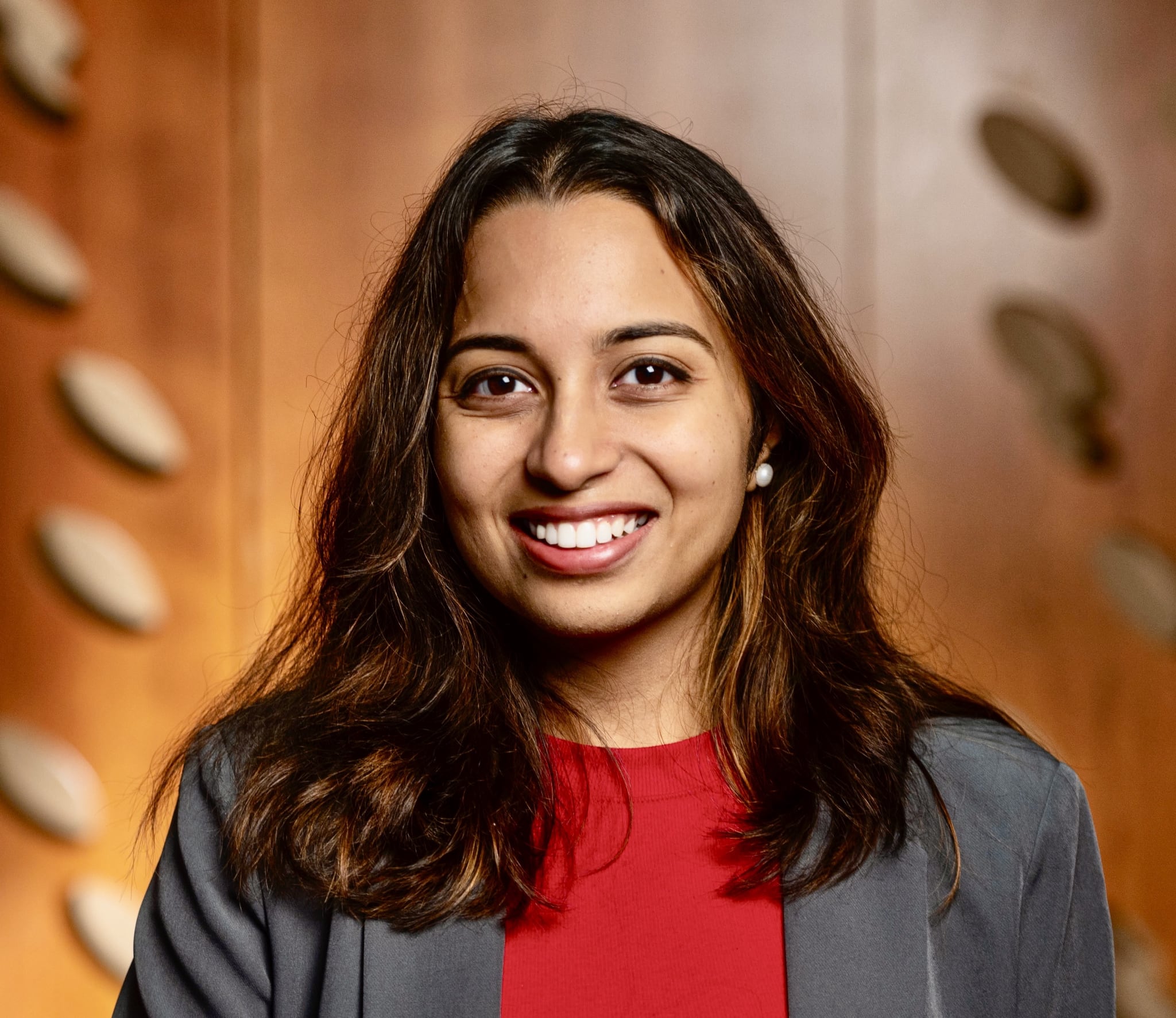 Aditi Raghunathan
Academic researcher · India and United States; foundational research released through international conferences
Redrawing the Limits of Reliable Model Learning
View profile
Aravind Srinivas
Researcher-founder · India and United States; globally accessible search and browsing products
Recasting Search as a Conversational Answering System
View profile
Aditi Raghunathan
Academic researcher · India and United States; foundational research released through international conferences
Redrawing the Limits of Reliable Model Learning
View profile
Aravind Srinivas
Researcher-founder · India and United States; globally accessible search and browsing products
Recasting Search as a Conversational Answering System
View profile
 Jade Leung
Government technical leader · Hong Kong, New Zealand and the United Kingdom; government frontier-model evaluation
Building Government Capacity to Test Frontier AI Before Deployment
View profile
Jade Leung
Government technical leader · Hong Kong, New Zealand and the United Kingdom; government frontier-model evaluation
Building Government Capacity to Test Frontier AI Before Deployment
View profile
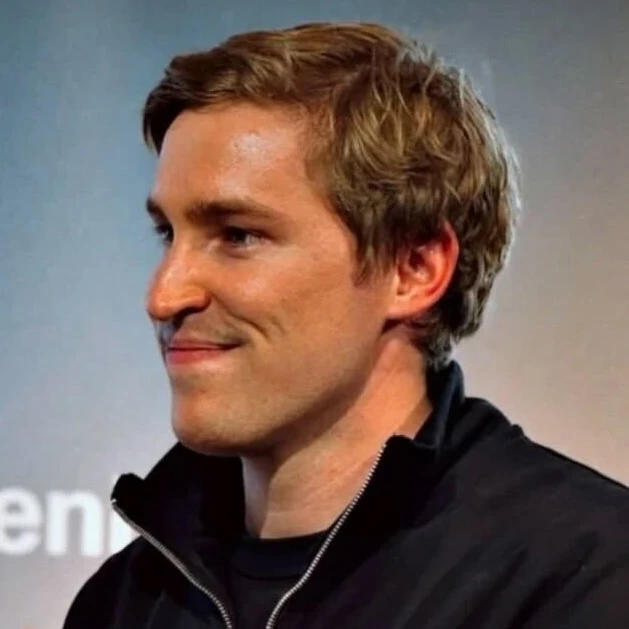 Mati Staniszewski
Founder and operating leader · Poland, United Kingdom and United States; multilingual audio products used internationally
Giving Artificial Intelligence a Multilingual Human Voice
View profile
Mati Staniszewski
Founder and operating leader · Poland, United Kingdom and United States; multilingual audio products used internationally
Giving Artificial Intelligence a Multilingual Human Voice
View profile
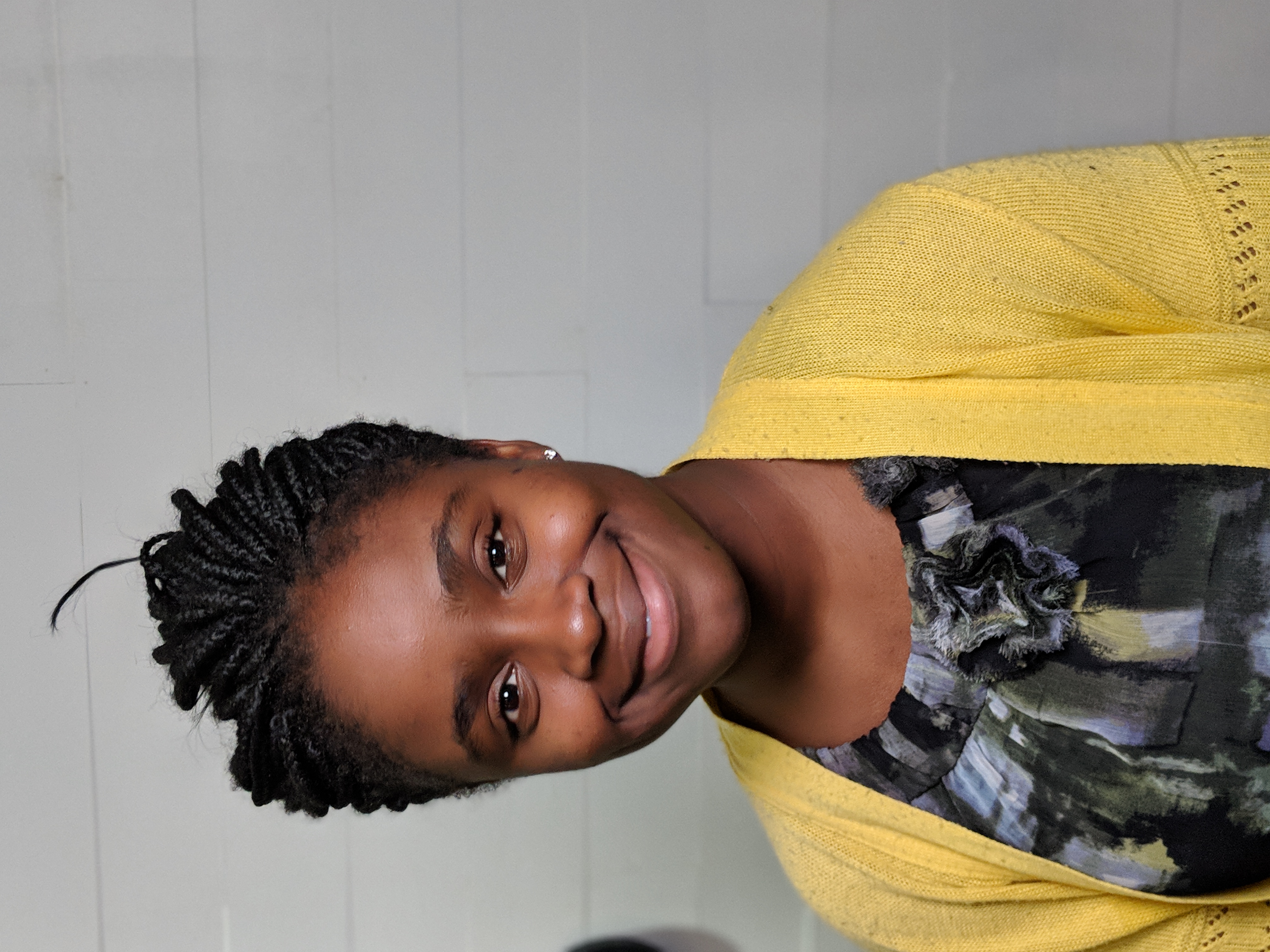 Inioluwa Deborah Raji
Accountability researcher · Nigerian-Canadian researcher working in the United States across technical and civil-rights institutions
Making Algorithmic Accountability Work Beyond the Laboratory
View profile
Inioluwa Deborah Raji
Accountability researcher · Nigerian-Canadian researcher working in the United States across technical and civil-rights institutions
Making Algorithmic Accountability Work Beyond the Laboratory
View profile
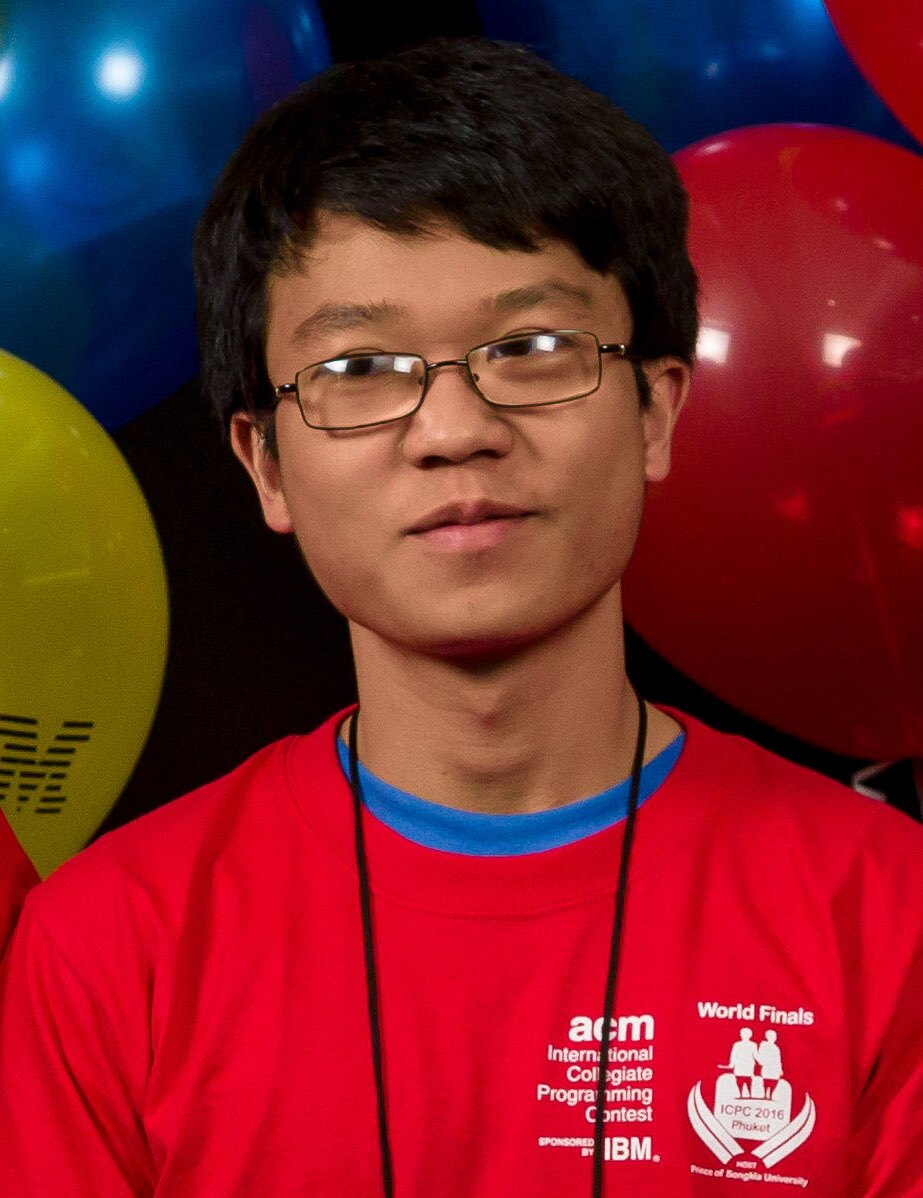 Scott Wu
Technical founder and operating leader · United States; cloud software agents used by engineering organisations internationally
Testing How Far Software Agents Can Go
View profile
Scott Wu
Technical founder and operating leader · United States; cloud software agents used by engineering organisations internationally
Testing How Far Software Agents Can Go
View profile
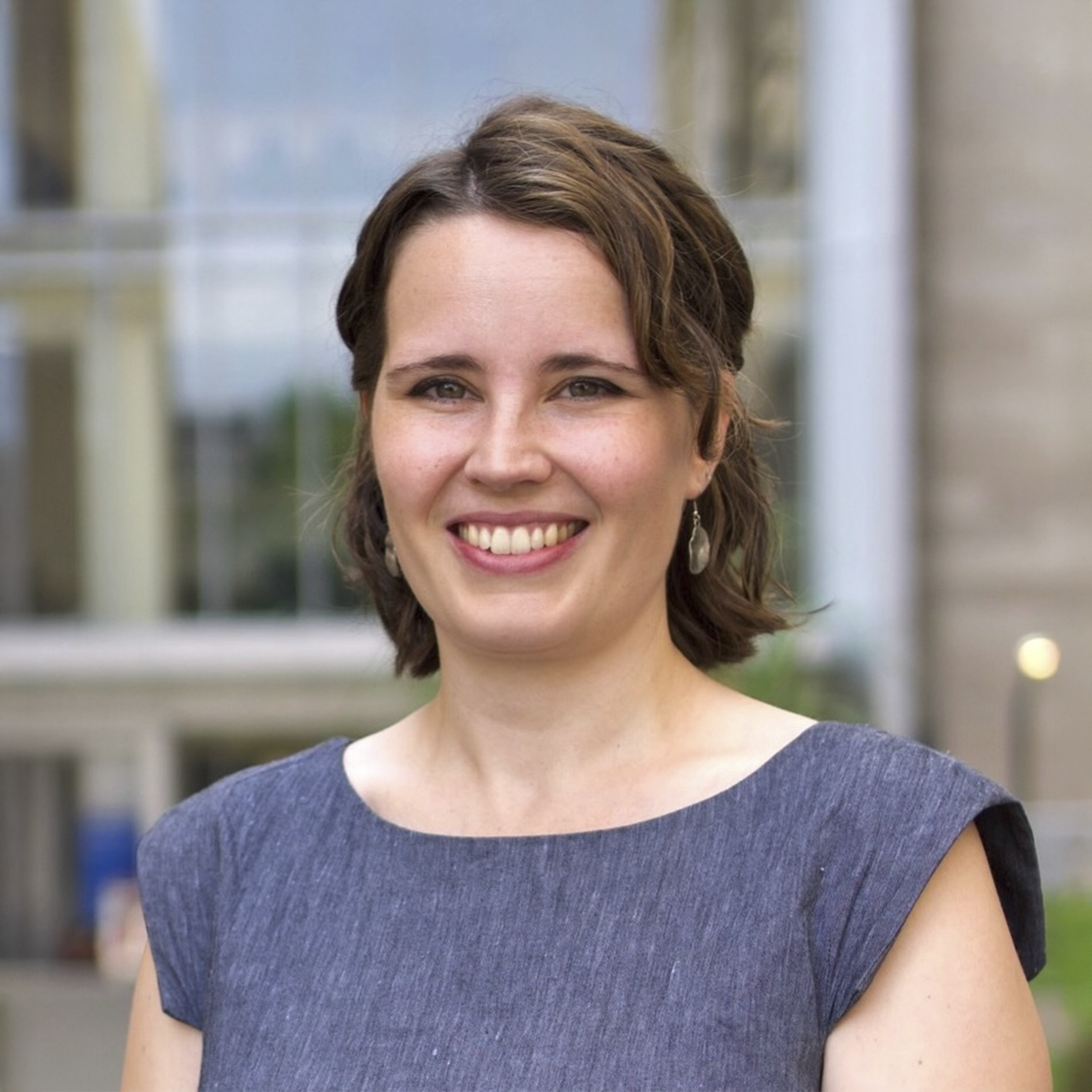 Helen Toner
Policy research leader · Australia, China and the United States; frontier-AI scrutiny and security policy
Building the Case for Independent Scrutiny of Frontier AI
View profile
Helen Toner
Policy research leader · Australia, China and the United States; frontier-AI scrutiny and security policy
Building the Case for Independent Scrutiny of Frontier AI
View profile
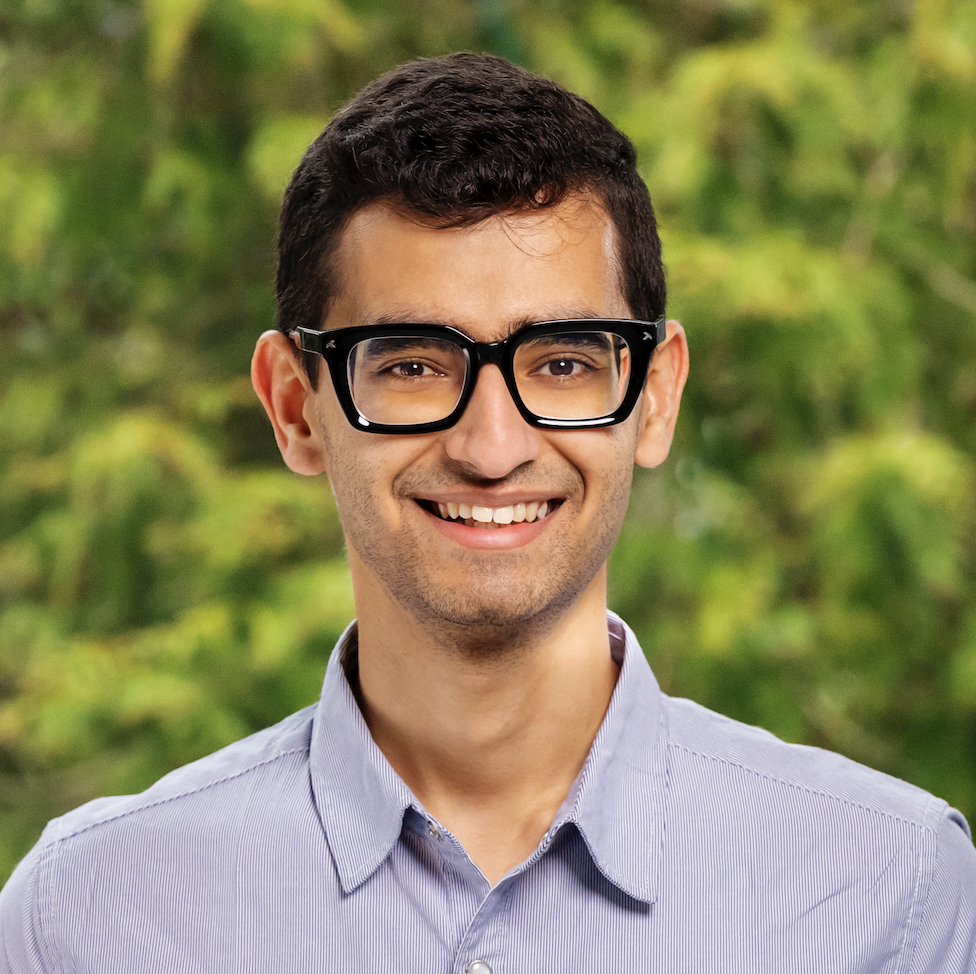 Sayash Kapoor
Evaluation researcher · India and United States; open evaluation work used across international agent research
Rebuilding the Tests Behind the Agentic AI Boom
View profile
Sayash Kapoor
Evaluation researcher · India and United States; open evaluation work used across international agent research
Rebuilding the Tests Behind the Agentic AI Boom
View profile
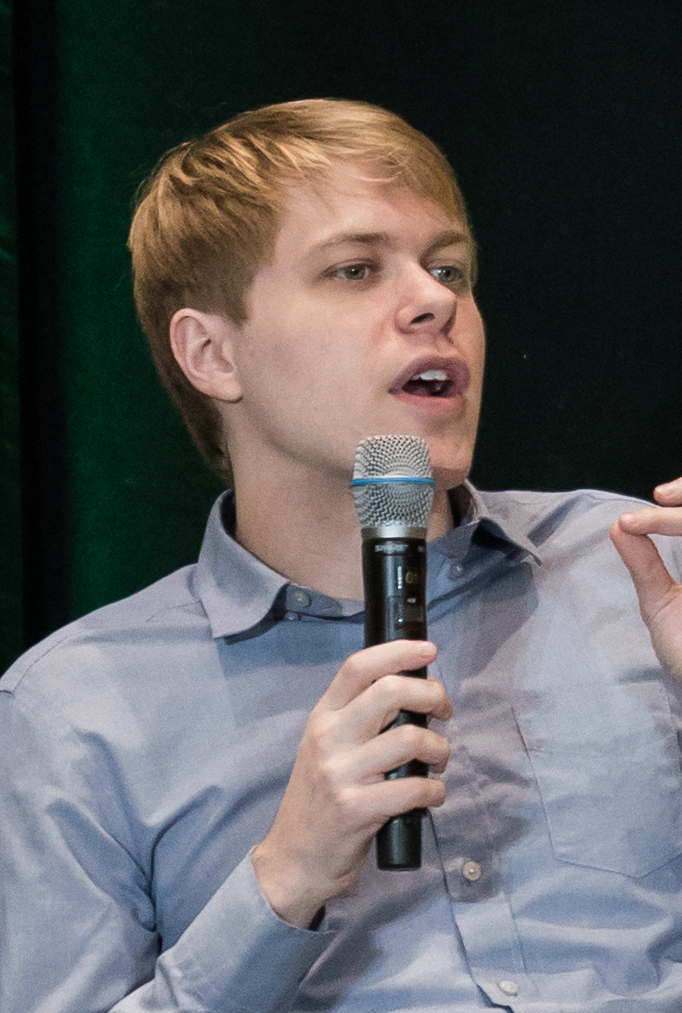 Dan Hendrycks
Research leader and evaluation builder · United States; work used across frontier-model laboratories and policy communities
The Benchmark Builder Testing Where Frontier Intelligence Still Breaks
View profile
Dan Hendrycks
Research leader and evaluation builder · United States; work used across frontier-model laboratories and policy communities
The Benchmark Builder Testing Where Frontier Intelligence Still Breaks
View profile
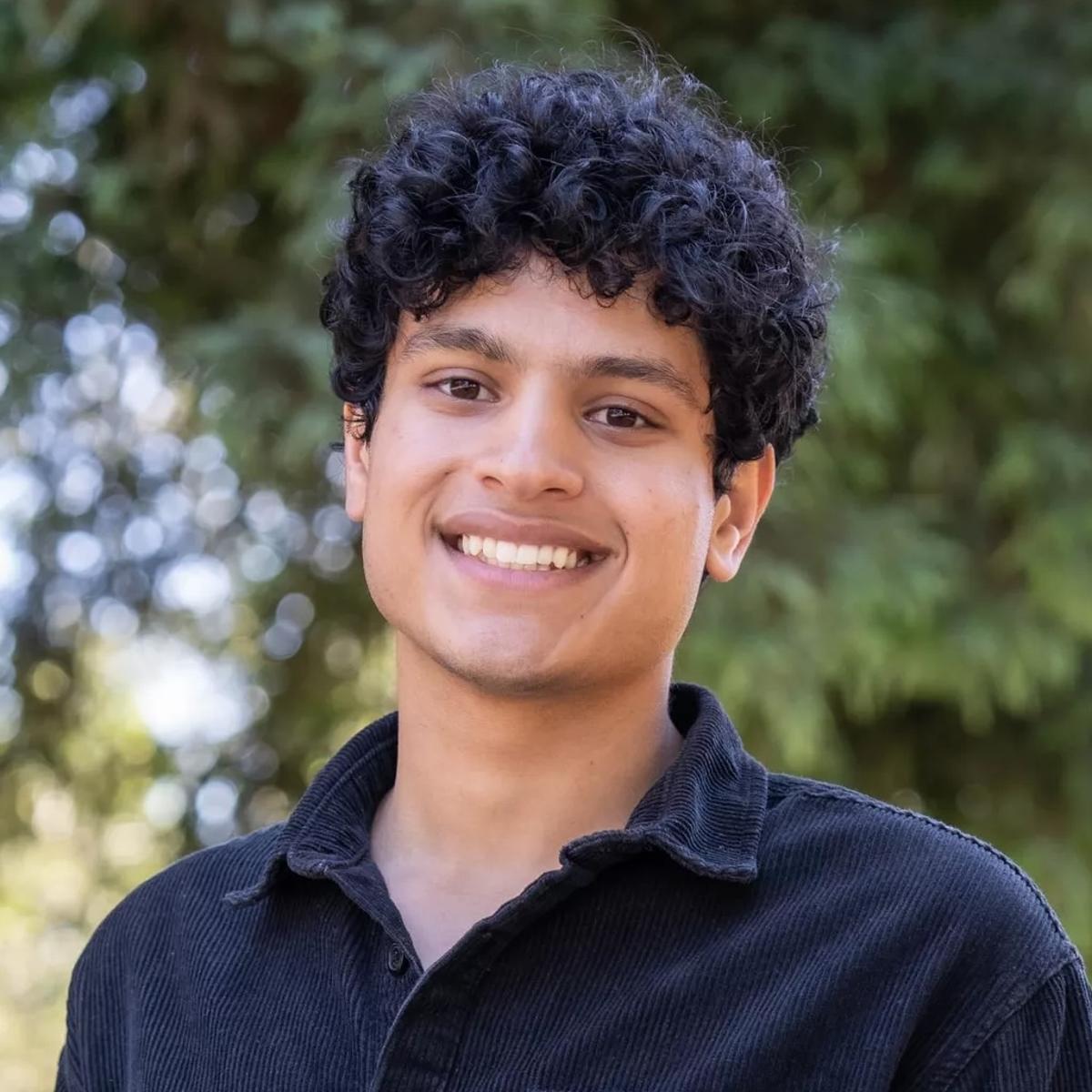 Adarsh Hiremath
Technical founder and operating leader · United States; distributed specialist network serving frontier laboratories and enterprises
Organising Human Expertise for Frontier Artificial Intelligence
View profile
Adarsh Hiremath
Technical founder and operating leader · United States; distributed specialist network serving frontier laboratories and enterprises
Organising Human Expertise for Frontier Artificial Intelligence
View profile
 Demi Guo
Researcher-founder · China and United States; online creative product distributed internationally
Moving Generative Video Into Real-Time Interaction
View profile
Demi Guo
Researcher-founder · China and United States; online creative product distributed internationally
Moving Generative Video Into Real-Time Interaction
View profile
 Divya Siddarth
Institution builder and governance researcher · United States and United Kingdom; civic-evaluation programmes spanning multiple regions
Building Democratic Institutions for Decisions About Artificial Intelligence
View profile
Divya Siddarth
Institution builder and governance researcher · United States and United Kingdom; civic-evaluation programmes spanning multiple regions
Building Democratic Institutions for Decisions About Artificial Intelligence
View profile
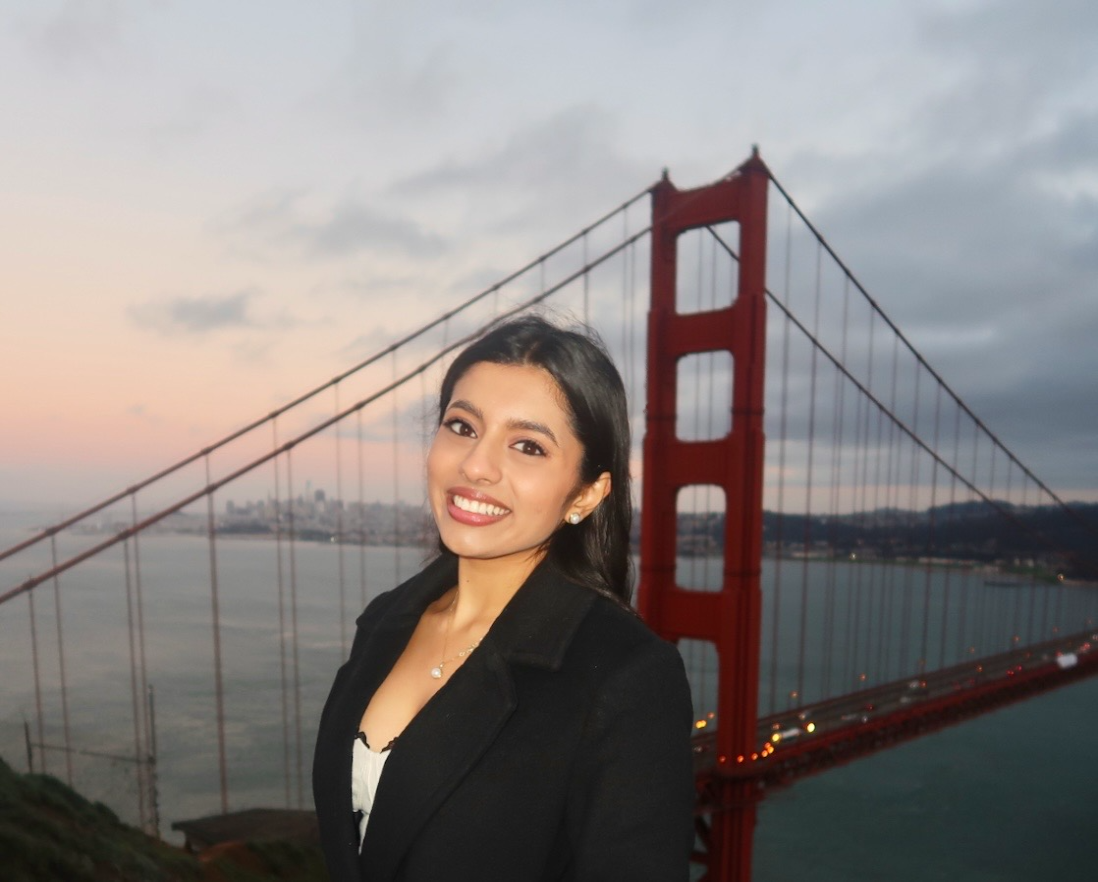 Sneha Revanur
Civil-society founder and policy advocate · United States; youth-governance work with international policy relevance
Giving Young People Standing in the AI Policy Debate
View profile
Sneha Revanur
Civil-society founder and policy advocate · United States; youth-governance work with international policy relevance
Giving Young People Standing in the AI Policy Debate
View profile
Purpose and scope
The Editorial Perspective
Artificial intelligence has become too consequential for recognition to be a contest of visibility. The work that matters now is not simply the work that attracts attention; it is the work that changes a scientific possibility, an industrial practice, a public institution or a human choice — and can still withstand scrutiny once the announcement has passed.
FigureAsia created this edition to recognise that distinction. Our vantage begins in Asia, where the field is being shaped by extraordinary technical depth, vast and varied user populations, fast-moving public institutions and a generation of builders working across borders. Our remit is deliberately international. The people in this cohort were not chosen to perform a geography. They were chosen because their contribution travels: through code, papers, products, standards, public-interest work, clinical systems, creative tools and new forms of infrastructure.
Youth is not treated here as spectacle. It is a hard eligibility condition, nothing more. The editorial question is what each person had already made possible by the close of the assessment window. A famous employer is not a contribution. A funding round is not impact. A benchmark is not the world. A public title is not evidence of personal agency. FigureAsia therefore examined what was completed, what was attributable, what was independently legible, and where the public record still required restraint.
For this edition, the cohort is ordered by the common weighted assessment described below. The sequence is comparative rather than absolute: it organises unlike forms of contribution without pretending that a founder, researcher, public official and accountability scholar can be reduced to a single kind of achievement. The underlying record and stated limits remain more important than the number beside a name.
Category definition
The FigureAsia definition of AI influence under 35
FigureAsia recognises completed work that changes what artificial intelligence can do, how it is deployed, or the public terms under which it operates. The field includes research, model and product engineering, infrastructure, robotics, health, safety, accountability, governance and AI-enabled science.
Selection priorities
What FigureAsia looked for
The editorial desk prioritised attributable work, demonstrated consequence, originality, durability, responsible practice and a documented connection between Asia and the wider field. Fame, financing, employer prestige and announced potential were never treated as achievements in themselves.
FigureAsia methodology
How the field was assessed
The assessment began with a global discovery pool spanning frontier research, applied systems, model infrastructure, robotics, health, creative technology, climate, safety, accountability, public policy and AI-enabled scientific work. Existing awards and lists could be used only to discover a name or establish a dated age bound; they could not serve as evidence of merit.
Every finalist had to pass four gates: age eligibility at 23:59 UTC on 31 December 2025; a verifiable current professional identity; at least one material contribution completed or demonstrably active between 1 January 2025 and 18 July 2026; and sufficient evidence to distinguish the individual’s agency from that of a team or institution. “Under 35” is interpreted strictly: a person had to be younger than 35 at the cutoff, which requires a birth date on or after 1 January 1991. Where an exact birth date was not public, FigureAsia used a dated record that safely bounded age. No age was inferred from appearance, career seniority or educational convention.
Editors then assessed seven weighted dimensions. The scorecard provides a consistent basis for comparison rather than a league table. Candidates had to reach 75/100, pass every gate and have no unresolved material claim. Quantified claims received reduced evidentiary weight when they originated with the subject’s organisation. Research, product and policy achievements were attributed to teams unless the record supported stronger individual credit.
The final cohort was reviewed for role overlap, field concentration, geographic blind spots, institutional halo and the risk of confusing fame with consequence. Selection remained merit-led; coverage review could trigger more research, never a lower evidentiary threshold.
Assessment process
From the eligible field to the final cohort
The desk moved from broad discovery through identity, eligibility, contribution and attribution checks, followed by evidence review and a common seven-dimension assessment. Each profile records the strength and limits of the public evidence; uncertainty is stated rather than resolved by assumption.
Defining contribution
A completed piece of work, institution or system that materially changes what the field can do.
Demonstrated impact and reach
Observable adoption, scientific use, policy consequence or operational reach, with self-reported metrics labelled as such.
Personal agency and attribution
Evidence that the individual shaped the result, separated from team, employer and investor halo.
Technical or institutional originality
A new method, product form, research direction, governance mechanism or deployment model.
Durability and field-shaping influence
The likelihood that the contribution will remain useful beyond a single news cycle or model release.
Evidence integrity and responsible practice
The quality of the record, the precision of claims and the seriousness with which limitations and harms are addressed.
Asia–world relevance
A documented connection to Asia, impact on Asian systems, or clear importance to the region’s place in the international field.
Eligibility
The line every honouree had to clear
Every honouree was required to be younger than 35 on 31 December 2025, to have a material Asian or Asian-diaspora connection, and to possess a completed 2025–26 contribution supported by sufficient evidence. Ages are stated as of that eligibility date. Where a full date of birth is not public, FigureAsia uses the strongest dated record or safely bounded birth year available and identifies the limitation in the profile record.
Age eligibility
Younger than 35 at 23:59 UTC on 31 December 2025; where an exact date is not public, eligibility must be safely established by dated evidence or a verified birth year.
Documented connection
A material Asian or Asian-diaspora connection must be established; relevance alone does not clear the gate.
Completed work
At least one internationally consequential contribution must have been completed during the assessment window.
Personal agency
Credit must be attributable to the individual and separated from employer, team, investor and publicity halo.
Evidence depth
Material claims require primary evidence and credible independent corroboration.
Publication standards
Editorial, legal and rights notices
The following terms govern the interpretation and use of this edition.
Editorial independence
FigureAsia conceived, researched, assessed, selected and wrote this edition as an independent editorial work. Inclusion cannot be purchased. No honouree, employer, investor, nominator, sponsor, publicist or outside ranking body was given a right of approval over selection, order, wording or exclusion. Commercial prominence, fundraising, follower counts and press volume were never accepted as substitutes for contribution.
The public edition contains FigureAsia’s original selection, arrangement, methodology and prose. It names employers, institutions, products and research works only where those facts are necessary to identify a person’s record. It does not reproduce third-party rankings or display third-party source branding. FigureAsia retains the underlying evidence record to support source verification, fact-checking and subsequent accuracy reviews.
FigureAsia may seek corrections of fact from an individual or organisation. Participation, silence or refusal does not decide inclusion. Editorial and commercial functions must remain separate. Any future commercial relationship involving a listed person or affiliated organisation must be disclosed and cannot alter this edition.
Evidence, eligibility and attribution
The assessment began with a global discovery pool spanning frontier research, applied systems, model infrastructure, robotics, health, creative technology, climate, safety, accountability, public policy and AI-enabled scientific work. Existing awards and lists could be used only to discover a name or establish a dated age bound; they could not serve as evidence of merit.
Every finalist had to pass four gates: age eligibility at 23:59 UTC on 31 December 2025; a verifiable current professional identity; at least one material contribution completed or demonstrably active between 1 January 2025 and 18 July 2026; and sufficient evidence to distinguish the individual’s agency from that of a team or institution. “Under 35” is interpreted strictly: a person had to be younger than 35 at the cutoff, which requires a birth date on or after 1 January 1991. Where an exact birth date was not public, FigureAsia used a dated record that safely bounded age. No age was inferred from appearance, career seniority or educational convention.
Editors then assessed seven weighted dimensions. The scorecard provides a consistent basis for comparison rather than a league table. Candidates had to reach 75/100, pass every gate and have no unresolved material claim. Quantified claims received reduced evidentiary weight when they originated with the subject’s organisation. Research, product and policy achievements were attributed to teams unless the record supported stronger individual credit.
The final cohort was reviewed for role overlap, field concentration, geographic blind spots, institutional halo and the risk of confusing fame with consequence. Selection remained merit-led; coverage review could trigger more research, never a lower evidentiary threshold.
Legal and accuracy notice
This publication is an editorial assessment based on information reasonably available to FigureAsia through 18 July 2026. Roles, affiliations, product status, research records and public responsibilities can change. Readers should use the correction channel identified by FigureAsia to report a material factual error; material corrections are published with a clear record of what changed.
Inclusion is not an endorsement by any named employer, university, government, investor, standards body or other organisation. Omission is not an adverse judgement. The edition is not investment, procurement, employment, legal, regulatory, scientific or safety advice. Company-reported adoption, revenue, valuation and performance figures remain attributed estimates unless an independent audit is expressly stated. Research benchmarks do not by themselves establish real-world reliability, safety or social benefit.
Names, job titles, institutional names, product names and trademarks are used for identification and remain the property of their respective owners. FigureAsia claims copyright only in its original selection, arrangement, methodology, scoring framework and prose, not in underlying facts or third-party works. Portraits are used solely for editorial identification. Each public image carries a source, credit and recorded licence or editorial-use basis; copyright remains with the credited rights holder. Where no reliable individual portrait could be secured, FigureAsia displays its own neutral placeholder and does not imply that the graphic depicts the honouree.
FigureAsia reviews current roles, factual fairness, privacy and defamation risk as part of publication. Where appropriate, a subject may be offered a reasonable right of factual correction, not editorial approval. No disclaimer cures an inaccurate or unfair statement; evidentiary discipline remains the primary safeguard.
Corrections
FigureAsia welcomes precise corrections supported by a primary record or other reliable documentation. A correction request should identify the passage, explain the alleged error and provide evidence. FigureAsia may update a factual statement, add a clarification or decline a request that seeks to change an editorial judgement without new facts. Material changes should be recorded with a date and a concise explanation.
Copyright
© 2026 FigureAsia. Copyright applies to FigureAsia's original selection, arrangement, methodology and prose; underlying facts and third-party names remain outside that claim.